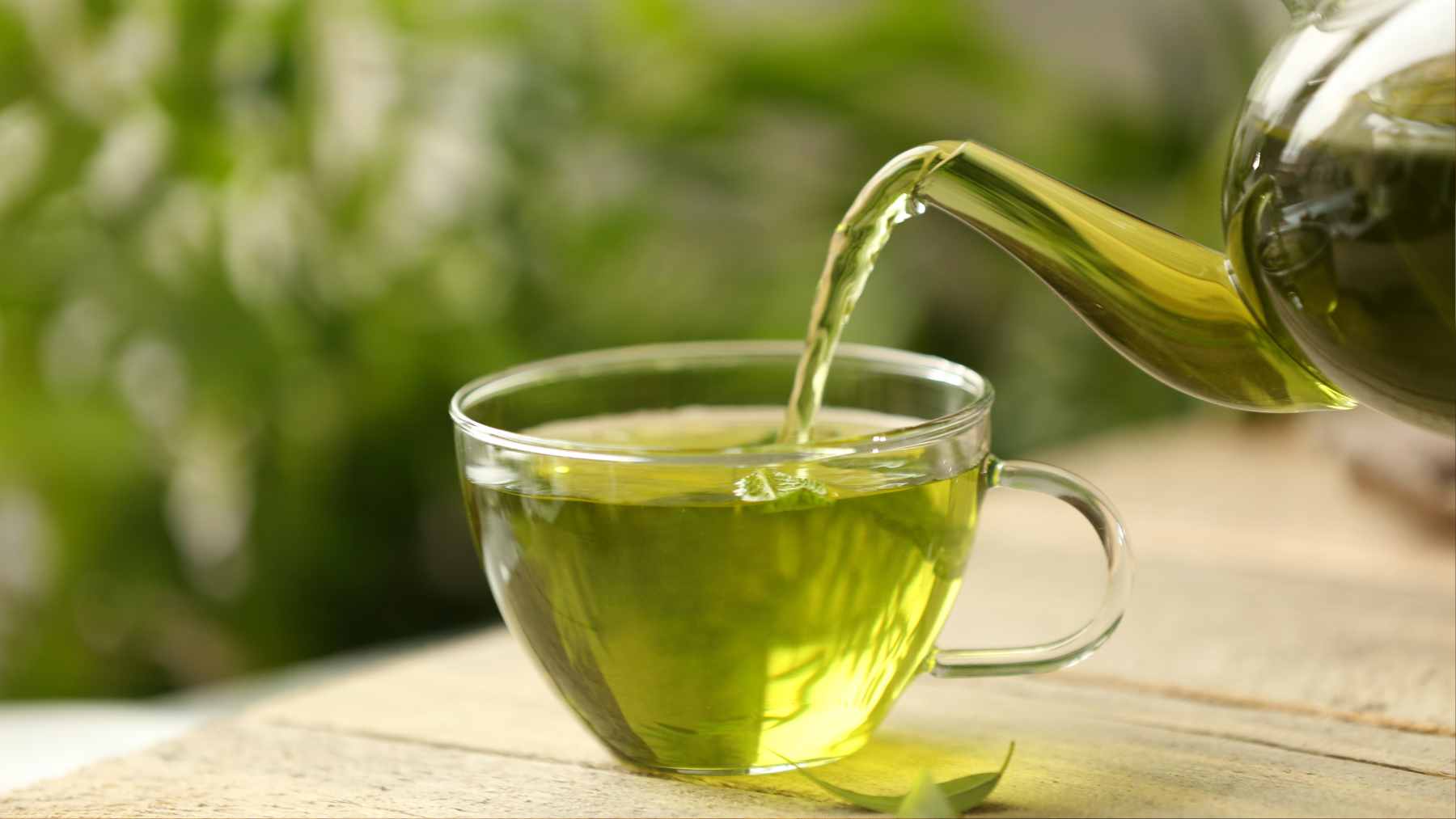
A daily cup of tea can feel like a small comfort. But when it comes to heart health, green tea may be more than a warm drink on the kitchen counter.
Dietitians point to green tea as the tea with the strongest research behind it for supporting the heart.
Drinking two to four cups a day may help lower the risk of heart disease, and one large review found that people who regularly drank three cups of green tea daily had about a 15% lower risk of coronary heart disease than those who did not drink it.
Why green tea stands out
Black tea and herbal teas can also contain helpful plant compounds. Green tea gets special attention because it is rich in catechins, a type of antioxidant that helps protect cells from damage.
The best-known catechin in green tea is EGCG, a complicated name when spelled out, but the idea is simple. It is one of the main compounds scientists study when they look at how green tea may affect blood vessels, cholesterol, and inflammation.
Blood vessels get support
Healthy blood vessels need to relax and tighten smoothly. When they stay stiff or inflamed, blood pressure can rise, and the heart has to work harder.
“EGCG helps improve blood vessel function by promoting relaxation of the arteries and reducing inflammation,” registered dietitian Talia Follador said in a dietitian-reviewed report by Kelsey Kunik, which was reviewed by Casey Wing.
That could mean better circulation and slightly easier work for the heart over time.
The American Heart Association has also noted that unsweetened tea can fit into a heart-healthy diet. The catch is sugar. A tall glass of sweet tea may taste refreshing, but too much added sugar can turn a helpful drink into something closer to soda.
Cholesterol is part of the story
Green tea may also help with blood fats, especially total cholesterol and LDL cholesterol. LDL is often called “bad” cholesterol because high levels can help build plaque inside arteries.
A large review in Frontiers in Nutrition found that green tea supplementation was linked with small but meaningful improvements in several heart-related markers, including lower total cholesterol and LDL cholesterol. It also reported a small increase in HDL cholesterol, often called “good” cholesterol.
That does not mean green tea cleans arteries overnight. Plaque builds slowly, often over years. Still, small habits can matter when they are repeated day after day.
Antioxidants and the gut
Green tea is loaded with antioxidants, which help fight unstable molecules called “free radicals.” Free radicals are produced naturally in the body, but too many can add stress to blood vessels.
Why does that matter for the heart? Over time, oxidative stress and inflammation can make artery walls more vulnerable to damage. That is where green tea’s antioxidant profile becomes interesting.
There is also a newer gut angle. A small Nutrition Research trial found that green tea extract, in an amount comparable to about five cups of green tea a day, improved gut barrier function and lowered circulating endotoxin levels in healthy adults and adults with metabolic syndrome.
How much to drink
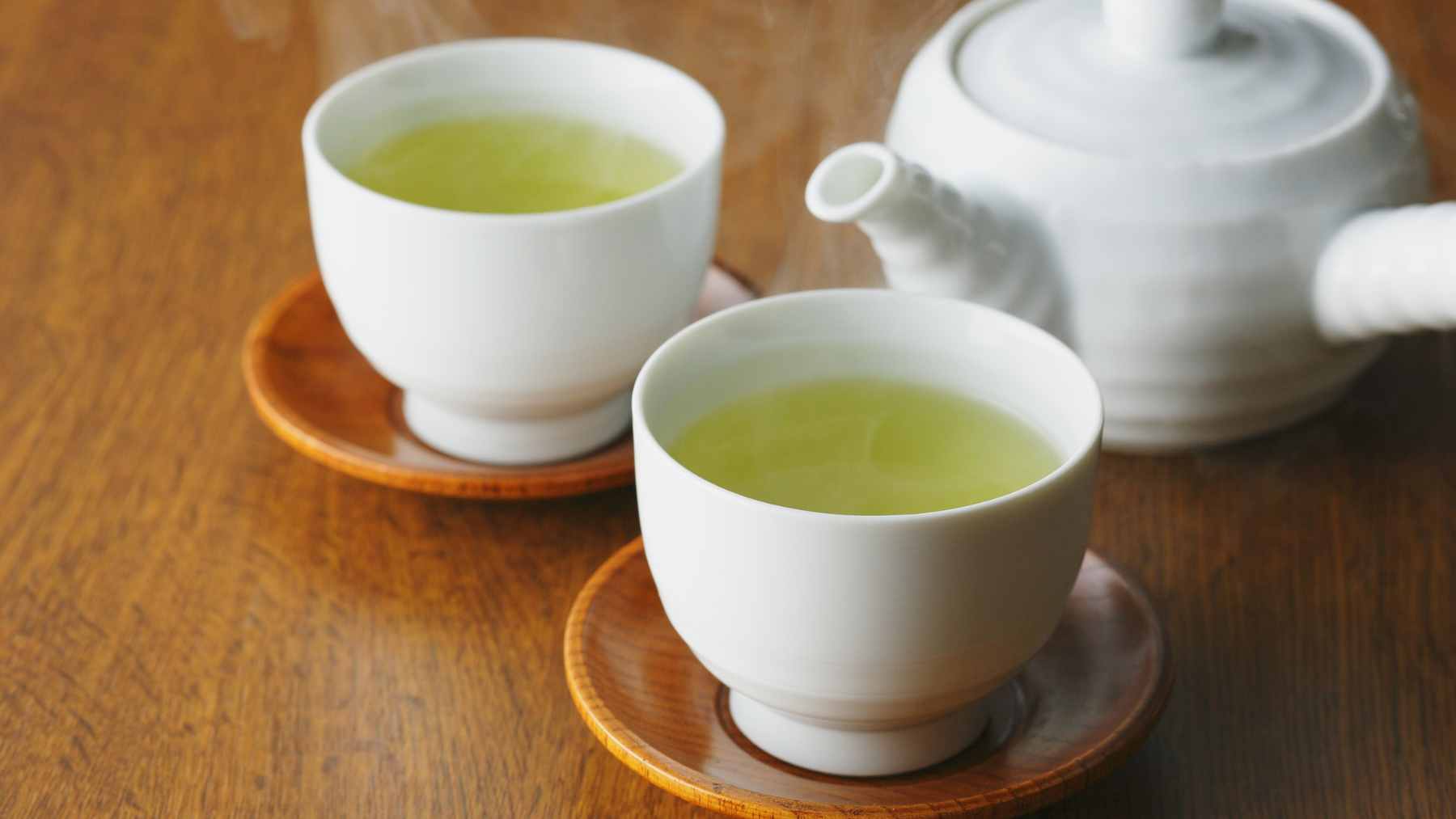
For most people, the practical target is two to four cups of green tea per day–not perfect every day, just consistent enough to become part of a normal routine.
That could mean hot tea in the morning, iced green tea with lunch, or decaf green tea in the evening. The National Center for Complementary and Integrative Health says green tea as a beverage has not raised safety concerns for adults, though it does contain caffeine and may interact with some medicines.
Adding citrus can help, too. A squeeze of lemon or orange may improve how well the body absorbs EGCG, and drinking tea with milk may also increase its availability–a small tweak with a useful payoff.
How to brew it
Green tea can become bitter if the water is too hot or the leaves sit too long. For a good balance of flavor and antioxidants, dietitians recommend steeping it at about 176°F to 185°F for three to five minutes.
Prefer iced tea? Cold brewing at about 68°F for 12 hours may help preserve vitamin C and certain catechins. That makes it a good option for sticky summer heat, especially when you want something cold without reaching for a sugary drink.
Keep sweeteners light. A little honey or fruit can soften the flavor, but loading the cup with sugar can work against the heart-healthy reason for drinking it in the first place.
What this does not mean
Green tea is not a cure for heart disease. It cannot replace medication, exercise, sleep, not smoking, or a balanced diet built around vegetables, fruits, beans, whole grains, fish, nuts, and healthy fats.
It is better to think of green tea as one helpful habit. At the end of the day, the heart is shaped by the whole pattern of daily life, not by one drink.
The main study discussed in this article has been published in Nutrition, Metabolism and Cardiovascular Diseases.