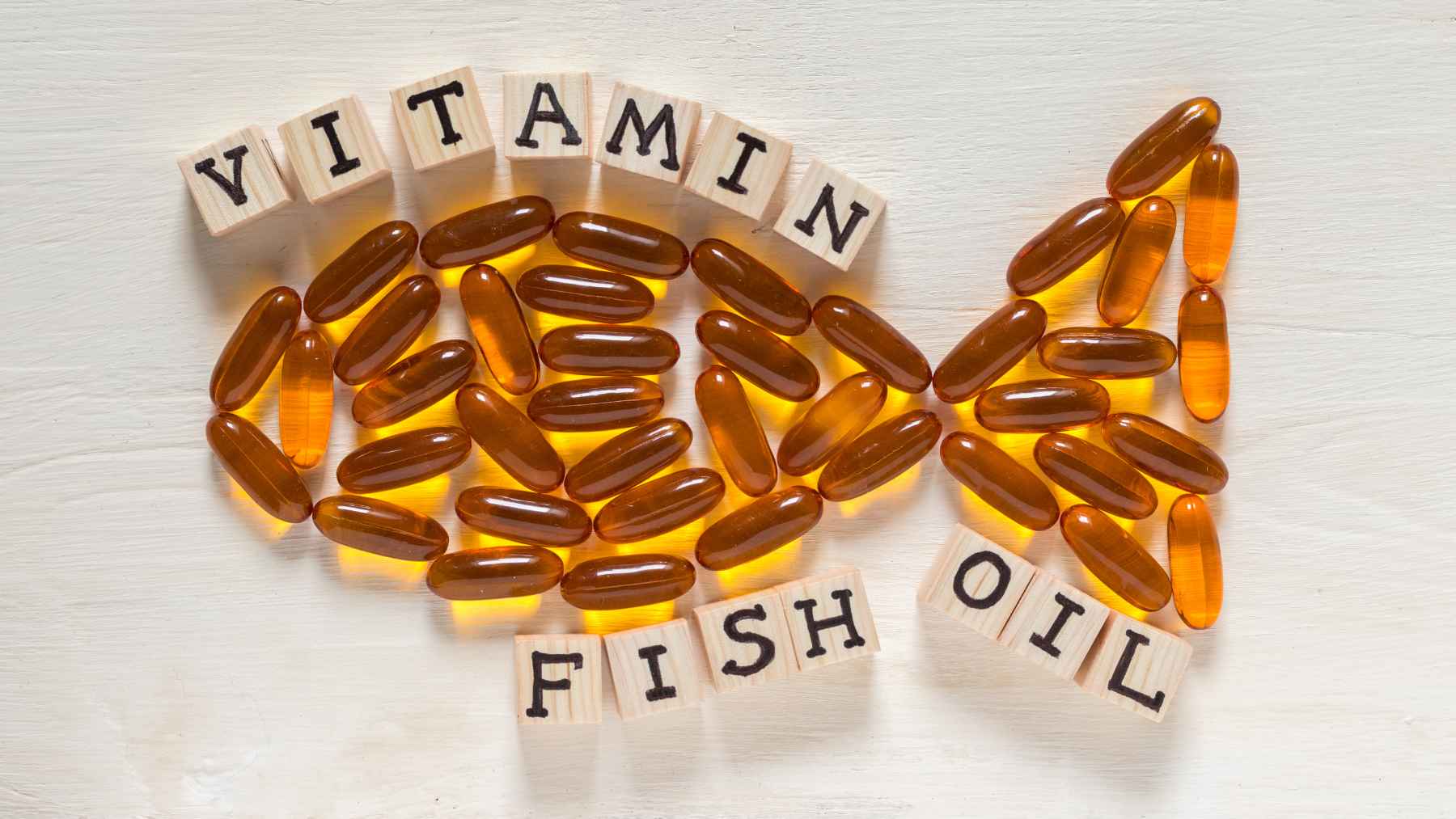
Fish oil has long been sold as a simple way to support health. But a new study suggests one common omega-3 fat inside many fish oil supplements may behave differently when the brain is trying to heal after repeated mild head injuries.
The key concern is EPA, short for eicosapentaenoic acid. In mouse experiments and human cell work, EPA was linked to weaker repair of tiny brain blood vessels after injury, while DHA, another omega-3 often found in fish oil, did not show the same effect.
All Fish oils are not the same
Omega-3 fats are found in foods such as fish and flaxseed, and they are also sold as dietary supplements. The main types discussed in health research are ALA, EPA, and DHA, according to the National Institutes of Health.
That matters because fish oil is often talked about as if every ingredient works the same way. In practical terms, one capsule may contain both EPA and DHA, but the brain may not treat them equally.
The study focused on brain repair
The work was led by neuroscientist Onder Albayram at the Medical University of South Carolina, with Eda Karakaya and colleagues, and included Onur Eskiocak and Semir Beyaz from Cold Spring Harbor Laboratory.
The team tested how long-term fish oil exposure affected the brain after repeated mild traumatic brain injury, the kind of injury linked to sports hits, falls, or blasts.
In the mouse model, animals fed diets containing EPA did worse on tasks involving spatial memory and learning after injury.
That does not prove the same thing happens in people, but it raises a more-pressing question. What happens when a “brain-health” supplement comes up against a brain already under stress?
EPA appeared to disrupt repair
The researchers focused on the brain’s tiny blood vessels. These vessels deliver oxygen and nutrients, and after an injury, they help rebuild stable tissue rather than simply keeping blood flowing.
Their experiments suggest EPA may reprogram how those vessel cells use energy. The researchers describe this as a conte5xt-dependent metabolic vulnerability, meaning the problem appears under certain conditions, especially when cells are busy trying to repair damage.
DHA behaved differently. In later tests using human-derived brain microvascular endothelial cells, the cells that help form the blood-brain barrier, DHA did not interfere with repair in the same way.
What CTE has to do with it
The study also looked at chronic traumatic encephalopathy, or CTE. This is a brain disease linked to repeated head injuries, with symptoms that may appear years later.
Researchers found that EPA-related changes in injured mice were connected with unstable vessels and a buildup of harmful tau proteins. In donated human brain tissue from people diagnosed with CTE, the team saw similar patterns involving blood vessel damage and altered metabolism.
That sounds alarming, but there are several important caveats. Much of the evidence comes from mice, human cells, and donated brain tissue, so there is no definitive proof that taking EPA-containing fish oil is linked to CTE.
Experts warn against simple answers
Albayram said “fish oil supplements are everywhere,” while noting that scientists still do not fully understand their long-term effects on the brain. This is what is worrying, as the average consumer picks up these products with little thought after tossing the bottle into their shopping cart.
Eskiocak put the message in plain terms, saying fish oil is not a “one-size-fits-all benefit.” He also stressed that this does not mean fish oil is bad for everyone.
That distinction matters. The study is not a warning to throw away every bottle of fish oil, and it does not erase earlier research on omega-3 benefits. Instead, timing, injury history, dose, and the balance between EPA and DHA may all matter.
Why the findings matter now
Fish oil is not a niche product anymore. People take it for heart health, inflammation, memory, mood, or simply because someone told them it was a good preventative measure.
For the most part, they are not thinking about the repair of tiny blood vessels after a mild concussion that may have gone unnoticed.
That is where this research gets practical. A teenager heading a soccer ball, a worker who takes a hard fall, or an older adult who bumps their head may not see the injury as a big event. But inside the brain, repair work may already be underway.
The next step is not to panic. It is better testing. The researchers want to study EPA and DHA in more brain cell types, more brain regions, and possibly clinical trials before doctors make stronger recommendations.
Fish oil and precision nutrition
At the end of the day, the study supports a more personal approach to nutrition. Precision nutrition means asking who is taking a supplement, when they are taking it, and what their body is dealing with.
For people with repeated head impacts, that may eventually mean paying closer attention to the type of omega-3 in a supplement, not just the total amount on the label. For everyone else, the finding is a reminder that “natural” does not always mean a straightforward solution.
Albayram called the paper an “important starting point” to ask more pertinent questions about nutrition and the brain. Small details with potentially far-reaching consequences.
The official study has been published in Cell Reports.