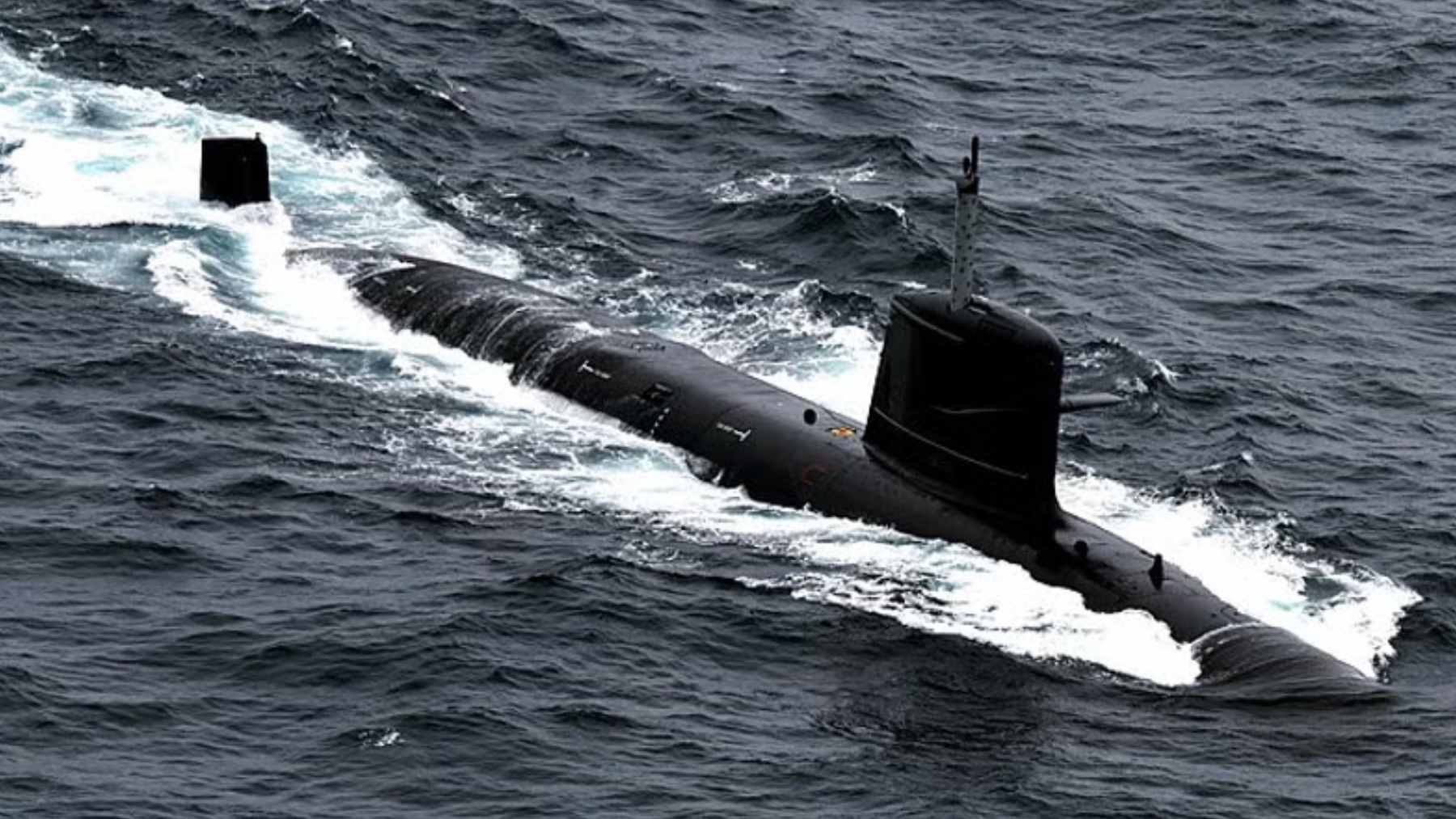
Argentina is trying to rebuild a submarine force that has been missing from its real naval power for years. The plan now being discussed centers on three Scorpène-class submarines, but the surprise is where they could be built–in Brazil, not France, as regional cooperation begins to look just as important as the weapons themselves.
That matters for defense, business, and the environment. In practical terms, the same ships meant to strengthen Argentina’s presence in the South Atlantic could also fit into a wider push to protect fishing grounds, offshore resources, and maritime routes that are becoming more contested by the year.
A force Argentina wants back
Argentina’s submarine story is still shaped by the 2017 loss of the ARA San Juan, which disappeared in the South Atlantic with 44 crew members on board. A trial involving former navy officers began in 2026, keeping the tragedy in public view and reminding Argentines how painful the gap in undersea capability has become.
So, why now? Because sea control is not just a military phrase on a planning document. For a country with long Atlantic interests, it touches fisheries, patrol work, shipping, and the ability to know what is happening far from shore.
Why Brazil is suddenly central
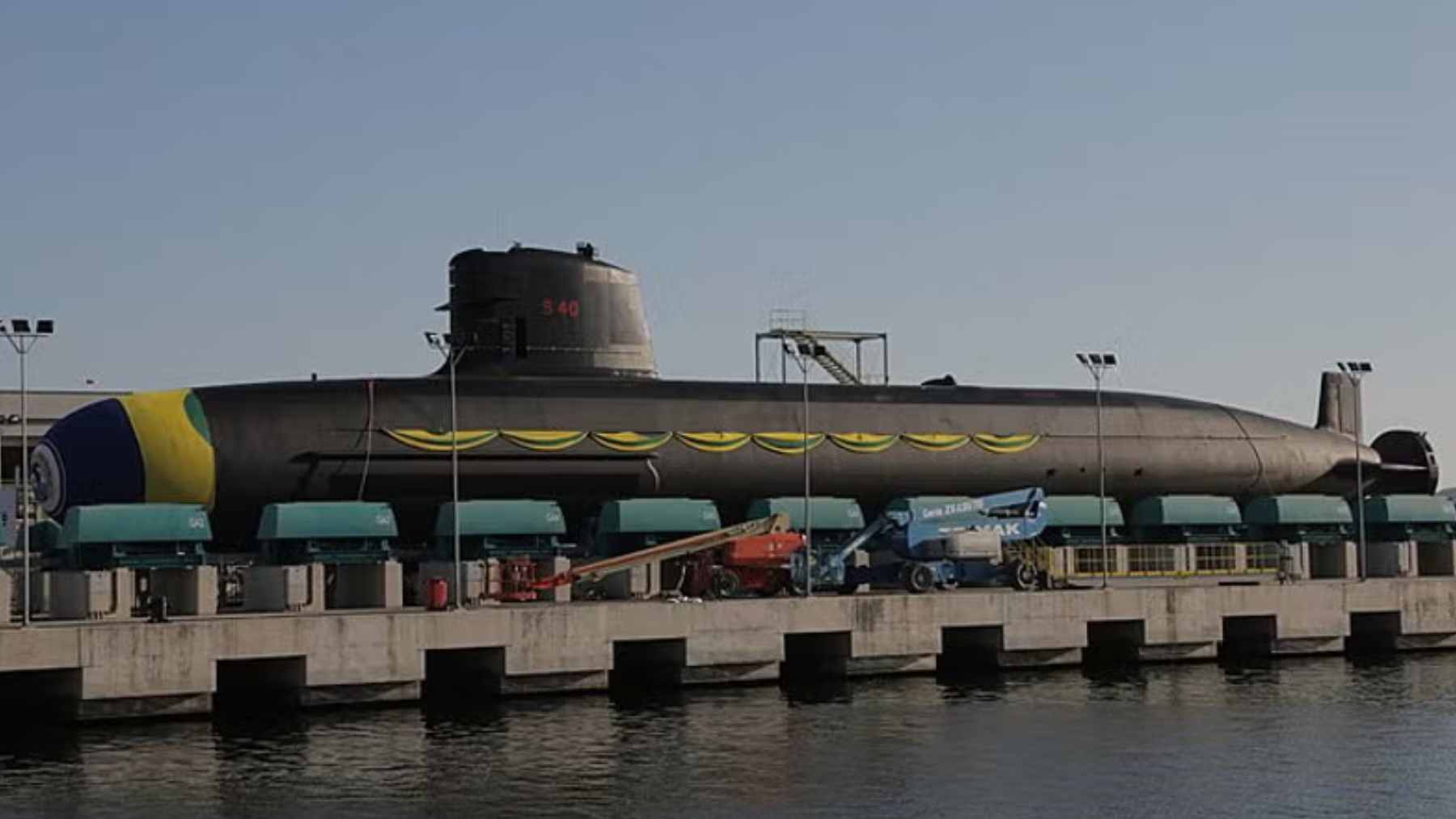
Brazil already has something Argentina needs badly. At Itaguaí, near Rio de Janeiro, Brazil has spent years building a submarine industrial base under PROSUB, its Submarine Development Program, with support from France’s Naval Group.
The Brazilian Navy said its PROSUB25 ceremony in November 2025 marked two big steps at once: the delivery milestone for Tonelero (S42) and the launch of Almirante Karam (S43). It also said those events closed the cycle of conventional submarine construction and opened the transition toward the conventionally armed, nuclear-powered Álvaro Alberto.
Itaguaí has become a defense factory
The business angle is easy to miss, but it may be the key to the whole story. Naval Group says its work in Brazil included technology transfer, local supplier qualification, and training for Brazilian shipyard teams in submarine construction techniques.
That turns Itaguaí into more than a military base. It becomes a regional industrial platform, the kind of place where welders, electricians, engineers, software teams, and defense suppliers can keep building skills instead of importing every solution from overseas.
The ocean angle
Submarines do not stop illegal fishing boats by themselves. That job is usually done by patrol ships, aircraft, coast guard crews, satellites, and radar screens. Still, a credible submarine force can support a larger maritime strategy by making a country’s sea space harder to ignore.
Argentina has already described illegal fishing control as a joint effort involving foreign affairs, security, defense, and agriculture authorities. Its Foreign Ministry says the goal is to prevent illegal fishing in the Argentine Exclusive Economic Zone and protect natural resources that belong to Argentines.
Pressure near the 200-mile line
The South Atlantic is not quiet. Reuters reported in May 2026 that around 200 Chinese fishing vessels spend months near Argentina’s waters, mostly hunting squid, while Buenos Aires has increased surveillance to make sure they do not fish inside the country’s Exclusive Economic Zone.
That is where defense and ecology meet. Overfishing is not just an economic problem for dockworkers and seafood exporters. It can also weaken marine ecosystems, hit local communities, and turn a distant patch of ocean into a diplomatic headache.
France leads, Germany has not left
France’s Naval Group appears to have the strongest position because Brazil’s Scorpène program is already running on French technology. The company says the Scorpène is a conventional submarine designed for missions including anti-surface warfare, anti-submarine warfare, and special operations.
Germany is still in the picture, though. Reuters reported in 2025 that Berlin was planning guarantees for TKMS to support a possible Argentine submarine deal involving three Type 209 submarines, with long-term financing seen as a requirement.
Existing patrol ships matter, too
Argentina already has a French-linked surface fleet piece in place. Naval Group delivered the last of four OPV 87 offshore patrol vessels to Argentina in 2022, saying the ships support extensive maritime surveillance and detection of suspicious behavior.
Those patrol vessels are about 285 ft. long and can remain at sea for more than three weeks. In everyday terms, they are the visible police cars of the ocean, while submarines are the quiet deterrent beneath the surface.
What Argentina could gain
If the plan moves forward through Brazil, Argentina could get more than just three new boats. It could tap into a nearby maintenance and construction ecosystem, reduce some dependence on distant yards, and strengthen defense ties with its largest neighbor.
For Brazil, the reward would also be substantial. More work at Itaguaí would mean jobs, taxes, supplier contracts, and a louder voice in South America’s defense technology market. That’s the bigger shift.
The deal is not sealed
There is still a big caution sign here. Public reporting points to negotiations and political interest, not a finalized contract with fixed financing, delivery dates, and construction split.
At the end of the day, Argentina’s submarine plan is about more than steel, sonar, and torpedoes. It is about whether South America can build more of its own strategic technology while protecting the waters that feed, employ, and define the region.
The press release was published on Naval Group.