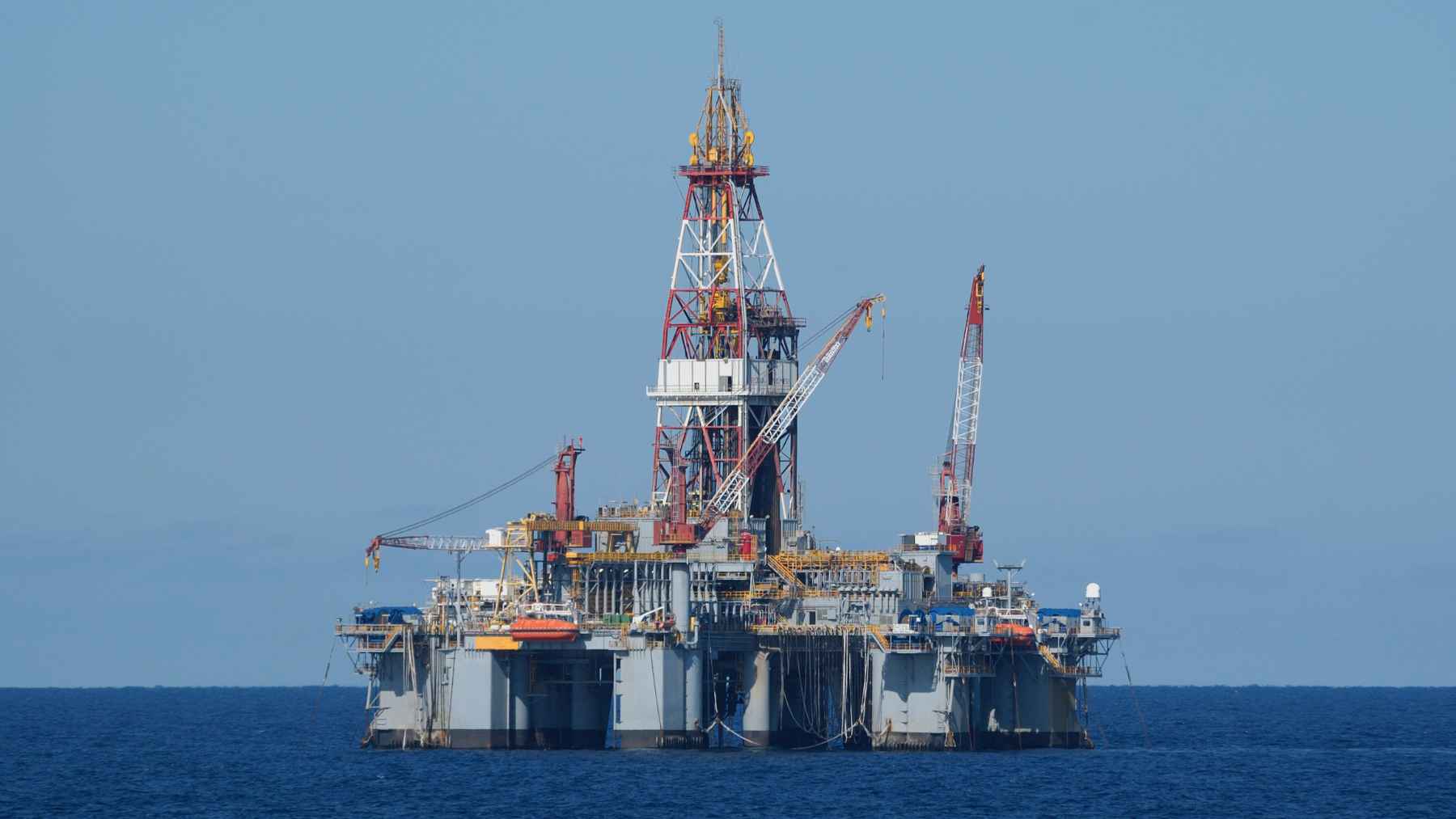
Drive along Interstate 10 through Louisiana and Texas, and the oil industry is hard to miss. Refineries, pipelines, tanker traffic, and offshore platforms all point to one thing, which is how deeply modern life still depends on crude.
One of the most important pieces of that system is not visible from the road at all, though. It sits underground, inside salt caverns along the Gulf Coast, where the United States stores part of its Strategic Petroleum Reserve while global oil reserves are being tested by the disruption around the Strait of Hormuz.
A hidden oil bank
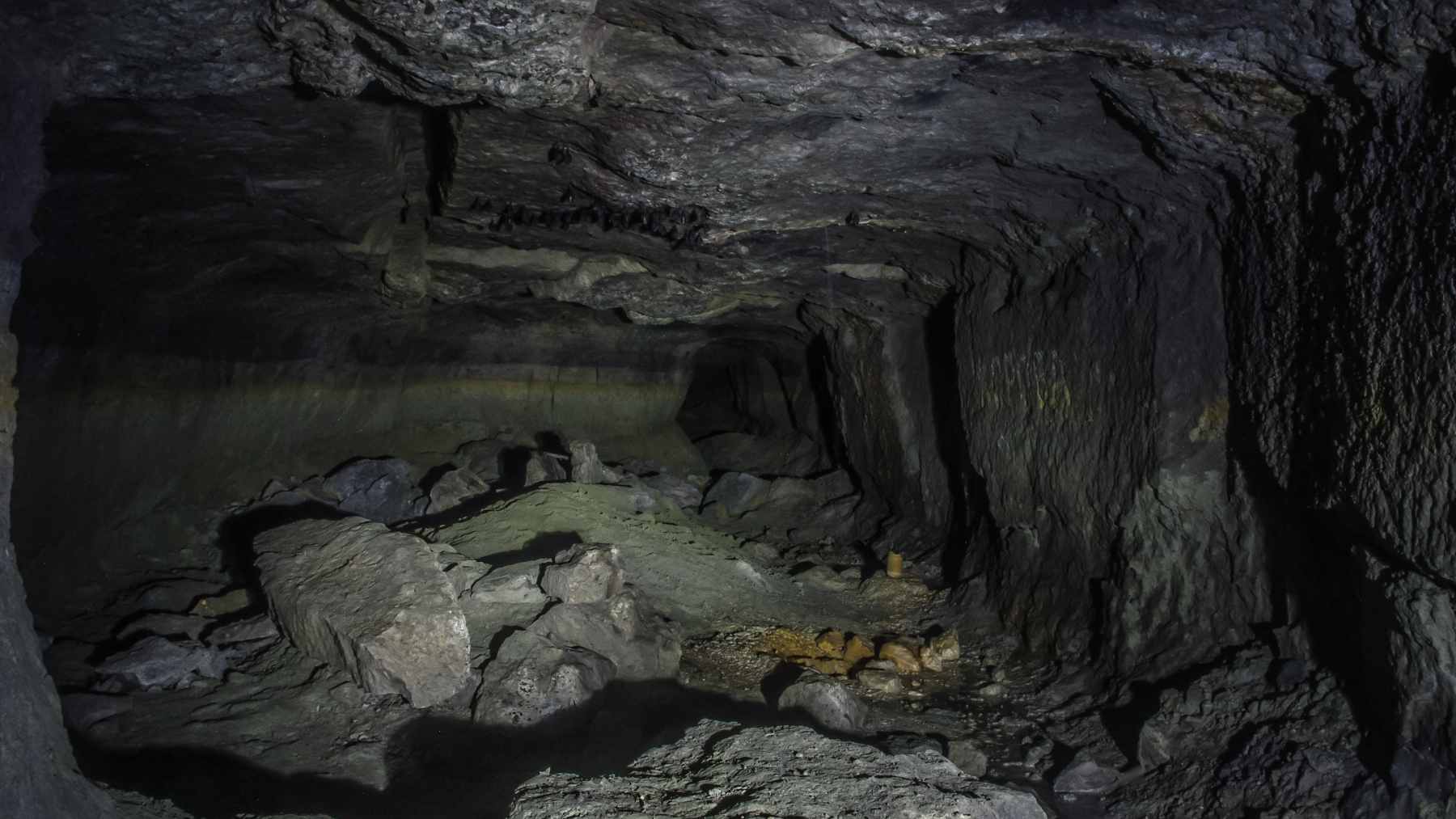
The U.S. Strategic Petroleum Reserve is not a row of giant surface tanks. It is a network of underground caverns carved into salt formations at four storage sites in Texas and Louisiana, with an authorized capacity of 714 million barrels.
By late May, the Department of Energy listed about 372 million barrels in the reserve, far below full capacity. That matters because the reserve is now part of a coordinated emergency response after the International Energy Agency said member countries would carry out the largest oil stock release in its history.
Why salt works
Salt may sound like a strange place to hide oil, but geologists have long seen it as an unusually good storage material. The Department of Energy says rock salt has very low porosity and permeability, and it can self-heal tiny cracks under the right underground conditions.
That means oil can sit deep underground with less risk than many above-ground alternatives. Scott Montgomery, a former petroleum geologist interviewed by The Conversation Weekly, put it simply when explaining that these are not vast empty caves, but smaller storage spaces, often called “bottles,” built inside salt formations.
How the caverns were made
The caverns were created through a process called “solution mining.” Workers drilled into underground salt, pumped in fresh water, dissolved the salt, and removed the resulting brine.
The size is hard to picture until you compare it with something familiar. A typical cavern is about 200 ft. wide and 2,500 ft. tall, and the Department of Energy says one could fit Chicago’s Willis Tower with room to spare.
How oil gets out
So how do you pull millions of barrels of crude out of a salt cavern? The basic trick is surprisingly simple, because oil floats on water.
When officials order a withdrawal, fresh water is pumped into the bottom of a cavern. That water pushes the crude upward, and pipelines then move the oil toward terminals and refineries around the country.
The global safety net
Strategic reserves were built for moments exactly like this. In March 2026, the IEA said 32 member nations had agreed to a coordinated release of 400 million barrels of oil and refined products, while the United States authorized a 172-million-barrel release from its own reserve.
Why such urgency? The IEA said oil and product flows through the Strait of Hormuz had fallen to less than 10% of pre-conflict levels, even though about 20 million barrels per day moved through the strait in 2025, around one quarter of global seaborne oil trade.
China sits on top
The United States is not alone in holding emergency crude. EIA estimates show that China, the United States, and Japan held the largest strategic oil inventories as of December 2025.
China’s strategic inventories were estimated at nearly 1.4 billion barrels at the end of 2025, though the EIA cautions that China does not report oil inventory data transparently. Japan held about 263 million barrels in government inventories, while South Korea averaged about 79 million barrels.
The environmental catch
Salt caverns are often described as safer and cheaper than aboveground tanks, but they are not magic. Creating them requires water, produces brine, and ties emergency planning to the same fossil fuel system that governments are also trying, to a large extent, to clean up.
There is another wrinkle. Montgomery warned that caverns cannot be endlessly emptied and refilled without affecting the salt walls, saying they have a safety margin of about five extraction and refill cycles before new caverns may be needed.
Why this matters now
For drivers, the reserve can feel distant until gas prices rise. For airlines, farmers, shipping firms, and manufacturers, it is much more immediate because oil shocks can move quickly through fuel bills, food costs, and supply chains.
The reserve is not designed to solve every problem. It is more like a national fire extinguisher–useful in an emergency, but not something that can be relied on forever.
What happens next
The current release shows both the strength and the limits of strategic stockpiles. They can buy time, calm markets, and keep refineries supplied, but every barrel sent out must eventually be replaced or the safety cushion gets thinner.
That is the bigger lesson hiding under the Gulf Coast. The world has built huge underground oil vaults for crises, but using them is a reminder that energy security and environmental planning are now tangled together.
The official statement was published on the U.S. Department of Energy.