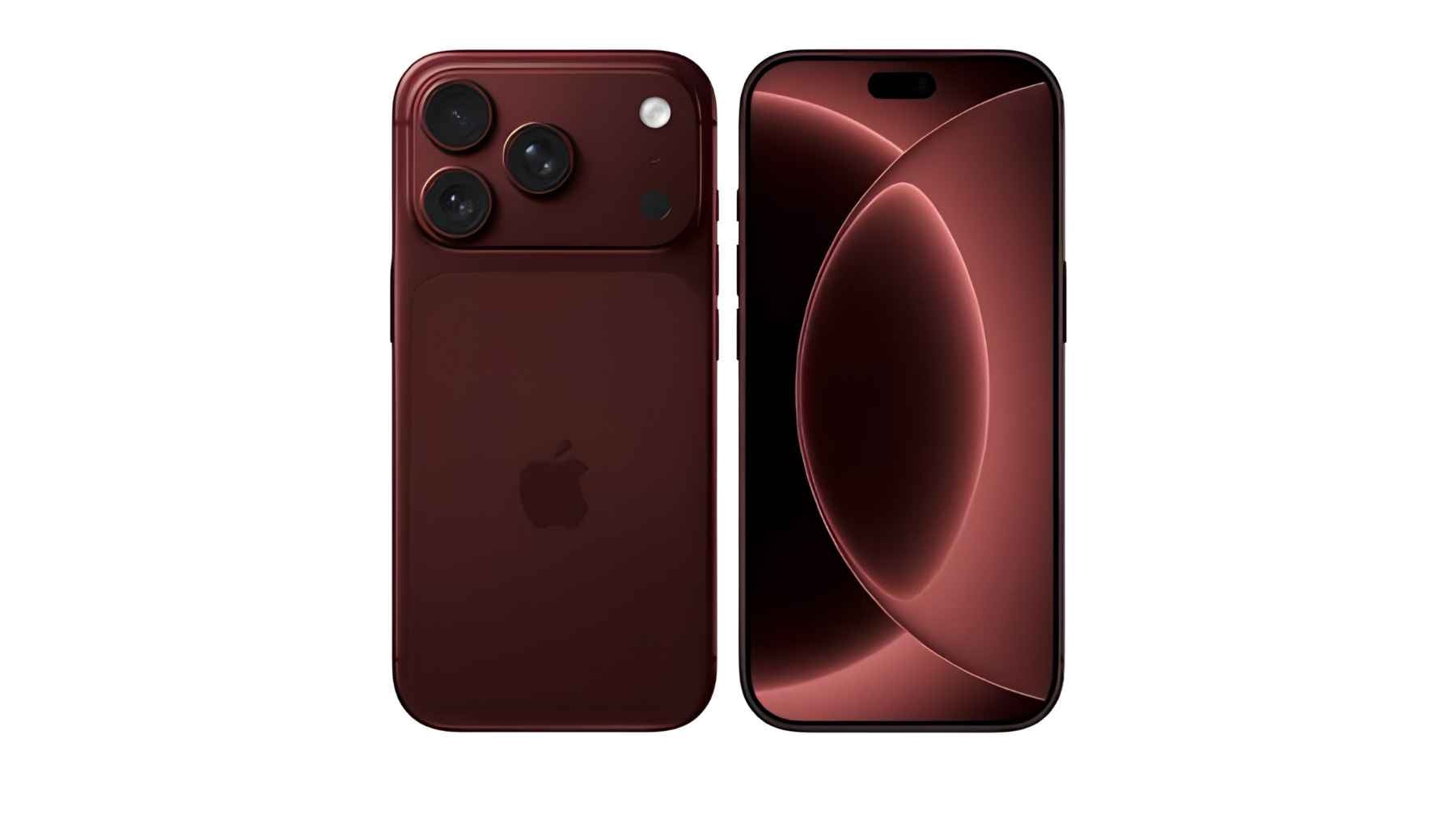
A deep wine-red iPhone is an easy image to sell. Recent mockups have pushed a supposed Dark Cherry iPhone 18 Pro Max across social media, alongside claims of a 2-nanometer A20 Pro chip, a smaller Dynamic Island, and a variable-aperture camera.
One problem matters more. Apple has not presented the iPhone 18 Pro Max, and the leaked color lineup is already changing from one report to the next. The color may be the hook, but the more meaningful story is the hardware Apple is rumored to be preparing.
Apple has not announced it
As of Aug. 9, 2026, Apple’s latest official Pro phone announcement remains the iPhone 17 Pro and iPhone 17 Pro Max, unveiled on Sept. 9, 2025. Apple lists those models in cosmic orange, deep blue, and silver, with the A19 Pro chip inside.
That makes any claim that the iPhone 18 Pro Max has already been “presented” inaccurate. Industry watchers expect the next Pro models in September 2026, but the timing, specifications, prices, and final product names remain unconfirmed until Apple speaks publicly.
Dark Cherry leads the rumor cycle
The most eye-catching leak came from dummy units showing Dark Cherry, black or dark gray, silver, and light blue finishes. The red shade has been described as closer to burgundy or wine than the bright red used on some past Apple products.
It would be a smart marketing move. A distinctive finish gives buyers an instant visual reason to recognize a new generation, especially when the overall shape is expected to stay close to the iPhone 17 Pro design.
Still, dummy units are not retail phones. Accessory makers often use them to prepare cases before launch, and their colors, textures, camera details, and materials can differ from Apple’s finished hardware.
The color count keeps changing
A later report said Apple may release only three finishes, Dark Cherry, light blue, and silver-gray. Under that version of the leak, the rumored black or dark gray model would disappear before launch.
So, are four new colors coming? Nobody outside Apple can say with confidence. Dark Cherry, light blue, and silver appear repeatedly across the latest reports, but even that pattern does not amount to official confirmation.
This is a useful reminder of how phone leaks work. A physical-looking mockup feels more authoritative than a line of text, yet it can still represent an old prototype, an accessory supplier’s best guess, or a design Apple later abandoned.
The 2nm chip matters more
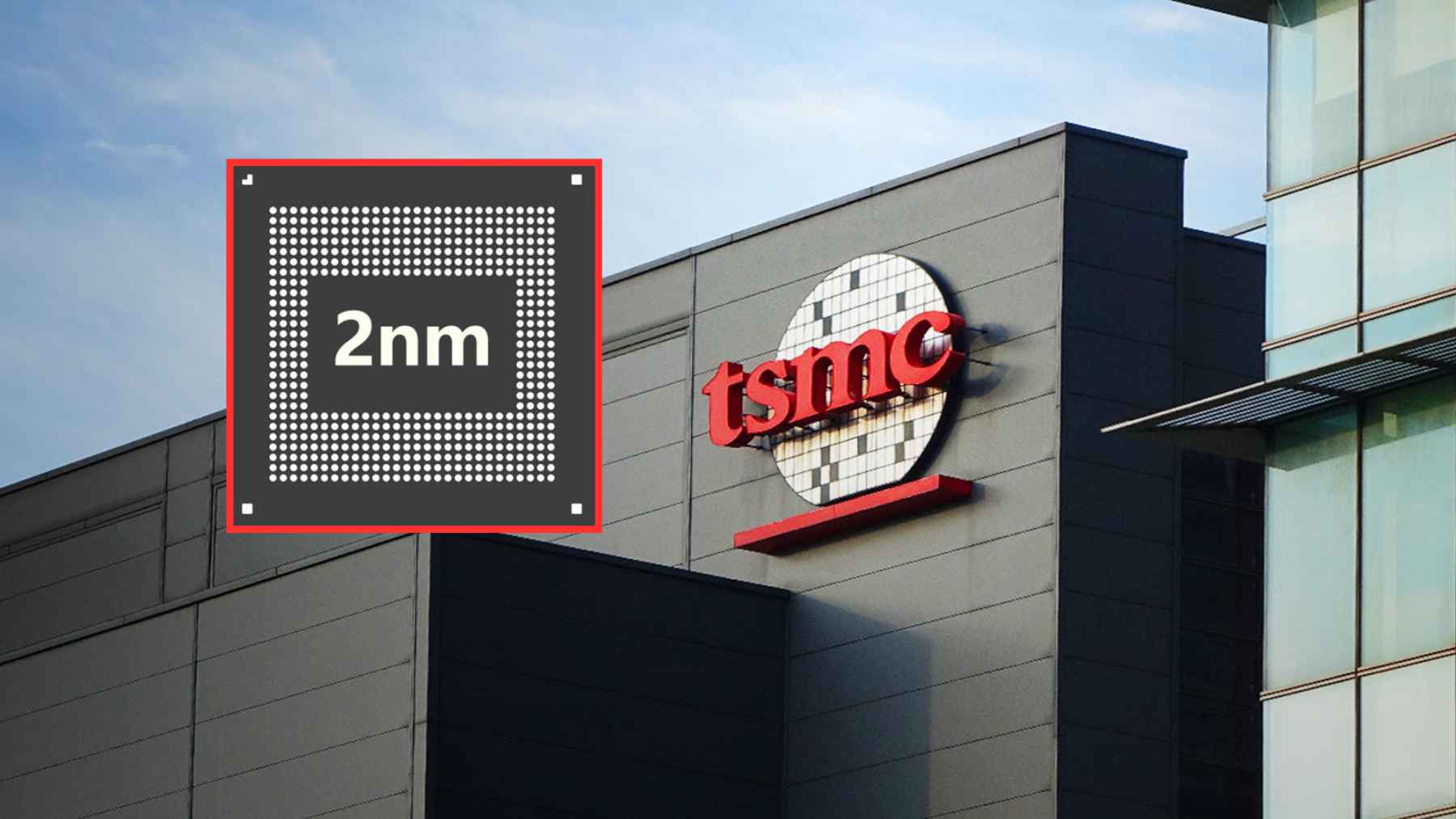
The stronger technical rumor is that the Pro models will use an A20 Pro processor manufactured with TSMC’s N2 process. TSMC has confirmed that its 2-nanometer technology entered volume production in the fourth quarter of 2025, although the company has not identified Apple or the iPhone 18 as a customer for that node.
TSMC has said N2 can provide a 10 to 15% speed improvement at the same power, or a 25 to 30% reduction in power use at the same speed, compared with its N3E process. Those are process-level targets, not a promise that an iPhone will become exactly 15% faster or last 30% longer.
In practical terms, Apple could spend those gains in several ways. It might pursue faster graphics, more on-device artificial intelligence, cooler sustained performance, longer battery life, or some combination of all four. That choice will matter far more in daily use than the shade of the back glass.
A variable aperture could reshape the camera
Supply chain analyst Ming-Chi Kuo has repeatedly said the iPhone 18 Pro wide camera will gain a variable aperture. In his original report, he wrote that the wide camera “will upgrade to variable aperture in 2026,” with specialized equipment needed for the aperture blades.
Unlike a fixed opening, this system uses moving components to control how much light reaches the sensor. A wider opening can help in dim scenes and create a shallower depth of field, while a narrower opening can preserve more of a bright scene in focus. Think of a portrait at dinner, then a sunlit landscape on vacation.
But this should not be sold as a guaranteed DSLR replacement. Smartphone sensors and lenses remain small, and Apple’s image processing will still have a major influence on the final photo. The upgrade could offer more creative control, though its value will depend on the available aperture settings and how much manual control Apple gives users.
Efficiency is not the whole green story
A more efficient processor sounds environmentally positive, but lower chip power alone does not make a phone sustainable. Manufacturing emissions, recycled materials, repairability, software support, battery longevity, and how often owners replace their devices all shape the larger footprint.

Apple says the current iPhone 17 Pro models contain 30% recycled material and are manufactured with 40% renewable electricity across the supply chain. No comparable environmental figures exist for the unannounced iPhone 18 Pro Max, so any green claims would be premature.
That distinction matters. Better efficiency may extend battery life and reduce energy used for a given task, but the best environmental outcome often comes from keeping a capable phone longer rather than replacing it for a new finish.
What should buyers keep in mind?
For now, Dark Cherry looks plausible, while the four-color lineup remains shaky. The A20 Pro and variable-aperture camera have broader supply chain support, but they remain rumors until Apple publishes specifications and demonstrates the finished device.
Anyone considering an upgrade should treat leaked images as a preview, not a purchase guide. Wait for Apple’s camera samples, battery claims, repair information, pricing, and environmental report before deciding whether the changes are meaningful.
The safest conclusion is simple. TSMC’s 2-nanometer manufacturing is real, while Apple’s use of it in the iPhone 18 Pro Max is still unconfirmed.
The official statement on N2 production was published by TSMC.