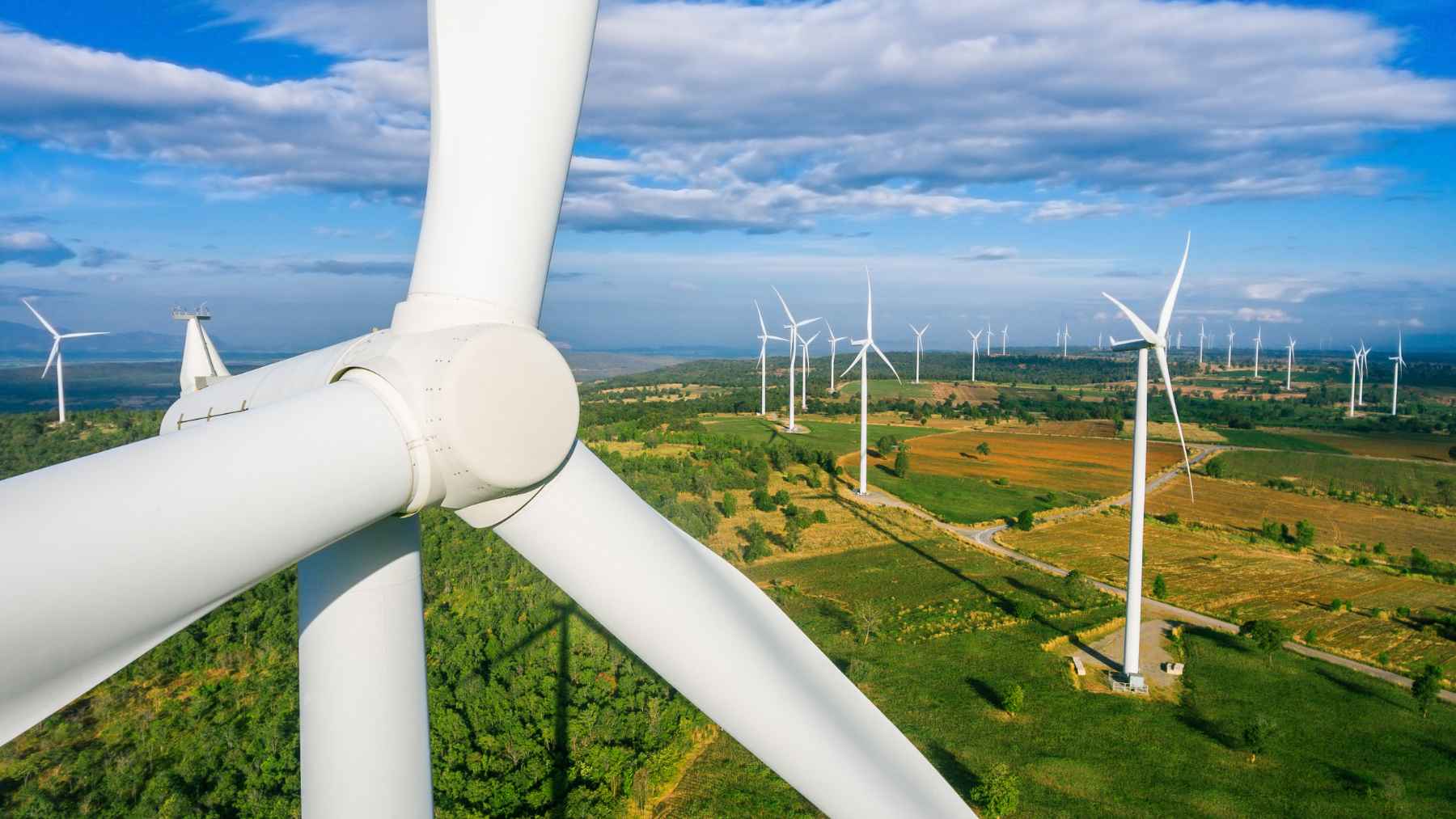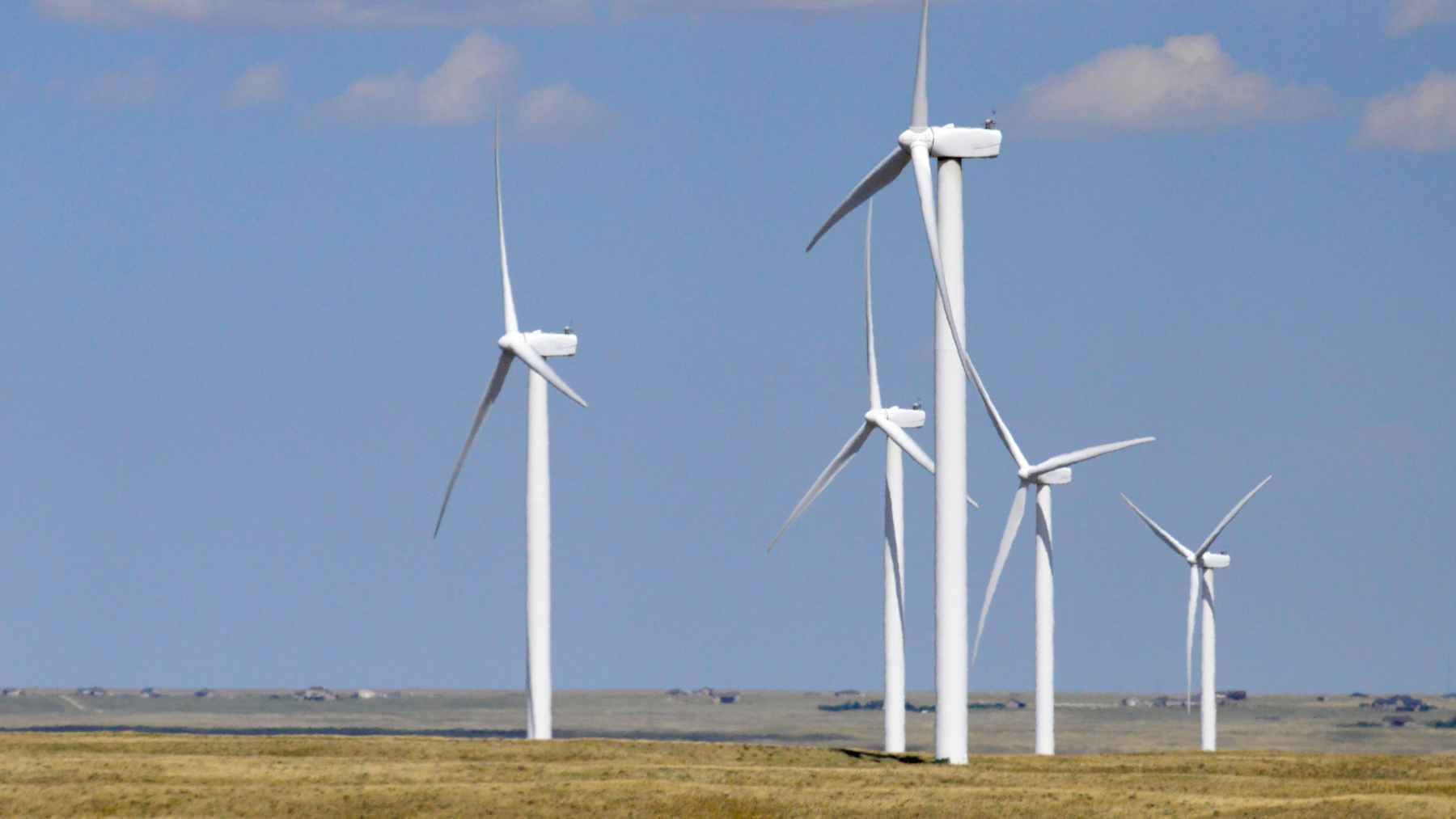
Europe faces an energy paradox. The continent is producing so much renewable electricity at certain moments that some wind and solar farms are deliberately switching off, even while governments are trying to reduce their reliance on fossil fuels.
Across most of Europe, this kind of commercial curtailment actually fell during the first half of 2026. Germany went the other way. Its renewable operators curtailed significantly more power despite the country recording fewer hours of negative electricity prices, highlighting how market rules can sometimes make clean electricity less attractive precisely when there is plenty of it.
Europe has more clean power
Renewables generated 45.5% of EU electricity during the first quarter of 2026, up from 42.7% a year earlier, according to Eurostat. Wind supplied 44.9% of renewable electricity, hydropower 28% and solar 17.3%.
That is a major amount of clean electricity. But solar panels and wind turbines do not wait for people to turn on their washing machines or charge an electric car. They generate when the sun shines and the wind blows, which can leave the grid with more electricity than consumers need.
When supply overwhelms demand, wholesale electricity prices can fall below zero. In practical terms, producers may have to pay to keep feeding electricity into the market, giving operators a reason to temporarily reduce output.
Germany is the big exception
Energy market intelligence company Montel found that commercial renewable curtailment declined across most of the countries it studied during the first half of 2026. Germany stood out.
German commercial curtailment climbed 20% from 1,216 gigawatt-hours to 1,463 gigawatt-hours. At the same time, the number of negative-price hours dropped from 389 to 299, a decline of 23%.
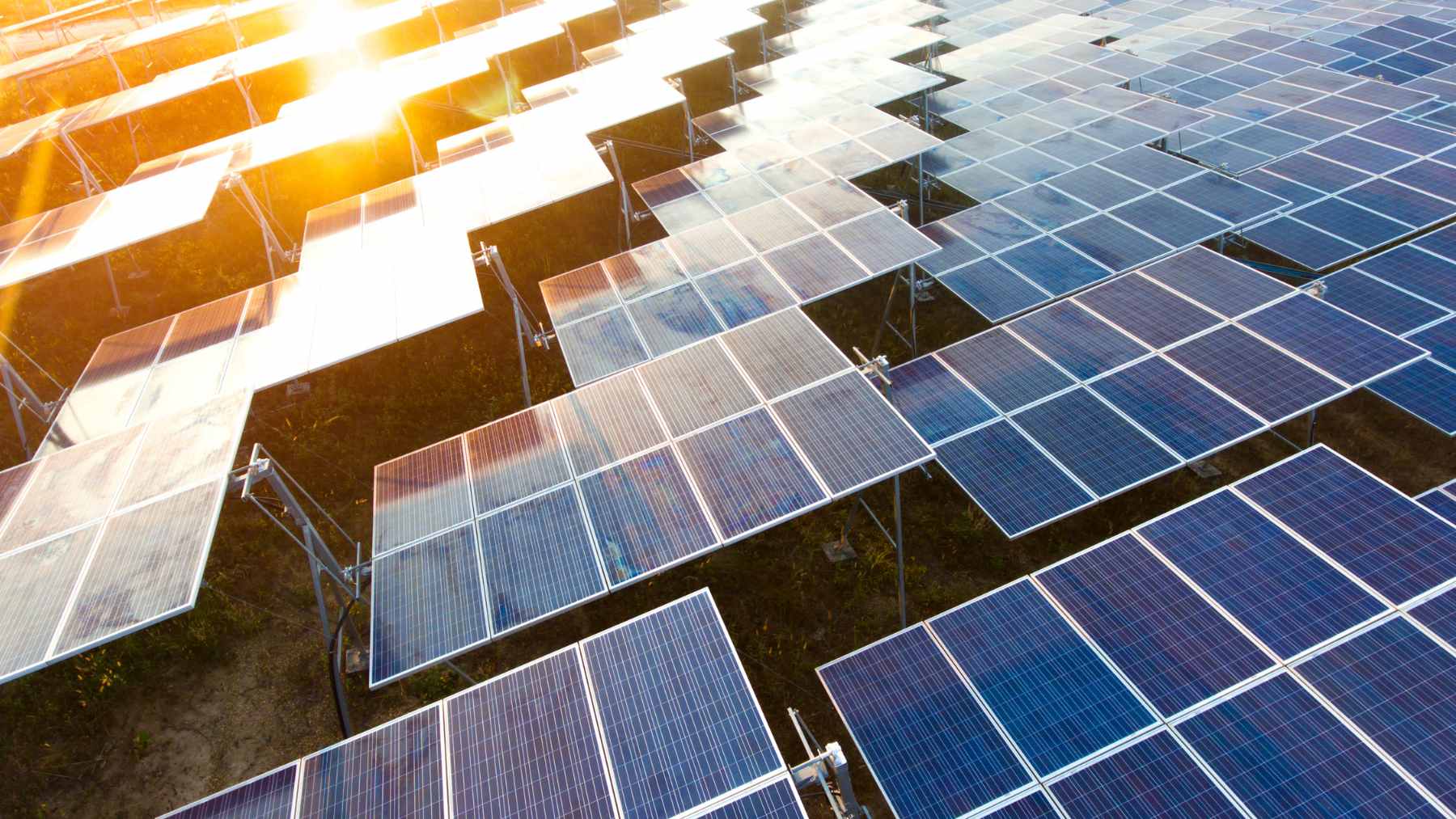
That combination matters. Fewer periods of negative prices would normally suggest less reason to switch off renewable generation. Instead, Germany curtailed more electricity during those periods.
Montel now forecasts German commercial green-energy curtailment could reach a record 2 terawatt-hours for the full year, about 10% above 2025.
Germany changed the incentive
Part of the explanation lies in Germany’s Solar Peak Act, known locally as the Solarspitzengesetz. Since February 2025, newly commissioned renewable installations can lose support payments when wholesale electricity prices become negative.
“Newly commissioned renewable assets lose support payments immediately whenever wholesale electricity prices turn negative, while continuing to receive full remuneration when prices remain at exactly zero,” report author Jean-Paul Harreman explained.
The result is a sharper financial signal. Instead of continuing to generate electricity at a loss, an operator may have a stronger incentive to shut down temporarily.
Germany’s move to quarter-hourly day-ahead electricity auctions has also increased the number of short periods in which prices can dip below zero, according to the analysis.
France and Finland went the other way
France offers an interesting contrast. Commercial curtailment dropped 32% even though the number of negative-price hours increased by 14%. French subsidy rules encouraged generators to keep producing rather than switch off, while a late-June heat wave boosted electricity demand for cooling and helped absorb midday surpluses.
Finland recorded an even more dramatic change. Commercial curtailment plunged 89%, while negative-price hours fell from 337 to only 40.
The weather played a big role there. A Nordic hydrological deficit pushed wholesale prices higher as Norwegian snowpack approached a 20-year low and reservoirs remained well below normal levels. The Netherlands, Belgium, Switzerland, and Poland also recorded declines in commercial curtailment.
Batteries could keep the power
Switching off a solar farm on a bright afternoon may sound absurd. Why not simply save that electricity for later?
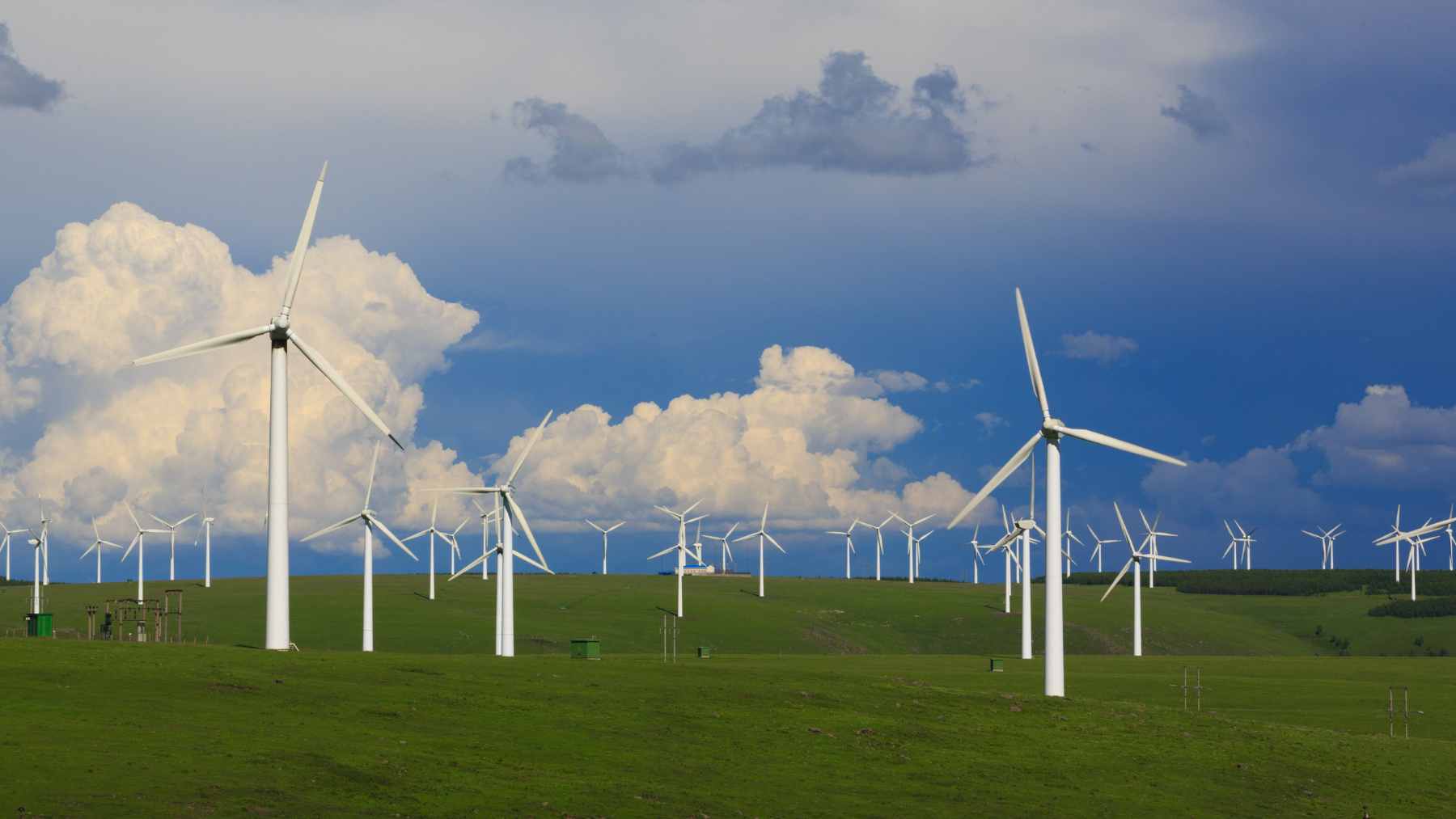
That is exactly why batteries are becoming increasingly important. Instead of dumping excess electricity onto the grid when demand is weak, storage systems can charge during periods of abundant renewable generation and release power later when electricity is more valuable.
Commercial and industrial battery storage in Europe is expected to roughly triple from 9 gigawatt-hours in 2026 to 24 gigawatt-hours in 2028, according to figures cited in the Montel analysis. Harreman argues that Germany, in particular, demonstrates the need for more storage, demand response, and other flexible technologies.
The economy is moving in the same direction. IRENA reported in 2026 that solar and wind paired with storage can already deliver round-the-clock electricity at costs competitive with new fossil-fuel generation in favorable locations. The organization expects those firm renewable power costs to fall further through 2030 and 2035.
Homes can become part of the grid
Huge battery projects are not the only answer. Smart meters and flexible electricity tariffs can encourage households to move consumption toward periods when renewable electricity is plentiful.
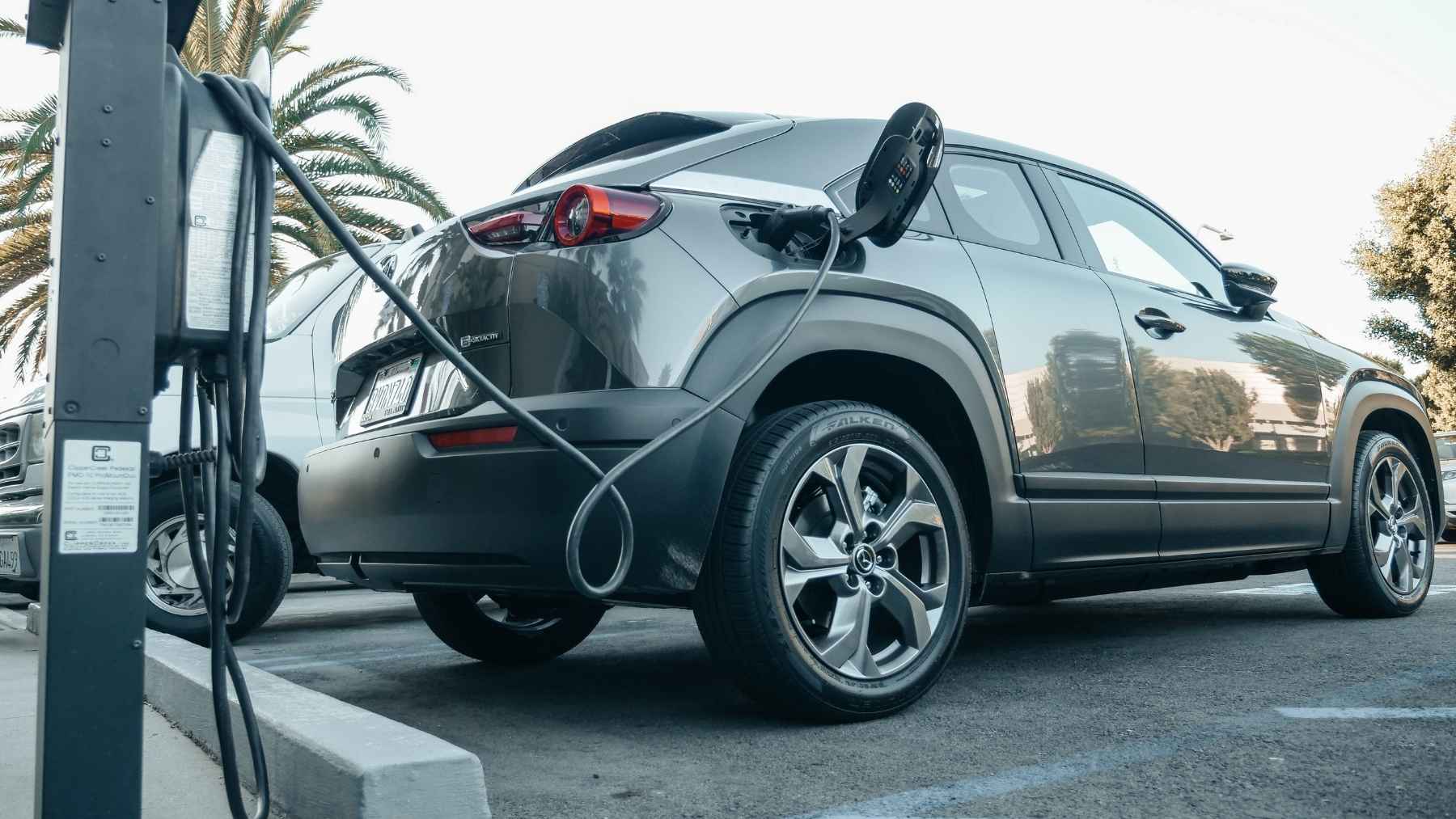
That could mean running a washing machine in the middle of a sunny afternoon instead of during the evening peak, or charging an electric vehicle when wind output is particularly high. Multiply those small decisions across millions of homes and demand begins to follow renewable production more closely.
This is the larger lesson from Germany’s unusual numbers. Building more wind turbines and solar panels is only one part of the energy transition. Europe also needs markets, storage and electricity demand that can react when those technologies suddenly produce more power than the grid needs.
The latest official EU electricity-generation figures were published by Eurostat.