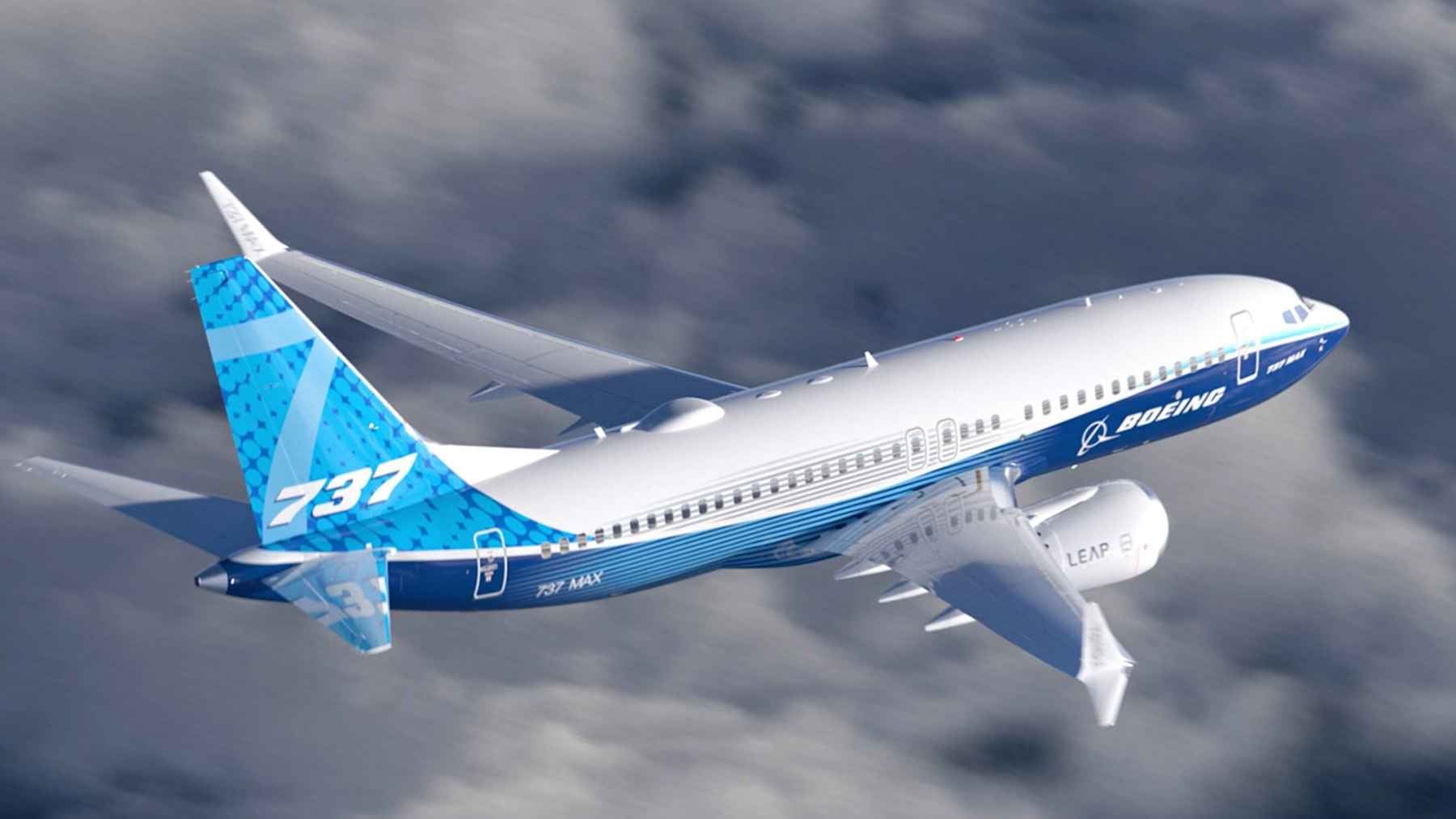
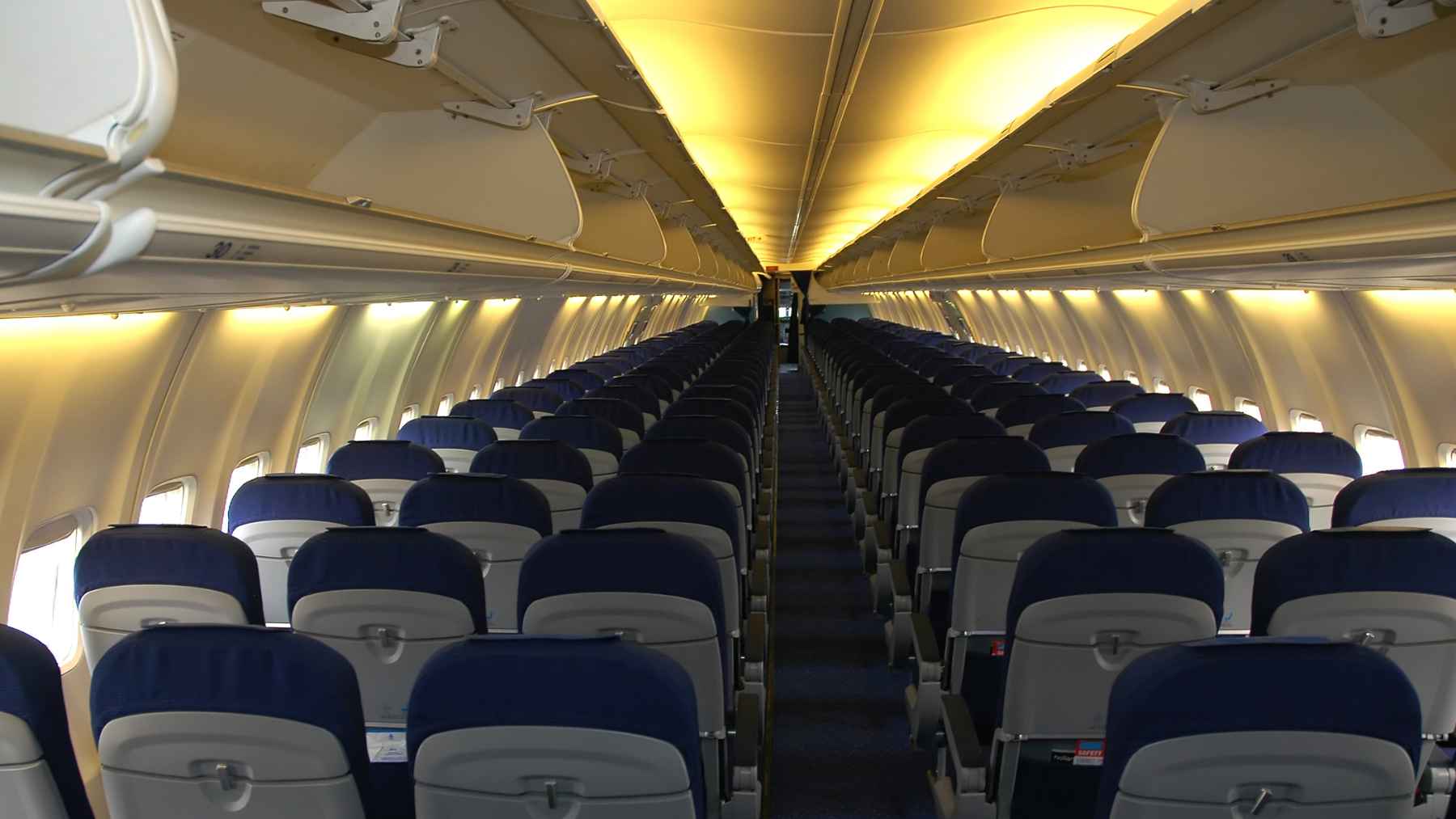
The Federal Aviation Administration is proposing mandatory inspections of passenger-seat mountings on 453 U.S.-registered Boeing 737 MAX aircraft after a report that some assemblies were not locked correctly into the floor tracks.
The agency warns that an improperly installed assembly could disengage during severe turbulence or an emergency landing, injure passengers or crew, and block the aisle when seconds matter.
That sounds alarming, but precision matters. The notice does not say every seat on every listed jet is loose, and the proposal does not ground the fleet. It says certain airplanes may contain affected assemblies and should undergo detailed checks under a proposed airworthiness directive.
What the FAA found
At the center of the problem is a small but critical locking component. The FAA said the aft fitting shear plungers on certain seat assemblies were not correctly lowered and engaged in the tracks, meaning the rear attachment may not have been secured as intended.
The fitting is supposed to help keep the seat frame anchored to the cabin floor. The concern is not a shaky armrest or a cosmetic cabin flaw. It is whether the assembly remains restrained when the airplane experiences a sudden, much heavier load.
Why the fault matters
During normal flight, passengers may never notice an installation error beneath them. In severe turbulence or an emergency landing, though, loads can rise sharply, and the FAA says an incorrectly installed assembly could separate from the track. It could then injure occupants or shift into the aisle and slow an evacuation.
That is why regulators are treating the issue as an airworthiness matter rather than routine cabin maintenance. FAA airworthiness directives become legally enforceable regulations once finalized, and they are used to correct unsafe conditions in aircraft and related products.
A large but manageable inspection
The proposal covers certain 737-8, 737-9, and 737-8200 airplanes identified in a Boeing requirements bulletin dated Dec. 10, 2025. Cabin layouts vary, but the FAA estimates there could be as many as 69 track-mounted passenger-seat assemblies on each aircraft.
At the maximum, that creates a ceiling of 31,257 assemblies across the 453-aircraft group. The FAA estimates one labor hour and $85 to inspect each assembly, with no parts required, for a potential U.S. fleet cost of $2,656,845. Any needed reinstallation would add up to one more labor hour and another $85 per affected assembly.
Those figures sound like weeks of work for a single airplane, but they describe labor time rather than necessarily measuring how long the jet would remain unavailable. Multiple technicians can work at once, allowing an airline to divide the cabin among inspection teams and reduce the aircraft’s total downtime.
What happens next
The FAA is accepting public comments through Sept. 10, 2026. Until the agency reviews the record and issues a final rule, the document remains a proposal rather than an active, legally enforceable directive.
Boeing told Reuters that it issued guidance to operators in December 2025 and said, “We support the FAA making that guidance mandatory.” The manufacturer also told the FAA that warranty coverage may absorb some or all of the inspection and correction costs.
The FAA’s cost estimate counts only aircraft on the U.S. registry. Other national regulators could take comparable action for airplanes under their authority, but the proposal does not estimate how many international jets may fall within Boeing’s affected group.
A wider quality-control test
The timing puts the inspection under a brighter spotlight. On July 17, the FAA said Boeing could resume issuing airworthiness certificates for all newly produced 737 MAX and 787 airplanes after months of review, while stressing that federal inspections, audits, and production monitoring would continue.
This seat issue is separate from the January 2024 Alaska Airlines 737-9 door-plug separation, and the FAA notice does not link the two. Still, the NTSB later found that inadequate training, guidance, and oversight at Boeing led to that event, so another basic installation concern will naturally test whether the company’s quality controls are improving in day-to-day production.
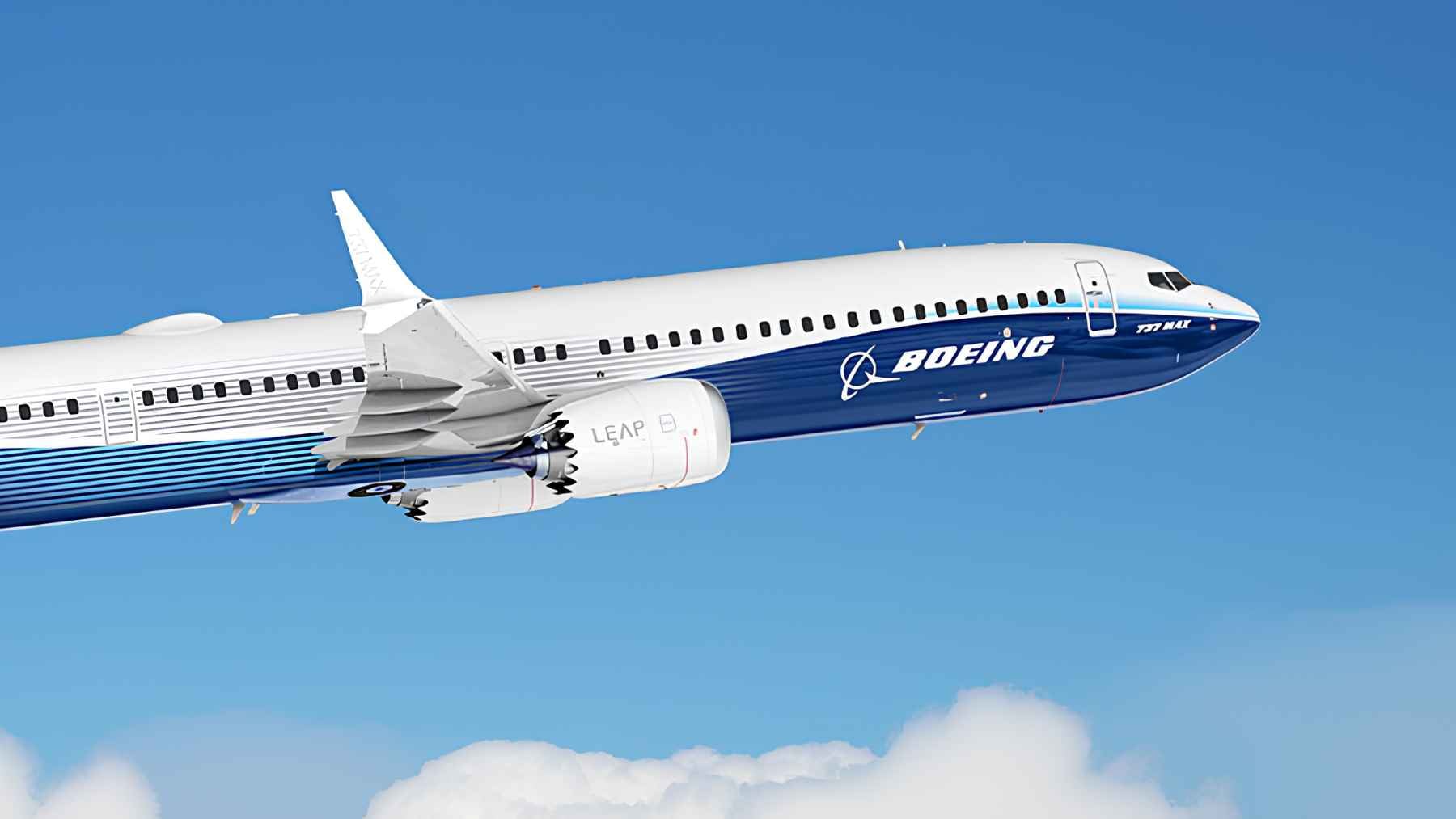
That is the bigger business and safety question. A modern jet can have advanced engines, software, and materials, but public trust can still hinge on whether a simple mechanical lock was fully engaged and properly checked.
What passengers should know
The FAA notice does not report that this seat-track issue has caused an injury, nor does it call for an immediate grounding. It seeks inspections because the agency believes the unsafe condition is likely to exist or develop on other airplanes of the same design.
Passengers also cannot determine whether a particular aircraft is affected by seeing “737 MAX” on a booking or safety card. Applicability depends on the specific models and airplanes listed in Boeing’s technical bulletin, while operators would be responsible for completing the required work if the proposal becomes final.
For travelers, the sensible takeaway is neither panic nor dismissal. The procedure appears straightforward to inspect and correct, but the potential consequences during a high-load event are serious enough that verification matters.
The proposed rule appears in the Federal Register.