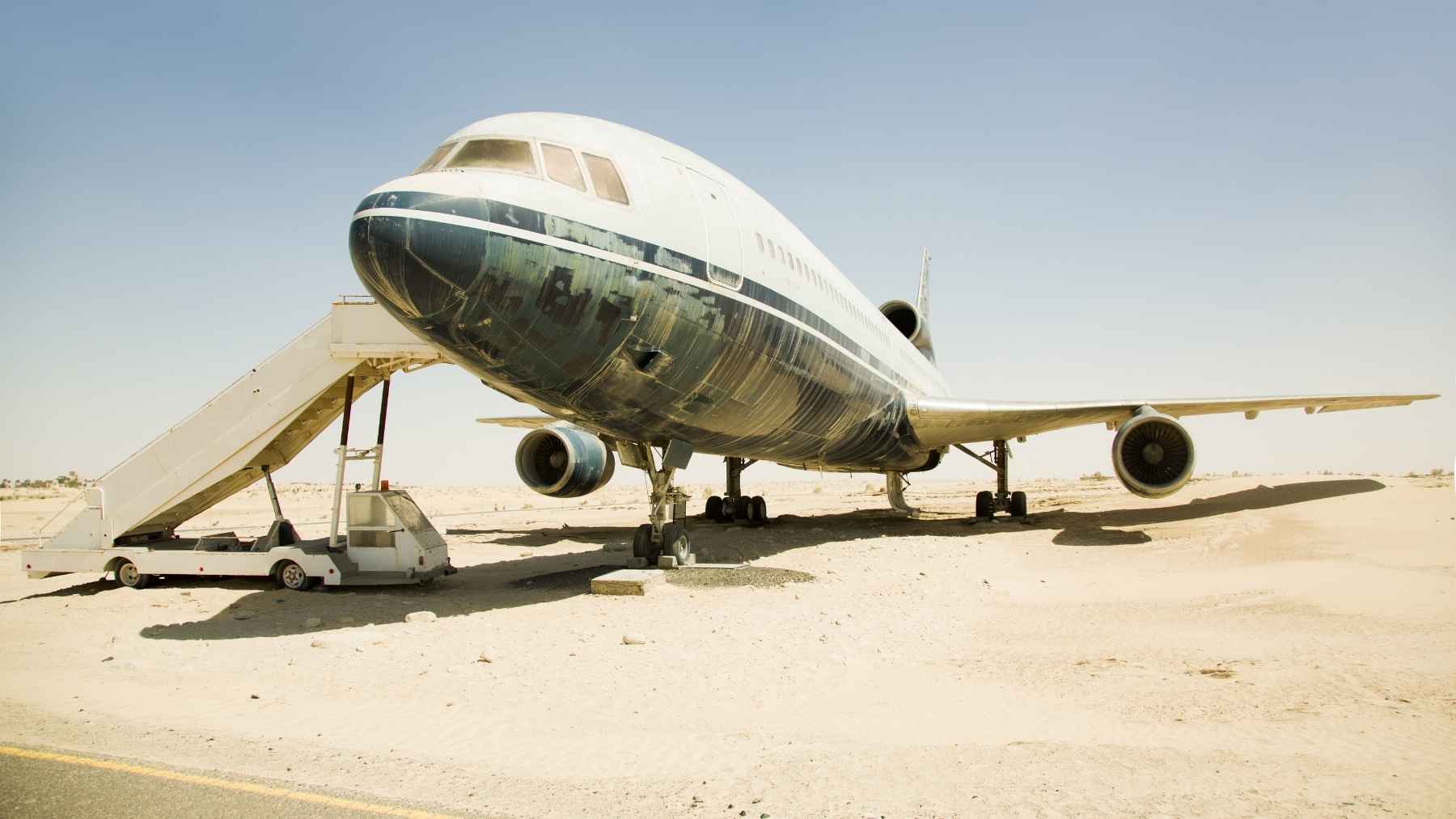
From a distance, rows of retired airliners baking in the desert can look like aviation’s final stop. In reality, many of those aircraft are carefully preserved in warehouses filled with engines, landing gear, avionics, wiring, and other parts that may still have years of useful life.
That stockpile matters more in 2026 because airlines are waiting longer for new aircraft, engines, and replacement components. IATA says supply chain failures cost carriers at least $11 billion in 2025, while Airbus expects 19,820 of the 42,060 aircraft delivered through 2045 to replace older airplanes.
The boneyard is moving from the edge of aviation to the center of its cost, resilience, and environmental strategy.
Why do jets wait in the desert?
An EASA-commissioned study found that more than 15,000 commercial aircraft were retired worldwide between 1980 and 2017. Before COVID, about 700 left service each year at an average age of 27, while an industry estimate cited in the study projected 12,000 additional retirements over the following two decades.
Retirement does not always mean immediate dismantling. Owners may wait to see whether an aircraft can return to service, be sold, or become a donor, and planes that did not return to service remained parked for about two years on average before being dismantled in the pre-pandemic market.
Why the desert? The U.S. Air Force says Tucson’s dry climate helps prevent corrosion, while hard caliche soil can support heavy aircraft without paving the entire storage area. That buys owners time to make an expensive decision.
The most valuable parts leave first
Engines are usually the prize. EASA estimates they can generate about 80% of a retired aircraft’s value when maintenance records are complete, followed by landing gear, auxiliary power units, generators, and avionics.
Boeing says one dismantled airplane can yield up to 6,000 recertified parts. Its definition of USM (used serviceable material) matters because these are not random scraps, but previously installed components that have been inspected, tested, and found eligible for reinstallation.
For electronics, the opportunity includes avionics boxes, connectors, wiring, and circuit boards. Reusing a certified component keeps far more of its engineering value intact than crushing it for a small amount of metal. That is the real circular-economy win.
A supply chain hiding in plain sight
IATA said in June 2026 that the order backlog had topped 18,000 aircraft, the average fleet age had reached 15.2 years, and airlines were short more than 5,000 efficient replacement aircraft they had expected. It also pointed to engine durability issues, spare-parts shortages, and limited maintenance capacity.
That makes retired fleets a pressure valve. Used parts can shorten waits and keep mature aircraft flying, but timing matters: dismantling a jet too early can remove a still-useful airplane from an already tight market. In practical terms, owners are weighing the value of the whole aircraft against the combined value of its parts.
Military boneyards already prove the model
The U.S. Air Force has run this model at scale for decades. AMARG in Tucson stores about 3,200 aircraft and 6,100 engines across 2,600 acres, and it reclaims roughly 5,000 to 6,000 parts each year for operational fleets and supply systems.
The Air Force calls each designated donor aircraft an “airplane-shaped” parts warehouse. Civil aviation works under different ownership and certification rules, but the lesson is the same. An idle aircraft can be a strategic reserve rather than dead inventory.
Recycling comes after reuse
Once serviceable components are removed, the airframe becomes a materials project. Boeing reports material recovery rates of up to 90% for metallic airframes, while EASA says many common older narrow-body aircraft send large shares of their weight to reuse and recycling.
Aluminum is especially valuable environmentally. The EASA study says recycled aluminum can require about 95% less primary energy than aluminum made from virgin resources, reducing both emissions and raw-material demand.
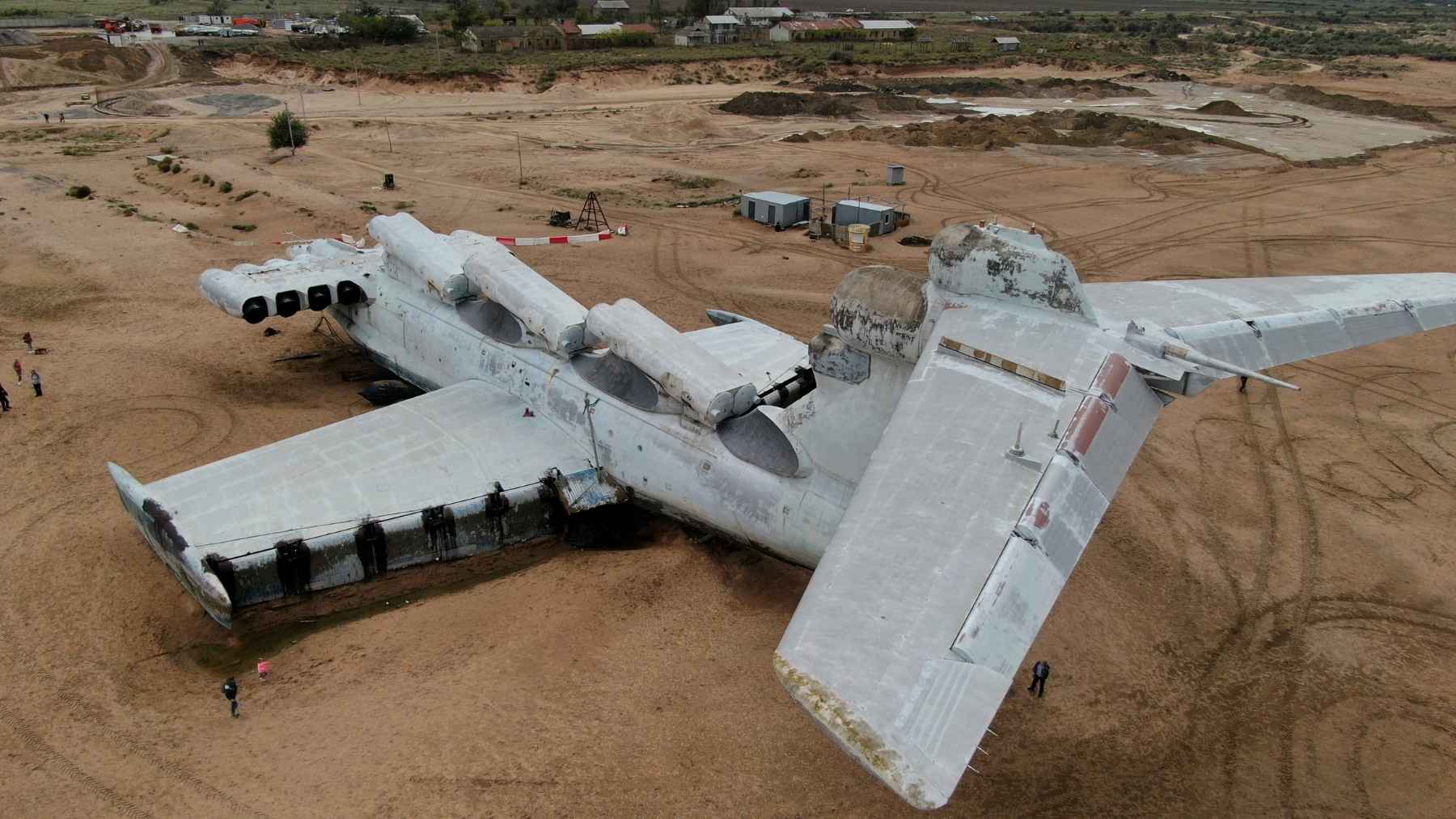
But the next generation is harder. Newer airframes contain more composite material, and EASA warns that recycling composites can be less economically viable than recycling metals. The boneyard’s easiest wins may therefore come from today’s metal-heavy fleets, while future dismantlers need better composite technologies.
The paperwork is part of the product
A part is only as valuable as the records behind it. EASA says reused components must meet applicable airworthiness standards, while FAA and EASA systems rely on approved organizations and release documentation before parts return to service.
AFRA tightened its Best Management Practices in 2026, adding stronger traceability, electrostatic-discharge guidance for sensitive components, subcontractor controls, and a standardized end-of-life certificate. Full compliance for accredited companies began July 1, turning documentation and careful handling into core parts of the recycling process.
The boneyard is no longer the end
The result is a new kind of resource bank. Engines and electronics can relieve shortages, recovered metals can reduce energy use, and owners can generate value from aircraft that would otherwise sit idle or be cut up with little planning.
But the industry will only capture that value if storage, testing, certification, and recycling happen in the right order. The desert is not just where airplanes go to die anymore.
The official statement was published on IATA.