Mexico posted a $9.86 billion merchandise trade surplus in the first half of 2026, almost seven times the $1.43 billion recorded a year earlier. INEGI reported $389.72 billion in exports, up 24.6%, while imports reached $379.87 billion, up 22%. Mexico is not buying less abroad. It is that exports, led by manufacturing, grew even faster.
President Claudia Sheinbaum called it the strongest first-half trade balance since 1991. She says tariff and enforcement measures are reducing some imports that add little or no Mexican value, while surging U.S. demand for electronics used in data centers and artificial intelligence is pulling more production into Mexico.
That creates a powerful business opportunity, but also a new environmental test involving factories, electricity, metals, and eventually electronic waste.
The record behind the headline
June delivered a $4.09 billion surplus, with exports reaching $72.55 billion and rising 34.4% from a year earlier. Imports totaled $68.46 billion, an annual increase of 28%. Importantly, the widely repeated “more than 30%” export jump applies to June, not the entire first half, when exports grew 24.6%.
The mix matters too. Manufactured goods accounted for 91.3% of Mexico’s exports during the six-month period, while non-automotive manufactured exports jumped 37.6% and automotive exports edged up just 1%. In other words, the latest surge looks very different from the traditional car-led story.
Electronics are doing the heavy lifting
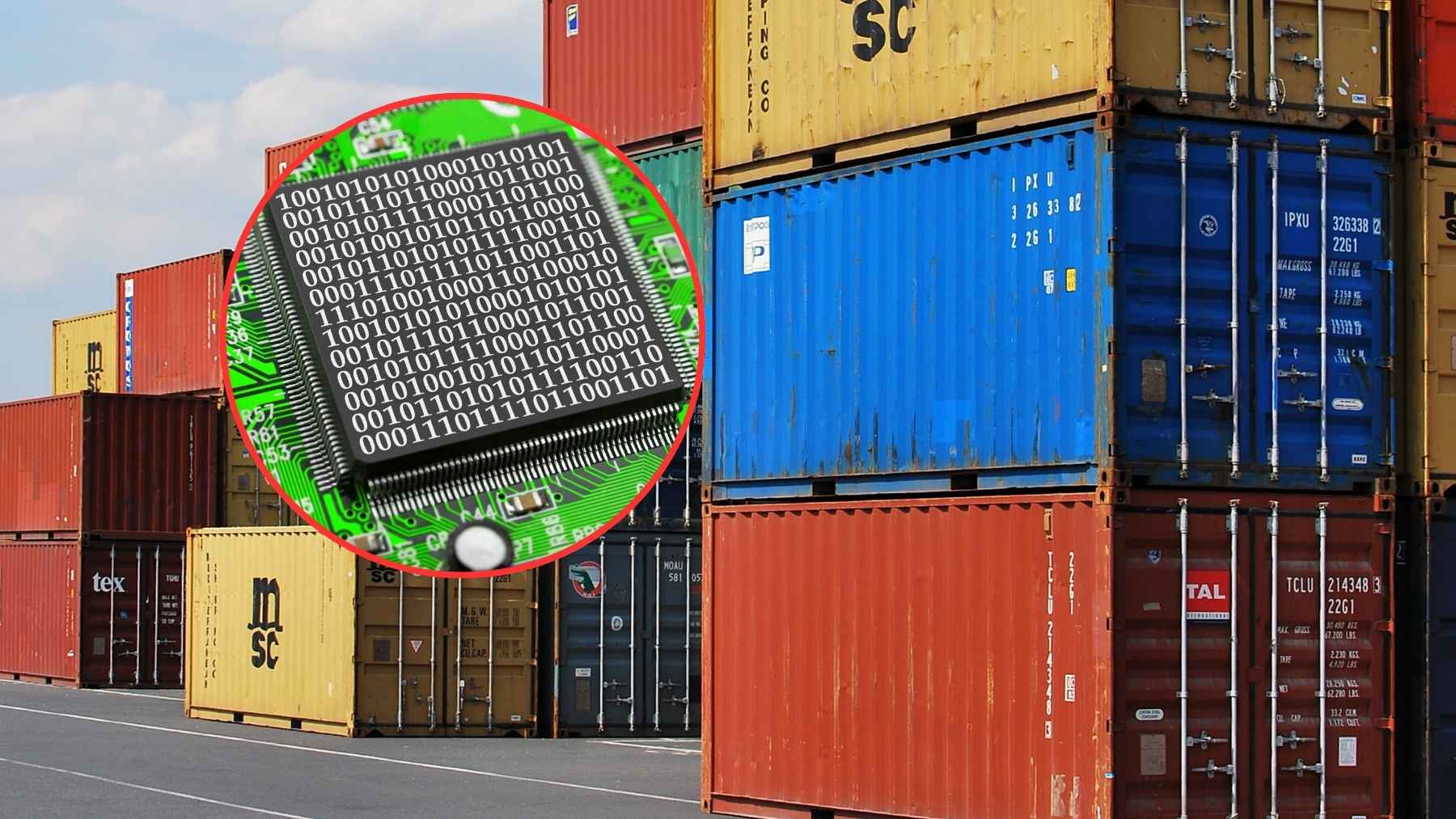
A separate INEGI report on state exports reinforces that picture. In the first quarter, exports of computer, communications, measurement, and other electronic equipment reached $50.08 billion, up 95.6% from a year earlier and equal to 31.7% of the exports covered by that report. It is a different statistical series from the monthly trade balance, but the direction is hard to miss.
Chihuahua generated 52% of those electronics exports, while Jalisco supplied another 27.4%. Sheinbaum tied the boom to U.S. construction of data centers and the development of AI, saying companies are choosing Mexico for part of their production.
The opportunity is also highly concentrated, since the United States absorbed 84.16% of Mexico’s non-oil exports in the first half.
Tariffs may be helping, but the data are mixed
Sheinbaum said “some imported goods are entering in smaller quantities” and argued that the measures are doing more than raising tax revenue. She described the target as merchandise entering Mexico without paying taxes and then leaving without Mexican value added.
That approach fits Plan Mexico’s broader goals of import substitution and stronger local supply chains.
Still, total imports rose 22% in the first half, while imports of intermediate goods climbed 26.7%. Mexican factories were clearly buying more foreign components even as the surplus widened. That means the aggregate trade balance does not prove tariffs caused the record, while the larger export surge offers a more direct explanation.
The green test is no longer optional
The International Energy Agency reported in 2026 that global data center electricity use is projected to rise from 485 terawatt-hours in 2025 to 950 terawatt-hours in 2030. Power consumption at AI-focused data centers is expected to triple over the same period.
Mexico may not host all those servers, but its factories are becoming part of the same buildout, and every device carries an energy and materials footprint.
Then there is the waste problem. The International Telecommunication Union says the world generated about 68.3 million U.S. tons of electronic waste in 2022, yet only 22.3% was formally collected and recycled in an environmentally sound way. By 2030, the total is projected to pass 90 million U.S. tons.
Plan Mexico already offers a useful checklist. Its official goals call for water reuse, clean energy with backup systems, solid waste management, and community impact measures, while also seeking a 15% increase in national content across strategic value chains that include electronics and semiconductors.
In practical terms, Mexico can pursue both goals at once by expanding local suppliers and demanding better environmental performance.
What businesses and policymakers should watch
The first question is whether exports can keep outrunning imports as the U.S. AI construction cycle evolves. Sheinbaum said Washington wants Mexico to buy more U.S. goods instead of products from other countries, while 84.16% of Mexico’s non-oil exports already head north. That leaves manufacturers exposed to both U.S. technology spending and trade policy.
The second question is how much value will stay in Mexico through design, engineering, components, repair, and recycling rather than assembly alone.
If clean power, water reuse, and material recovery expand alongside output, this surplus could mark a deeper industrial shift. If they do not, Mexico may win export revenue while inheriting more of the environmental cost.
For now, the $9.86 billion surplus is a strong industrial signal, but it is not proof that import dependence has disappeared or that tariffs alone delivered the result. The bigger achievement will be turning an AI-driven spike into a cleaner, more resilient electronics economy.
The official statement was published on Mexico’s Presidency website.