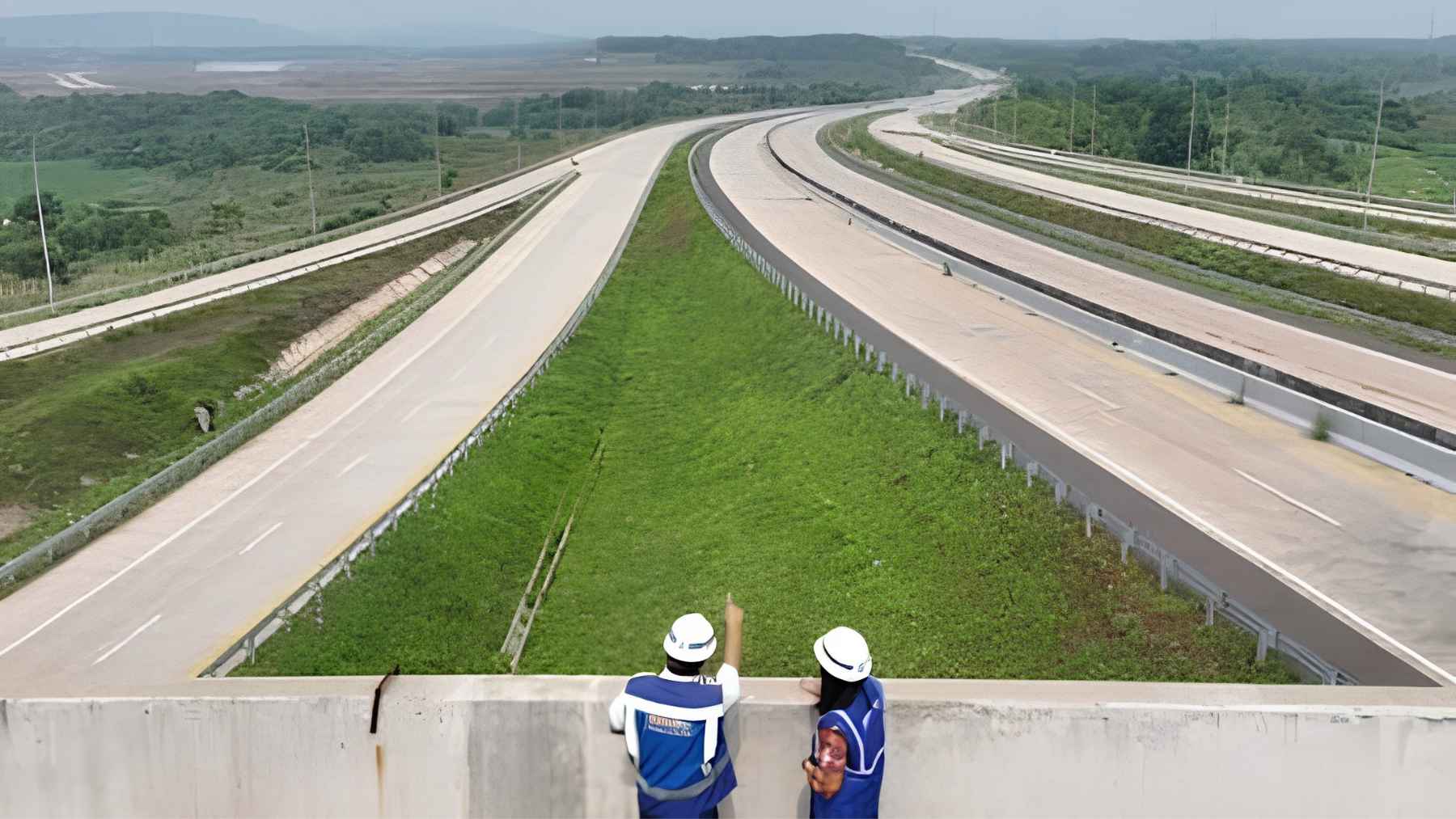
Indonesia is preparing two toll roads on Java to double as emergency landing strips for military aircraft, expanding a defense concept tested for the first time earlier this year. The selected corridors are the Jakarta-Cikampek II South Toll Road in West Java and the Probolinggo-Banyuwangi Toll Road near Situbondo in East Java.
The announcement sounds like a military story, but it is also about how governments spend money, use land, and design infrastructure for an uncertain future. A highway that can carry commuters one day and support an emergency air operation the next may deliver more value from the same footprint. Still, the environmental and civilian benefits are not automatic.
Two Java corridors are next
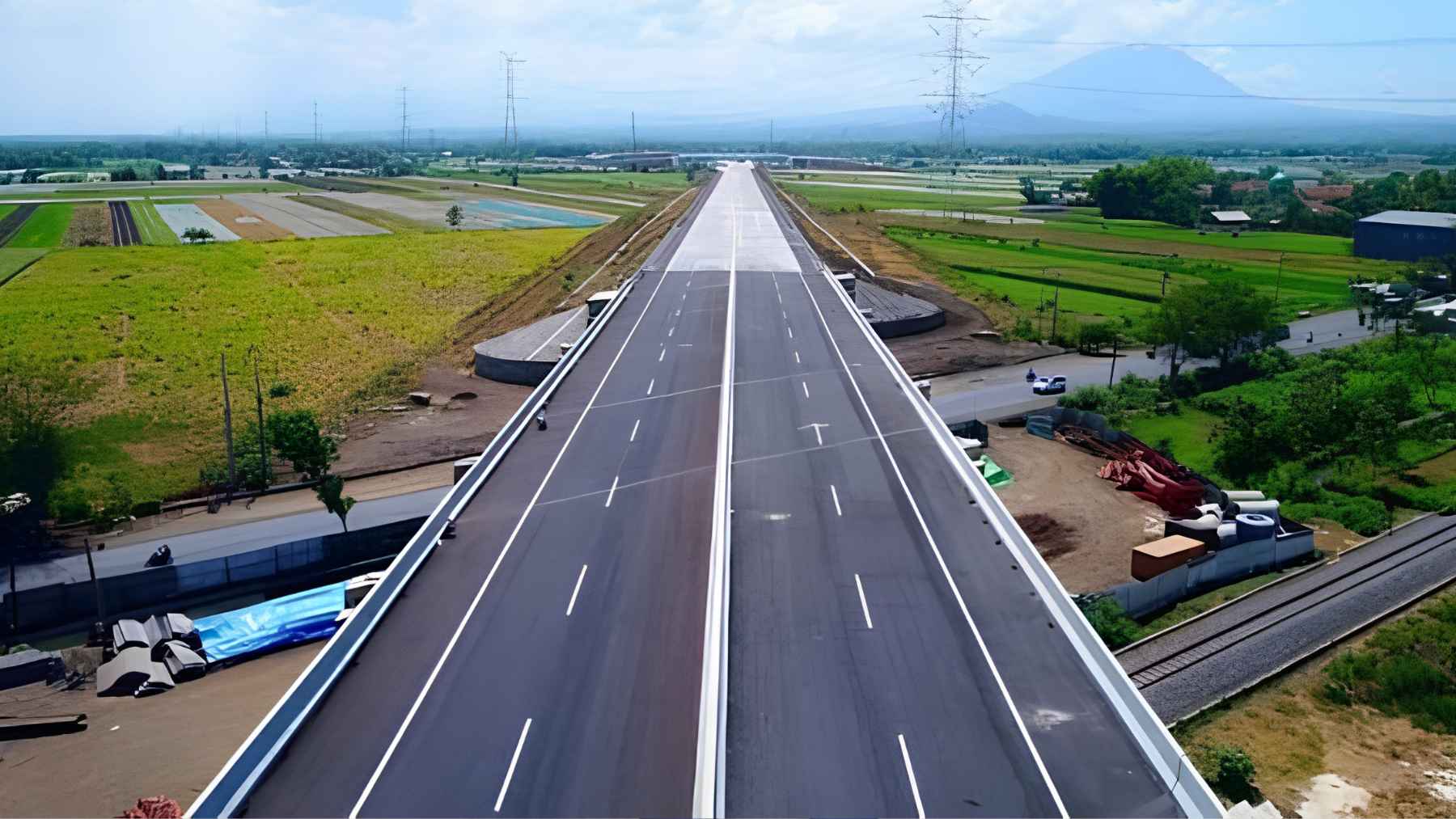
Indonesia’s Ministry of Public Works says the planned emergency strip on Jakarta-Cikampek II South will be extended from about 1.7 miles to roughly 2.2 miles. On the Probolinggo-Banyuwangi route, officials are preparing a runway section between about 1.9 and 2.2 miles long.
Public Works Minister Dody Hanggodo said these roads are being developed for “dual use,” meaning they remain toll roads in normal conditions and become military landing areas only during an emergency. The ministry’s latest statement now identifies four corridors nationwide, including Banda Aceh-Sigli and the Terpeka Toll Road on Sumatra.
The Terpeka test changed the plan
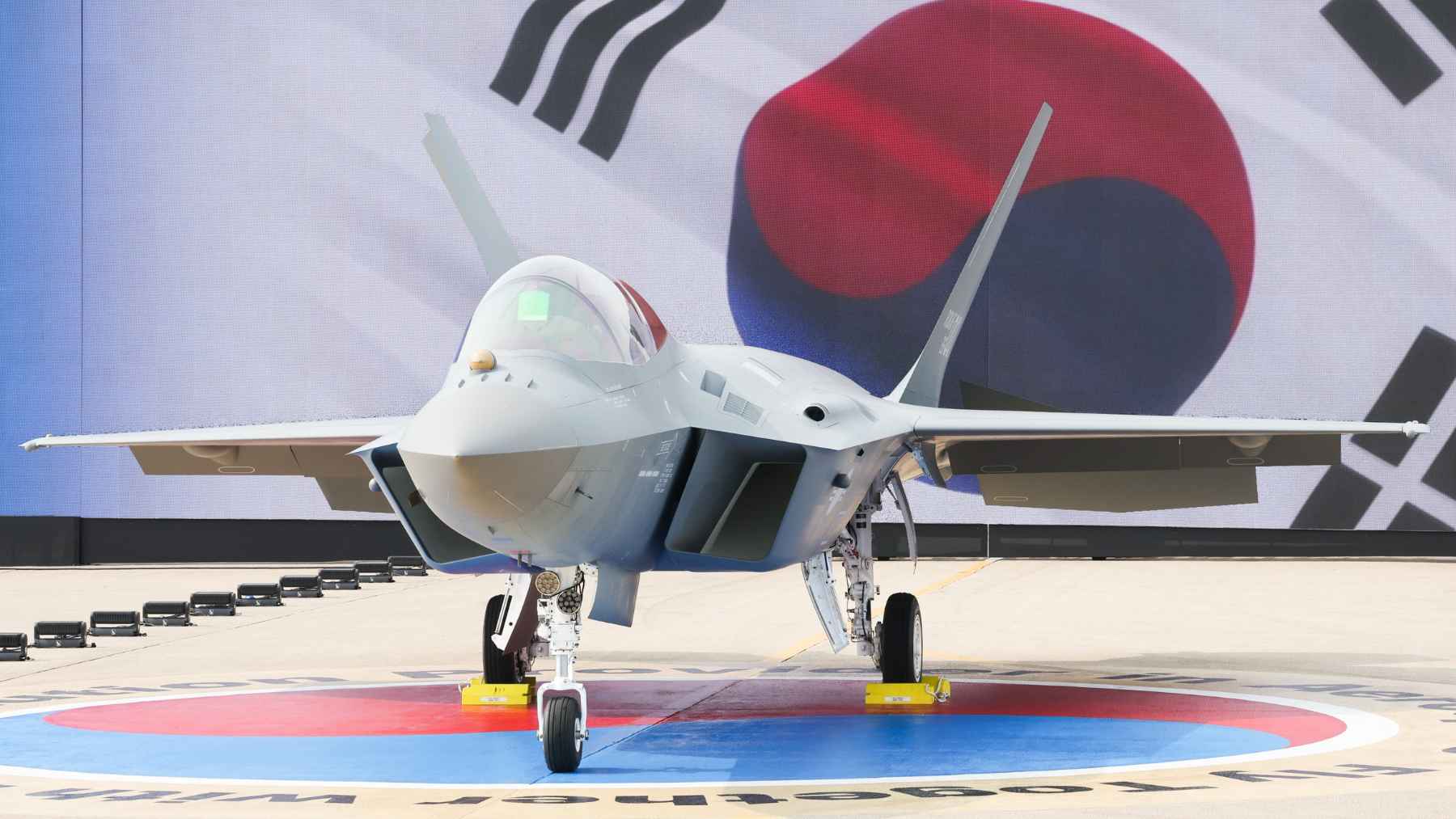
On Feb. 11, 2026, an Indonesian Air Force F-16 and an EMB-314 Super Tucano landed and took off from the Terpeka Toll Road in Lampung. The operation used the section between road markers 228 and 231, a distance of about 1.9 miles, and became Indonesia’s first fighter-aircraft landing on a toll road.
The road operator, state-owned Hutama Karya, later said the median design would be adjusted while keeping road-user safety at the center of the work. That detail matters. Turning a highway into a contingency runway is not as simple as painting new lines and asking drivers to move aside.
Not every road can do it
Officials have already warned that many highways are unsuitable, especially where overpasses interrupt the clear space needed by an aircraft. Planners must also account for temporary closures, emergency access, inspections, and the road’s rapid return to ordinary traffic.
Dody said a successful trial could improve a road’s functional-worthiness certification. But certification should not become a shortcut around tougher questions. What happens to crash barriers, signs, lighting, drainage, and inspection schedules when a civilian road must also tolerate fighter operations?
Civilian traffic still comes first
Jakarta-Cikampek II South shows why that balance matters. The planned toll road is about 39.8 miles long, linking Bekasi with the Purbaleunyi Toll Road near Sadang, and roughly 32.3 miles were opened temporarily in March 2026 to ease heavy return traffic after the Eid holiday.
For drivers, that road is not an abstract defense asset. It is a possible escape from hours of congestion, fuel burned in stop-and-go traffic, and the familiar frustration of watching a navigation app turn red. Any military upgrade must preserve that civilian role rather than make daily travel less safe or less reliable.
The business question is still open
Indonesia’s toll roads are government assets, while public or private concession companies finance, build, operate, and maintain them under agreements with the state. That structure makes the dual-use plan a business issue as well as an engineering one.
The July announcement did not explain who will pay for runway-related alterations, military exercises, extra inspections, traffic management, or repairs after heavy aircraft use. Will those costs sit with the defense budget, the public works budget, or the toll operator? Until that is clear, the claim of better value for taxpayers remains promising but unproven.
The green case is not automatic
In principle, using an existing highway could reduce the need for a separate emergency airfield, along with additional land acquisition, concrete, access roads, and long-term maintenance. That is the strongest environmental argument for the plan. One corridor does two jobs.
But there is another side. If conversion requires extensive strengthening, wider clear zones, vegetation removal, or new drainage work, some of that advantage could disappear. Fighter exercises would also likely bring short periods of intense noise, exhaust, road closures, and possible fuel-spill risks for nearby communities.
The July 24 statement did not include a project-level environmental comparison between adapting these toll roads and constructing dedicated military facilities. A credible assessment should examine materials, habitat disturbance, water protection, noise, emergency fuel containment, and the construction footprint across the full life of the asset.
What happens next
The practical milestone will be a safe landing and takeoff test on one of the Java corridors, although the ministry’s release did not provide a date. Engineers will first need to prove that the selected pavement, approaches, barriers, operating plan, and emergency response arrangements work together.
Even then, a successful landing will answer only one question. The broader test is whether Indonesia can add defense resilience without weakening road safety, burdening toll users, or creating avoidable environmental damage. That is where the dual-use idea will either earn its name or lose its shine.
The official statement was published on Indonesia’s Ministry of Public Works.