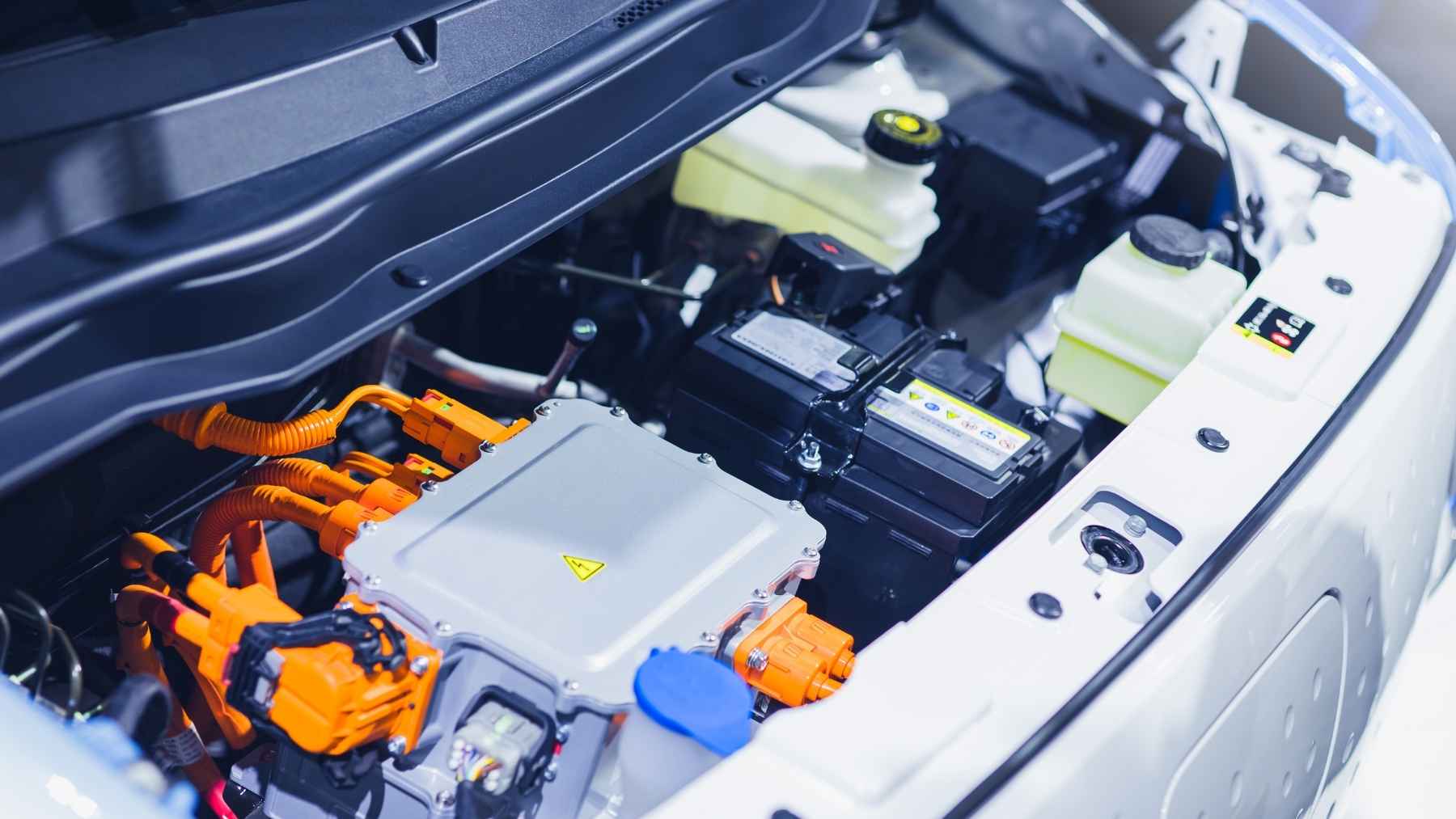
Chinese cars are winning attention with giant screens, generous standard equipment, and sticker prices that can undercut familiar rivals by thousands of dollars. Yet the real test begins after the showroom lights go out. Can an independent garage find the parts, fix the car at a sensible price, and keep it running long enough for the bargain to remain a bargain?
Adam Lehnort, an expert with Poland’s ProfiAuto independent workshop network, offers a more balanced answer than the usual online extremes.
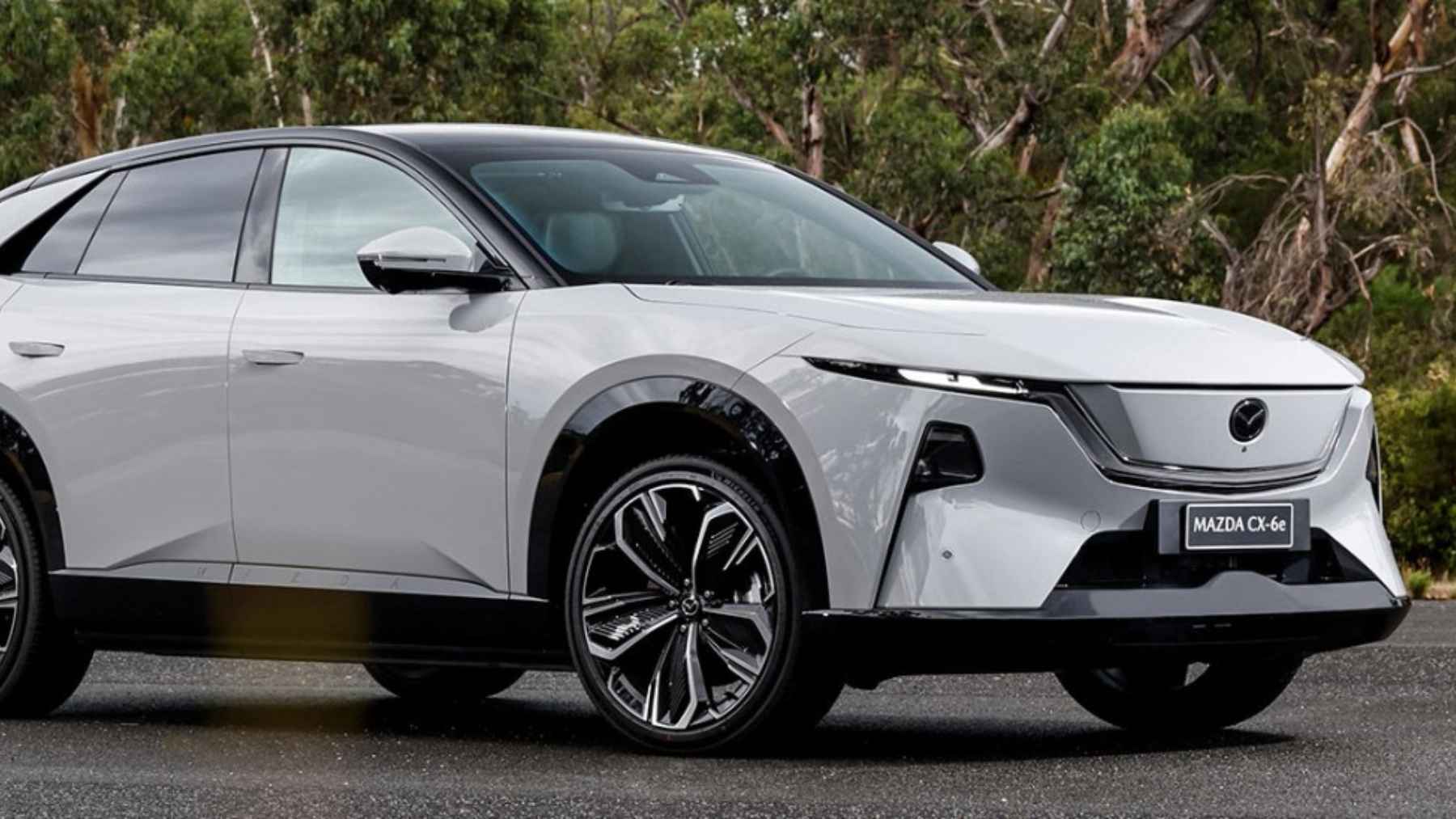
Popular models from MG, Omoda, Jaecoo, Chery, BYD, and BAIC are not impossible to service, but cheaper replacement parts remain less common, some orders take weeks, and fuel use or resale value could erase part of the initial saving.
His assessment concerns Polish aftermarket conditions and mainly combustion-powered cars, while battery-electric and hybrid models require a separate reliability and parts analysis.
Parts exist, but patience may be required
The biggest fear is usually that a broken component will leave the car stranded for months. ProfiAuto’s view is that parts for the best-established Chinese brands can generally be obtained, although some arrive in “weeks rather than days.”
Customers driving new European models can face similar delays for original components, which means age and market volume may matter more than the badge’s country of origin.
Routine maintenance is already becoming easier. Independent catalogs now include filters, brake pads, brake rotors, and suspension components for several popular Chinese brands, allowing normal scheduled service to be completed outside a dealership. The gap remains wider for low-cost aftermarket alternatives and less common components.

Simpler lineups help garages
Many Chinese combustion models use a relatively narrow range of four-cylinder turbocharged gasoline engines, commonly in 1.5-liter and 1.6-liter sizes (about 92 and 98 cubic inches), paired with automatic transmissions.
Manufacturers also tend to offer fewer headlight, suspension, body-trim, and drivetrain combinations than long-established European companies. A smaller catalog can make the correct part easier to identify and stock.
That simplicity does not remove every uncertainty. These vehicles are young, many are protected by lengthy warranties, and most warranty-age cars still flow through authorized service centers. ProfiAuto said it is too early to point to evidence of unusually high failure rates, but it is equally too early to claim decades-long durability, and that cautious middle ground matters.
Screens are not the whole car
A cabin can look like a rolling electronics store and still disappoint on the school run or a long highway trip. Lehnort cautioned that a large speaker count does not guarantee strong sound, while electrically adjusted seats may offer limited cushion length or tilt.
Taller drivers, in particular, should test the seating position rather than judging comfort from a specification sheet.
The same applies underneath. According to the expert assessment, soft suspension tuning can absorb broken pavement well, but some models feel less precise in demanding corners or at higher speeds than familiar European competitors.
That is not a laboratory judgment covering every model, but it is a reason to test the exact car on the roads and at the speeds a buyer actually uses.
The $10,600 question
Lehnort warned that the original purchase-price gap could shrink or reverse when the car is resold. Using the National Bank of Poland’s average exchange rate on July 27, 2026, the figure discussed by ProfiAuto equals roughly $7,900 to $10,600. A lower monthly payment can feel convincing today, but depreciation arrives quietly.
Fuel use is another part of the calculation. The ProfiAuto expert said Chinese cars often consume more fuel, although the statement did not provide model-by-model consumption data, while residual values remain difficult to predict because many models have only a short European sales history.
Buyers should compare real-world consumption, expected annual mileage, service prices, and a written trade-in estimate, not the sticker price.
Repairability has an environmental cost
This is where the workshop question becomes an environmental one. Keeping a safe vehicle in service for longer reduces pressure to manufacture a replacement, while reliable spare-parts supply supports repair, reuse, and a stronger secondhand market.
The European Environment Agency estimates that longer vehicle lifespans, combined with ride sharing, could reduce foreign metal ore extraction needed for European consumption by more than 13.2 million U.S. tons.
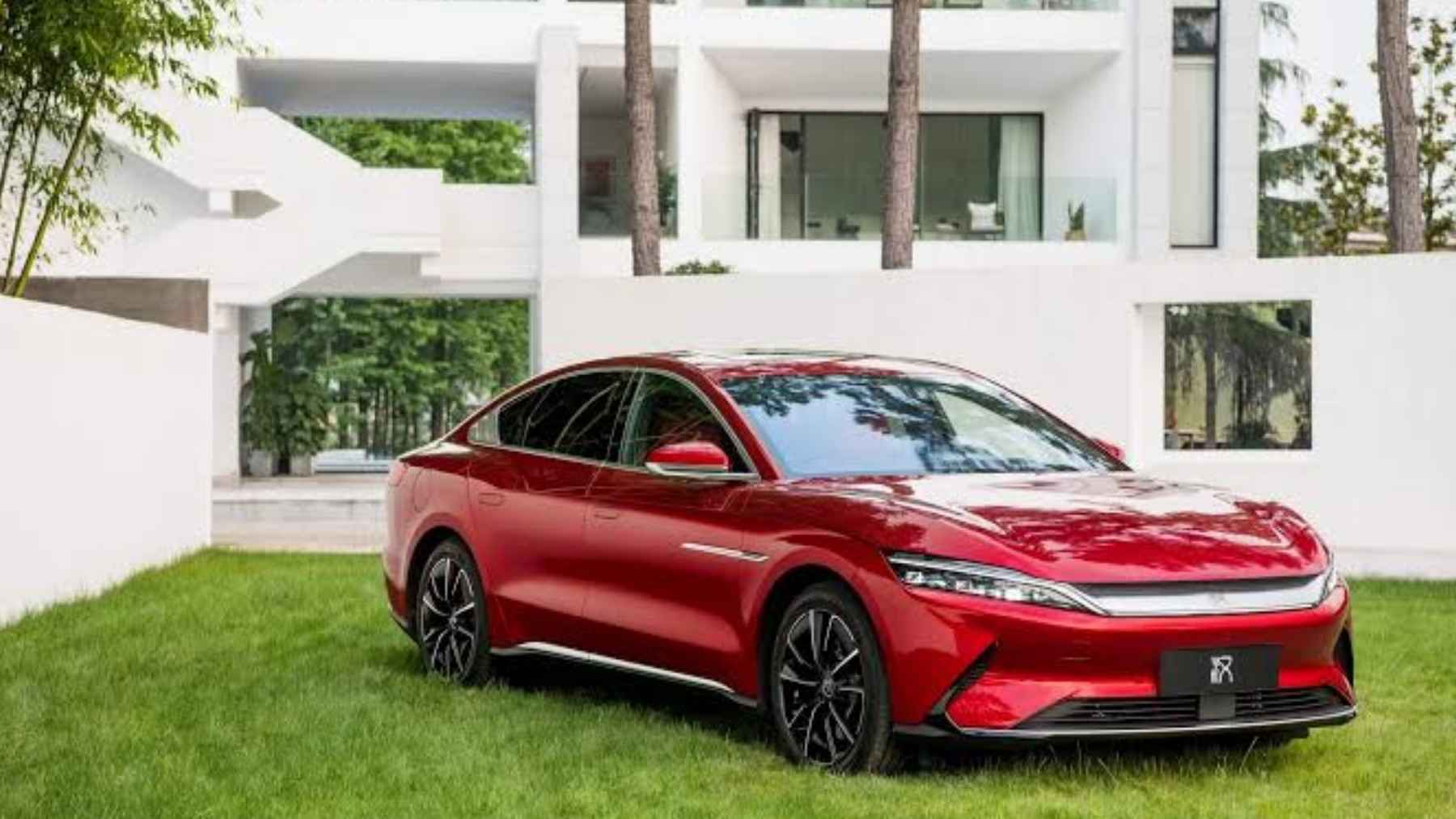
The European Commission also describes vehicle manufacturing as one of the most resource-intensive industries and is advancing rules that encourage reusable components and lower-cost secondhand parts.
A car that becomes economically unrepairable because one electronic module or body component cannot be sourced is not just a household budget problem. It can become a materials problem too.
Dealer-installed LPG needs scrutiny
Some Polish dealers offer liquefied petroleum gas systems to reduce fuel bills, but ProfiAuto says buyers may wrongly assume those installations were engineered at the factory. In the cases discussed, the systems were added by Polish importers, sometimes to direct-injection engines that were not originally designed around LPG.
The source said savings can be smaller than with older designs and reported that some customers have experienced operating problems.
“New from the dealership” does not mean “factory-developed.” Before signing, buyers should ask who designed and installed the system, whether the engine manufacturer approves it, which company covers related failures, and whether the warranty terms are written clearly. Reports of problems do not prove that every converted car will fail, but they make those questions essential.
What buyers should check
It would be unfair to place MG, BYD, Chery, BAIC, Omoda, and Jaecoo in one quality category. The brands use different technologies, service networks, warranties, and business strategies. Even two models from the same manufacturer can produce very different ownership experiences.
A careful shopper should request prices and delivery times for routine service parts, collision components, headlights, and key electronic modules.
The test drive should include rough streets, highway speeds, tight parking, and enough time to judge seat comfort and screen controls. Also check independent service access, actual fuel consumption, LPG documentation where relevant, and the likely resale route.
The smartest purchase may not be the car with the largest screen or the lowest price. It may be the one that can be repaired, supported, and kept safely on the road for years. That is better for the owner’s wallet and, to a large extent, for the resources behind the car as well.
The statement was published on ProfiAuto.