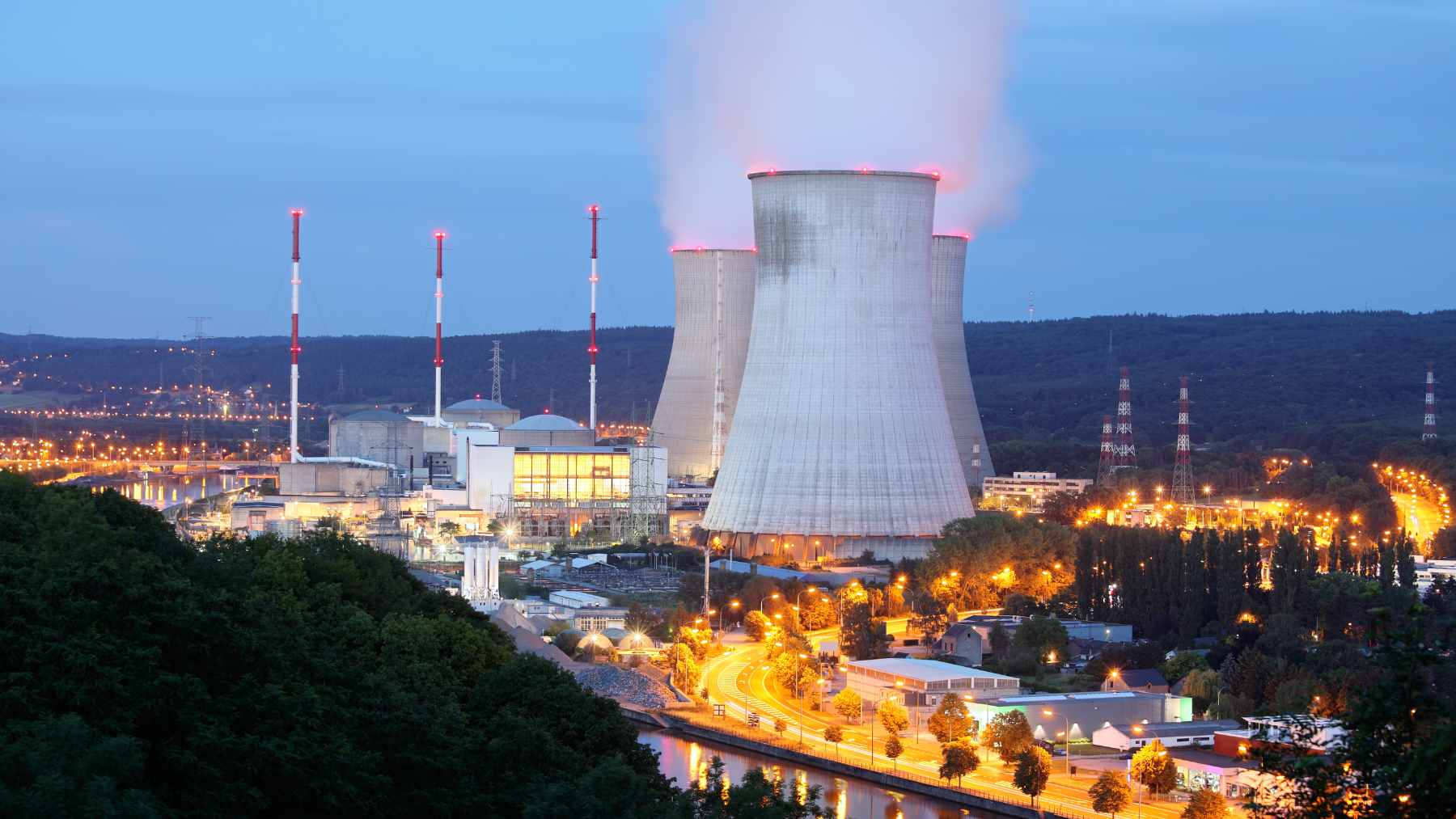
A U.S. nuclear startup is betting that the future of clean energy may not look like a giant concrete dome at all. Deep Fission wants to place small, pressurized water reactors about one mile underground, using rock and a tall column of water to do part of the work normally handled by massive surface structures.
The idea is striking because it comes at the exact moment when data centers, factories, and military facilities are looking for steady electricity that does not depend on the weather. There is a catch, however.
For now, Deep Fission has a deep test well in Kansas, a bold design, public-market funding, and non-binding customer interest, but does not yet have a working underground power plant.
A reactor in a borehole
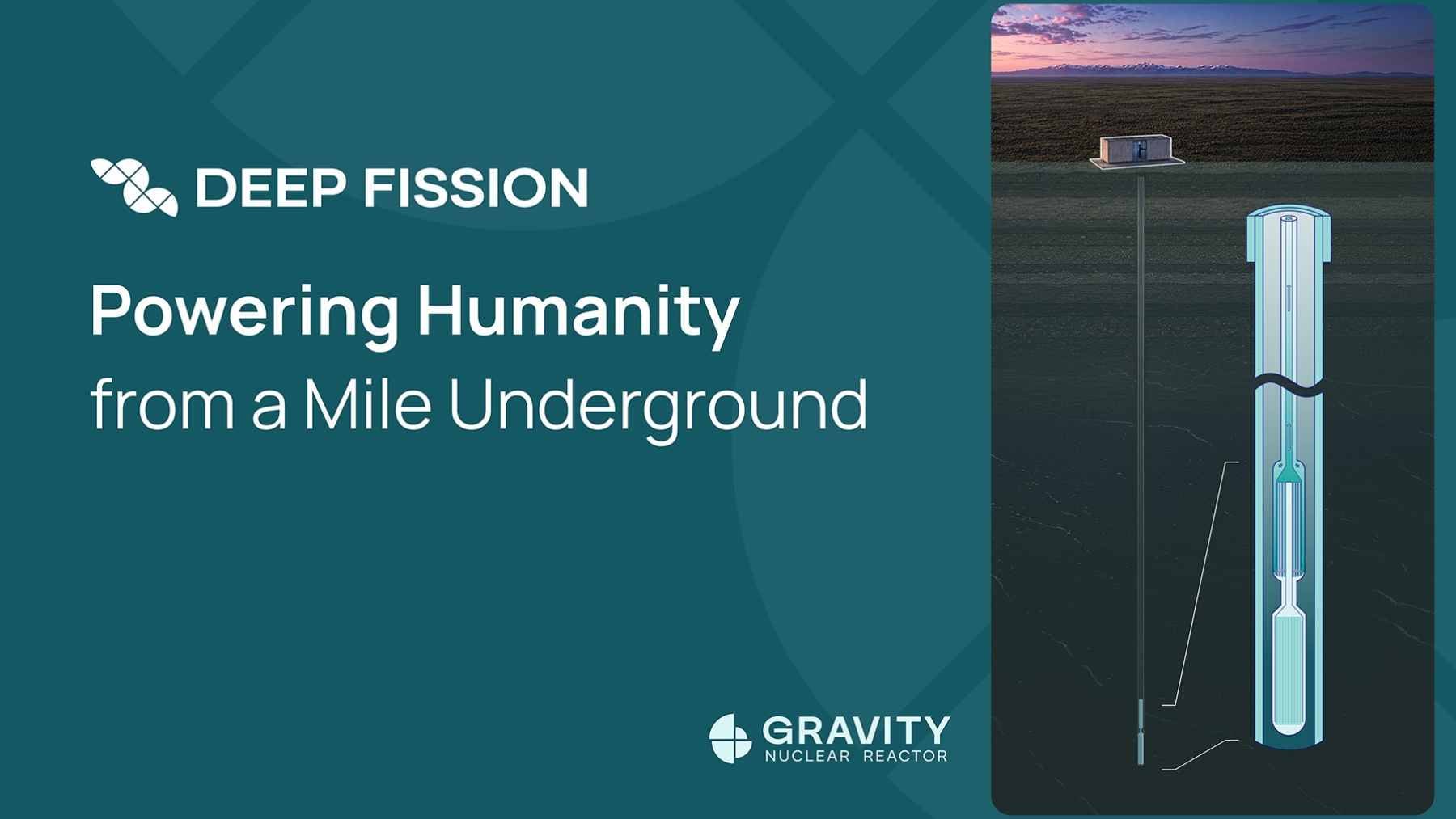
Deep Fission’s Gravity Nuclear Reactor is designed to put a small, modular, pressurized water reactor inside a drilled borehole roughly one mile below the surface. The Nuclear Regulatory Commission says the Deep Fission Borehole Reactor 1 would be installed at that depth in a borehole with a minimum diameter of about 30 inches.
That is about the width of a large household appliance. It is a strange image at first, almost like lowering a power plant into a well, but that is the whole point. Deep Fission says the underground setting could reduce the need for enormous above-ground containment buildings.
Why the pressure matters
A standard pressurized water reactor needs very high pressure so water can carry heat without boiling in the wrong place. Deep Fission’s trick is to let gravity help. At about one mile underground, the column of water above the reactor would provide roughly 160 atmospheres of pressure, close to what a conventional pressurized water reactor needs.
In practical terms, the surrounding geology becomes part of the engineering case. The company says billions of tons of rock would provide passive shielding and natural containment, while the water column would help create the operating pressure. It sounds simple enough, but the engineering challenge is anything but simple.
How much power could it make
The NRC’s project page says each Deep Fission reactor would produce 45 megawatts of thermal energy, which could generate up to 15 megawatts of electric power at the surface.
There is some useful nuance here. Deep Fission’s SEC filing says the company currently expects its initial reactor deployment to target up to about 8 megawatts of electric power, with a larger future configuration targeting up to about 15 megawatts.
That matters because the eye-catching math depends on the higher-output version. At 15 megawatts per reactor, 100 boreholes on one site could add up to about 1.5 gigawatts, roughly the scale of a large power station. In other words, the pitch is not one giant reactor, but many repeatable ones.
The business case
Deep Fission is selling more than a reactor. It is selling a new construction model.
The company says its approach combines three familiar industries: pressurized water reactor technology from nuclear power, borehole drilling from oil and gas, and heat-transfer techniques from geothermal energy.
Its own estimate is that this could reduce construction costs by 70% to 80% compared with traditional nuclear plants, with a projected electricity cost of $50 to $70 per megawatt-hour.
Those are company targets, not proven results. Still, the business world is paying attention. Deep Fission began trading on the Nasdaq Global Market under the symbol “FISN” on June 18, 2026, and closed a public offering that raised $40 million before expenses.
Data centers are watching
The latest attention comes from potential customers. Deep Fission says it has signed letters of intent with data centers, industrial parks, co-developers, and strategic partners representing up to 18.5 gigawatts of possible generation capacity.
That number sounds huge, and it is, but readers should keep one foot on the ground. The company itself says those letters are non-binding and do not require anyone to buy electricity, finance projects, build facilities, grant exclusivity, or deploy a specific number of reactors.
Why the interest, then? Data centers need power all day and all night. Solar panels and wind turbines can help, but a server farm cannot simply pause when the weather changes. That is why small nuclear systems are being discussed as a possible backbone for the AI economy.
What Kansas has now
The first Deep Fission project is at the Great Plains Industrial Park in Parsons, Kansas. According to the company, it has completed its first data acquisition borehole to about 6,000 ft. deep.
That is an important step, but it is still a test step. The next milestones are to show that Deep Fission can drill a commercial-scale borehole and then safely deploy a prototype reactor.
The company says it plans to apply for a commercial license from the Nuclear Regulatory Commission (NRC) in the first half of 2027, subject to continued progress, financing, and regulatory approvals.
So no, this is not a hidden nuclear plant already running under Kansas–not yet.
The deadline changed around it
Deep Fission is part of the Department of Energy’s (DOE) Reactor Pilot Program, a federal effort created to move advanced reactor testing faster. The DOE originally set a symbolic goal of having at least three advanced reactors reach criticality by July 4, 2026.
That goal has now been met by other projects. On July 1, 2026, the DOE said Deployable Energy’s Unity demonstration reactor became the third DOE-authorized advanced reactor to reach criticality before the deadline, following Antares Nuclear and Valar Atomics.
Deep Fission’s underground reactor was not one of those three. That does not kill the idea, but it does put the hype in perspective. The clock moved faster than this particular borehole project.
The environmental bet
Nuclear power does not emit carbon dioxide while generating electricity, which is why it keeps returning to climate and energy-security debates. Deep Fission’s version adds another environmental argument: a smaller surface footprint. Less concrete, fewer giant structures, and compact sites could matter if the design works as planned.
But “if” is doing a lot of work here. Regulators will still have to examine safety, groundwater protection, emergency planning, waste handling, retrieval, and long-term operations. Experts have also warned that reaching early nuclear milestones does not automatically prove a reactor is safe, affordable, or ready for commercial use.
Still, the idea is elegant. A mile of water supplies pressure, rock supplies shielding, and a familiar reactor design is placed in an unfamiliar location. It is part power plant, part drilling project, and part climate-tech gamble.
What happens next
Deep Fission’s strongest argument is that it is not trying to invent nuclear physics from scratch. It is trying to change where the reactor sits and how the surrounding environment supports it.
The hard part comes now. The company must prove the drilling can scale, the reactor can be installed and retrieved, the safety case can pass regulators, and customers will turn letters of intent into real contracts. Until then, the Gravity reactor remains a fascinating proposal with a very deep head start.
The official statement was published on Deep Fission.