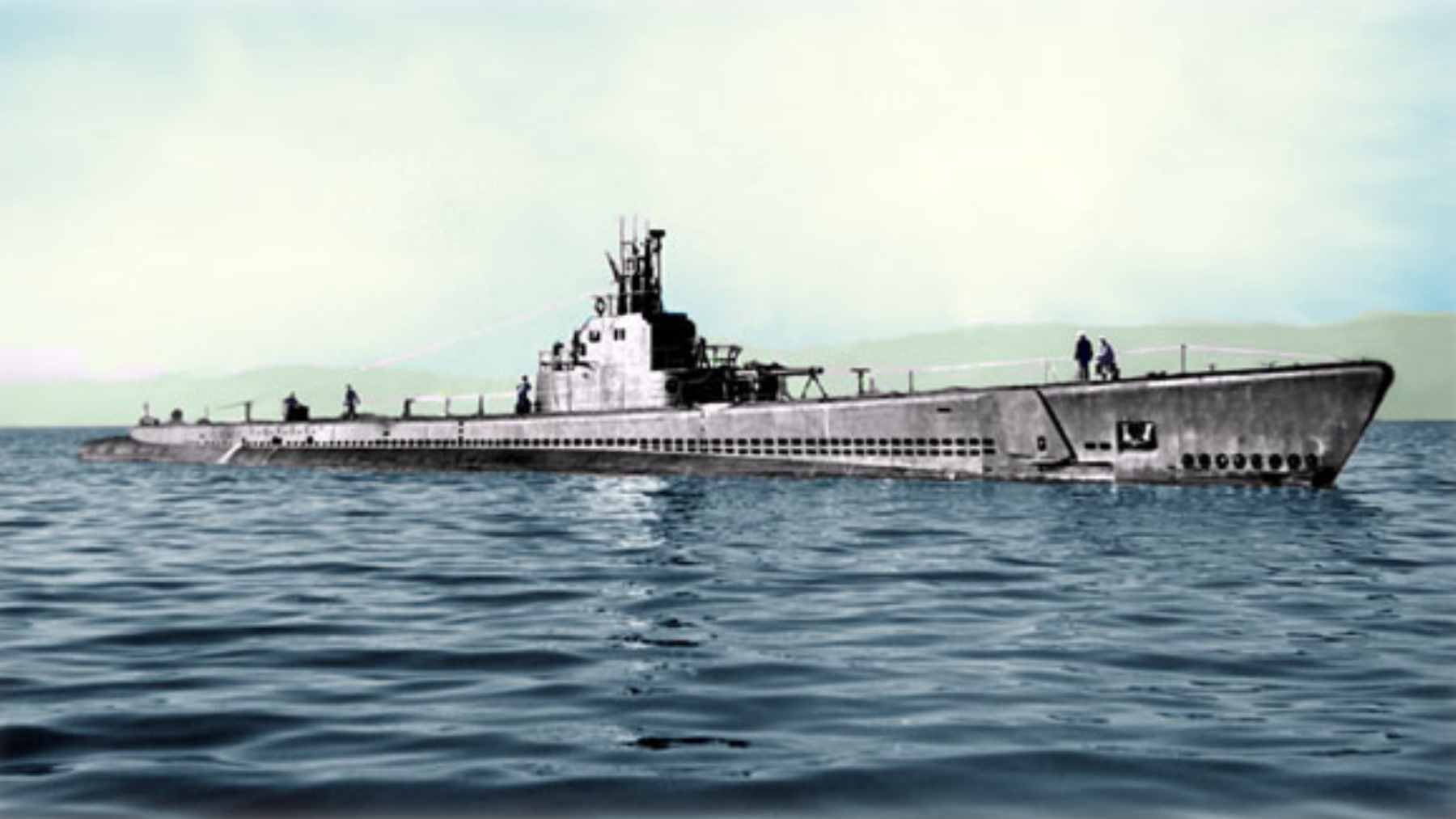
The U.S. Navy has confirmed the identity of a World War II submarine wreck found off Matsuwa Island, closing one of the many long-running mysteries still resting on the Pacific seafloor. The vessel is USS Herring (SS-233), a decorated American submarine lost on June 1, 1944, with all 83 crew members aboard.
The discovery is not just a military history story. It also raises a modern question for ocean researchers and defense agencies: what should happen when a war grave, a historical artifact, and a sensitive underwater site are all the same object?
A submarine found at last
Naval History and Heritage Command confirmed the wreck’s identity after reviewing data collected by the Russian Geographic Society and analyzed by two U.S. volunteer researchers and one Japanese researcher. The submarine rests in more than 300 ft. of water, upright on its keel and still largely intact.
That detail matters. A shipwreck scattered across the seabed can be hard to identify with confidence, but Herring still shows battle damage around the conning tower and evidence of grounding at the bow. Those clues match wartime records of its final moments.
What happened to USS Herring
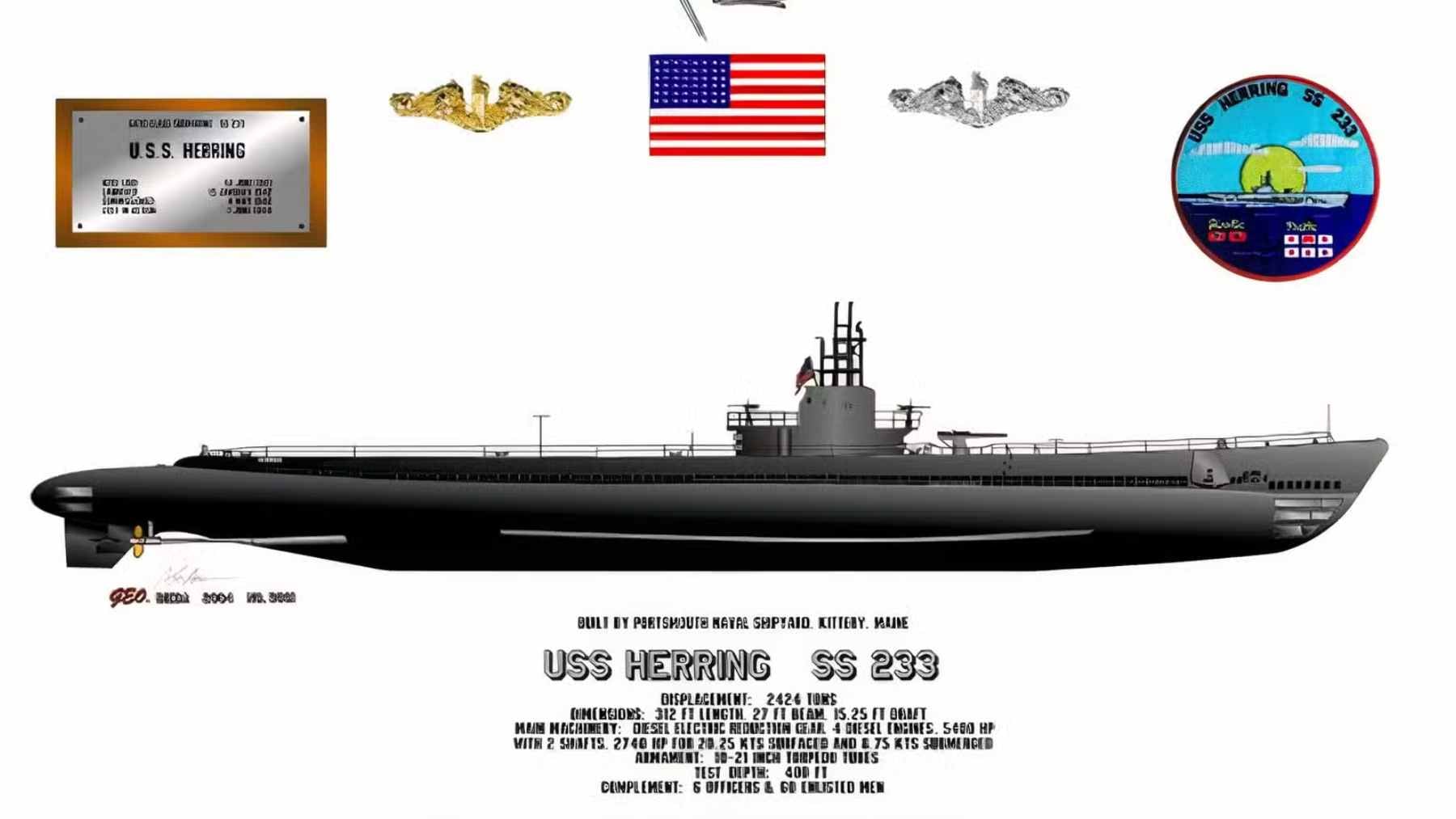
USS Herring was launched at Portsmouth Naval Shipyard in New Hampshire on January 15, 1942, and commissioned on May 4 that same year. Before it disappeared, it completed eight war patrols across the Atlantic and Pacific theaters and was credited with sinking seven enemy ships.
In late May 1944, Herring was operating near the Kuril Islands, a cold and remote chain between Japan and Russia. On the night of May 31, it briefly met USS Barb so the two submarines could divide patrol areas.
Early the next morning, Herring attacked and sank the Japanese vessels Iwaki Maru and Hiburi Maru near Matsuwa Island. Japanese shore batteries then fired on a submarine believed to be Herring, scoring two direct hits as it backed away into the fog.
The final resting place
When Herring failed to report to Midway on July 13, 1944, the Navy presumed it lost. The human cost was total, including the submarine’s commanding officer, Lieutenant Commander D. Zabriskie Jr.
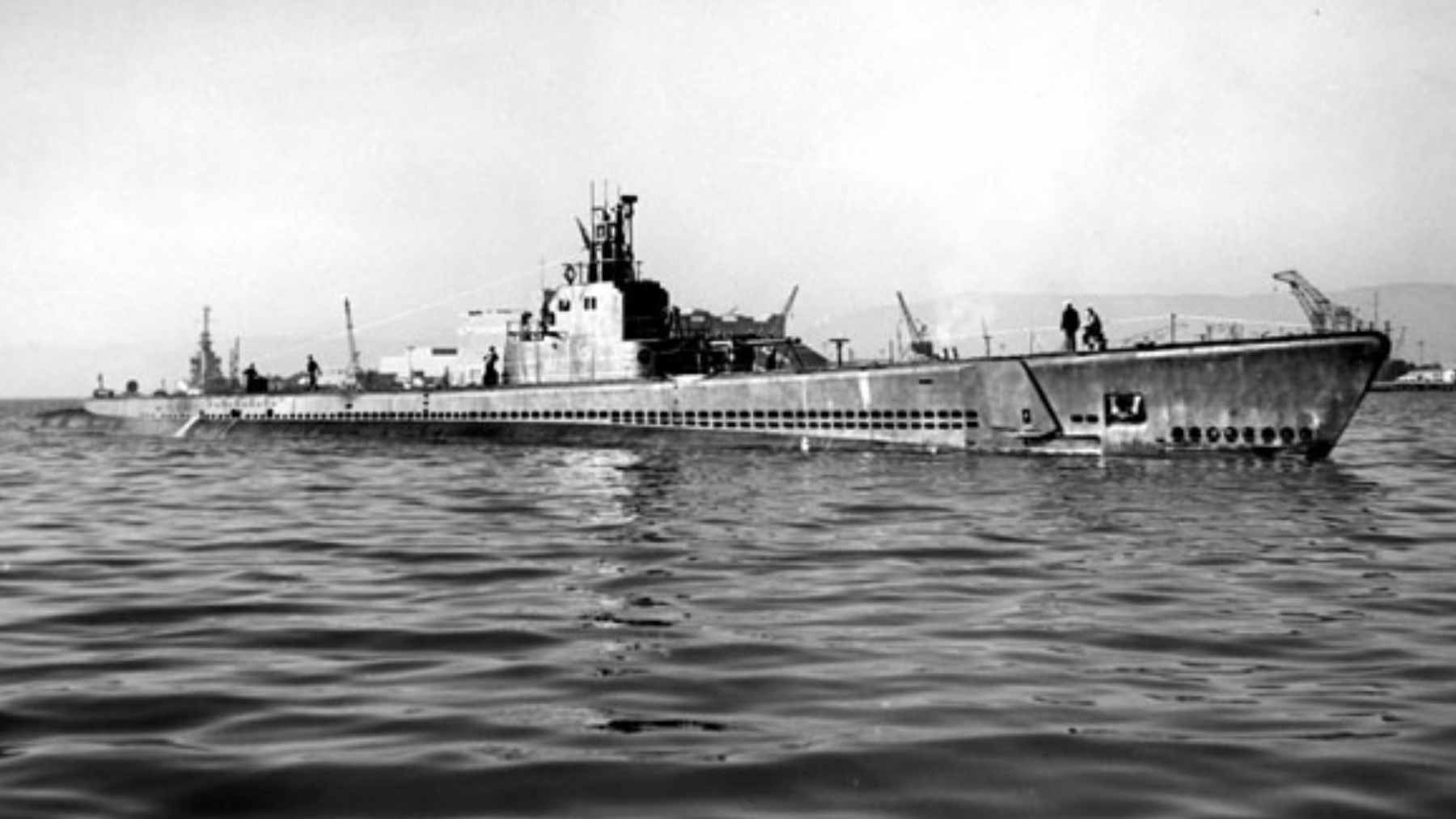
The Navy now describes the wreck as the final resting place of sailors who died in defense of the nation. However, the site is not a treasure-hunting target, a salvage project, or a place for casual disturbance.
That can be easy to forget when a discovery appears as a sonar image or a short headline. Under the water, this is still a grave, though. Small words matter here, and the Navy’s statement is direct about treating the site “as a war grave.”
Why the ocean matters here
Military wrecks are often discussed as history, but they also sit inside living marine environments. Federal rules on sunken military craft note that these sites can carry environmental and safety hazards such as oil and ordnance, while also holding historical and archaeological value.
That does not mean officials have reported an active leak from Herring today. The point is more careful than that. Old wrecks can be fragile, and disturbing them without a clear reason can create risks for history, families, researchers, and the surrounding seafloor.
That’s why the preferred approach is usually to leave these sites in place unless action is needed to protect the craft, the public, human remains, or the environment. Sometimes, doing less is the more responsible choice.
Technology is changing the search
For decades, Herring’s exact resting place remained uncertain. A Russian expedition first found a suspected submarine wreck in the area in 2017, and a later expedition returned in 2022 to document the site and honor the crew.
Modern underwater archaeology is making these identifications more realistic. Remote sensing, seafloor documentation, and careful comparison with archival records allow experts to revisit wartime losses without tearing into the wreck.
That is a quieter kind of technology than a new missile or satellite, but it matters. It helps answer old questions while keeping the site mostly untouched, which is often exactly what a protected war grave requires.
A discovery with a wider lesson
Herring’s awards tell part of the story. The submarine received the European-African-Middle Eastern Campaign Medal with two battle stars, the Asiatic-Pacific Campaign Medal with three battle stars, and the World War II Victory Medal.
Still, the larger message is about memory. “Herring’s discovery is a powerful reminder,” Samuel J. Cox, director of Naval History and Heritage Command, said in comments reported after the confirmation. He also pointed to the value of international collaboration in preserving a shared historical record.
At the end of the day, the wreck is not coming home. It will remain where it sank, upright in the Pacific, holding a story that took 82 years to confirm.
The official statement was published on Naval History and Heritage Command.