Can a tunnel be both a clean-energy shortcut and an environmental warning sign? India is moving ahead with the Chenab-Beas Link Tunnel in Himachal Pradesh, a Himalayan water-diversion plan whose official tender values the work at about $249 million at current exchange rates.
The idea sounds simple: take surplus water from the upper Chenab basin and move it into the Beas system, then use that flow to strengthen water availability and support more hydropower in a region already central to India’s energy map. But in reality, it means drilling through fragile mountains, altering river flows and testing a tense water pact with Pakistan.
A tunnel with big ambitions
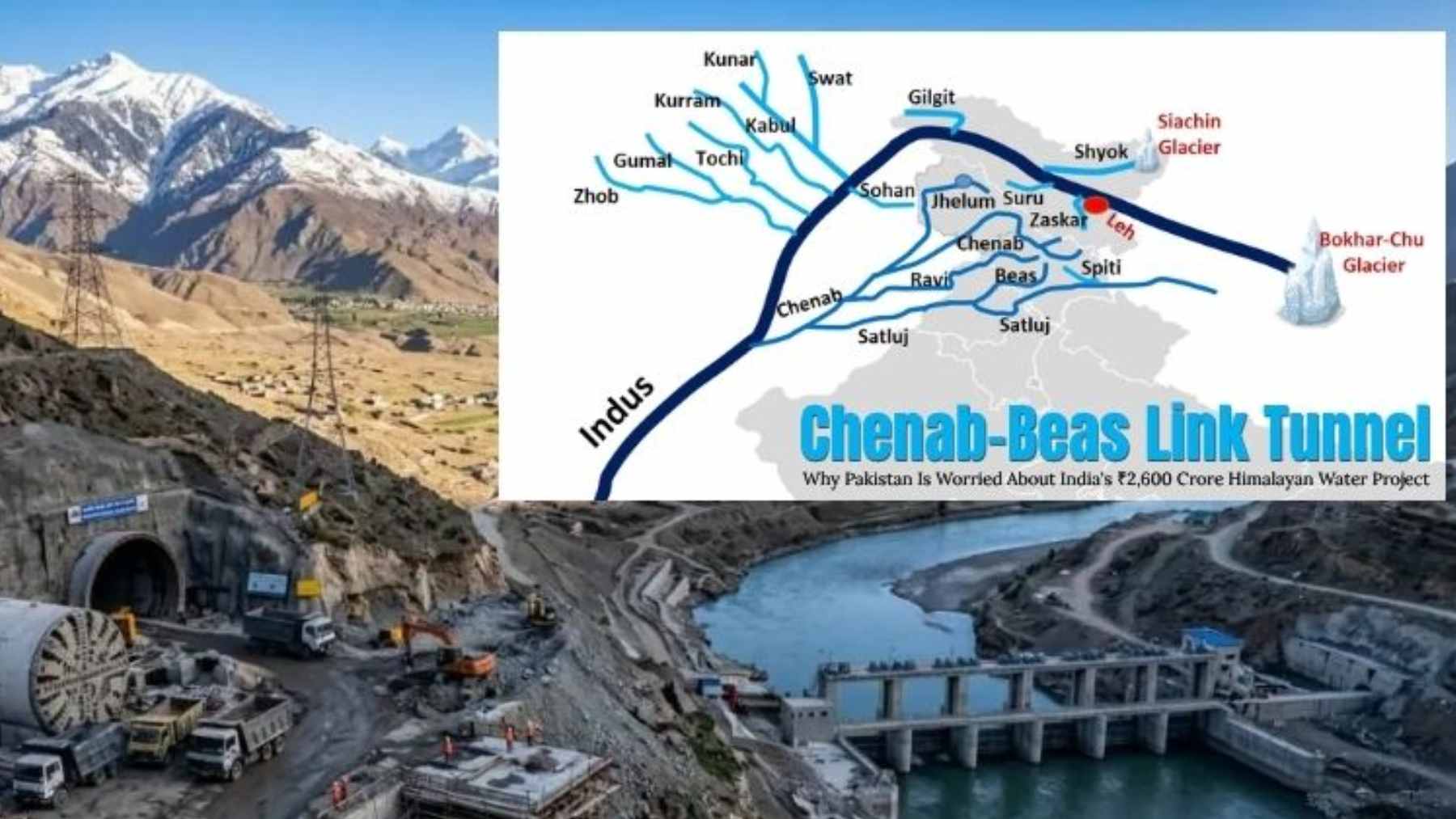
The core plan centers on a 5.4-mile water-diversion tunnel near Koksar in Lahaul-Spiti district. NHPC’s tender covers civil works for a barrage, stilling basin, river diversion arrangements, power intake structures, a water diversion tunnel, an outfall structure and associated hydro-mechanical works.
Project summaries and Indian media reports say Phase 1 includes a 62-ft.-high barrage on the Chandra River, a headwater tributary of the Chenab. Water would then be pushed toward the Beas basin, an area that can face low flows during summer.
Clean power with a catch
For India, the headline number is hard to miss. Project plans cited by India Today say the diversion could support nearly 4 GW of additional hydropower capacity in Himachal Pradesh, which would be a major addition to the state’s river-power economy.
That matters because hydropower can help balance wind and solar, especially when demand peaks and the grid needs flexible supply. At the end of the day, though, clean electricity is only clean to a large extent if the ecosystems and communities around it are treated seriously.
Why the location matters
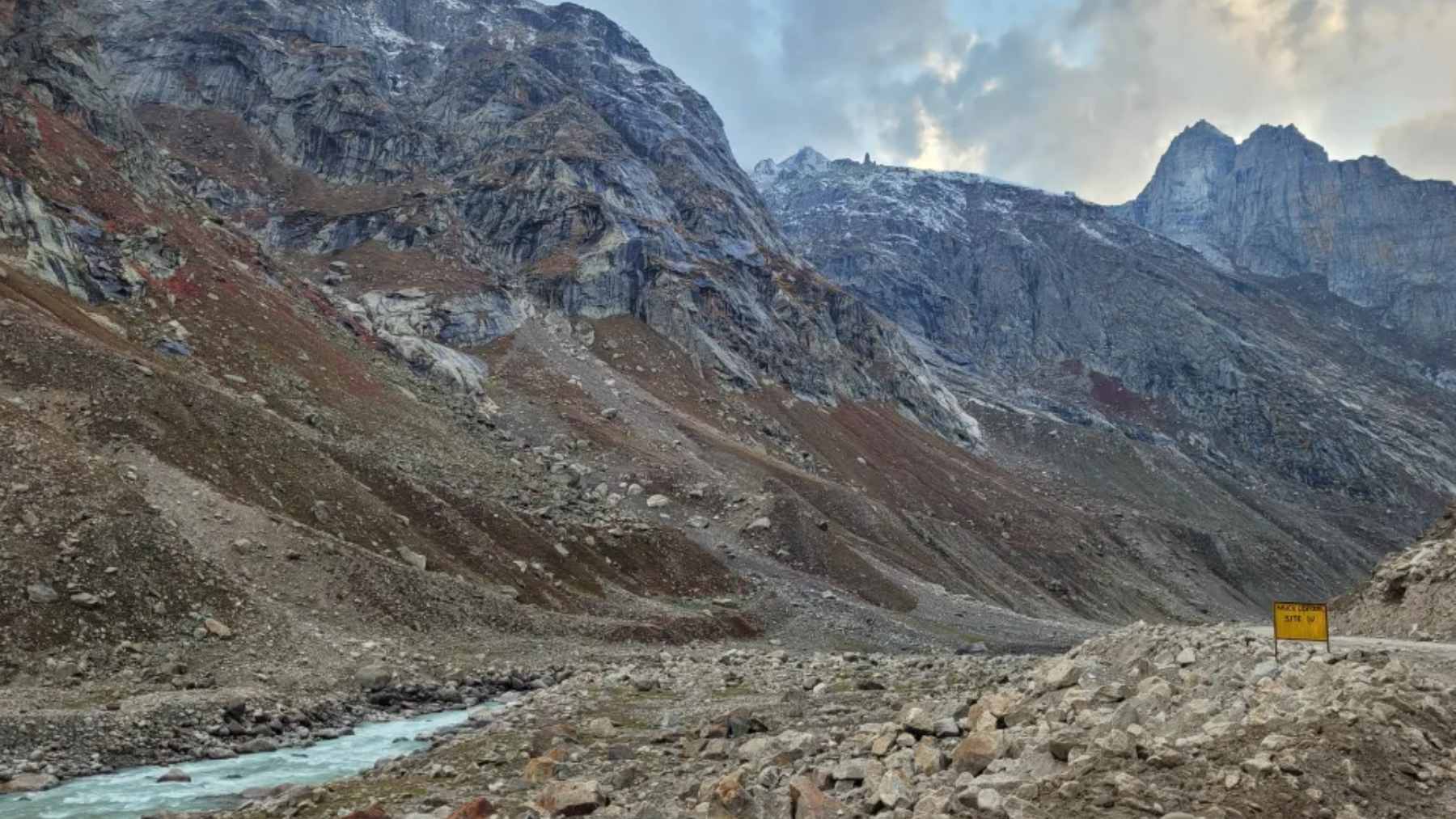
Koksar is not just a dot on an engineering map. It sits in Lahaul-Spiti, a high Himalayan district where roads, villages and riverbanks can be exposed to landslides, cloudbursts and sudden flooding.
Environmental group SANDRP has warned that the project area is vulnerable to overlapping climate and disaster risks, and pointed to 2025 monsoon damage across Himachal Pradesh and Jammu. It also noted that the proposed tunnel would pass through the Pir Panjal Himalayas and that the barrage location lies in the Chandra River headwater region.
The glacier question
This is where the environmental story gets bigger than a single tender. SANDRP cited studies projecting major ice loss in the Chandra basin this century, including a possible 33% loss of ice volume by the 2050s under one moderate-emissions scenario.
What does that mean for a water-transfer project built to last decades? For the most part, it means planners will need to show that future flows, glacial-lake risks, sediment movement and local water needs have been studied with real caution, not just engineering confidence.
A treaty in the background
The Chenab is one of the western rivers in the Indus system, while the Beas is one of the eastern rivers. The World Bank says the 1960 Indus Waters Treaty allocated the western rivers (Indus, Jhelum and Chenab) to Pakistan and the eastern rivers (Ravi, Beas and Sutlej) to India, while allowing certain uses by each country on the other side’s rivers.
India’s Ministry of External Affairs said in April 2025 that the treaty would be held in abeyance “with immediate effect” until Pakistan “credibly and irrevocably abjures” its support for cross-border terrorism. That political context is why this tunnel is being read not only as infrastructure, but also as a strategic water move.
NHPC’s role
NHPC is not a small player stepping into unknown territory. The company has Navratna status from the Indian government, and an official Press Information Bureau release says it had about 7.1 GW of installed capacity and more than 10.4 GW under construction as of 2024.
That experience may reassure supporters who see the tunnel as a technical challenge. But experience does not erase scrutiny, especially in a region where blasting, tunneling, muck disposal and river-flow changes can affect everyday life for people living near project roads and water channels.
What we know so far
The official tender is more concrete than many early project announcements. It lists a 49-month completion period for the work, an online bid submission deadline in July 2026 and an estimated cost of about $249 million.
Still, a construction period is not the same as a public opening date. For now, the safest reading is that the project has moved from idea to procurement, while detailed environmental review, clearances and local concerns remain the real test ahead.
The bigger question
India’s need for water security and low-carbon electricity is not going away. Neither are the risks of building large infrastructure in a warming Himalayan landscape.
That is the tension at the heart of the Chenab-Beas Link Tunnel. If done carefully, it could help move water and unlock more renewable power. If done badly, it could become another reminder that even green infrastructure can leave a heavy footprint.
The official tender notice was published on NHPC Limited.