A new kind of infrastructure story is unfolding in Lincoln, Nebraska, and it is not about roads, fiber cables, or another building rising beside the highway. This one is about water.
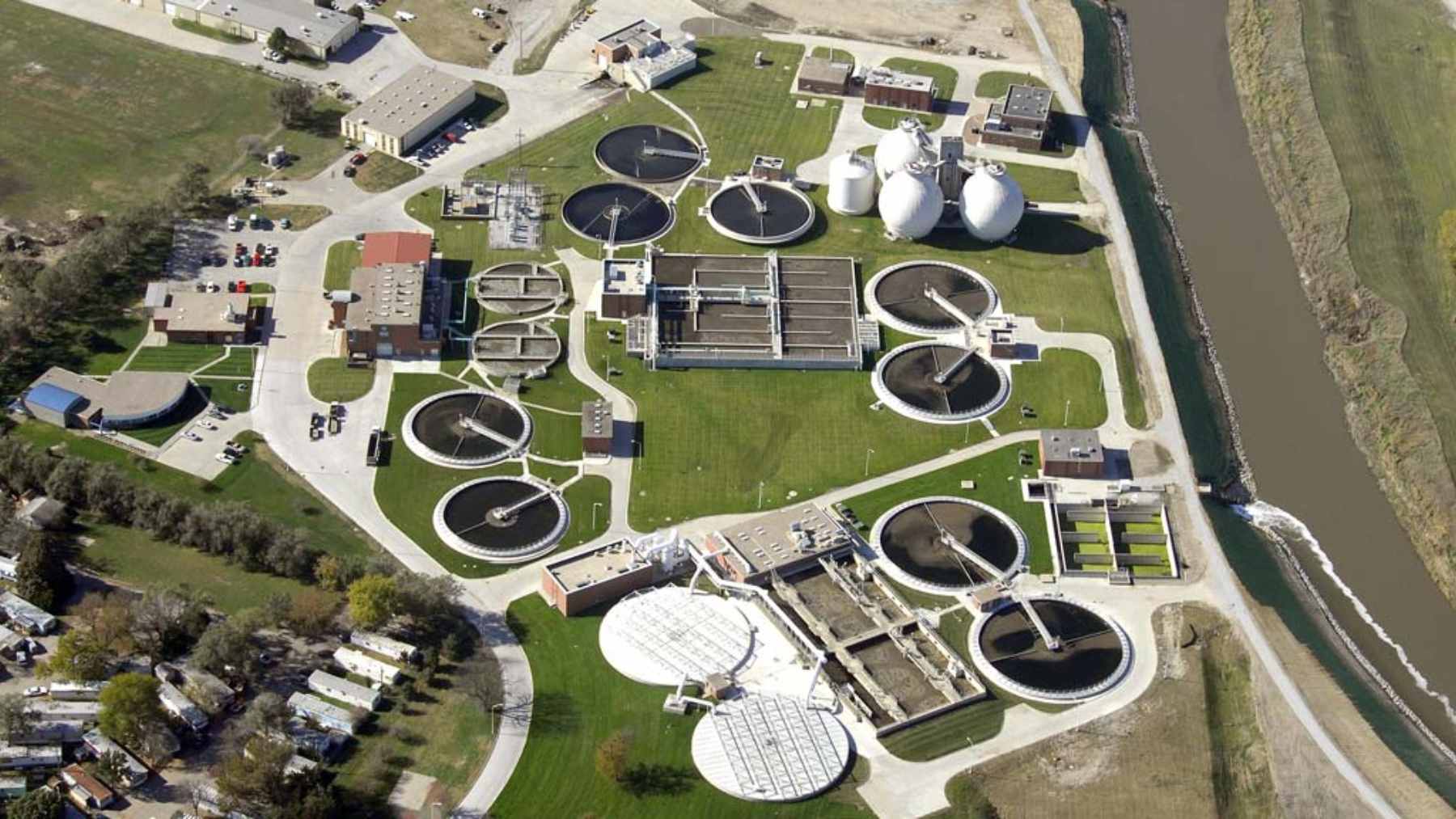
Construction is underway near the Northeast Water Resource Recovery Facility at North 70th Street and McCormick Drive on a Google-funded, $10 million pipeline tied to the company’s data center near North 56th Street and Interstate 80.
The line is designed to move non-contact cooling water about 3 miles from the data center to the recovery facility, where it will be checked, handled, and eventually released into Salt Creek.
At peak flow, the pipe is expected to carry 2,040 gallons per minute, which equals 122,400 gallons per hour and about 2.9 million gallons in a full day if that peak rate were sustained. That does not mean the line will run at that pace all the time, but it gives the public a sense of scale.
A pipe for server heat
Data centers are often described as clean, quiet tech campuses, but the computers inside them create a lot of heat. In practical terms, cooling that equipment can turn digital growth into a very physical local issue involving water, pipes, permits, and creeks.
Lincoln Transportation and Utilities says the water involved here is “non-contact cooling water,” meaning it does not directly touch raw materials, intermediate products, waste products, or finished products. That matters because this is not ordinary sewage, at least for the most part.
Still, “mostly clean” is not the same thing as “ignore it.” Once the line is operating, the water is expected to be tested for temperature, pH, nitrogen, phosphorus, oil and grease, chlorine, suspended solids, biochemical oxygen demand, ammonia, and E. coli.
Why Lincoln agreed
The project is tied to Agate LLC, which local reporting identifies as a Google subsidiary. The City of Lincoln’s official action sheet shows the Agate Non-Contact Cooling Water Main Agreement was approved 7-0, covering property generally located between North 40th Street and U.S. Highway 77 north of Interstate 80.
From the city’s point of view, the big selling point is capacity. Erika Hill, a public information officer for Lincoln Transportation and Utilities, said the project means Google will not “impact the community’s wastewater treatment capacity.”
That is not a small issue. Lincoln says its wastewater system includes more than 1,000 miles of sanitary sewer lines, 15 pumping stations, and two water resource recovery facilities.
The Northeast facility currently recovers about 5 million gallons per day, so a pipe with a theoretical peak daily equivalent near 3 million gallons is worth watching, even if that peak is not the same as average daily use.
Salt Creek becomes the test
The water is expected to be released into Salt Creek after going through the required checks and dechlorination. Hill said the water will simply need to be dechlorinated before discharge, but the broader testing list shows why regulators still treat this as an environmental matter.
A spokesperson for the Nebraska Department of Water, Energy and Environment said the department received a request from the city in March 2026 to modify the facility’s National Pollutant Discharge Elimination System permit. The EPA says that program addresses water pollution by regulating point sources that discharge pollutants into U.S. waters.
So what should residents care about most? Not just whether the water looks clear. Temperature, chlorine, nutrients, and discharge volume can all matter when a creek becomes the final stop for industrial cooling water.
Tech growth meets water accounting
This project is part of a much larger data center buildout in Nebraska. Google lists Lincoln as a data center location “in development,” and says it announced $1.2 billion in new Nebraska investment in 2023 to support growth in Lincoln, Omaha, and Papillion.
Google also says it aims to replenish more freshwater than it consumes, on average, across its data centers and offices by 2030. In a June 2026 update, the company said its water stewardship projects are expected to replenish more than 19 billion gallons annually by 2030 once fully implemented.
Those are big promises, but for a city like Lincoln, the local questions are more direct: how much water moves through this specific pipe, how often is it tested, and how clearly will the public see the results?
What residents should watch
Lincoln Transportation and Utilities does not expect the project to disrupt traffic flow in the area, and completion is expected in 2027. For most people driving nearby, the work may look like just another construction zone.
The more important action may happen in permit files and monitoring reports. Will the discharge limits be easy to understand? Will testing results be public enough for ordinary residents to follow without digging through confusing records?
That is where the environmental stakes become very practical. A data center can bring investment, construction work, and tax revenue, but the public still needs a clear view of the water side of the deal.
The hidden plumbing of the cloud
There is a reasonable argument for this pipeline. If most of the used cooling water can bypass the main treatment process safely, the city can protect wastewater capacity for homes, schools, hospitals, and other businesses.
The project also shows how the cloud is never really floating above us, however. It has a footprint on land, on the power grid, and now, in Lincoln, on a water line running toward Salt Creek.
At the end of the day, this is the kind of infrastructure that will decide whether fast-growing data center towns can balance business growth with environmental accountability. The pipe may be underground, but the numbers should not be.
The official City Council action sheet was published on City of Lincoln.