The Great Lakes are not just a postcard backdrop for summer boating. They are one of the world’s most important freshwater systems, holding about 21% of the planet’s surface fresh water and 84% of North America’s surface fresh water, according to the U.S. Environmental Protection Agency.
Now, a new Coast Guard drone deployment is putting that massive ecosystem at the center of a different debate. The issue is not only whether unmanned vessels can help protect the U.S.-Canada border, but whether a quiet security upgrade could also become a long-term data collection network watching everyday boaters.
Drones on the lakes
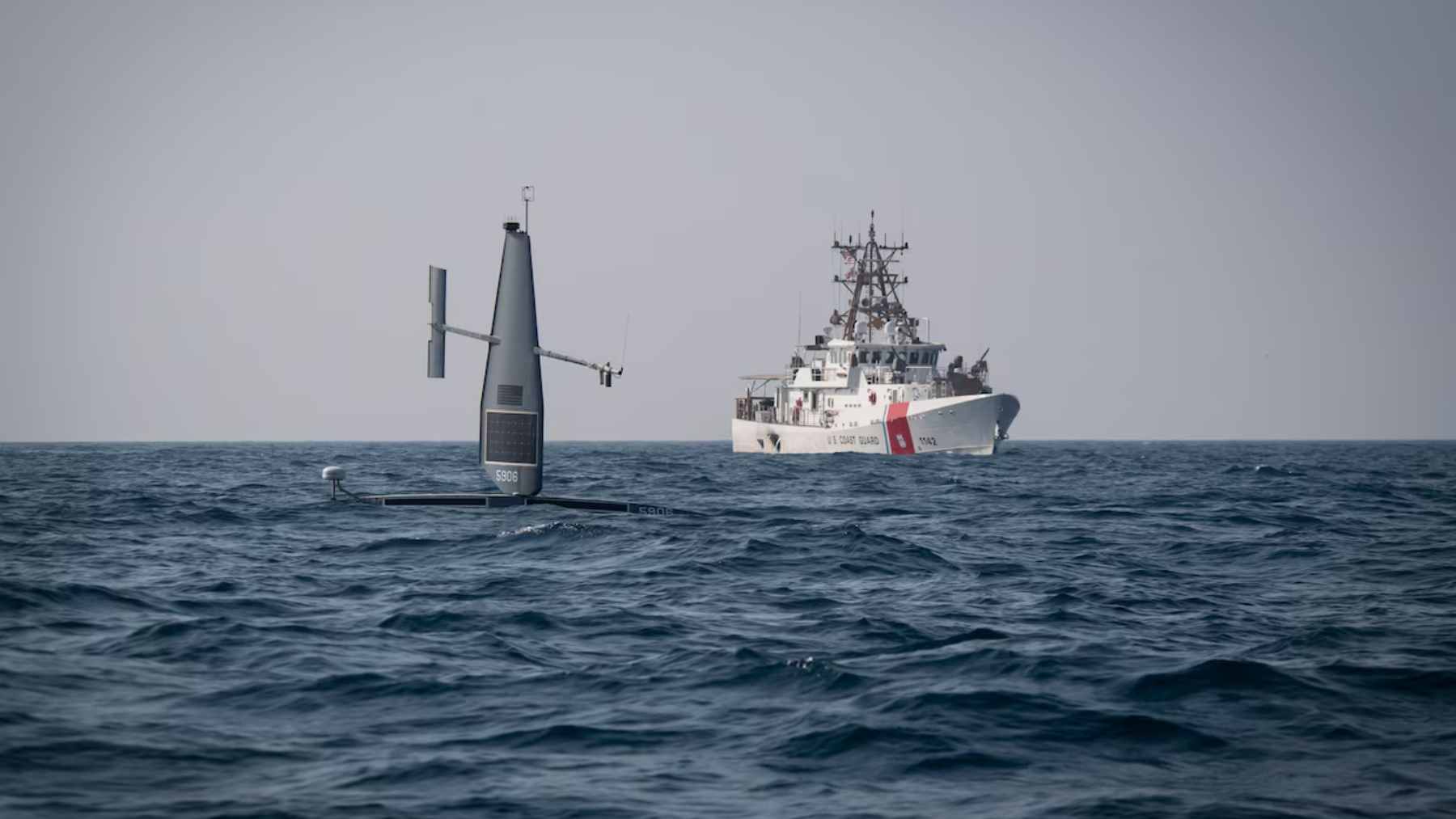
The U.S. Coast Guard has begun using autonomous sail drones across the Great Lakes from May through October, describing them as tools for maritime awareness, weather data, emergency response planning, border safety, and tracking illicit activity.
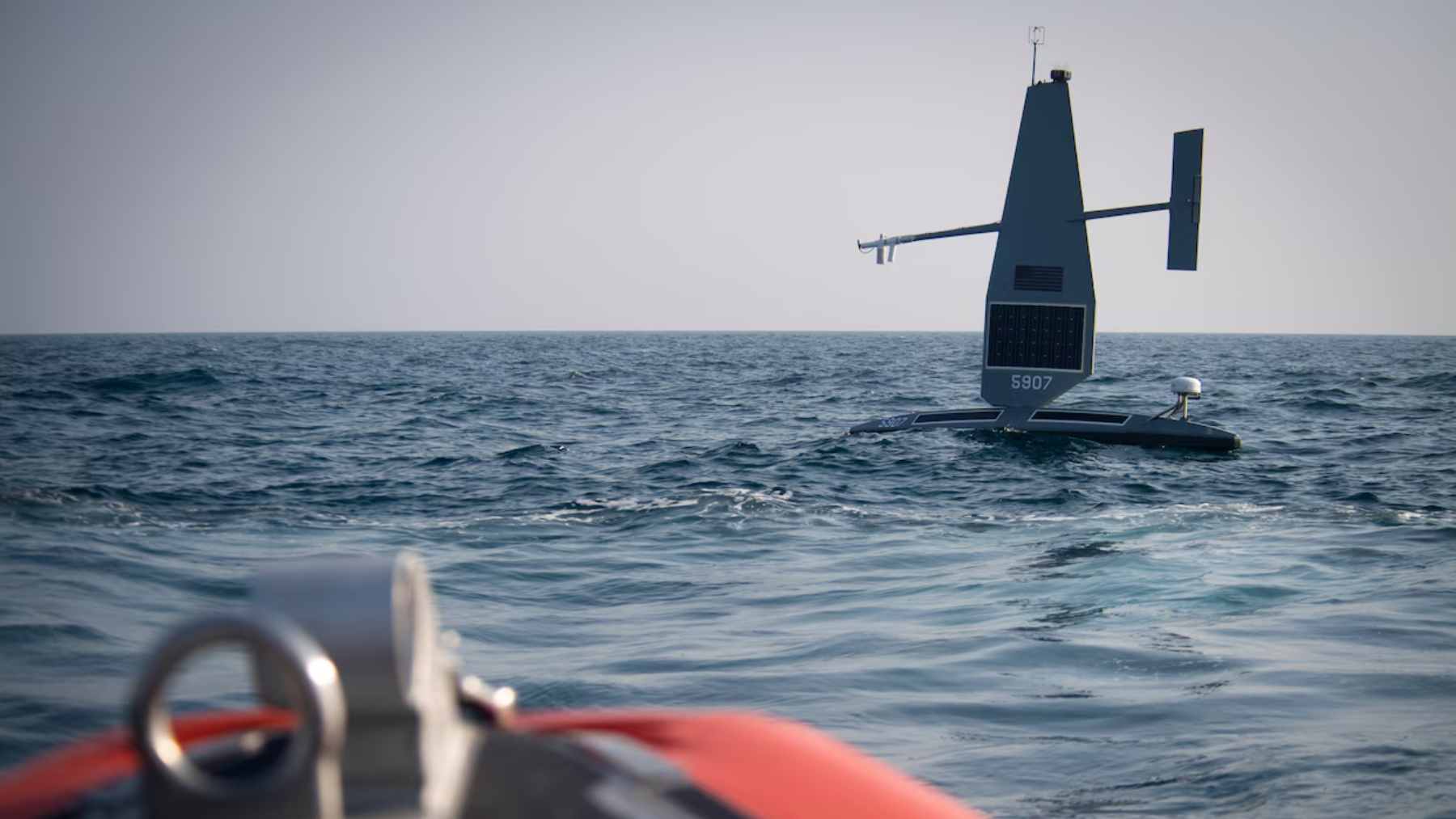
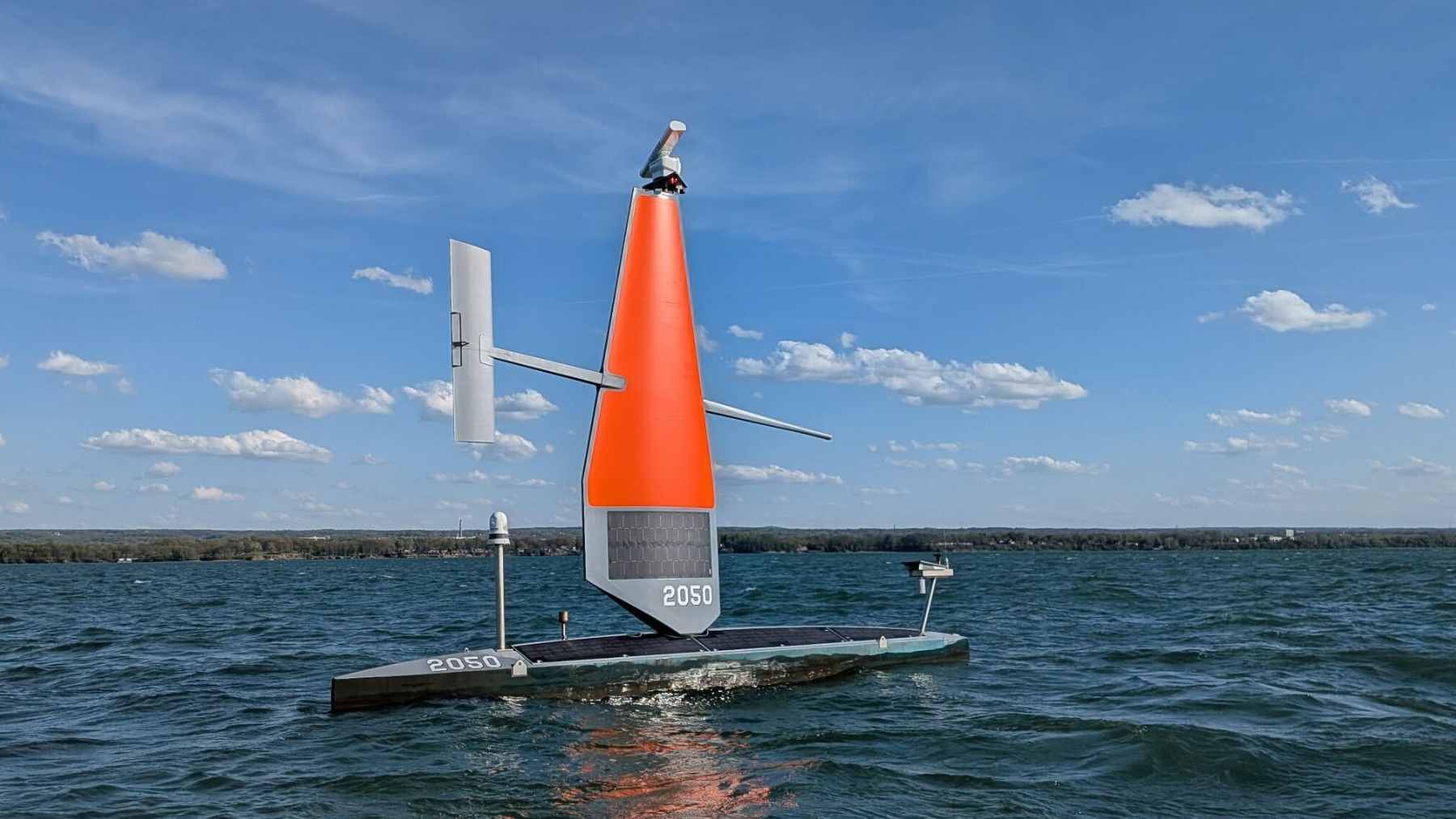
The vessels are wind- and solar-powered and equipped with radar, cameras, collision-avoidance artificial intelligence, and human monitoring.
That sounds tidy on paper. But for people who fish, sail, or spend weekends crossing Lake Erie or Lake Michigan, it raises a simple question: who is watching the water, and what happens to the information collected there?
What the Coast Guard says
According to the Coast Guard’s official explanation, the drones are meant to help crews see more of a huge and difficult operating area. The agency says the systems are focused on maritime domain awareness, including information about vessel activity, distress situations, and illegal operations.
Saildrone says the broader program involves 16 Voyager unmanned surface vehicles under a $15.5 million contract signed in March. The company says the fleet is supporting northern border security across the Great Lakes and off the Northeast coast.
A 33-foot watcher
The Saildrone Voyager is not a tiny gadget skimming the waves. It is a 33-ft. unmanned surface vessel designed for persistent coastal surveillance and nearshore mapping missions, with cameras, radar, automatic identification system receivers, and long-endurance operation.
Saildrone lists the Voyager’s endurance at 100 days between service stops. In other words, one vessel can stay out long enough to become a familiar sight to boaters who may never know exactly what it sees or records.
Privacy concerns surface
Rights advocates and some Great Lakes users worry that the program could collect more information than the public understands. Petra Molnar, a researcher at York University’s Refugee Law Lab, told The Guardian that the contractor-owned and operated model creates unanswered questions about retention, access, and accountability.
That concern matters because the Great Lakes are not a closed military zone. They are working waters, fishing grounds, shipping corridors, tourist destinations, and weekend escapes for families who may simply want to take a boat out without feeling like part of a border experiment.
The need question
Supporters of the drones argue that the Great Lakes form a soft border with Canada, and that wider Coast Guard visibility can help detect smuggling, unsafe vessel activity, or illegal fishing. That argument is not hard to understand. These lakes cover more than 94,000 square miles, and no agency can be everywhere at once.
Critics point to a gap between the scale of the surveillance and the public evidence of the threat, however. The Coast Guard told The Guardian there is “no indication” that safety on Great Lakes border waters has changed, while also describing the deployment as a proactive step.
A business and defense story
This is also a business story. Saildrone is not just supplying a lake patrol tool, it is part of a fast-growing defense technology market where autonomous vessels are being sold as cheaper, persistent, and scalable systems for governments.
The company’s defense profile has grown quickly. In October 2025, Lockheed Martin announced a $50 million investment in Saildrone to develop unmanned surface vehicles with “lethal, combat-proven defense technology” for U.S. Navy use, though the Coast Guard has said it does not envision such weapons on the Great Lakes.
Why the environment angle matters
At first glance, wind- and solar-powered drones may sound like a lighter environmental choice than sending more crewed patrol boats across the lakes. Less fuel, fewer crews, and longer missions can make sense in rough or remote conditions. Still, clean propulsion does not settle the broader question.
The Great Lakes are a living system as much as a border. Any technology placed there should be judged not only by how well it detects suspicious boats, but also by how clearly it protects public trust, wildlife research, recreation, and the privacy expectations of people using shared water.
Transparency is the test
Ryan Weekes, commodore of the Cleveland-based InterCity Yacht Club, told The Guardian that boaters should know what information is being collected, how it is used, who can access it, and what safeguards are in place. That is a practical request, not an anti-security slogan.
At the end of the day, the Coast Guard may be right that autonomous systems can help crews do their jobs. But if the public is being asked to accept persistent surveillance on one of America’s most beloved freshwater landscapes, the rules need to be just as visible as the drones.
The official statement was published on U.S. Department of War.