British Columbia has long been seen as a clean-power success story, a place where hydroelectric dams helped keep the grid far cleaner than many others in North America. But now, BC Hydro is looking at a move that could make climate advocates deeply uneasy.
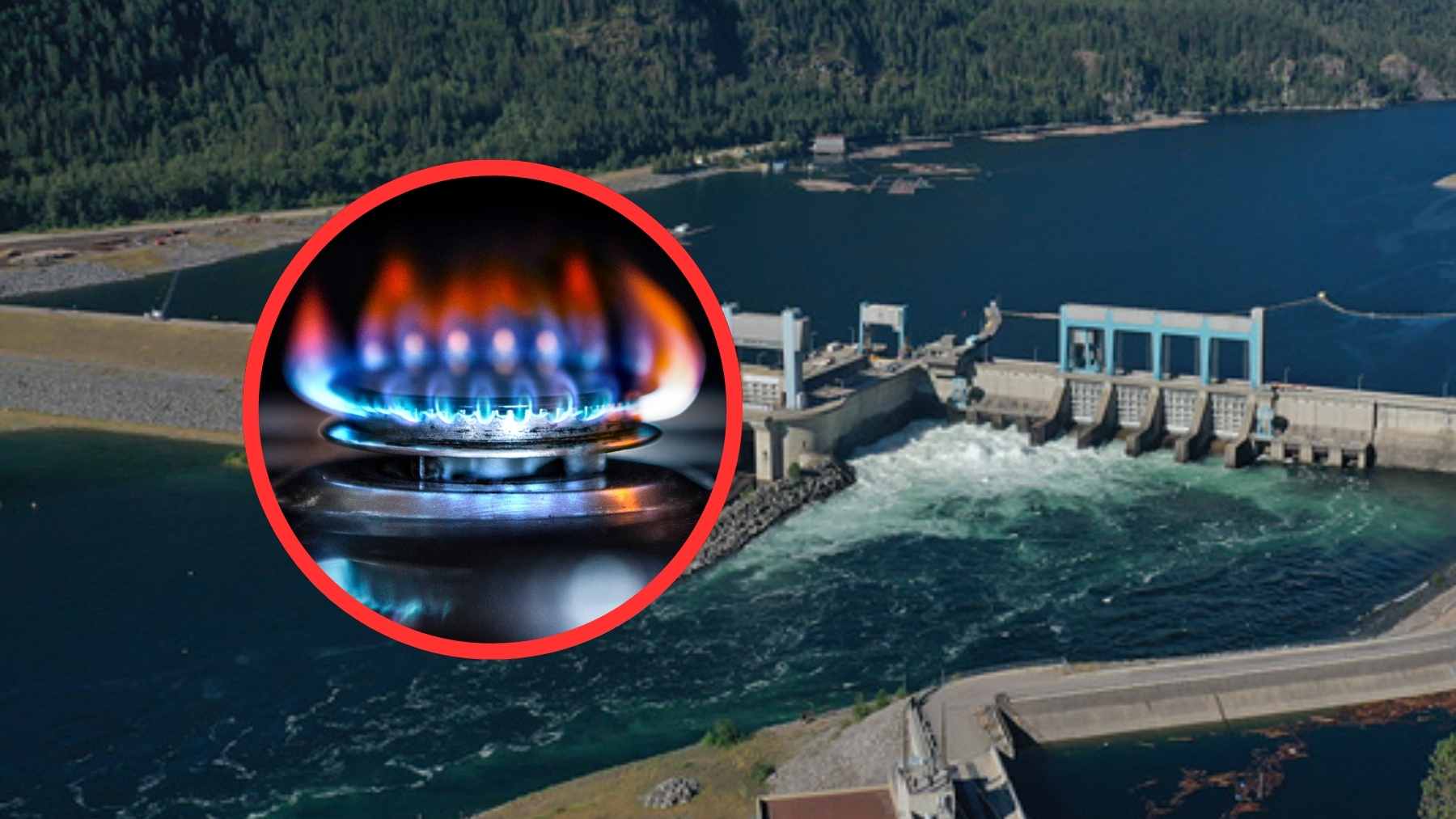
In a May 28 filing to the British Columbia Utilities Commission, the utility asked for room to pursue new agreements with two natural gas power plants. The reason is simple, and uncomfortable: electricity demand is growing so quickly that the province may face a 500-megawatt shortfall by 2030, enough power for about 500,000 homes.
A quiet gas lifeline
The two plants are Island Generation in Campbell River and McMahon Cogeneration in Taylor, in northeastern British Columbia. Together, they can provide about 400 megawatts of electricity, which would cover roughly 80% of the shortfall BC Hydro now sees coming.
That is a big deal because the province has been moving toward rules that would phase out fossil fuel power from the grid by 2030. BC Hydro had planned to stop buying power from Island Generation in October and from McMahon a few years later, once their contracts expired.
Now the utility is saying the risk of running short is “significant.” Data centers, electric vehicles, mines, export terminals, population growth, and industrial expansion are all pushing demand higher. In practical terms, more people and companies are plugging in at the same time the province is trying to unplug from fossil fuels.
Why 2030 matters
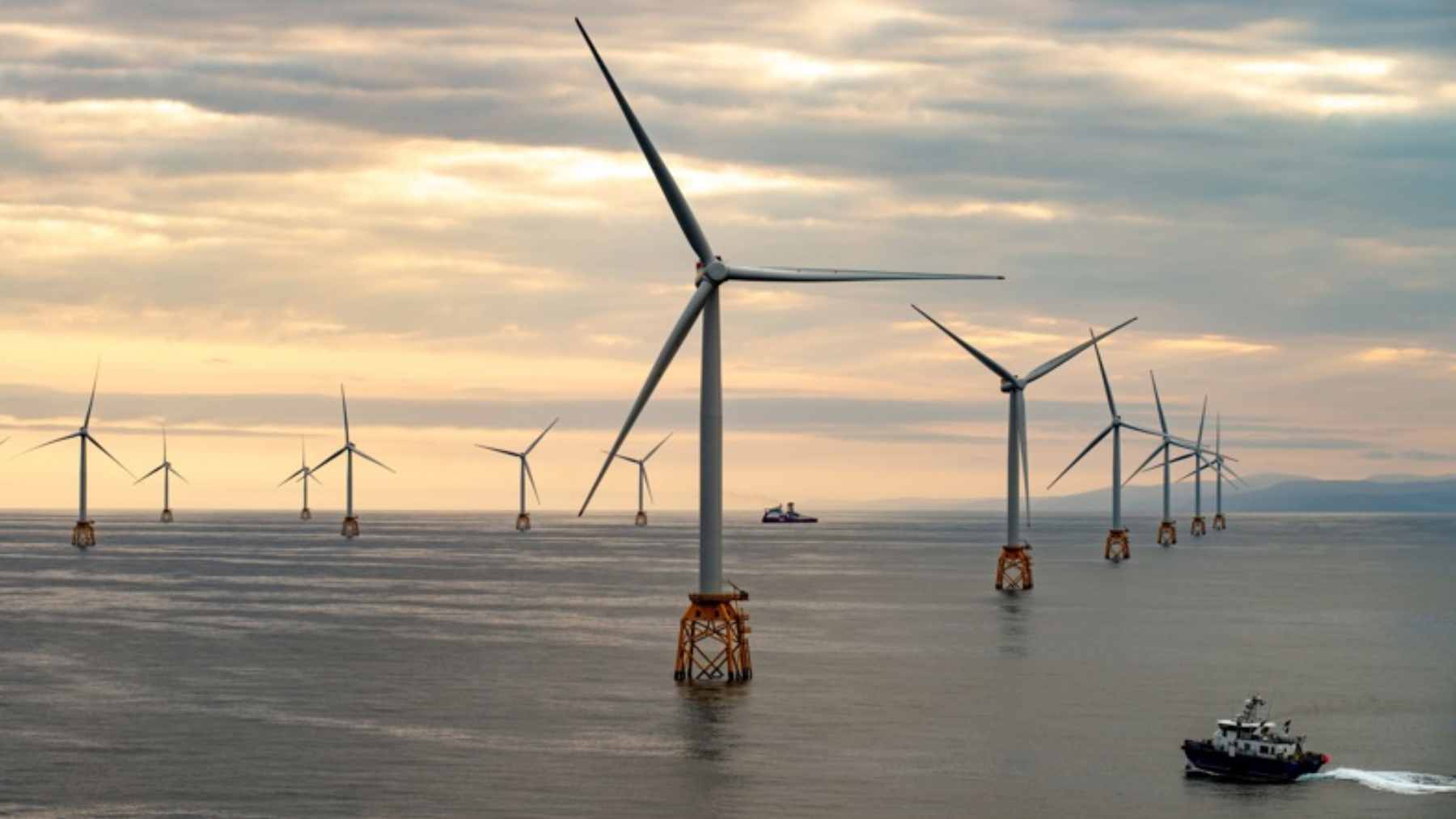
The timing is what makes this so tricky. BC Hydro has already awarded power purchase agreements to a wave of wind and solar projects, and more clean-energy projects are on the way. The utility’s own plan says the 2024 and 2025 calls for power will add major new renewable supply over the coming years.
Energy projects do not arrive just because a province needs them. They have to be financed, permitted, built, connected, and tested. Many of the new wind and solar projects are expected to come online gradually between 2028 and 2034.
That leaves a gap. Think of it like needing heat in your home tonight while the contractor is still building the new system for next winter. The clean future may be on order, but the grid still has to work tomorrow morning.
Batteries help, but only so much
BC Hydro has also begun looking at large-scale batteries across the province, including on Vancouver Island. Batteries can be extremely useful during short spikes in demand, especially when people come home, turn on appliances, charge cars, and crank up heating or cooling.
Still, the utility has warned that many battery systems provide only four to eight hours of capacity. That can help during a daily peak, but it is a different challenge from a two-week cold snap or a long heat wave that keeps air conditioners running.
That is the heart of the clean grid problem. Wind and solar can lower emissions over the year, and batteries can smooth short bursts of demand, but a modern grid also needs dependable power during the hardest hours. Those hours do not always arrive politely.
Vancouver Island is exposed
Vancouver Island shows why the issue is not just political. The island generates about 40% of its electricity locally, with the rest imported from the mainland through submarine cables.
Island Generation alone represents about a quarter of local capacity. If those cables were damaged by a major storm, earthquake, or other disaster, local backup power would suddenly matter a lot more.
For residents, this is not an abstract debate about energy models. It is about whether lights, hospitals, grocery stores, and phone chargers keep working when the grid is under stress. Reliability has a way of becoming very real, very quickly.
CleanBC faces a stress test
Critics say BC Hydro’s move is a “dose of reality.” Barry Penner, a former British Columbia cabinet minister and now chair of the Energy Futures Institute, argued that the province is finally recognizing the limits of trying to meet fast-rising demand without natural gas backup.
Clean-energy advocates see it differently. Evan Pivnick of Clean Energy Canada warned that extending gas contracts changes the foundation of clean power procurement in the province. He also said any move toward new gas plants should be approached with great caution.
Both points can be true. Climate policy can be necessary, and forecasts can still miss how quickly demand changes. The trouble is, the clock is moving faster than politics.
Data centers changed the math
One of the newer pressures is the rise of data centers, especially as artificial intelligence expands. These facilities consume large amounts of electricity around the clock, and utilities across North America are now adjusting plans that were built before the latest AI boom.
Nancy Olewiler, an economist and professor emeritus at Simon Fraser University, has pushed back against the idea that CleanBC has failed. She argued that few planners fully anticipated how quickly data center demand would grow.
That matters because blaming climate policy alone would miss part of the story. Electric vehicles, heat pumps, industrial growth, mines, and computing loads are all arriving at once. The grid is being asked to become cleaner and bigger at the same time.
The next choice
BC Hydro has said it is not exploring gas, coal, or nuclear power as a source of baseload energy because of concerns such as emissions, seismic risks, and costs. But it is exploring firm power options that can meet peak demand and back up renewable supply.
That distinction will be watched closely. Keeping existing gas plants available for emergencies is one thing. Building new gas plants could be another, especially if it locks in fuel costs and emissions for years.
Pivnick put the risk plainly when he warned that exposure to gas also means exposure to global energy prices. “We’d better be absolutely sure,” he said.
What readers should keep in mind
The key question is not whether British Columbia still wants clean electricity. For the most part, it clearly does. The harder question is whether renewables, transmission upgrades, demand reduction, batteries, geothermal power, and other firm clean resources can arrive quickly enough.
At the end of the day, the grid needs more than clean megawatt-hours on paper. It needs dependable power on the coldest nights, the hottest afternoons, and the worst days for infrastructure.
BC Hydro’s gas request does not end the clean-energy transition. It does, however, show how bumpy that transition can get when demand rises faster than the system is ready for.
The official filing was published on the British Columbia Utilities Commission.