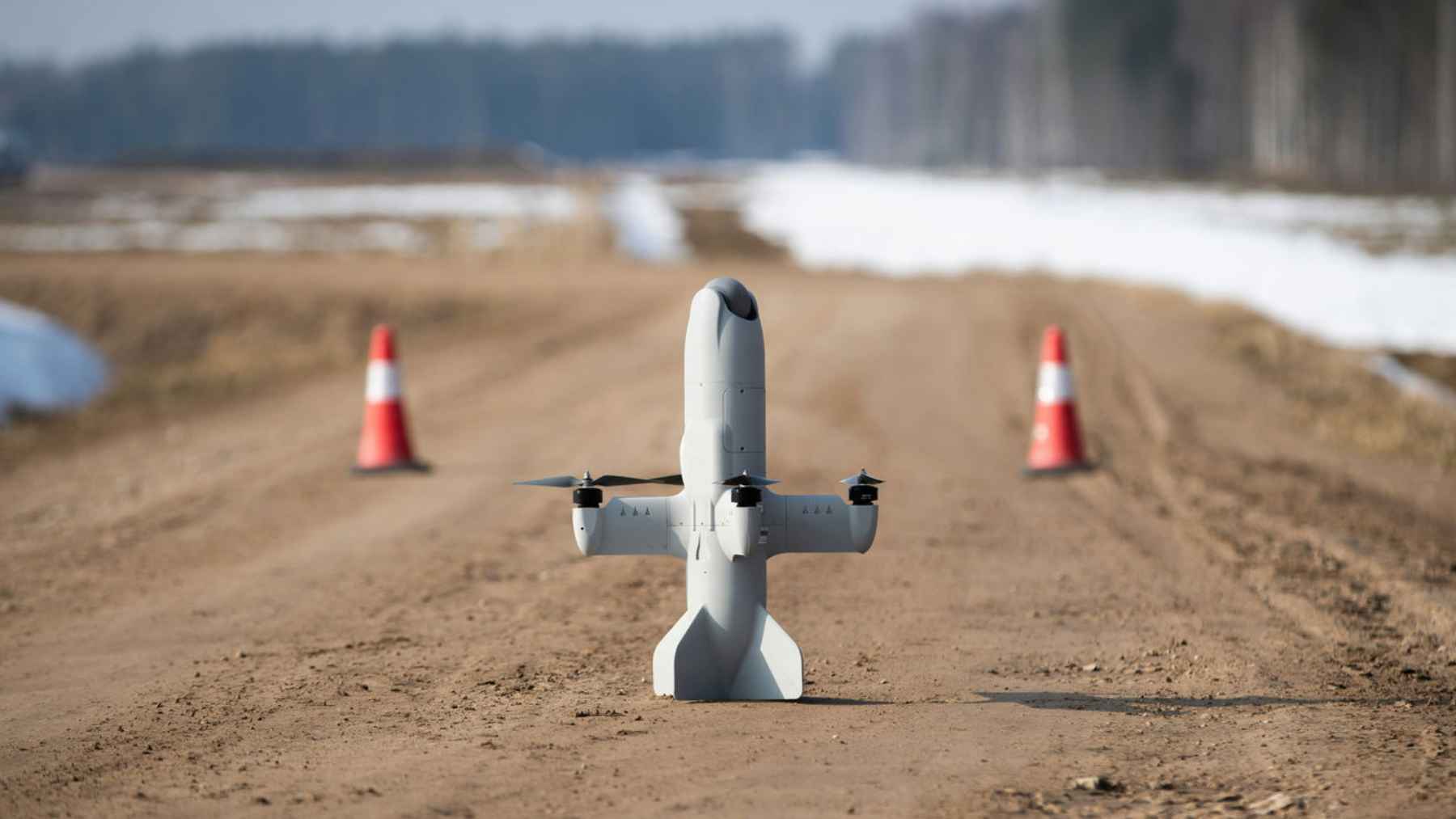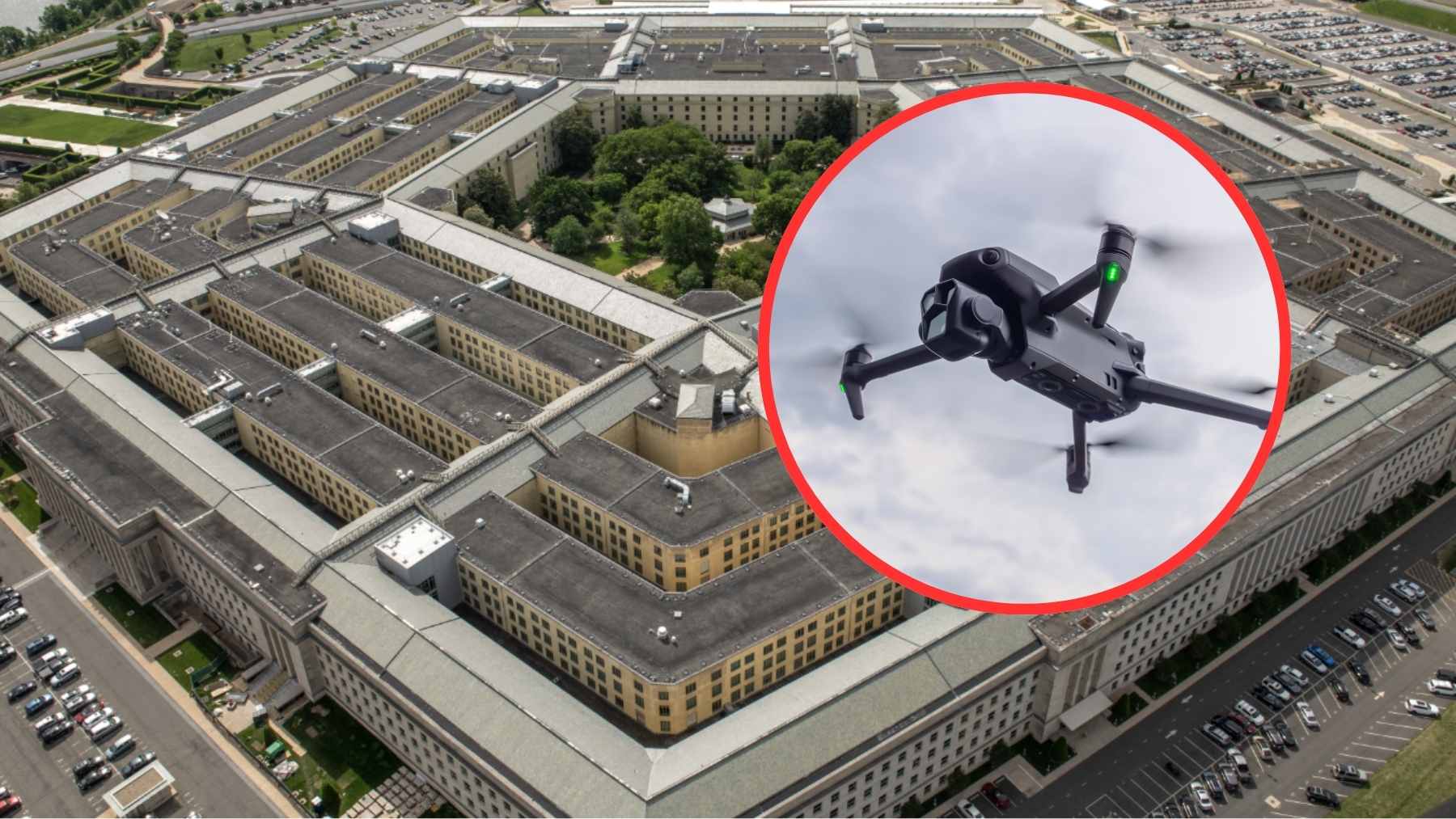
The Pentagon’s new bet on disposable drones is not just a military story. It is also a supply chain story, a tech story, and, to a large extent, an environmental story hiding in plain sight.
The U.S. Department of War says its Drone Dominance Program could manufacture about 340,000 small unmanned aircraft systems for combat units over two years.
The Army is separately aiming for at least one million drones within two to three years, according to Reuters, a shift that treats small aircraft less like rare military platforms and more like ammunition that can be used, lost, and rapidly replaced.
A new kind of war machine
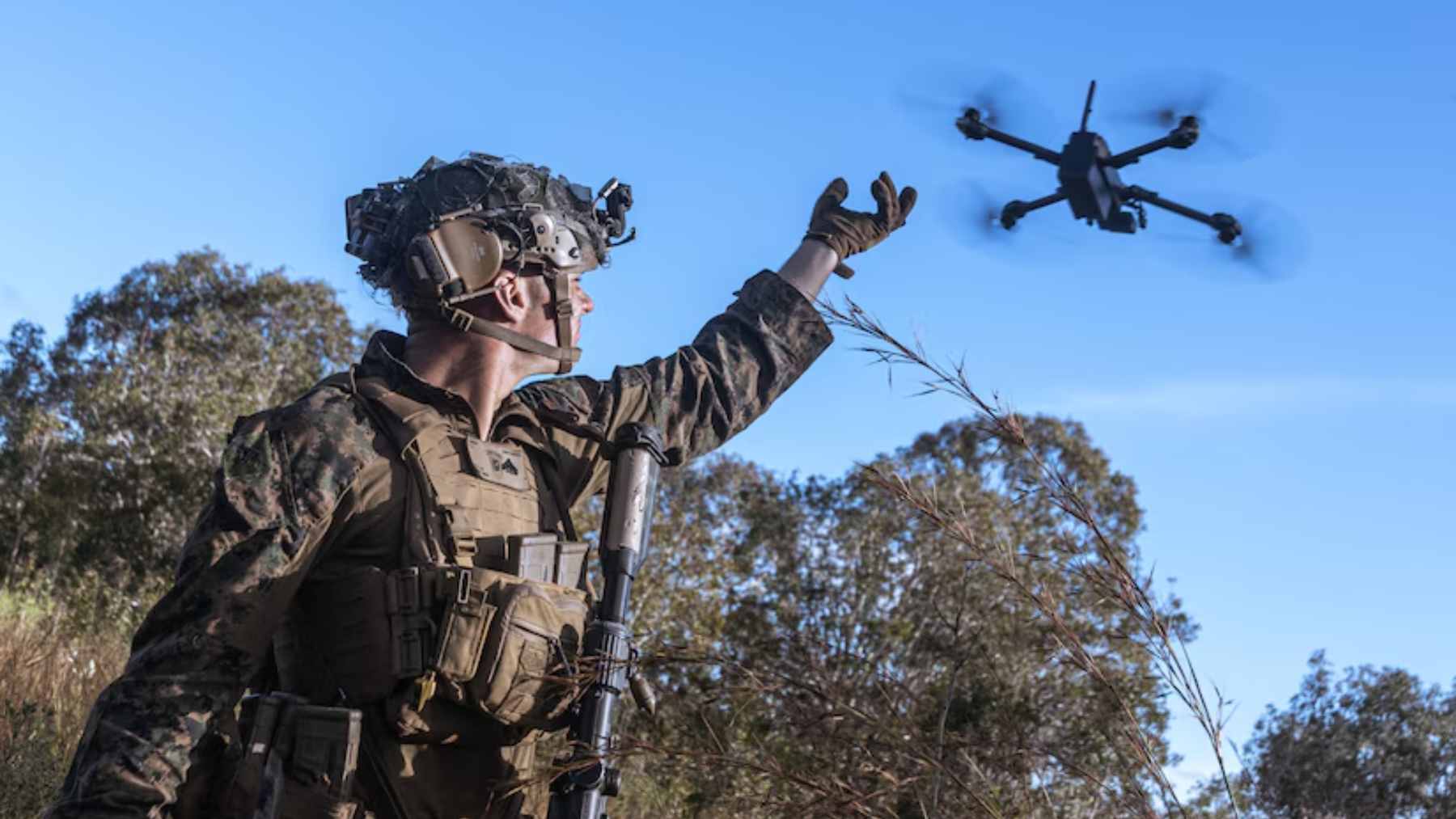
For decades, military drones were usually associated with large, costly aircraft operated by specialized teams. That picture is changing fast as small unmanned aircraft systems become cheaper, more portable, and easier to adapt for reconnaissance, direct strikes, and battlefield surveillance.
Defense officials now see small drones as a mass-use tool. Pete Hegseth has called drones the “biggest battlefield innovation in a generation,” while the Department of War says the military still lacks the needed quantities of lethal small drones.
How the plan works
The Drone Dominance Program is built around a competitive process called the “Gauntlet,” where military operators fly and evaluate vendor systems before orders are placed. In Phase I, 25 vendors were invited to compete, with about $150 million in prototype delivery orders expected after testing.
The larger plan is designed to push unit prices down while production rises. According to the Department of War, the number of drones ordered would increase from 30,000 to 150,000 across later gauntlets, while the price per drone would fall from $5,000 to about $2,300.
Disposable changes everything
A disposable aircraft sounds strange at first, but on a battlefield, the logic is simple enough. If a drone can be jammed, shot down, lost, or destroyed on impact, commanders need replacements ready before the first wave is gone.
That is why Army Secretary Daniel Driscoll’s million-drone target matters. Reuters reported that the Army currently acquires about 50,000 drones a year, so reaching one million in two to three years would mean a huge jump in purchasing, storage, training, and production capacity.
The environmental bill starts upstream
Here is where the ecology angle comes in. A small drone may look like a simple flying gadget, but inside it are batteries, circuit boards, sensors, cameras, motors, communications equipment, and sometimes rare earth magnets.
The International Energy Agency says lithium, nickel, cobalt, manganese, and graphite are crucial for battery performance, while rare earth elements are essential for permanent magnets used in electric motors.
The Department of War has also said rare earth permanent magnets are used in unmanned aerial vehicles and other defense systems, and that it has awarded more than $439 million since 2020 to build domestic rare earth supply chains.
Then comes the e-waste problem
The drone push lands in a world already struggling with electronic waste. The Global E-waste Monitor says the world produced 68 million tons of e-waste in 2022 and is on track to reach about 90 million tons. Less than one-quarter was properly collected and recycled in 2022.
Military drones are not household electronics, of course. They can include explosives, secure communications systems, and battlefield contamination that make recovery and recycling far more complicated. Still, the basic issue is familiar to anyone with an old phone in a drawer.
When electronics are built for short lives, someone eventually has to deal with the leftovers.
Batteries need special handling
Lithium-ion batteries add another layer of risk. The EPA warns that these batteries should not go into household trash or regular recycling bins because they can cause fires, and because valuable recyclable materials can be lost when they are handled improperly.
The agency also found more than 240 fires caused by lithium-ion batteries at 64 waste management facilities between 2013 and 2020. That does not mean military drone batteries will follow the same path, but it does show why disposal and recovery rules matter before production scales up.
Training is part of the story
The Pentagon is not only buying hardware. It also wants drone capabilities built into realistic combat exercises, including force-on-force drone scenarios. That matters because a drone program is only as strong as the troops, charging systems, repair kits, storage rules, and safety practices behind it.
In practical terms, a $2,300 drone is cheap only if the system around it works. Soldiers need to know how to launch it, protect it from interference, store its batteries, handle damaged units, and replace it quickly when it is gone.
Business sees a huge signal
The business side is obvious. Regular, predictable purchases give private companies a reason to invest in production lines, components, software, and U.S.-based supply chains.
The Army’s SkyFoundry concept points in the same direction. Breaking Defense reported that the public-private effort is meant to support American manufacturing, expand access to rare earth materials, produce lower-cost components, and deliver drones for immediate Army needs.
What to watch next
The big question is not whether drones will matter in future wars. They already do. The harder question is whether the United States can scale them without creating new bottlenecks in batteries, motors, chips, rare earths, training, and end-of-life management.
That’s where the next phase gets interesting. If drones are becoming battlefield consumables, procurement rules may need to treat recycling, battery safety, domestic sourcing, and hazardous debris as part of readiness, not as paperwork after the fact.
The official statement was published on U.S. Department of War.