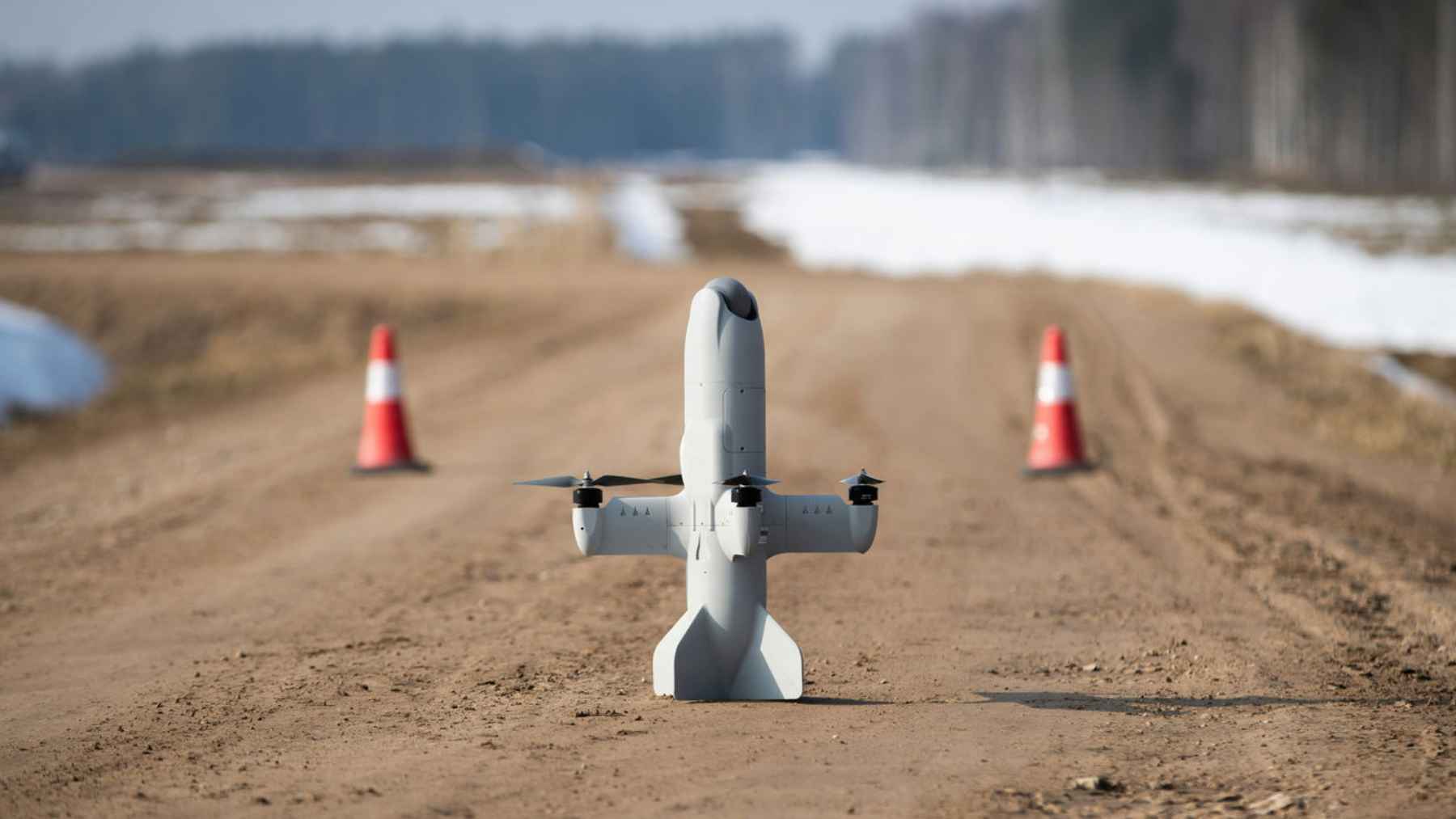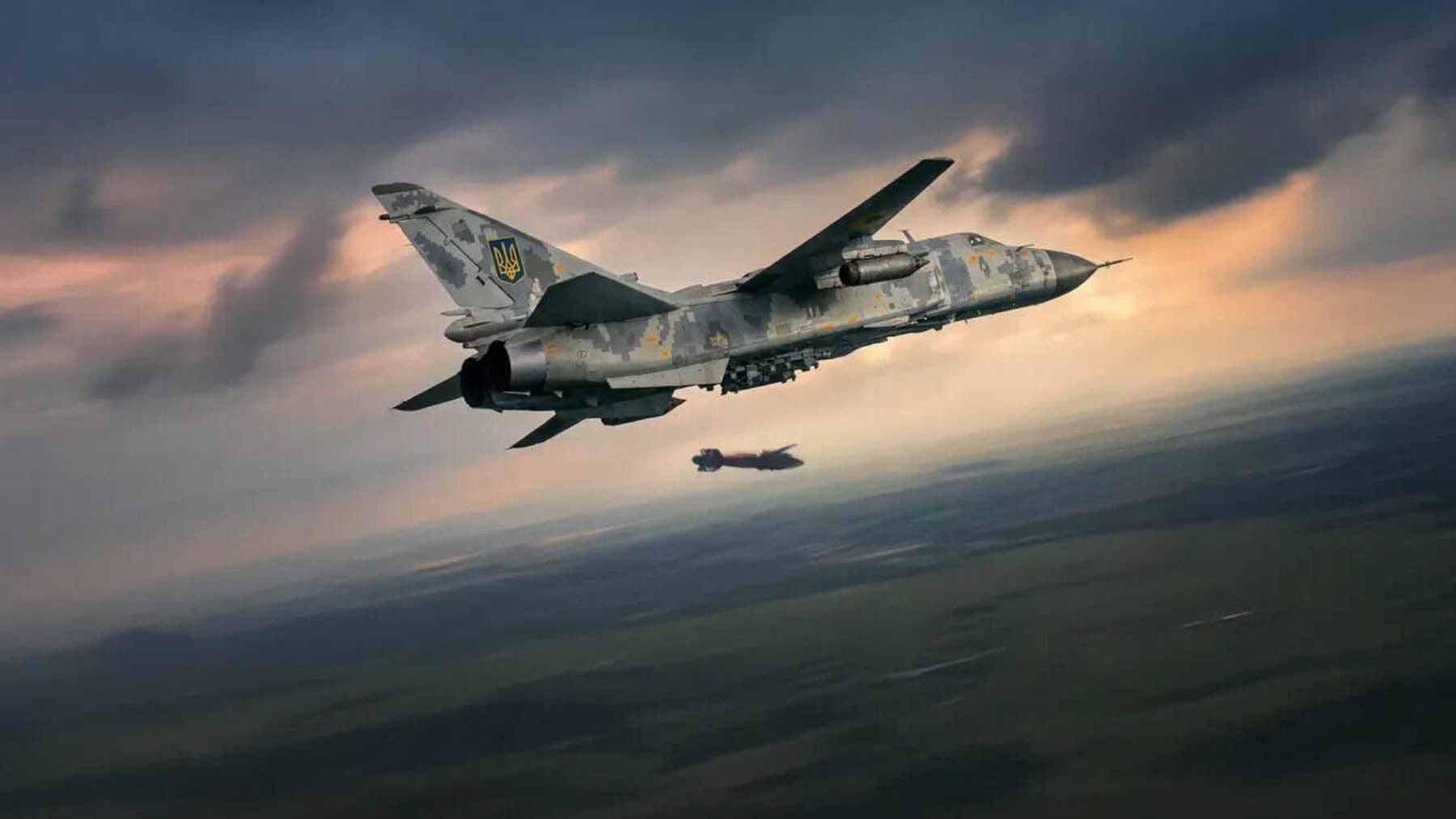
Ukraine says its first domestically developed guided glide bomb is ready for combat, a milestone that could reshape how Kyiv fights from the air. The weapon, called Vyrivniuvach, or “Equalizer,” was developed over 17 months with support from Brave1 and has passed the required tests, according to Ukraine’s Ministry of Defense.
This is not just another munition added to a long weapons list. It is a sign that Ukraine is trying to move from depending on donated precision weapons to building its own, at lower cost, while fighting a war that has already scarred cities, forests, soil, and waterways. The hard part is that precision may reduce waste, but it does not make war clean.
Ukraine now has its own glide bomb
A glide bomb is an air-launched weapon fitted with guidance and aerodynamic control systems, allowing it to travel farther and strike more accurately than a conventional free-fall bomb. That means a pilot can release it from miles away instead of flying directly over the most dangerous air defenses.
Ukraine’s new bomb carries a 250-kg (550 lbs.) warhead and is designed to strike fortifications, command posts, and other targets deep behind the front line. Defense Minister Mykhailo Fedorov said the country is now “building indigenous high-tech weapons,” framing the weapon as part of a broader push for technological advantage.
The Ministry of Defense says the design was created from scratch, not copied from Western or Soviet systems. That matters because Ukraine’s battlefield is full of electronic warfare, fast-moving threats, and short windows for aircraft to act.
Why the lower cost matters
Business Insider reported that Vyrivniuvach costs roughly three times less than the US-made JDAM-ER systems Ukraine has used during the war. That price gap is not a small detail. When a war becomes a contest of production lines, repair crews, and supply trucks, cheaper weapons can change the tempo.
Ukraine has relied on JDAM-ER kits from the United States and European allies since early 2023. Those kits turn conventional bombs into longer-range precision weapons with wings and guidance systems. Useful, yes, but also tied to foreign supply chains, approval processes, and limited stockpiles.
That is why a domestic option is so important. At the end of the day, Kyiv is trying to make precision firepower less dependent on decisions made far from the battlefield.
Russia made glide bombs a battlefield problem
Russia has leaned heavily on glide bombs during the war, often retrofitting Soviet-era bombs with wings and guidance kits. Ukraine’s Ministry of Defence says Russia has fielded this type of weapon since 2023, while Business Insider noted that some Russian models weigh up to 6,500 lbs.
Why are they so hard to stop? For the most part, they do not follow the clean, predictable path of a ballistic missile. They can have short flight times, small radar signatures, and launch aircraft may remain outside the reach of Ukrainian air defenses.
That leaves Ukraine with a painful problem. How do you answer a weapon that can smash front-line positions while the aircraft that dropped it stays far away?
The environmental shadow of modern weapons
The environmental cost of this war is not abstract. A 2025 report from the European Commission’s Joint Research Centre found that the invasion has increased risks from toxic pollution, military emissions, forest fires, and damage to soil and waterways.
It also warned that chemicals from munitions and other pollutants may have long-term consequences for human health and biodiversity.
UNDP has also said that around 30% of Ukraine’s protected areas, covering more than 3 million acres, have been affected by hostilities. Attacks on fuel and industrial facilities have caused chemicals to leach into rivers and groundwater, creating what UNDP called a possible “toxic legacy.”
So where does a guided bomb fit into that picture? A more accurate weapon can, in theory, reduce the number of strikes needed to hit a military target. But every explosion still tears into land, infrastructure, and daily life. Precision changes the calculation, not the moral or environmental burden.
What happens next
Ukraine’s Ministry of Defense has already bought the first experimental batch of the new bombs. Pilots are practicing combat scenarios, and the system’s combat debut is expected soon.
Business Insider reported that the weapon is designed to work with current Ukrainian aircraft and could also be launched from F-16 and Mirage jets after additional certification. That could make it more flexible as Ukraine’s air fleet becomes more mixed.
The big question now is production. One successful weapon is a breakthrough, but a steady supply of reliable weapons is what changes a campaign.
Vyrivniuvach may not end Ukraine’s dependence on Western systems overnight. Still, it shows that Kyiv’s defense industry is no longer just adapting imported tools–it is building its own.
The official statement was published on Ministry of Defense of Ukraine.