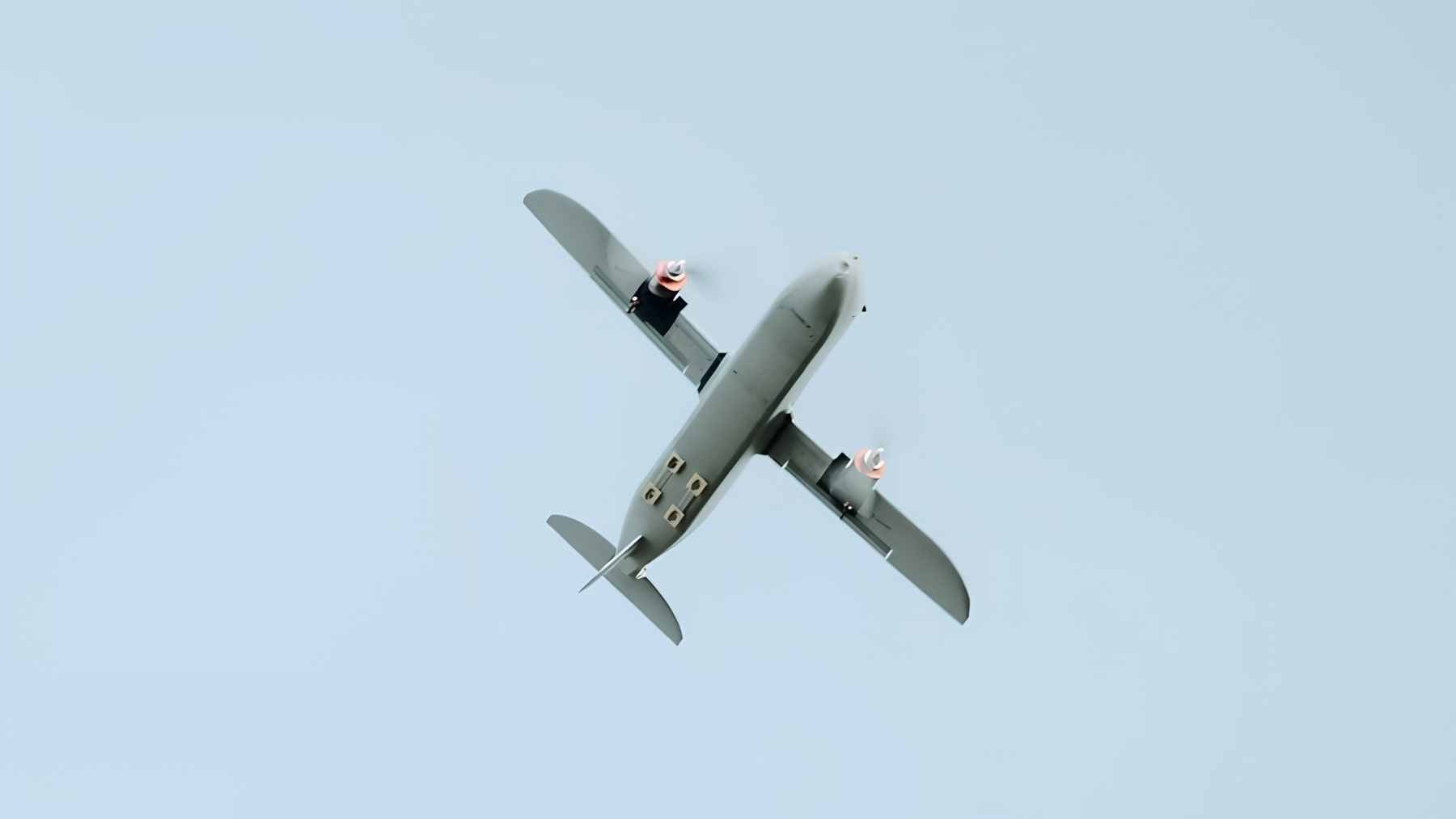
EL TIEMPO reports that Colombia has received two large U.S.-backed “megadrones” meant to speed up the eradication of illegal coca crops with glyphosate, but the plan has not yet become a real field operation.
Technical problems, environmental checks, and community resistance have slowed a strategy that was supposed to deliver faster results in the country’s drug war.
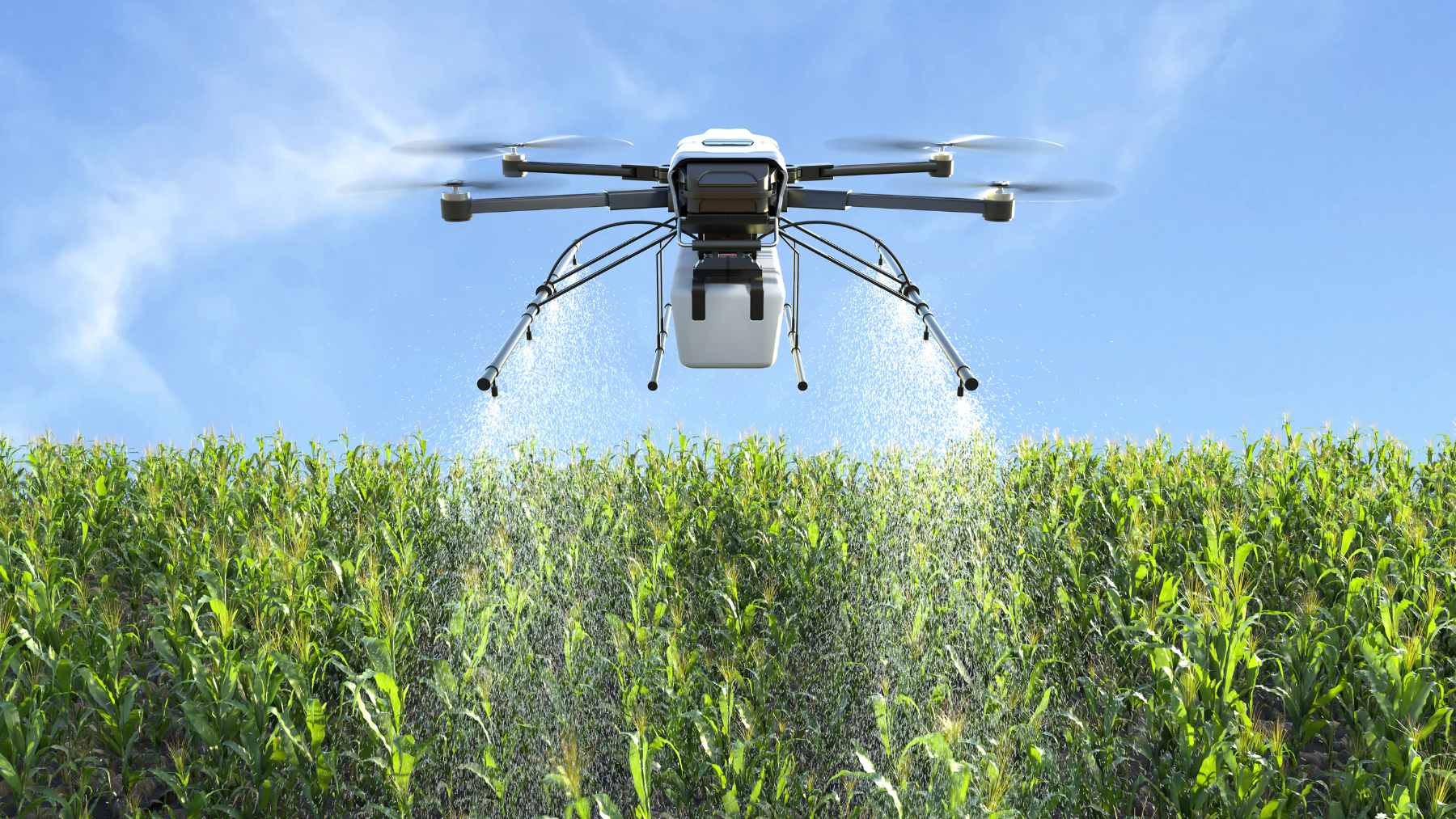
The idea sounds simple at first glance. Instead of sending workers through dangerous fields or spraying from high aircraft, drones would fly low over marked plots and apply herbicide with more control. However, that means the technology has to satisfy engineers, environmental regulators, police commanders, and rural communities all at once.
A plan stuck before takeoff
A technical report reviewed by EL TIEMPO pointed to very specific operating conditions, including a speed of 5 meters per second, a height of 1.5 meters above the crop canopy, a flow of 2.4 liters per minute, and a pass width of 2.5 meters. Those details matter because drift is the central environmental fear.
A gust of wind, a weak tank, or the wrong flow rate can turn a precision tool into something neighbors worry will land on food crops or water. That is why the drones are not just aircraft. They are also a test of whether military-style technology can be precise enough for sensitive ecosystems.
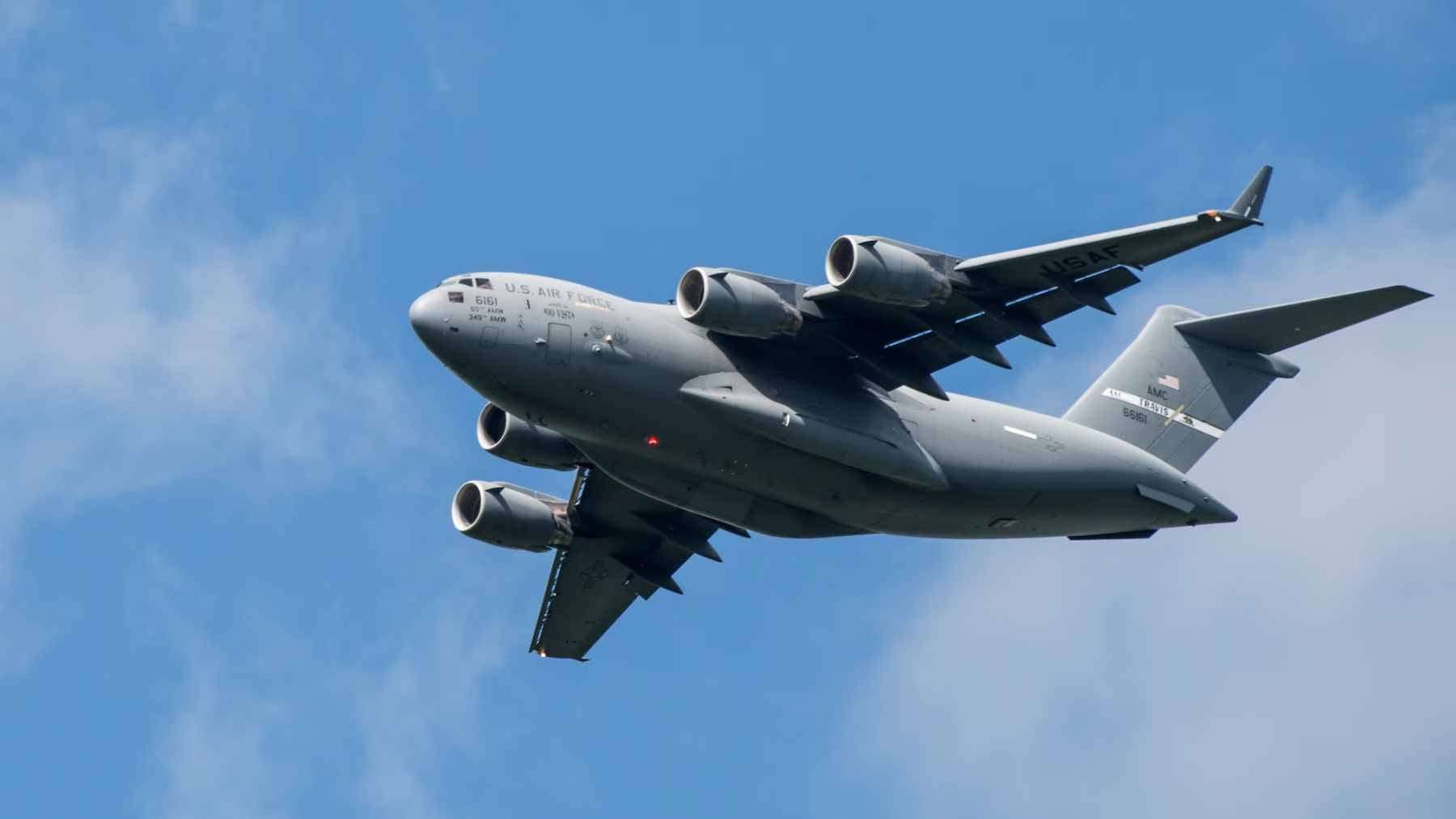
According to the report, the U.S. Embassy provided two higher-capacity drones after earlier equipment showed limits in herbicide storage. A bigger tank helps, but it does not solve the hardest part. The real question is whether the spray stays exactly where officials say it will.
The environmental hurdle
Colombia’s National Environmental Licensing Authority said in December 2025 that terrestrial glyphosate spraying with drones is already covered under an existing environmental instrument.
Still, ANLA said the police must present calibration and drift studies, and the Interinstitutional Technical Committee must certify that drone use meets the technical conditions for terrestrial spraying.
That is where the plan meets ecological reality. The country is not only asking whether a drone can fly. It is asking whether herbicide can be applied without damaging nearby farms, streams, or protected food production areas.
Glyphosate remains deeply disputed. The International Agency for Research on Cancer classified it in 2015 as “probably carcinogenic to humans,” while the EPA and European regulators have reached different conclusions under regulated-use conditions.
For families near coca fields, that scientific split can feel less abstract than the morning fog over a river or children walking past crops to school.
Why Washington cares
The pressure is not coming from nowhere. UNODC reported that coca cultivation in Colombia rose to 625,000 acres in 2023, while potential cocaine production reached 2,900 tons, a 53% increase over 2022.
Colombian police also reported major seizures in the first quarter of 2026, including 124 tons of cocaine hydrochloride, 99 tons of marijuana, and more than 5,030 acres of illicit crops eradicated. Those numbers show enforcement is moving, but they also show why officials want a faster tool.
Washington has publicly backed the drone approach. The State Department’s INL described the technology as potentially “game-changing,” arguing that it could reduce coca cultivation, improve security in Colombia, and keep more drugs from reaching U.S. streets.
The human factor
In areas such as Putumayo and Nariño, officials still have to inform local authorities and face communities that remain skeptical of agrochemicals. The resistance is not hard to understand. People worry about soil, water, legal crops, and the feeling that decisions are being made far away from the farms where the spray would fall.
There is also the security angle. Drone spraying could reduce direct exposure for police and soldiers in areas where armed groups operate, but it may deepen mistrust if it arrives before substitution programs, roads, markets, and basic services.
At the end of the day, an aircraft can carry herbicide, but it cannot carry a rural development plan.
So what changes now?
The two U.S.-supplied drones may help overcome the storage problem that slowed earlier tests. Still, the clock is moving faster than the bureaucracy. Colombia needs technical proof, environmental verification, and some form of local buy-in before a pilot effort becomes a sustained campaign.
For now, the story is less about a sci-fi breakthrough and more about an old policy question wearing new hardware: can precision tech make glyphosate acceptable, or does it simply make a controversial policy look cleaner from the sky? That is the test Colombia has not passed yet.
The official statement on the environmental rules for the program was published on ANLA.