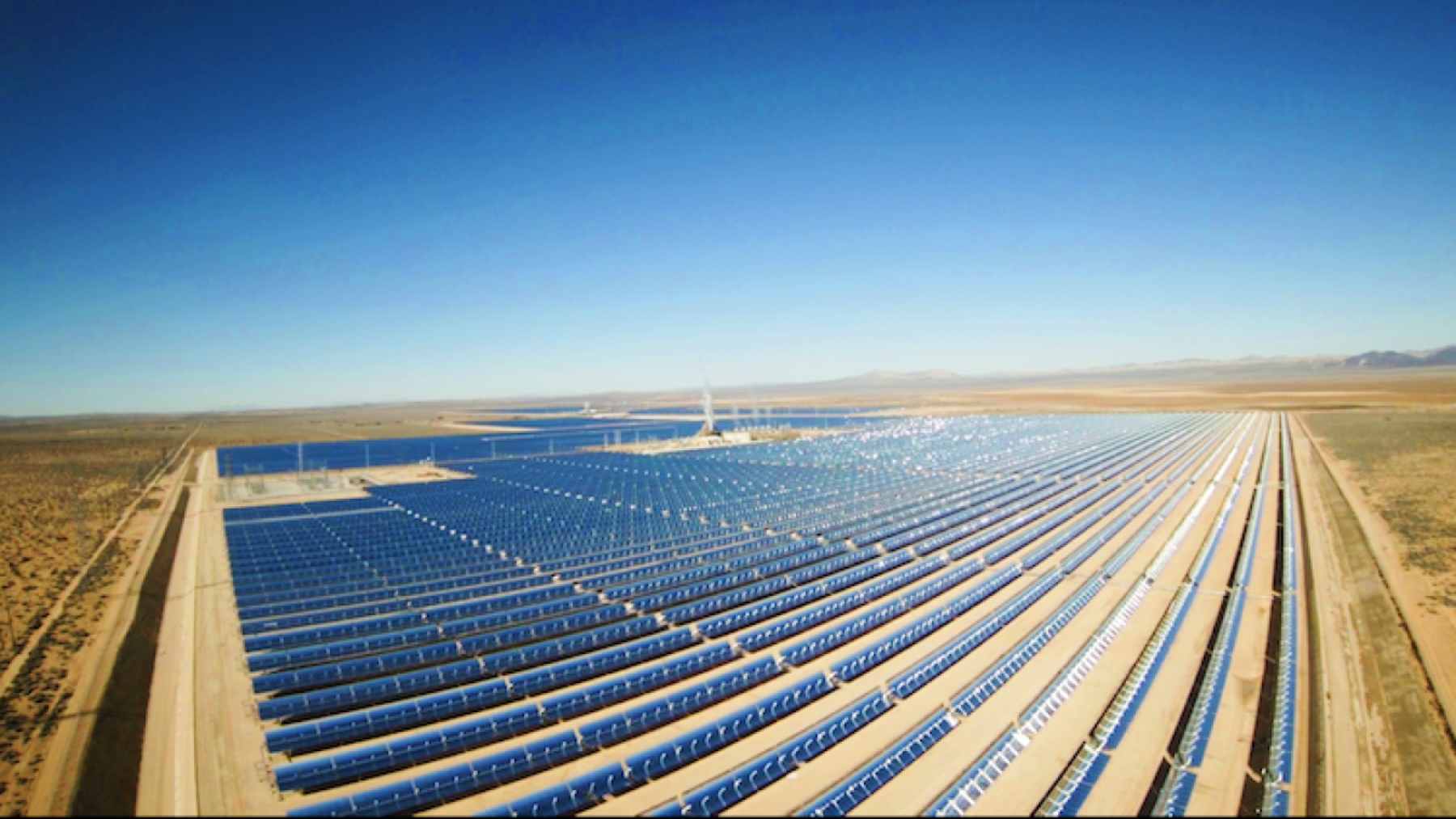
The Ivanpah Solar Electric Generating System was once presented as a clean-energy landmark in the Mojave Desert. It opened in 2014 near the California-Nevada line, backed by a $1.6 billion federal loan guarantee and designed as a 392-megawatt concentrating solar power plant.
Now its future is far less simple. PG&E and the plant’s owners agreed to end two long-term power contracts that would have stopped delivery to PG&E beginning in 2026, but California regulators later rejected that deal, leaving Ivanpah in limbo instead of officially closed.
A landmark with a problem
Ivanpah does not work like the solar panels people see on rooftops or beside highways. It uses software-controlled mirrors, known as heliostats, to track the sun and reflect light onto water-filled boilers atop three towers, producing steam that drives turbines.
At the time, it looked like a bold bet. The Department of Energy said the plant was expected to generate 940,000 megawatt-hours of clean energy per year and avoid 550,000 tons of carbon dioxide annually. For anyone worried about climate change and the electric bill, that sounded like the future.
Why closure stalled
PG&E’s January 2025 filing asked the California Public Utilities Commission to approve termination agreements for Ivanpah Units 1 and 3. Those two units total 259 megawatts, while Unit 2 is contracted to Southern California Edison, bringing the full plant to 392 megawatts.
Under the proposed agreements, the projects would have stopped delivering power to PG&E beginning in 2026. That was a major shift because the contracts for Units 1 and 3 were originally set to run until 2039.
Then came the twist. In December 2025, regulators rejected the termination agreements “without prejudice,” pointing to reliability questions, changing federal policy and the risk of stranding infrastructure costs. In short, they were not convinced the shutdown deal clearly protected customers.
Birds became the symbol
For many people, Ivanpah is remembered less for megawatts and more for birds. A federal forensic report found that trauma and solar flux injury were both major causes of bird mortality at Ivanpah, where concentrated sunlight could singe feathers and impair flight.
That detail matters. The same report said severe feather singeing could lead to death by impact, starvation or predation, but it also said examiners did not find evidence of significant tissue burns or eye damage. The story is dramatic, but it is also more specific than the phrase “incinerated birds” suggests.
The numbers have never been perfectly tidy. One peer-reviewed review placed Ivanpah’s first-year avian mortality rate at 0.7 to 3.5 fatalities per gigawatt-hour, while another analysis listed U.S. utility-scale solar at about 9.3 to 10.7 bird deaths per megawatt-year. Either way, the wildlife impact was real.
The technology race moved on
Ivanpah’s biggest problem may not have been one single flaw. A 2026 analysis in npj Thermal Science and Engineering said the lack of thermal energy storage undermined Ivanpah’s economics as California’s grid changed.
That is the part that hits home. Mid-day solar is no longer rare in California, so electricity that arrives when the grid is already crowded can be less valuable than flexible power that shows up during hot summer evenings when air conditioners are roaring.
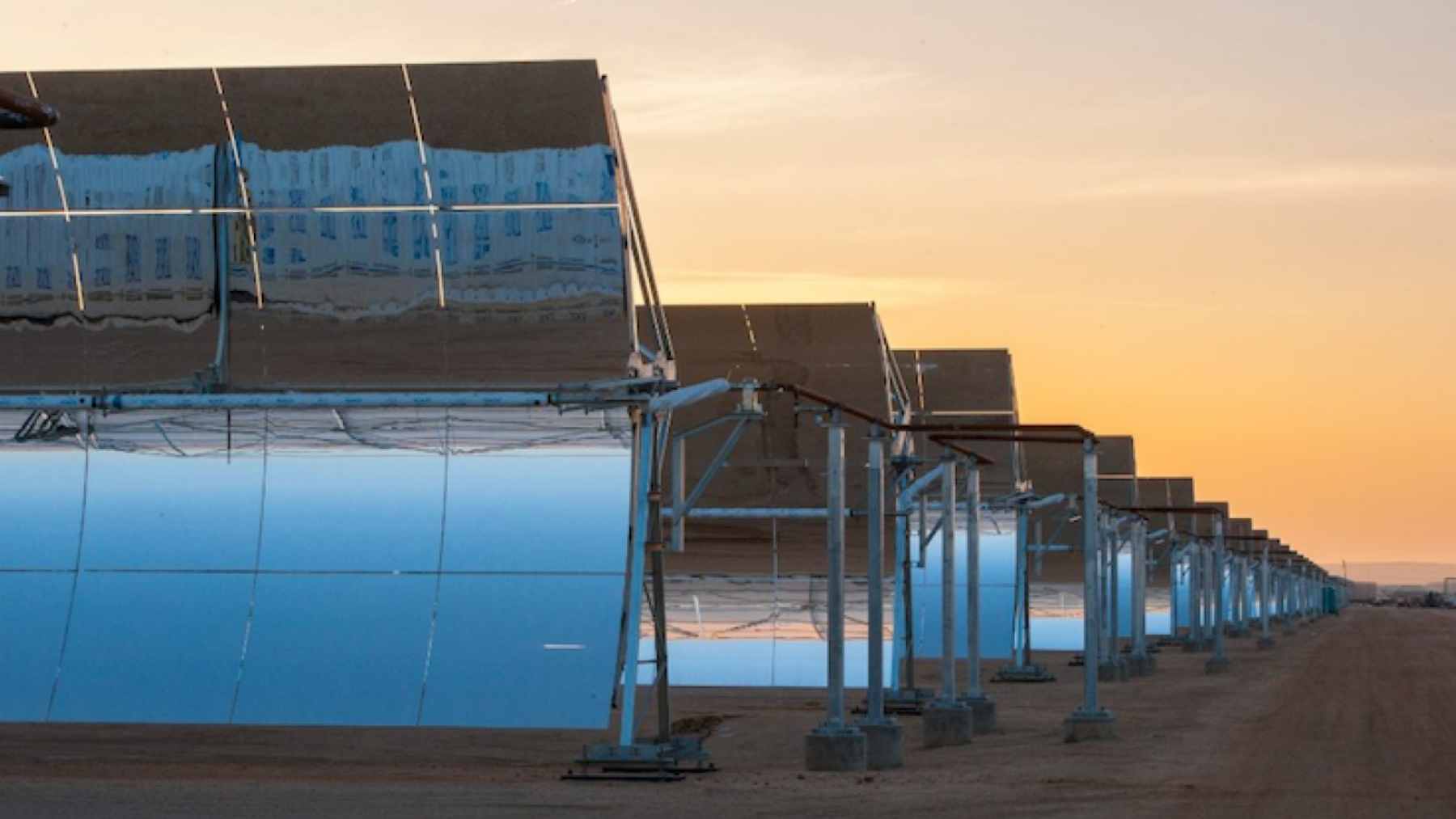
The same analysis said Ivanpah typically produced only 70% to 80% of its expected generation and that its direct steam design could not provide meaningful storage. Newer concentrating solar plants often rely on thermal storage, while ordinary solar panels paired with batteries have become the easier, cheaper-looking option for many developers.
A hard clean-energy lesson
Ivanpah’s troubles do not prove solar energy failed. They show that renewable projects still have to pass everyday tests involving cost, reliability, land use and damage to wildlife. Good intentions do not keep a turbine running or protect a bird that flies into the wrong column of light.
The project also shows why energy policy is rarely neat. Shutting down an expensive plant may sound simple, but regulators are weighing replacement power, reliability needs, paid-for infrastructure and federal debt–not a bumper-sticker decision.
At the end of the day, Ivanpah is a warning from the first generation of giant desert clean-energy projects. The energy transition has to move fast, but it also has to get smarter.
The official resolution was published on California Public Utilities Commission.