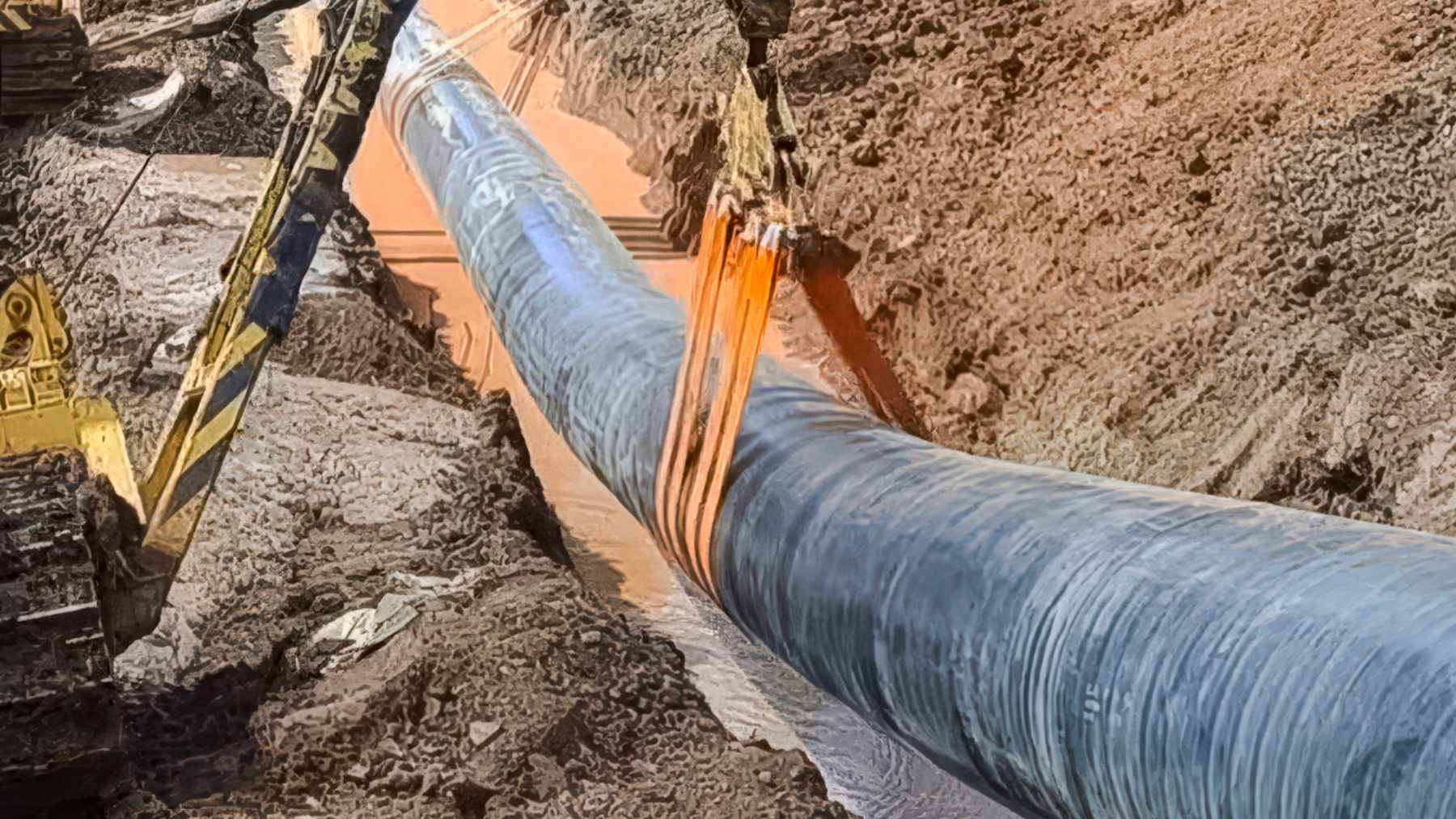
China’s role in Colombia’s transportation future is no longer just a diplomatic talking point. Bogotá’s first metro line, a project the IDB has described as worth about $4.4 billion, is now moving through the city in concrete, steel, and arriving train cars, with Chinese firms holding the key construction and operating role.
The big question is not only who builds it, it is whether this new electric rail network can cut traffic, reduce pollution, and still keep Colombia in control of critical infrastructure at a time when Washington and Beijing are fighting for influence across Latin America. That is where the clean transit story becomes a geopolitical one.
Bogotá’s rail moment
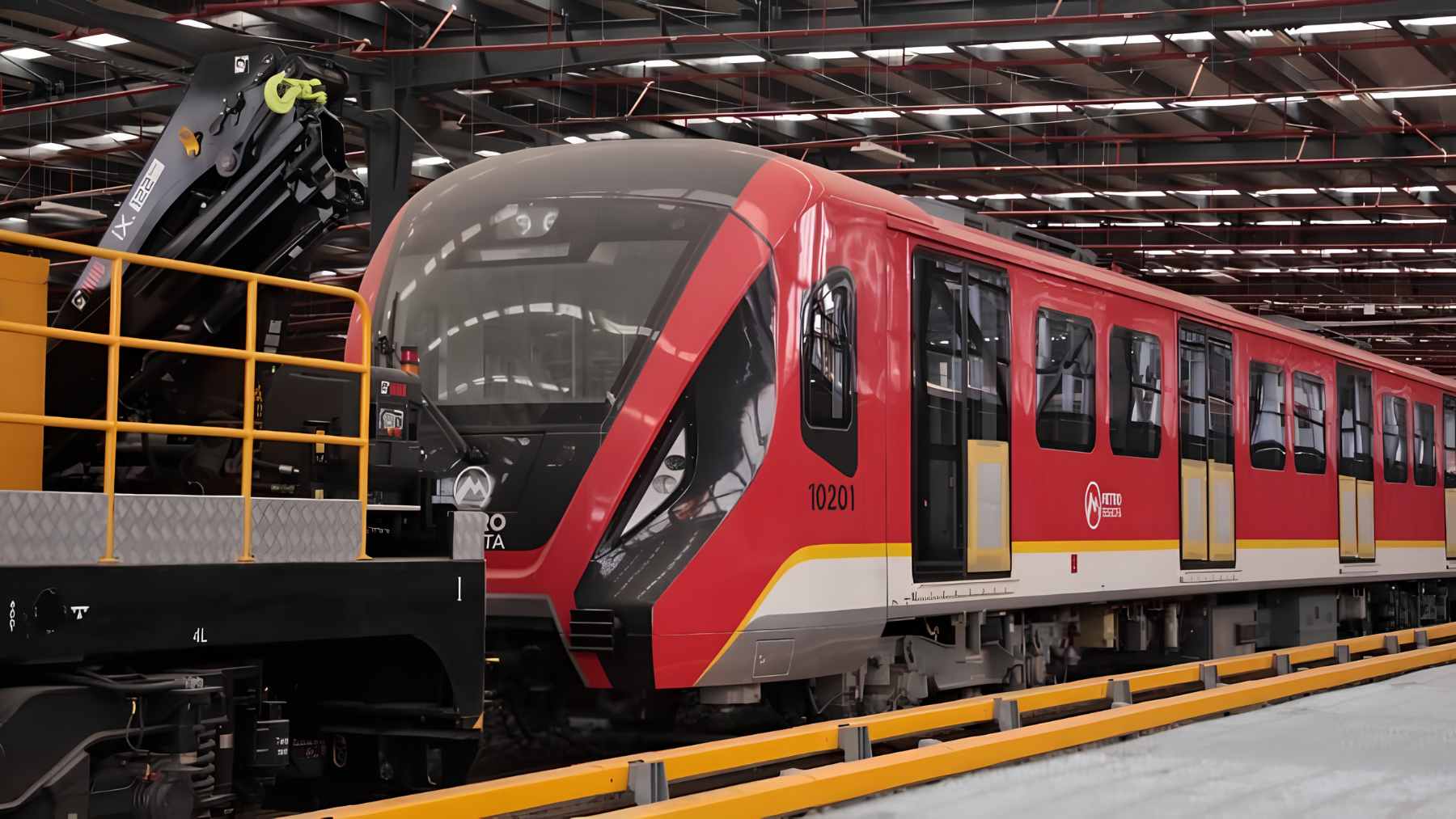
The first line of the Bogotá Metro reached 75.5% progress as of March 31, 2026, according to the city. By April 7, nine trains had arrived in Bogotá, with all 30 trains expected in the city during 2026.
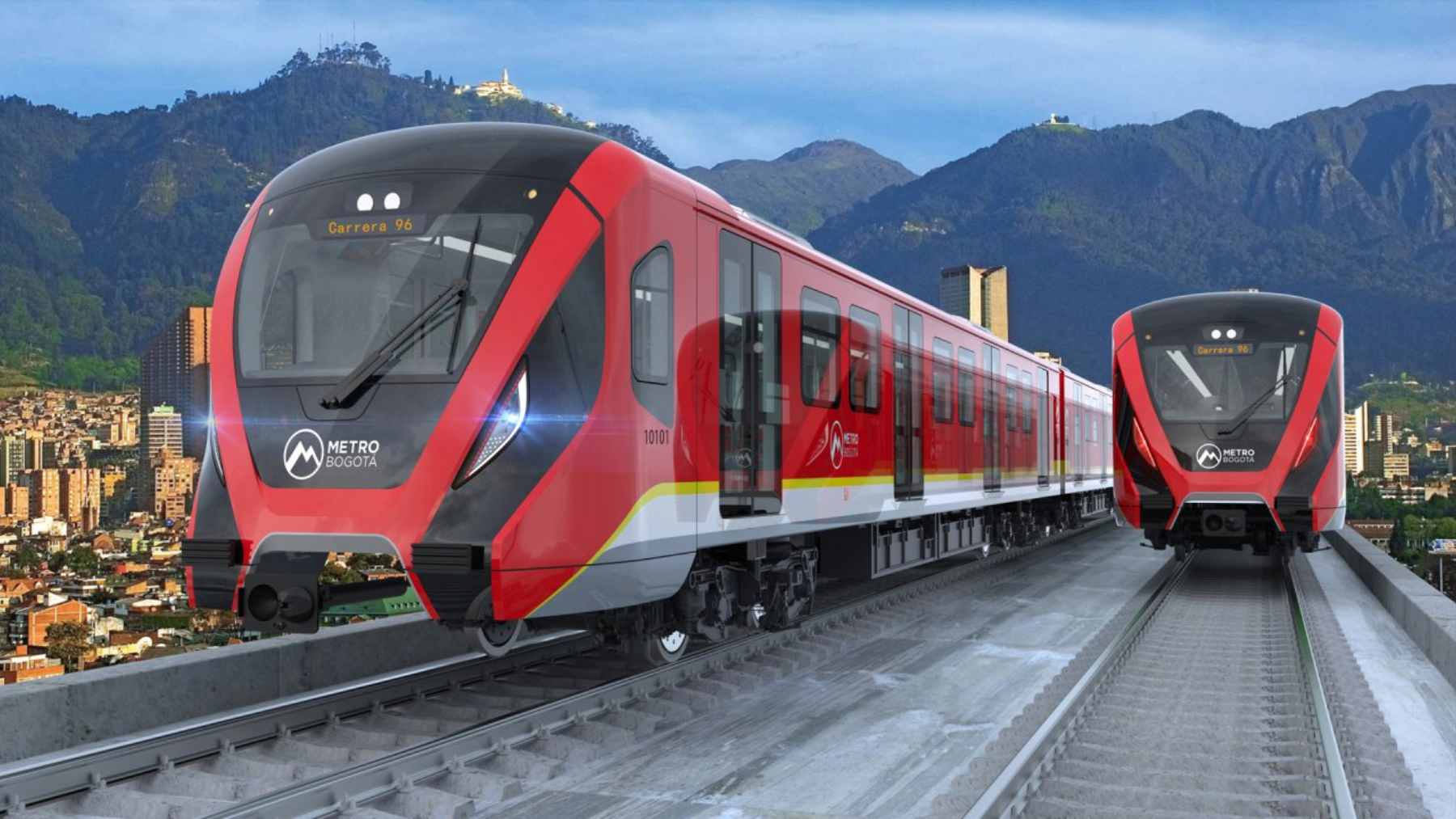
This is a serious technology jump for a city known for traffic jams, packed buses, and that daily layer of exhaust their commuters know too well. The trains are fully automatic, require no driver, and each one can carry about 1,800 passengers.
It is not the only rail project in the works. RegioTram de Occidente, led by China Civil Engineering Construction Corporation, will run 24 miles with 17 stations between Bogotá and municipalities including Facatativá, Madrid, Mosquera, and Funza.
Cleaner air is the selling point
For Bogotá, the environmental argument is easy to understand. City officials estimate that Line 1 of the Metro could avoid about 171,000 tons of CO₂ emissions per year and save at least 19 million gallons of fossil fuels annually once it begins operating.
That does not mean one metro line fixes the air problem overnight. Bogotá’s 2023 air emissions inventory found that road mobile sources made up 28% of PM2.5 emissions, with freight transport responsible for about a third of that category.
Still, electric rail can change the rhythm of a city. Fewer long bus rides, less noise, and fewer cars stuck in bottlenecks matter in everyday life, especially on hot afternoons when traffic seems to sit still. RegioTram officials have also promoted the system as electric and sustainable, with trains reaching up to 45 miles per hour.
Washington is watching
The rail push is happening as Colombia moves closer to China’s Belt and Road Initiative. In May 2025, Colombia and China signed a cooperation plan tied to the initiative, adding a sharper political edge to infrastructure projects already underway.
The U.S. Bureau of Western Hemisphere Affairs said it would “strongly oppose” IDB and other international financing for Chinese state-owned and controlled companies in Colombia and other Belt and Road countries in the region. It also warned that such projects “endanger the region’s safety and security.”
The concern is not that an electric train is dangerous by itself. The issue is who designs, finances, operates, updates, and maintains systems that become part of a country’s daily backbone. That entails contracts, software, data, supply chains, and long-term dependence.
The next test is operation
RegioTram is expected to enter service in phases, with the first section between Facatativá and Fontibón planned for October 2027 and full connection to central Bogotá projected for 2029. For many riders, the promise is simple enough, turning trips that can take up to three hours into journeys closer to one hour.
The Metro has its own clock. Bogotá says the 15-mile viaduct is advancing, the trains are arriving, and static and dynamic tests follow once the vehicles are assembled at the Bosa yard. Commercial operation is expected in 2028.
At the end of the day, clean rail only works if it is reliable, affordable, and trusted. That means transparent audits, strong cybersecurity, clear maintenance rules, and real integration with buses, TransMilenio, and regional rail.
The official statement was published on Bogotá.gov.co.