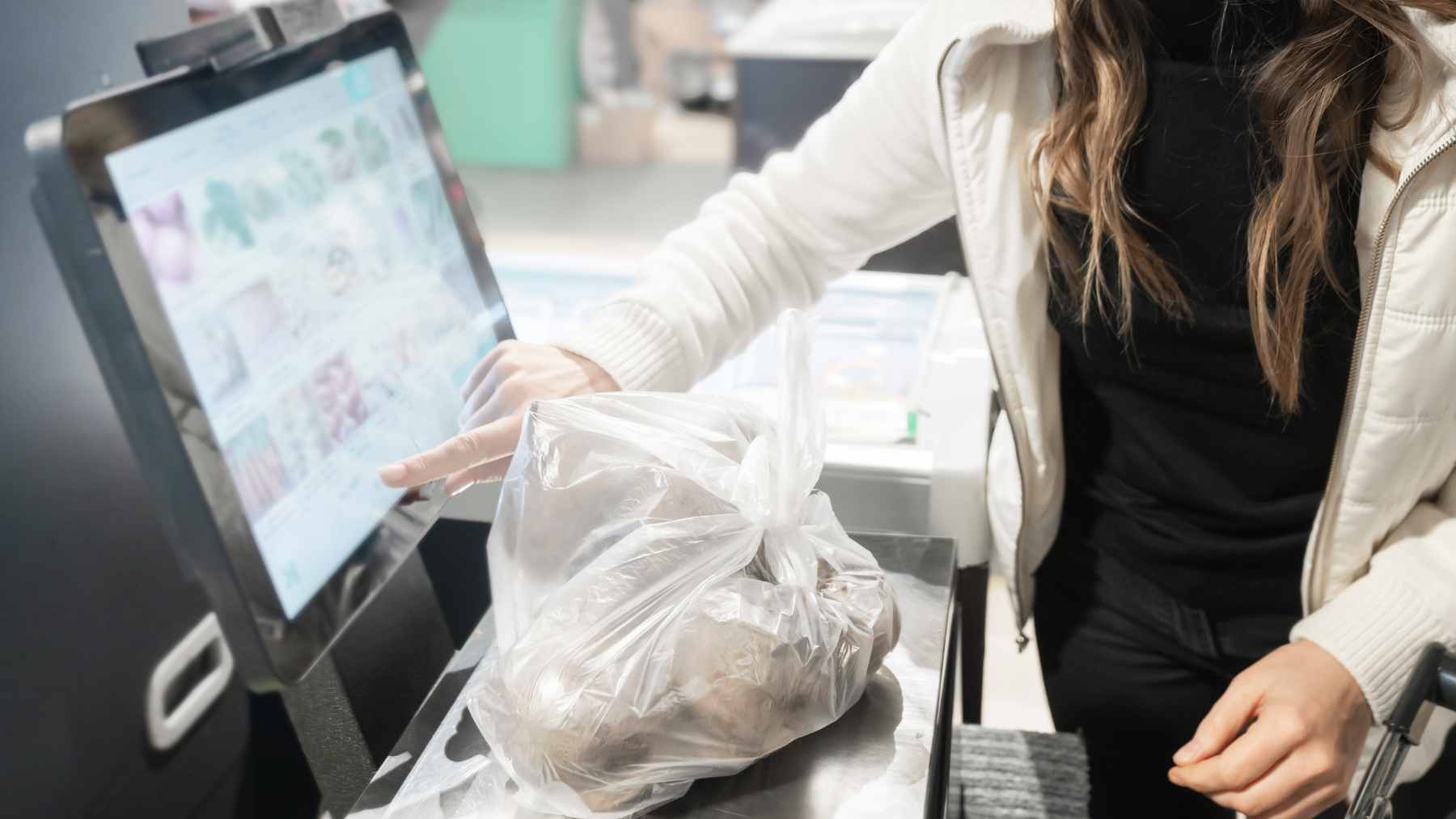
It can look inefficient, almost stubborn. A shopper walks past an empty self-checkout kiosk and joins a slower line with a cashier. They may not be rejecting technology at all, they may be choosing one of the smallest social rituals left in a daily routine that keeps getting faster and quieter.
The point is not that machines are bad or that every shopper wants conversation. It is that a brief hello, a shared smile, or one line about reusable bags can do emotional work that a screen cannot.
A 2024 retail study found that regular checkout can make shoppers more loyal to a store than self-checkout, suggesting the human lane still carries value beyond speed.
A small moment at the register
Brief human interactions are tiny exchanges with people outside our close circle. They can be as simple as “How’s your day going?” or “Do you need a receipt?” Most of the time, nobody remembers them five minutes later.
But small does not mean useless. In a Starbucks field study, Gillian Sandstrom and Elizabeth Dunn found that people told to smile, make eye contact, and have a brief conversation with a barista felt more positive and more connected than people told to be as efficient as possible.
Why speed does not always win
Self-checkout promises control. No waiting for a cashier, no small talk, no one watching the basket. For a quick lunch or a private purchase, that can feel like relief.
On the other hand, the machine removes the soft parts of the transaction. There is no nod of recognition, no shared joke about the scanner, no “have a good one” from another person. Strange as it sounds, that tiny friction may be part of what some shoppers are trying to keep.
Nicholas Epley, a behavioral scientist at the University of Chicago Booth School of Business, and Juliana Schroeder studied why strangers often avoid each other in public.
Their work found that people expected silence to feel better, but those who connected with a stranger on trains and buses reported more positive experiences.
Weak ties matter
Sociologist Mark Granovetter helped explain this through the idea of “weak ties” in the 1970s. These are casual connections, not close relationships, such as a cashier, a neighbor, a delivery driver, or the person you see at the same coffee shop every Friday. They are light, but they are not empty.
Later research on social interactions and well-being found that weak ties can add to happiness and a sense of belonging.
Students in one study felt better on days when they interacted with more classmates than usual, and broader daily interactions with peripheral contacts were also linked with social and emotional well-being.
That is why the checkout lane matters. It is not a deep friendship, and no one should pretend it is. But it can still remind a person that they are part of a shared public world, not just moving alone from screen to screen.
The loneliness piece
Loneliness is not only about being physically alone. It can also mean feeling unseen or disconnected, even while standing in a crowded store. That is why a cashier’s glance or casual line can land differently for someone who has had a quiet day.
The U.S. Department of Health and Human Services has warned that social isolation and loneliness are linked to higher health risks, including premature mortality and heart disease.
That does not mean skipping self-checkout will solve loneliness, but it does show why small chances to connect should not be treated as meaningless.
Think of it like drops in a bucket. One friendly exchange may not change a life. Many tiny exchanges, repeated across a week, can help a day feel less blank.
Machines still have a place
There is an important nuance here. Some people choose self-checkout because it gives privacy, control, or relief from unwanted attention.
A 2025 University of Illinois study found that shoppers were more likely to use self-checkout for certain stigmatized products, showing that automation can reduce embarrassment for some purchases.
So the best question may not be whether self-checkout is good or bad, it is whether stores leave room for both needs. One shopper may want speed and privacy, while another may want the steady rhythm of a cashier line, even if they cannot fully explain why.
In practical terms, avoiding self-checkout may be a quiet way to ask for a moment of human recognition. Not a long conversation, but just enough to feel seen before stepping back into the noise of the day.
Everyday life still needs people
At the end of the day, the staffed checkout lane is more than a payment point. It is one of those ordinary places where public life still happens in miniature. A scanner can total the groceries, but it cannot quite replace the feeling of another person noticing you.
That does not make every self-checkout user lonely, and it does not make every cashier exchange meaningful.
For the most part, the science points to something more modest: humans often underestimate how much brief contact can help, especially when life is organized around speed.
The main research discussed here has been published in Journal of Business Research.