Silent anxiety does not always look like panic. A person can meet deadlines, manage a household, return every message, and still move through the day with an internal alarm that never fully switches off. From the outside, everything seems fine.
Neuropsychologist Begoña del Campo describes it as a learned state of constant emotional tension that can drain sleep, focus, and the ability to enjoy the present.
The label is informal rather than a recognized medical diagnosis, but it resembles what clinicians sometimes call high-functioning anxiety. The key point is that appearing capable does not rule out real distress.
When anxiety keeps working
The confusing part is that the person may still perform well. She arrives at meetings, solves family problems, answers late-night emails, and rarely breaks down, yet her mind keeps scanning for what could go wrong next.
This constant readiness is sometimes called hyperarousal, which simply means the body and mind stay prepared for danger even when no immediate threat is present. The National Institute of Mental Health explains that anxiety can continue without a current threat and may show up as restlessness, irritability, poor concentration, fatigue, and sleep trouble.
Signs that hide in plain sight
The warning signs can look ordinary during a busy week. They include waking during the night, feeling exhausted by evening, losing focus, becoming unusually irritable, filling every quiet moment, and being unable to relax even when there is time.
How can someone tell normal pressure from a pattern that needs attention? Duration and disruption matter. Clinical guidance says persistent anxiety deserves professional attention when it becomes an obstacle at home, work, school, or in relationships.
Anxiety is also common enough to be easy to dismiss as part of modern life. In 2024, 12% of U.S. adults regularly reported feelings of worry, nervousness, or anxiety, while 19% said a health professional had diagnosed them with an anxiety disorder at some point.
Why high achievers may miss it
The pattern can affect anyone, but it may be especially hard to spot in people praised for being responsible, organized, and endlessly available. Perfectionism can turn worry into fuel, so success on the outside may hide the personal cost on the inside.
Women may face an added burden. The U.S. Office on Women’s Health says women are more than twice as likely as men to develop an anxiety disorder during their lifetime, although that statistic does not prove that work pressure or perfectionism is the cause.
Over time, achievement can become tied to self-worth. Rest may then feel undeserved, saying no may feel selfish, and finishing one task only reveals the next five. The calendar is full, but satisfaction never quite arrives.

Neuropsychologist Begoña del Campo says silent anxiety is a learned pattern rather than a permanent identity, highlighting the brain’s ability to change.
The brain can learn a different response
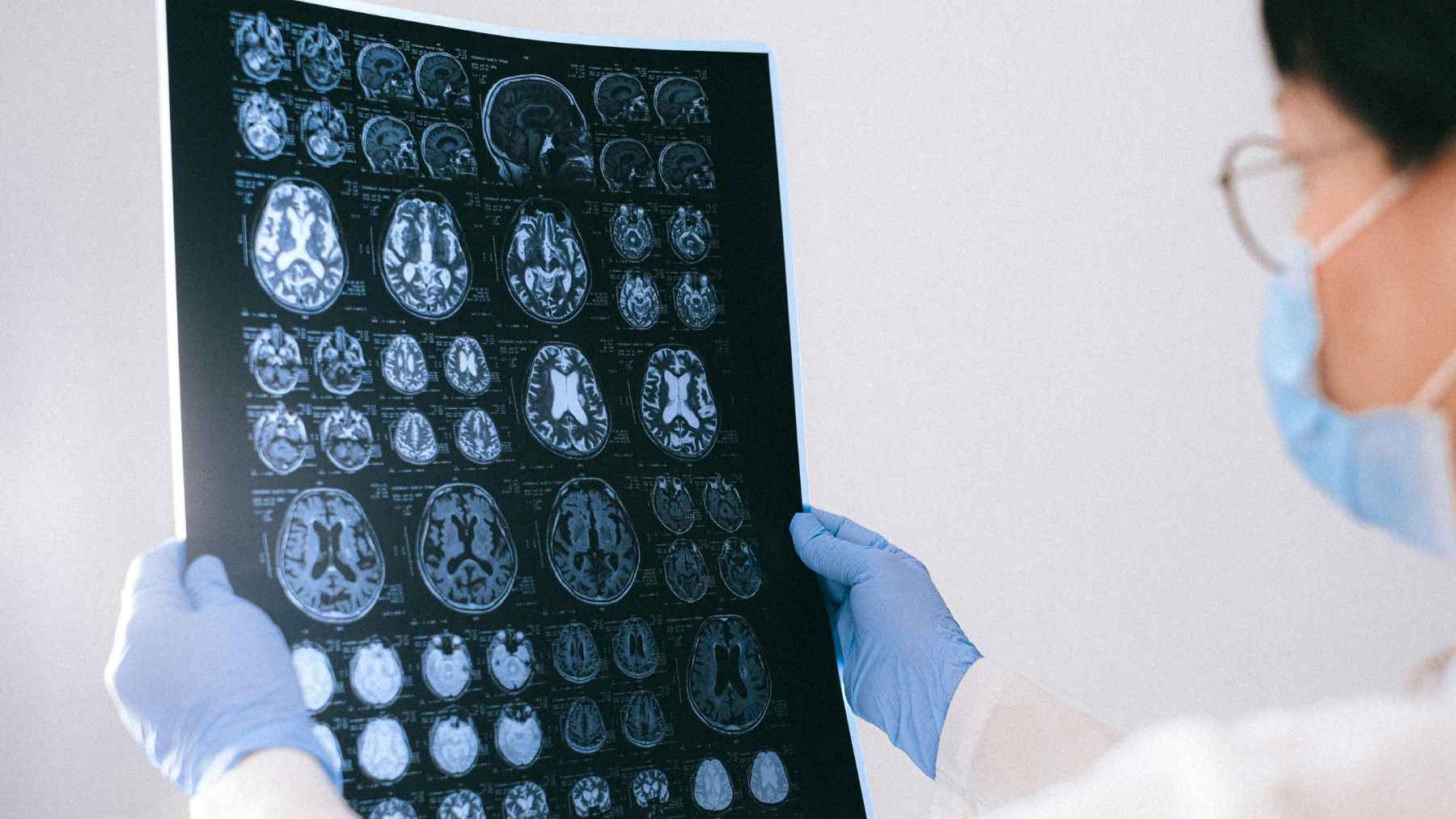
Repeated experiences can shape how the brain reacts. Neuroplasticity is the brain’s ability to change its activity and connections in response to experience, which helps explain why practiced reactions can become more automatic over time.
She puts the idea plainly. “Just as the brain learns, it can relearn.” That does not mean anxiety is merely a bad habit or that someone can switch it off through willpower, but it does mean established patterns are not the same thing as identity.
Put into practice, change usually comes from repeated, manageable actions rather than one dramatic reset. A vacation may offer relief, but if the internal alarm returns on Monday morning, the deeper response still needs attention.
Why nonstop connection matters
Phones and laptops make it easy for work, news, and social demands to follow people into every room. Technology is not the sole cause of anxiety, but constant alerts and media overload can add to stress while crowding out quiet time.
Think about an ordinary evening. One message becomes an email, the email becomes a quick scroll, and suddenly the brain has spent another hour reacting instead of recovering. Tiny interruptions add up.
The problem is not productivity itself. A healthy stress response needs periods of recovery, since strain that continues for too long can drain the body. Staying switched on all day is not strength if the switch no longer feels voluntary.
What helps lower the volume
The first step is noticing the pattern without turning it into a character flaw. Tracking triggers, protecting sleep, moving regularly, challenging unhelpful thoughts, and practicing mindfulness are among the strategies recommended for managing stress and anxiety.
Start small. A device-free pause, one task at a time, a slower breathing exercise, or a firm end to the workday can create space between a demand and the automatic rush to respond. The aim is not perfect calm, which can become another impossible target.
Professional support matters when symptoms persist, disturb sleep, damage relationships, or make daily tasks harder. Psychotherapy and medication are established treatments for anxiety disorders, and a clinician can assess whether another health issue may be contributing. The goal is not to become less responsible, but to stop paying for responsibility with constant alertness.
The original interview was published by TELVA.