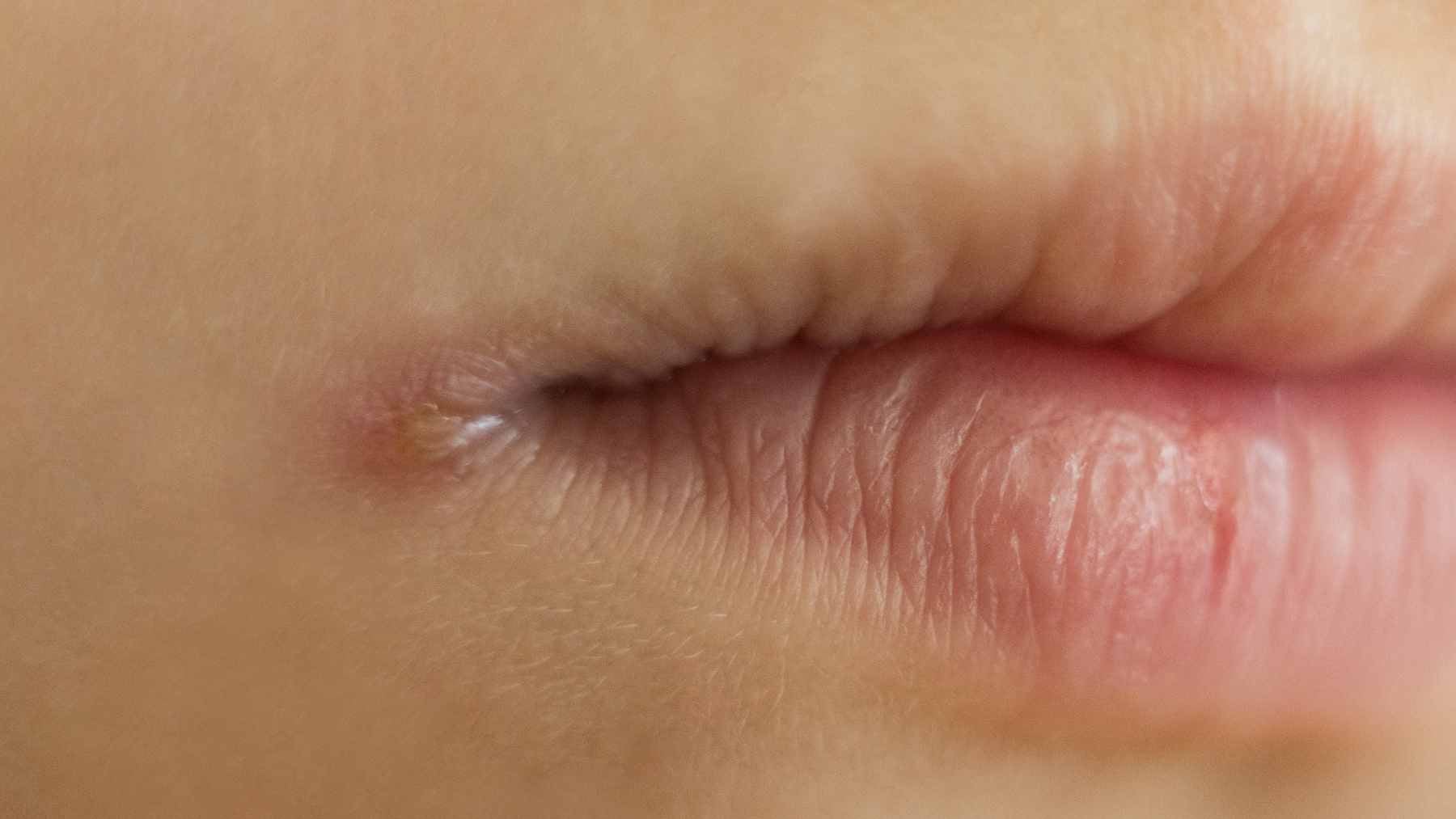
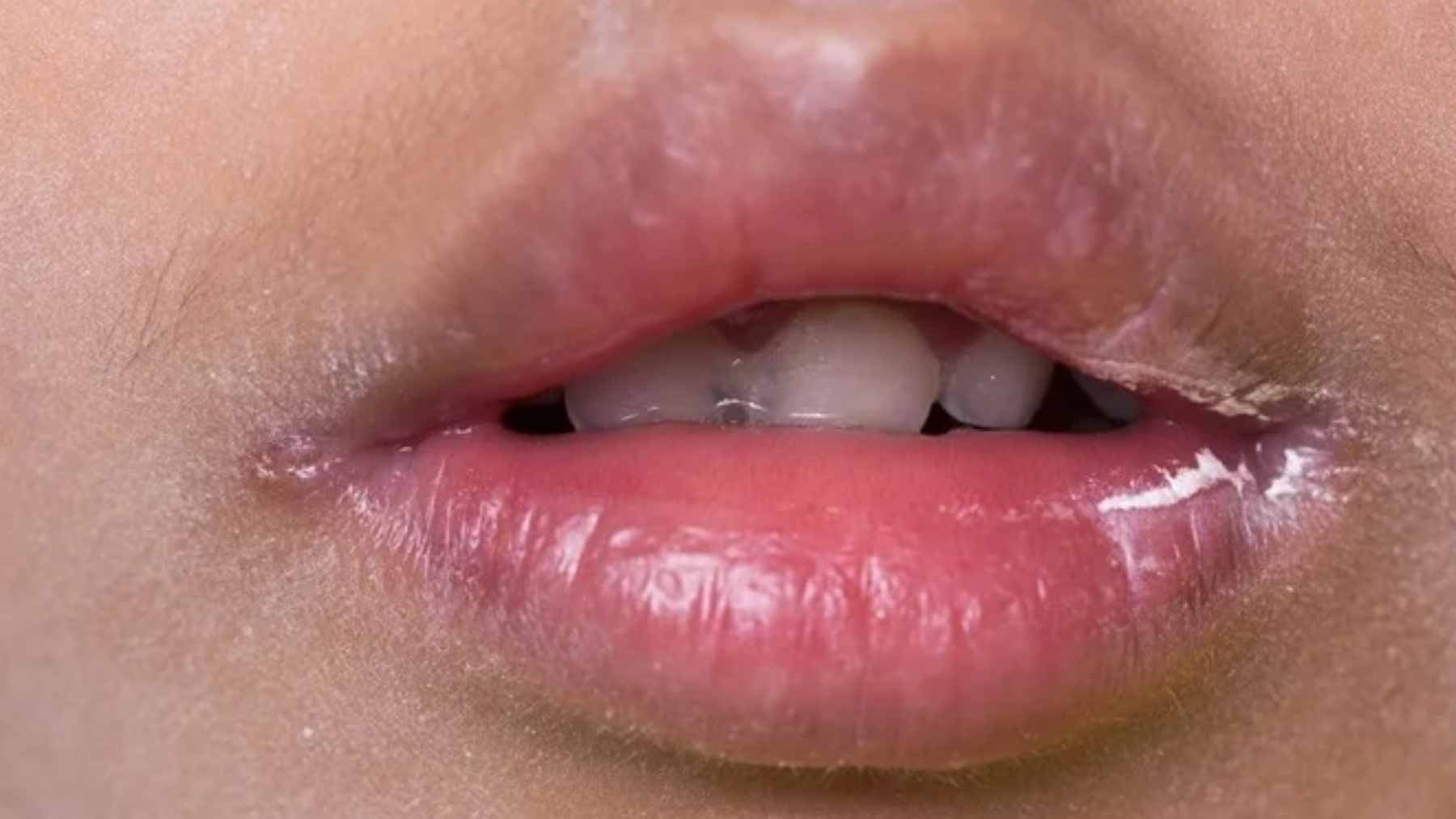
Cracks at the corners of the mouth can look minor, until orange juice stings or a simple yawn opens the skin again.
Doctors call this problem “angular cheilitis,” a common inflammatory condition that affects one or both mouth corners and is often confused with cold sores, though it is not the same condition and is not considered contagious.
The main takeaway is practical. Most cases are linked to moisture, friction, yeast, bacteria, dentures, or a changed bite, but repeated cracking can also point to low iron or B vitamins, especially riboflavin, vitamin B12, or folate.
Why the corners crack
So what is actually happening? The corners of the mouth work like tiny hinges every time you talk, eat, laugh, or brush your teeth, so irritated skin there does not get much rest.
Saliva can collect in those folds and soften the skin. Once the barrier breaks, yeast such as Candida or bacteria can move in, especially when the area stays damp, sore, and rubbed throughout the day.
Dentures that do not fit well, missing teeth, mouth breathing, lip licking, pacifiers in young children, and dry weather can all add to the problem. Sometimes the trigger is not an infection at all, but an allergy to toothpaste, mouthwash, lip balm, or a cosmetic product.
When B vitamins matter
Low B vitamins are not the first explanation for every cracked mouth corner. Still, they deserve attention when the problem keeps coming back, or when it arrives with fatigue, pale skin, a sore tongue, mouth ulcers, numbness, or a feeling that something bigger is off.
Riboflavin, also called vitamin B2, helps the body use energy from food and supports growth and red blood cell production.
MedlinePlus, a service of the National Library of Medicine, notes that severe riboflavin deficiency is uncommon in the United States, but it can cause mouth or lip sores, anemia, sore throat, and swelling of mucous membranes.
Vitamin B12 and folate matter because the mouth lining renews quickly, almost like skin that is always being rebuilt. Most adults need 2.4 micrograms of B12 a day, and people who eat no animal products usually need fortified foods or supplements because plants do not naturally provide B12.
What food can do
Food cannot fix every case. In practical terms, though, a more balanced plate can help when the real issue is low intake, skipped meals, restrictive eating, or a diet that leans too hard on the same few foods.
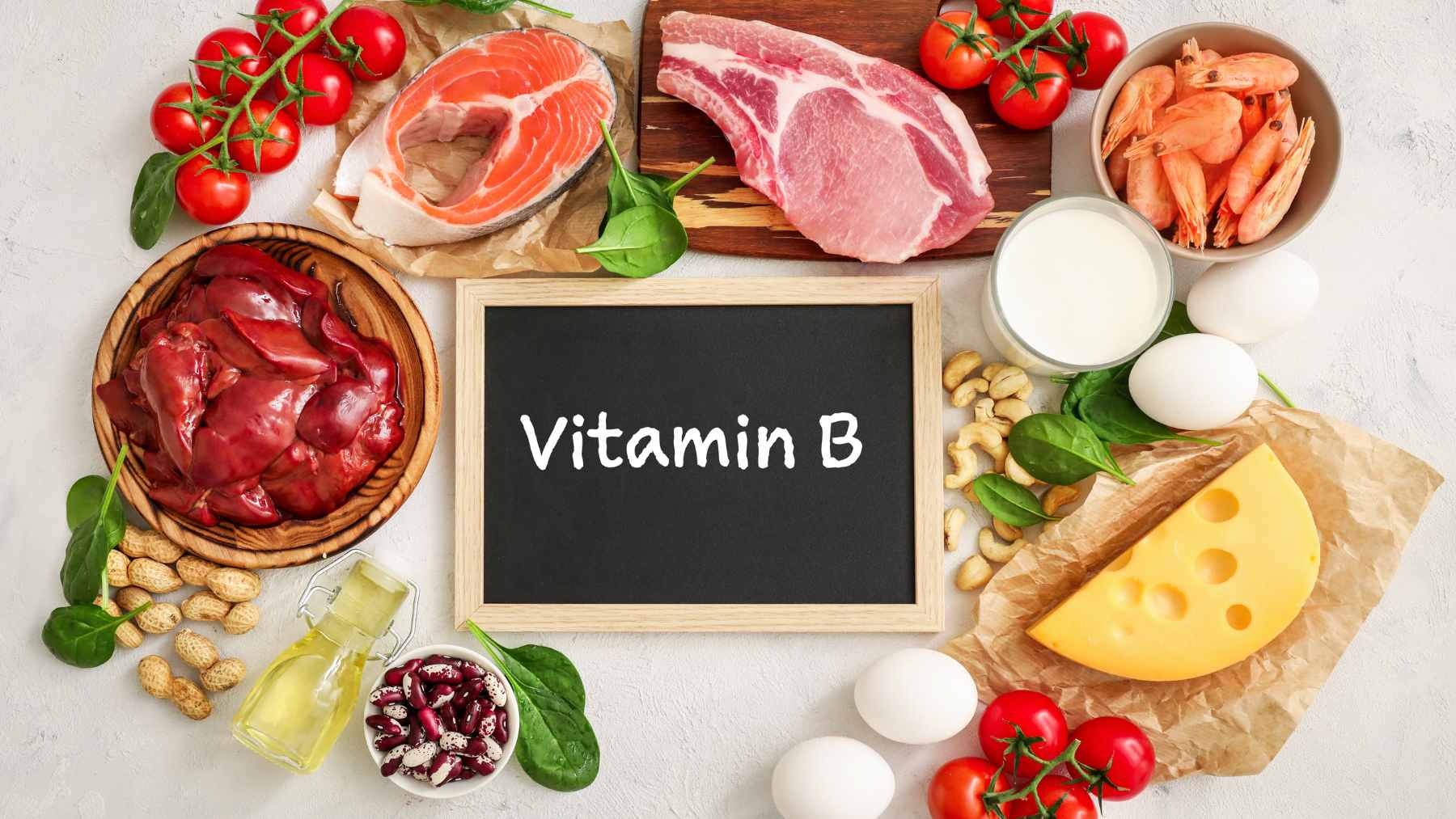
Good riboflavin choices include milk, yogurt, eggs, lean meats, organ meats, legumes, nuts, and fortified breads or cereals.
Folate is found in foods such as spinach, beans, peas, nuts, fruit, seafood, eggs, dairy foods, meat, poultry, and grains, with spinach, liver, asparagus, and Brussels sprouts among the stronger sources.
B12 is different. It is naturally found in fish, meat, poultry, eggs, and dairy products, while fortified breakfast cereals and fortified nutritional yeast can help people on plant-based diets.
Eight easy recipe ideas
Start simple with a spinach and mushroom omelet, which brings together eggs for B12 and riboflavin with spinach for folate. A lentil stew with tomato, carrots, and kale is another soft, filling option, especially on a day when spicy or acidic foods make the lip corners burn.
Baked salmon with potatoes and broccoli gives you B12 from fish and folate from the greens. Yogurt with fortified muesli, pumpkin seeds, and berries can work when appetite is low, or when a morning routine has to fit between school, work, and getting out the door.
Other useful meals include chickpea salad with avocado, a liver pâté sandwich with egg on whole grain bread, a tofu stir fry with edamame and pak choi, and oatmeal made with milk or a fortified plant drink, banana, and almonds. If citrus stings the cracks, save the orange slices for later.
When to get checked
The important line is this one: if cracked lip corners do not improve within a couple of weeks, become very painful, spread beyond the mouth corners, or keep returning, it is worth asking a clinician or dentist to look for the cause.
Blood work may be useful when the cracks come with fatigue, paleness, heart pounding, numbness, a sore tongue, weight loss, or frequent infections.
Depending on the person, clinicians may check a complete blood count, iron stores, folate, vitamin B12, riboflavin, blood sugar, or signs of yeast or bacterial infection.
There is one more catch: if B12 is low because the body is not absorbing it well, simply eating more salmon, eggs, or dairy may not be enough, so treatment has to fit the cause.
Medical reviews estimate that up to one in four cases of angular cheilitis can be associated with iron or B vitamin deficiencies, but local irritation and infection remain common.
The main medical review by Melina Brizuela of the International University of Catalonia and Joseph O. Daley has been published in StatPearls through NCBI Bookshelf.