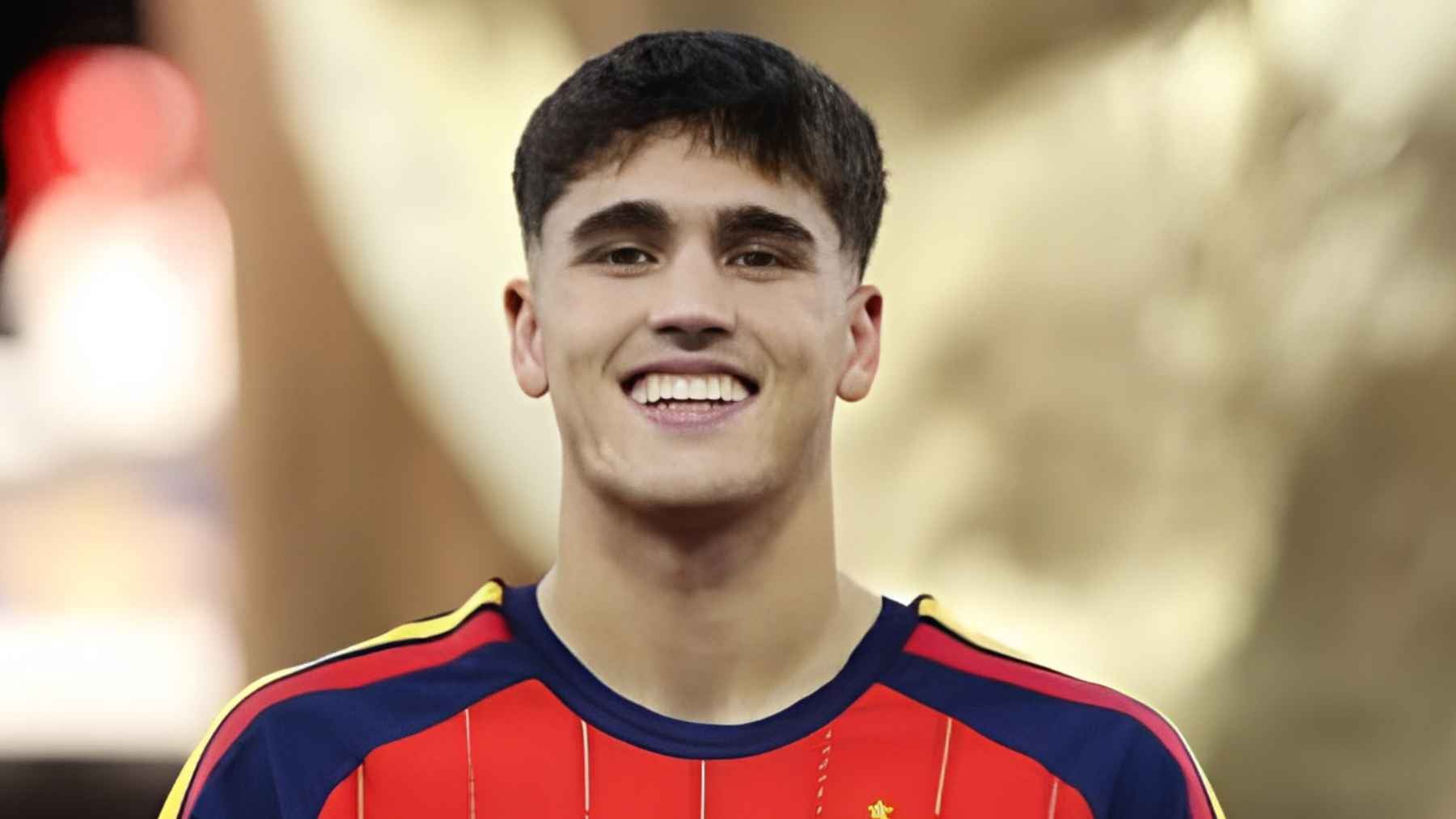
At 19, Pau Cubarsí has already reached the summit of international soccer. The FC Barcelona center back helped Spain beat Argentina 1-0 after extra time in the 2026 World Cup final, then received the tournament’s Best Young Player award.
Yet the most revealing part of his breakthrough may have come before the trophy was lifted. In a June 8 interview conducted by journalist Pablo L. Gento, Cubarsí spoke less about fame than about family, vulnerability, sleep, books, movies, and the kind of person he hopes people remember.
A rapid rise through the academy
Cubarsí was born in Estanyol, Spain, in January 2007 and joined La Masia from Girona in 2018. La Masia is the club’s youth development system, where young players learn its playing style while progressing through age-group teams.
His rise moved quickly. He made his competitive first-team debut at 16 in January 2024, became a regular, and entered the World Cup as one of Spain’s key defenders. A center back plays in the middle of the defensive line, stopping attacks and often starting moves with passes from deep.
The numbers show how much responsibility he carried. Cubarsí played 750 minutes, tied for the most of any non-goalkeeper, while Spain conceded only one goal during the tournament.
He also completed 668 of 690 passes, a 97 percent success rate, and became the fourth-youngest player to appear in a men’s World Cup final.
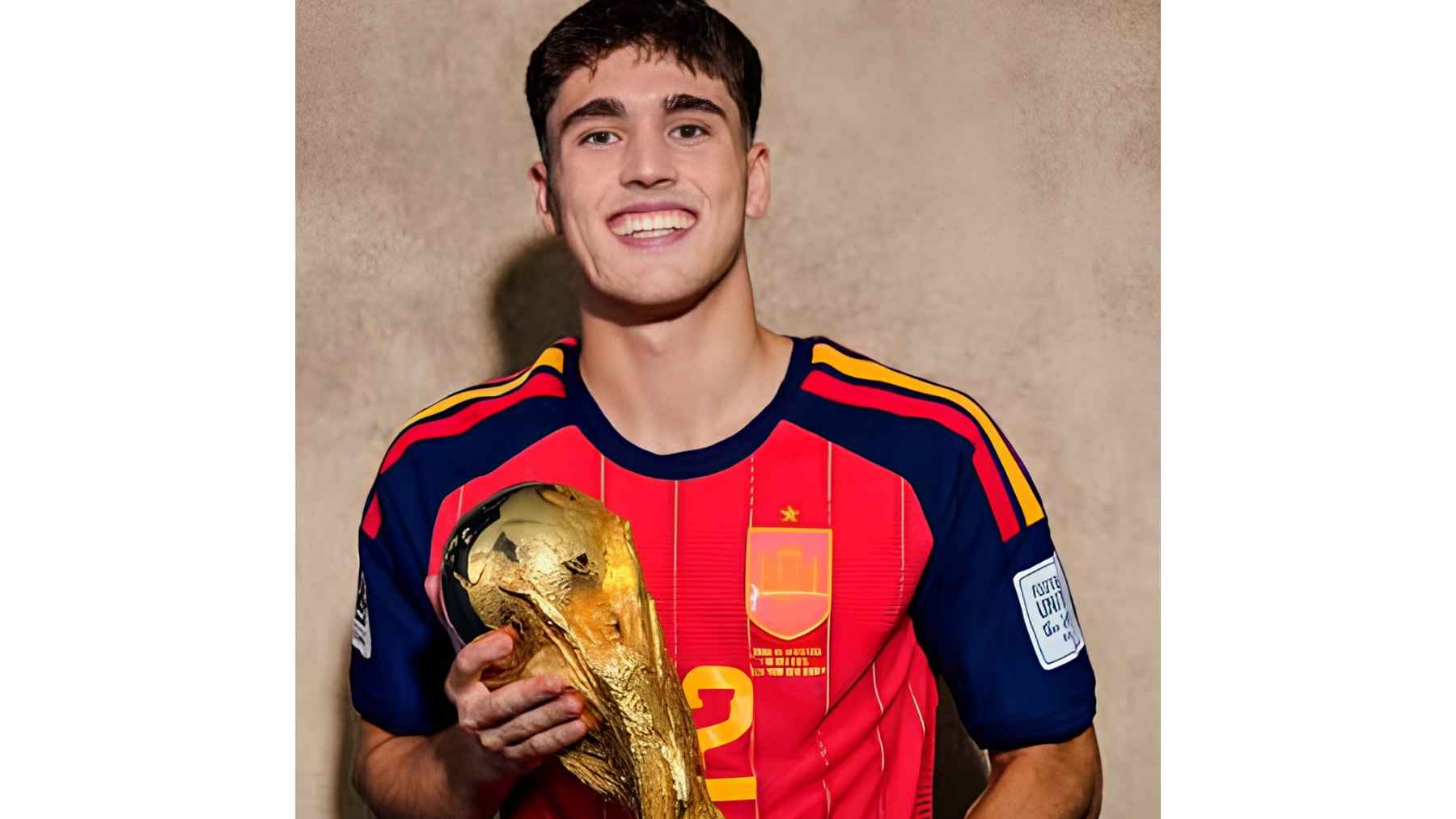
Family keeps him grounded
What does a teenager say after moving from a small town to soccer’s biggest stage? Cubarsí said he would like to be remembered as “a person with values,” someone with clear ideas who could serve as a positive example.
He traces that outlook to home rather than the stadium. His parents worked hard, he said, and their effort became his reference point. “My family is the most important thing in my life,” he added, joking that they would quickly correct him if he forgot to stay humble.
That grounding matters because public attention can distort ordinary life. Cubarsí’s answer is not to create a larger-than-life character for cameras. For the most part, he presents the same calm identity on and off the field.
Vulnerability without shame
Cubarsí also challenged one of elite sports’ oldest expectations, the idea that athletes should always appear invulnerable. He argued that people should feel free to be themselves and that “showing vulnerability should never be a reason for mockery.”
That message lands differently now that he is a world champion. It suggests that strength does not have to mean hiding uncertainty, emotion, or discomfort. A player can handle a final in front of a global audience and still admit that honesty matters.
He takes a similarly measured view of criticism. Rather than answering every insult, he suggested that harsh comments may come from people who are struggling and looking for attention. That is his interpretation, not a diagnosis, but it explains why he prefers self-confidence over online arguments.
Recovery starts with sleep
Behind the polished performances is a routine that sounds almost ordinary. Cubarsí said he has no special bedtime ritual, but he wants complete darkness, as much silence as possible, and an early night with enough hours of sleep.
There is nothing glamorous about turning off the lights and going to bed. Still, after playing every possible minute at the World Cup, recovery is not a side issue. It is part of the job, just like training, film study, and defending a late lead.
His approach also fits the wider picture he draws of himself. Keep things simple. Remove distractions, do the basic work well, then repeat it when the next match arrives.
Harry Potter, Interstellar, and fruit
Away from soccer, Cubarsí has recently been absorbed by the Harry Potter series. He read the books before watching the movies and was surprised that the screen adaptations won him over. He also returns to Interstellar, especially its soundtrack.
Those choices offer a small glimpse of a teenager behind the defender. Between training sessions, travel, and packed stadiums, he still switches off with fantasy stories and science fiction, much like millions of other people his age.
Fruit is another everyday constant. Cubarsí said he now eats it daily at breakfast, as a snack, or for dessert, even though he resisted it as a child. He added that he would probably support a campaign encouraging children to eat more of it.
A different kind of role model
Modern soccer turns young players into public brands almost overnight. Social media tracks every mistake, every outfit, and every comment, while trophies can make a teenager seem older than he is. Cubarsí is pushing back against that pressure by making humility and authenticity part of his public identity.
The statistics already describe an exceptional tournament. The more original story is that his idea of leadership begins somewhere quieter, with family standards, honest self-expression, proper rest, and habits that would not look out of place in an ordinary home.
At the end of the day, the World Cup changed Cubarsí’s status, but not the message he wants to send. Great defending may earn applause. Character is what he hopes will last.
The original interview was published in GQ Spain.