A traditional Japanese way of eating may do more than support physical health. New research suggests that people who follow the washoku diet more consistently have a 17% to 20% lower likelihood of depression than those who follow it less often.
Washoku centers on fish, vegetables, soy, seaweed, and fermented foods. Researchers believe this combination may support the brain through healthy fats, plant antioxidants, fiber, and probiotics, although the findings show an association rather than proof that the diet directly prevents depression.
What the washoku diet includes
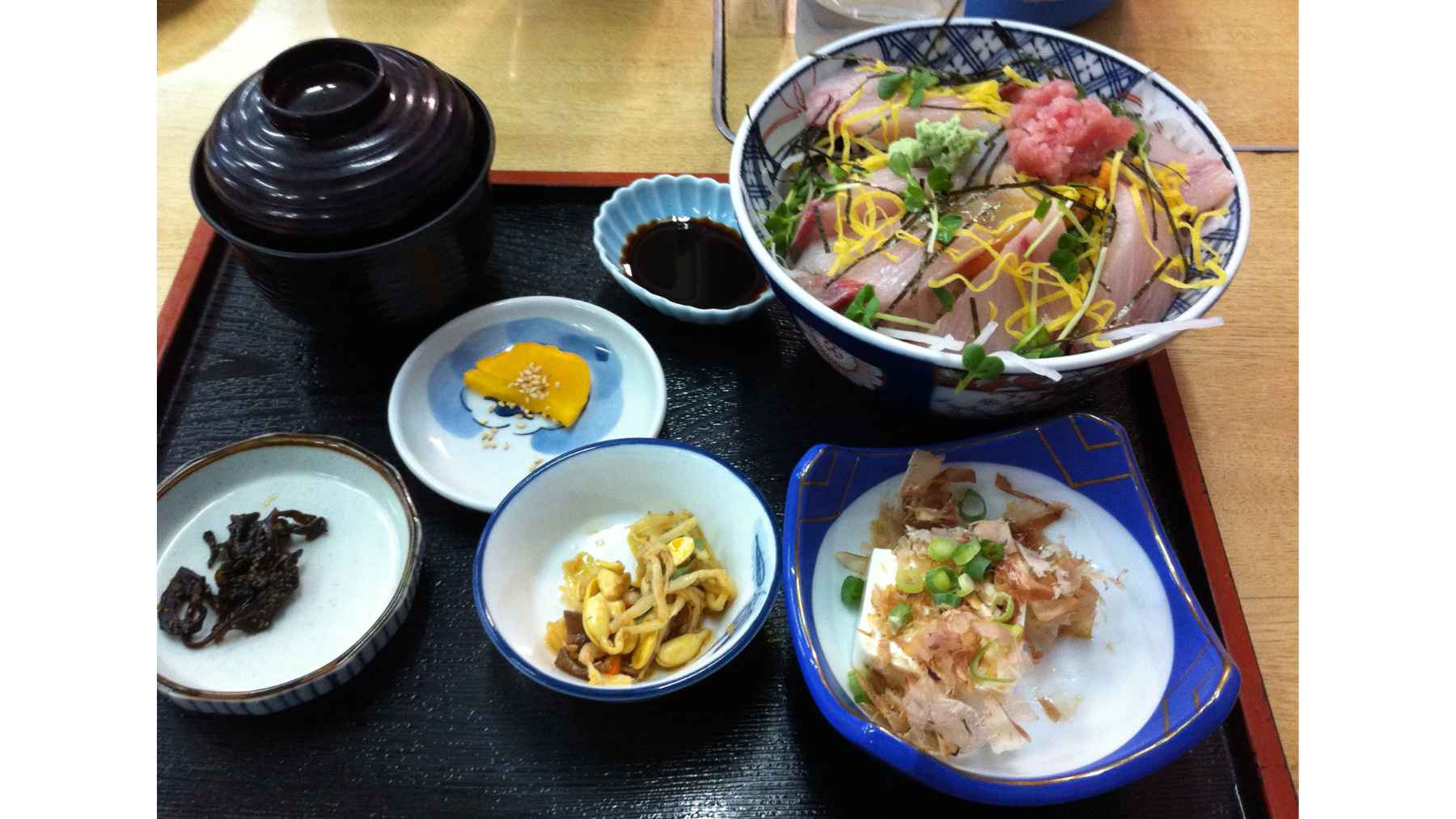
Washoku is the traditional food culture of Japan, built around seasonal ingredients and relatively simple preparation. Meals often combine fish, rice, vegetables, soy products, seaweed, and fermented foods such as miso.
That mix provides several nutrients linked to brain and metabolic health at the same time.
Haruka Miyake, a researcher at the Japan Institute for Health Security who participated in the study, said, “Promoting healthy eating habits rooted in Japanese food culture leads to a new public health strategy to support mental well-being.”
Oily fish may help protect the brain
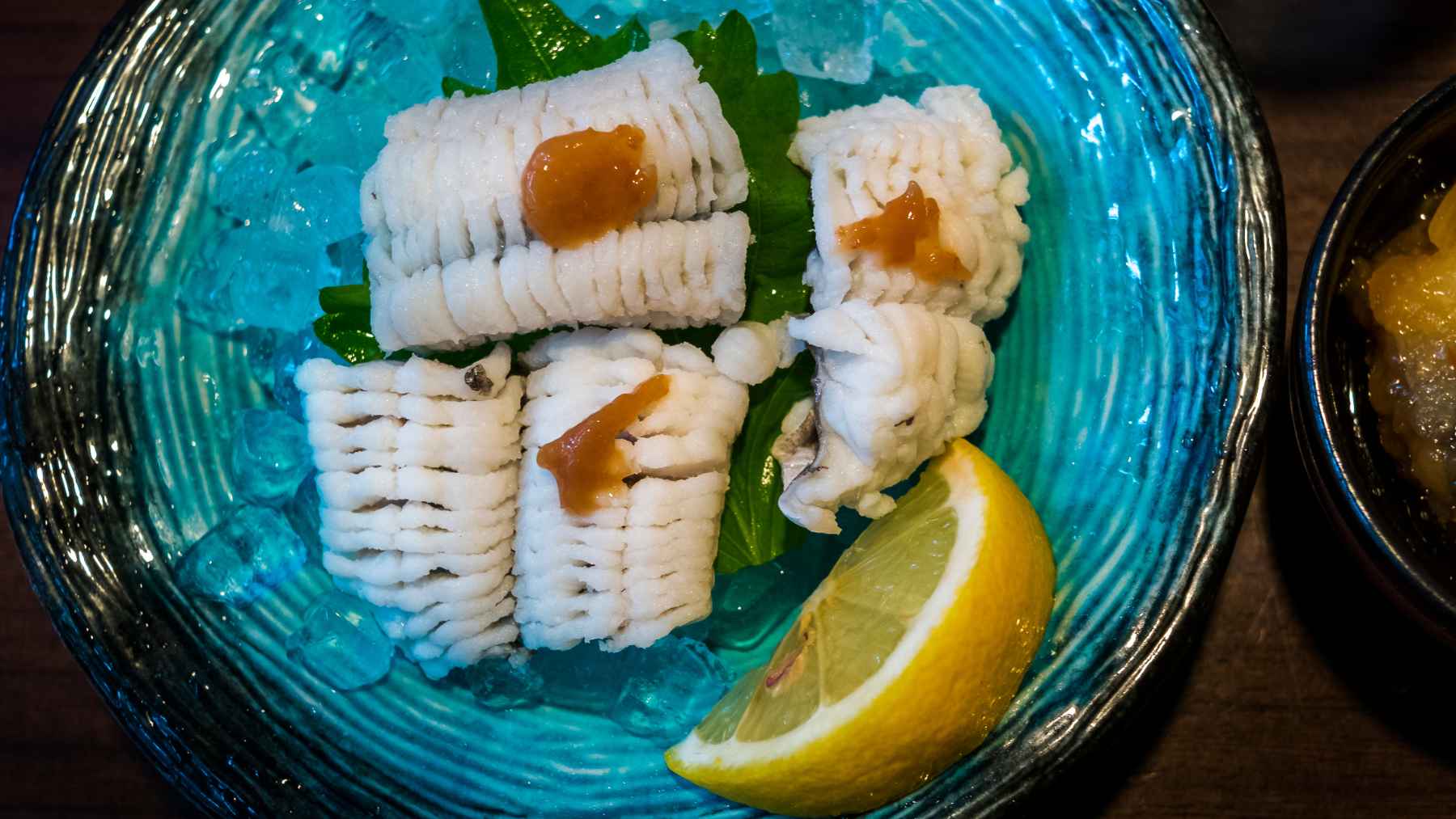
Oily fish is one of the clearest nutritional strengths of washoku. Salmon, trout, mackerel, herring, and sardines contain omega-3 fatty acids, especially two forms known as EPA and DHA.
Federica Amati, chief nutritionist at the ZOE app, told The Times that these fats are associated with better mental well-being. Previous research has also connected higher omega-3 intake with stronger concentration and memory, as well as a lower risk of neurodegenerative conditions such as dementia and Alzheimer’s disease.
That does not mean one serving of salmon can change a person’s mood overnight. But as part of a regular eating pattern, omega-3 fats may support brain function and influence processes connected with emotional health.
Colorful vegetables may reduce inflammation
Traditional Japanese meals include vegetables in many colors and forms. Spinach, kale, sweet potato, radish, carrots, and seaweed may be served cooked, raw, or fermented, giving the diet a broad range of vitamins, minerals, and plant compounds.
Sam Rice, nutritionist and author of “Supercharge Your Diet,” said the research helps show how antioxidant-rich plant foods could reduce brain inflammation, which is considered one possible pathway involved in depression.
Antioxidants help the body manage oxidative stress, a type of cellular strain caused by harmful molecules.
Vegetables also supply fiber, which feeds beneficial gut bacteria. that matters because the gut and brain communicate through the gut-brain axis, a network that may influence stress, inflammation, and emotional regulation.
Fermented foods support the gut-brain link
Fermented foods are another important part of the picture. Miso soup is a familiar Japanese example, while fermented yogurt, kefir, and sauerkraut were also highlighted as foods that can contain beneficial microorganisms.
These probiotics may support a more balanced intestinal microbiome. The idea is easy to picture at the dinner table, since food reaching the gut may shape chemical and immune signals that eventually affect the nervous system.
Nutrition specialists suggested that regular fermented food intake could help reduce symptoms linked to anxiety and depression. Still, the effects can vary depending on the food, the microorganisms it contains, and the rest of a person’s diet.
Soy and green tea add protective compounds
Soy foods such as miso provide isoflavones and phytoestrogens, plant compounds that have been linked with fewer depressive symptoms. Soy also contains folate, a B vitamin that plays an important role in normal neurological function.
Green tea adds another layer. Its antioxidants may help protect the brain from oxidative stress and could support emotional stability.
The same nutrition expert also pointed to umami, the savory taste common in Japanese cooking, as a possible influence on the parasympathetic nervous system, which helps the body rest and recover.
That idea remains more tentative, but it shows why researchers are studying the whole eating experience rather than one nutrient.
Fullness, weight, and mental well-being
Washoku is generally rich in plant fiber and relatively low in ultra-processed foods. That can make meals more filling while limiting the added sugars, excess salt, and refined ingredients common in many packaged products.
A 2021 study from the University of Exeter identified excess weight and obesity as risk factors for mental health disorders. For the most part, a diet that supports weight control and metabolic health may also reduce some of the physical pressures connected with poorer emotional well-being.
Food is not a replacement for professional mental health care. Depression has many causes, and anyone experiencing persistent symptoms should seek qualified support.
What the study means for everyday eating
The findings do not require people outside Japan to copy every detail of a traditional Japanese menu. The broader lesson is practical, since eating more fish, vegetables, soy, fiber-rich plants, and fermented foods may support several systems connected with mood.
At the end of the day, washoku works less like a miracle ingredient and more like a well-organized team. Its value appears to come from the way healthy fats, antioxidants, probiotics, and minimally processed foods work together over time.
The main study has been published in Psychiatry and Clinical Neurosciences.