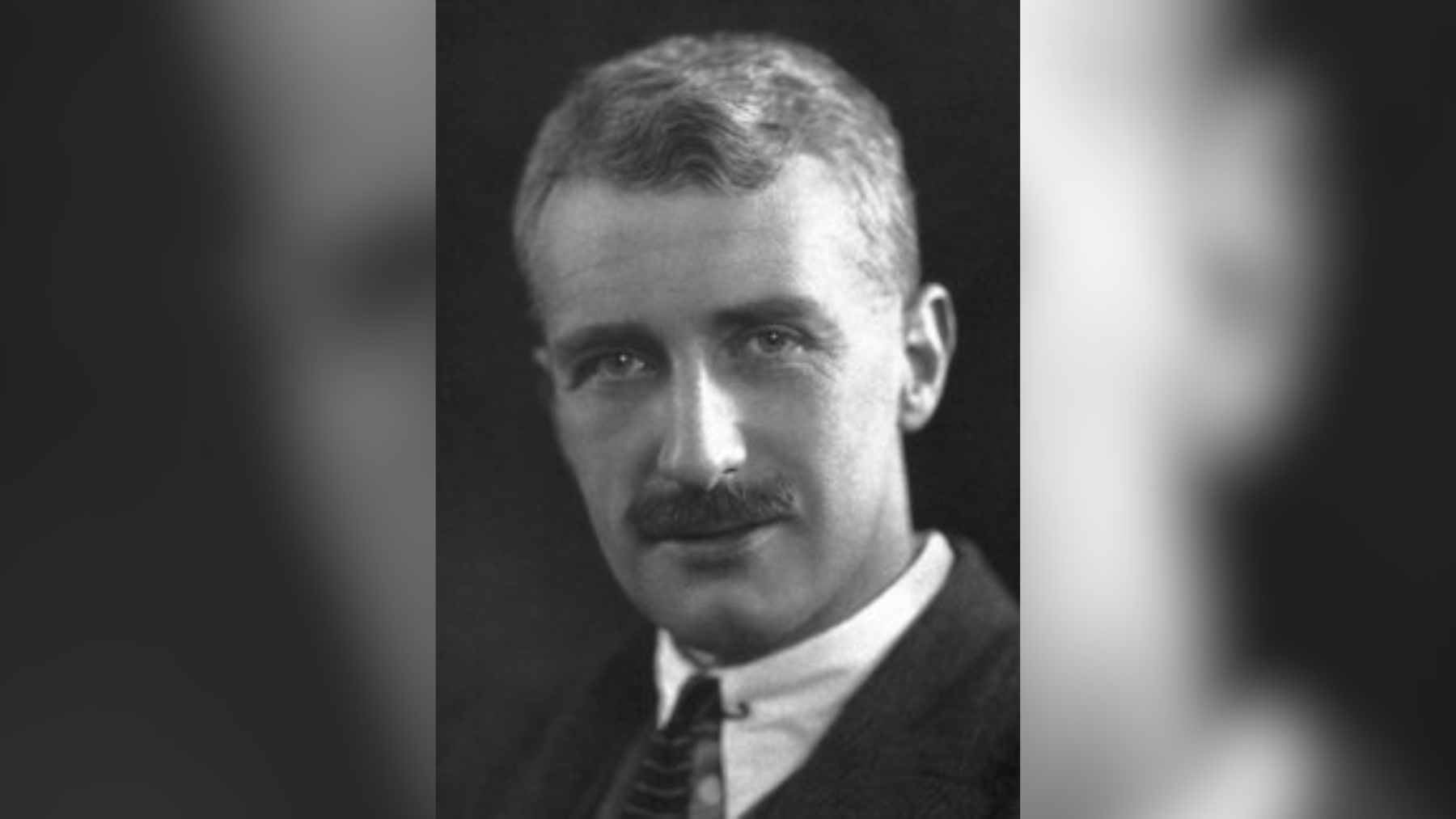
Have you ever stopped after a hard sprint, only to find your heart still racing and your breathing refusing to settle? More than a century ago, British physiologist Archibald Vivian Hill used that recovery period to explain how the body can perform intense work before its oxygen supply catches up. He called the result an oxygen debt.
Hill’s measurements of the heat released by working muscle earned him half of the 1922 Nobel Prize in Physiology or Medicine, shared with German biochemist Otto Meyerhof. The work helped turn athletics into a field that could be tested, measured, and applied to sports medicine. That legacy is still running.
Exercise on credit
Hill explained his idea with the language of a household budget. In his Nobel lecture, he said the body could “take its exercise on credit” rather than pay entirely from its current oxygen “income.”
He reported oxygen use of about 1.1 gallons per minute after several minutes of fast running and estimated a maximum debt of nearly 4 gallons in the men he tested.
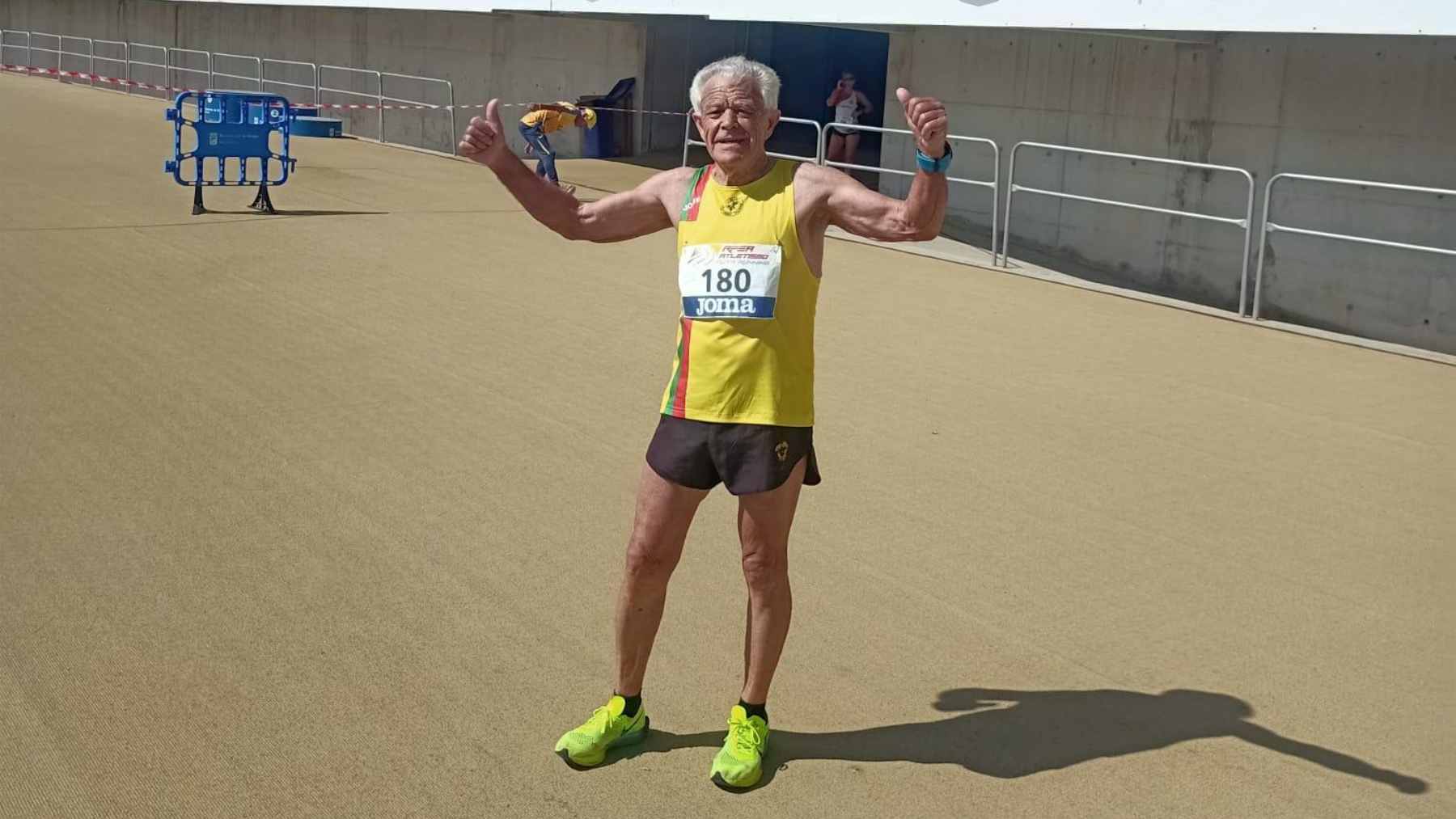
A hard sprint can demand energy faster than the heart and lungs can deliver oxygen. Muscles then lean more heavily on anaerobic pathways, which provide energy without relying directly on oxygen at that moment. The race may stop, but the recovery work does not.
Heat revealed the hidden work
Hill reached his conclusions by recording tiny temperature changes in isolated frog muscles. A sensitive device called a thermopile showed that muscle released heat during its first burst of work and again during recovery. His experiments led him to place oxygen mainly in that rebuilding phase.
This challenged the idea of muscle as an engine burning fuel in one continuous step. Hill compared the system to a rechargeable battery that could release stored energy quickly and recharge afterward. Anyone who has felt shaky legs after a final hill climb knows the sensation.

The Nobel award recognized his discovery concerning heat production in muscle. His research at University College London also helped establish biophysics, which uses physics and mathematics to explain living systems.
Why heavier loads move slower
Hill later described a relationship that gym users can see without a laboratory. As the load on a shortening muscle rises, the speed of contraction falls. A light dumbbell can move quickly, while a near-maximum lift tends to grind upward.
This force and speed tradeoff became known through Hill’s muscle equation. Coaches now use sensors and computer models, but the same pattern shapes strength training, rehabilitation, prosthetics, and simulations of human movement.
Hill also helped make maximum oxygen uptake a measurable limit. It means the highest rate at which the body can use oxygen during severe exercise, and it remains a common marker of endurance.
A runner’s breathing mask and a cyclist’s power meter belong, in a broad sense, to the measurement tradition he helped create.
Modern science refined the debt
Researchers now call the recovery effect excess post-exercise oxygen consumption. Oxygen use stays above the resting level after activity, especially when the session is hard or long. That heavy breathing after the finish line is only the most obvious sign.
Hill connected the debt mainly to lactic acid, but later research showed the recovery bill has several charges. Extra oxygen helps rebuild fast energy stores, supports continued circulation and breathing, and deals with higher body temperature. Recovery is a bundle of jobs, not one payment.
Lactate itself is not merely waste waiting to be removed. Muscles and other tissues can burn it as fuel, while the liver can recycle part of it. Hill’s model was incomplete, but it gave scientists a powerful way to study what happens after the stopwatch stops.

He also protected scientists
Hill’s legacy went far beyond exercise. In 1933, he became a founding member of the Academic Assistance Council, which helped scholars dismissed or threatened under Nazi rule find safety and continue their work.
English Heritage says he helped more than 900 academics escape persecution, including 18 Nobel laureates. As an independent member of Parliament during World War II, he championed refugee scientists, while the organization also secured releases from British internment camps.
There is a clear thread through both parts of his life. In the laboratory, he studied how recovery makes future work possible. In public life, he helped displaced researchers begin again.
Athletics became a laboratory
Hill was a keen amateur athlete, and that personal interest shaped his questions. Rather than studying muscle only in a dish, he examined running, air resistance, recovery, and the point at which oxygen use stops rising even as effort increases.
That shift still matters. Modern exercise tests break performance into measurable parts, but the numbers do not replace the athlete. They simply reveal what the eye cannot see.
In 2026, 104 years after the Nobel prize year, the idea remains easy to recognize. The body can borrow speed for a short burst, but recovery still collects the bill.
The official lecture has been published by NobelPrize.