Menopause ends ovulation, but it may not end ovarian activity. A new study in aging mice suggests the ovaries shift toward an immune-like state after reproduction stops, filling with immune cells and activating genes tied to inflammation.
That does not mean scientists have proved that human ovaries gain a helpful new immune job. The more careful conclusion is that the organ may change roles instead of simply shutting down, a possibility that could reshape how researchers study women’s health and aging after menopause.
What menopause changes
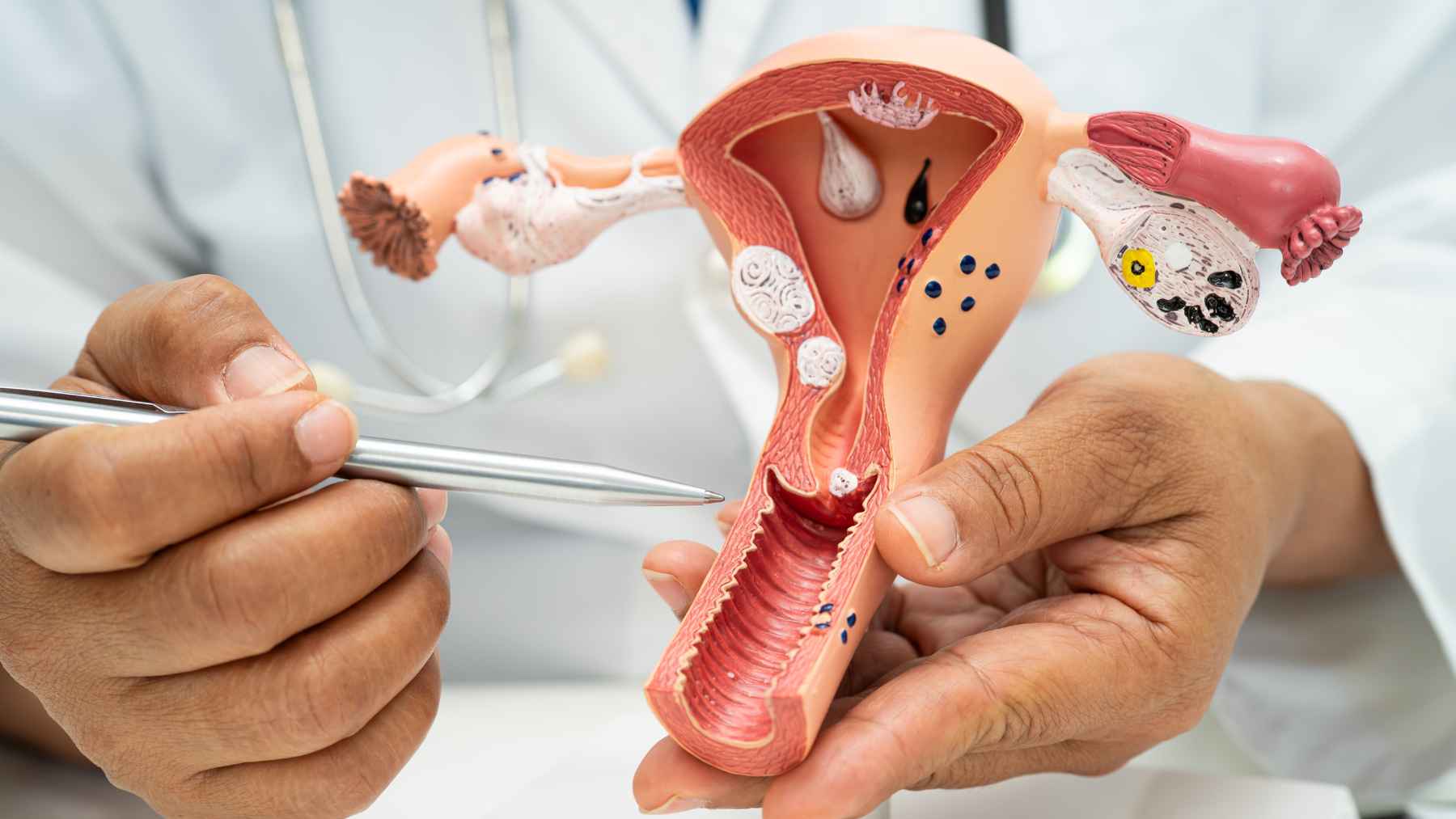
The ovaries normally mature and release eggs from tiny structures called follicles. They also make hormones that influence the menstrual cycle, bones, blood vessels, and many other parts of the body.
Menopause is reached after 12 straight months without a period, and the average age in the United States is 52. Hormone production drops sharply as follicles are depleted, but the ovaries do not switch off like a lamp. Postmenopausal ovaries can still produce testosterone and smaller amounts of other hormones.
How the study worked
Aubrey Converse and senior author Francesca Duncan led the work at Northwestern University Feinberg School of Medicine, with collaborators at the Oklahoma Medical Research Foundation and the University of Kansas Medical Center. The researchers studied mice at 2, 18, and 24 months of age, representing young, reproductively old, and post-reproductive stages.
One ovary from each mouse was examined under a microscope, while the other underwent transcriptomic analysis, which measures which genes are active. Most analyses used tissue from three or four mice in each age group, so the study offers a detailed first look rather than a final answer.
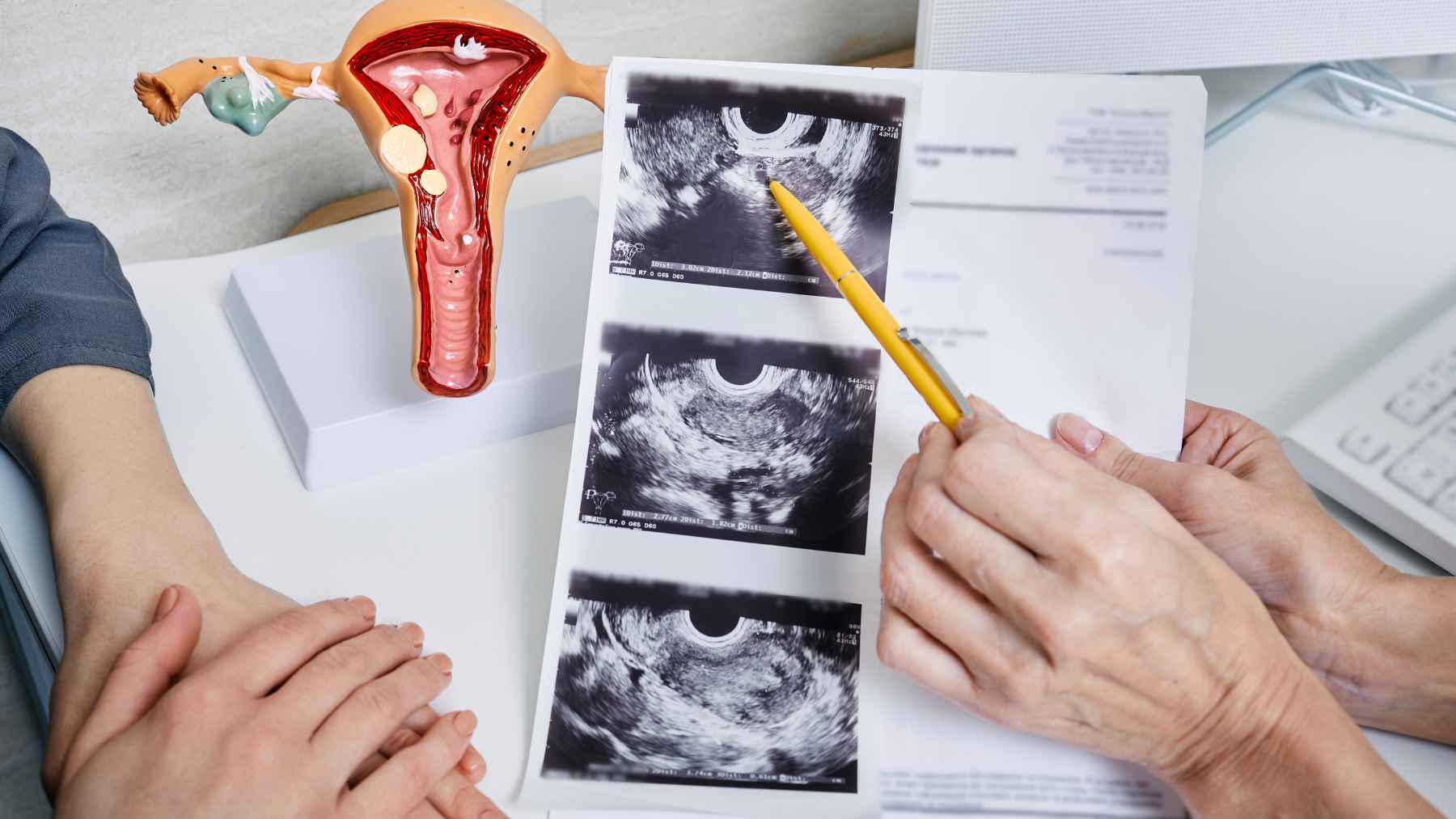
A physician discusses ovarian ultrasound results as new research suggests postmenopausal ovaries may remain biologically active through immune-related changes.
The ovaries appeared to change jobs
As expected, the oldest ovaries had lost their follicles and contained more collagen, a sign of fibrosis or scar-like tissue. Yet the tissue kept changing after reproductive activity had already faded.
More than 8,500 genes differed between the youngest and oldest ovaries, while 230 genes still differed between the 18-month and 24-month groups. Genes involved in egg development and hormone production became quieter, but genes connected to immune responses, inflammation, and white blood cell activity became louder.
An immune-like identity emerged
The older ovaries contained more T-cells, macrophages, and multinucleated giant cells. Macrophages are immune cells that clear damaged material, while giant cells form when several macrophages fuse together.
A related 2025 study from the same research group found that these giant cells can occupy up to 10% of an aging mouse ovary. In the new paper, the authors describe the post-reproductive ovary as “far from quiescent,” meaning far from biologically quiet.
Does that make the ovary a new immune organ? Not yet. The study could not tell whether ordinary ovarian support cells began acting like immune cells or whether incoming immune cells were responsible for most of the new genetic activity.
Signals may travel beyond the ovary
The team also identified genes that could produce molecules released outside the ovary, including immune-related proteins. In practical terms, the ovaries may continue sending chemical messages after fertility ends, and some of those messages could reach other tissues.
For now, this remains a prediction. The researchers did not prove that the proteins entered the bloodstream, reached another organ, or caused age-related disease. The ovaries may be sending messages, but scientists have not yet read the full conversation.
Human evidence is still early
Mice do not menstruate, and their post-reproductive stage, sometimes called oopause, is only an approximation of human menopause. The peer-reviewed study did not directly test ovaries from postmenopausal women, which is an important limit.
A separate human-tissue preprint led by Mark Watson and Birgit Schilling at the Buck Institute for Research on Aging offers supporting evidence. It analyzed ovaries from 28 postmenopausal women ages 50 to 75 and measured 5,812 protein groups.
Researchers found 117 proteins that differed between women in their 50s and those age 70 or older, alongside changes involving inflammation, immune pathways, and tissue remodeling.
Because that work has not yet completed peer review, it should be treated as promising rather than conclusive. It supports the idea that human ovaries keep changing after menopause, but it does not prove that they take on the same immune-like role seen in mice.
Why the finding matters
For decades, research largely focused on what the ovary loses with age, including eggs and estrogen. This study asks a different question: what does the ovary start doing once reproduction ends?
If the immune-like shift is confirmed in people, it could guide research into chronic inflammation, autoimmune conditions, healthy aging, and the long-term effects of ovarian surgery.
It does not justify changing medical treatment today, and no one should make decisions about hormone therapy or ovary removal based on a small mouse study.
The next step is to identify exactly which cells produce the immune signals and whether those signals appear in human blood or affect distant organs. At the end of the day, the biggest change may be the question itself.
The full study was published in Molecular Human Reproduction.