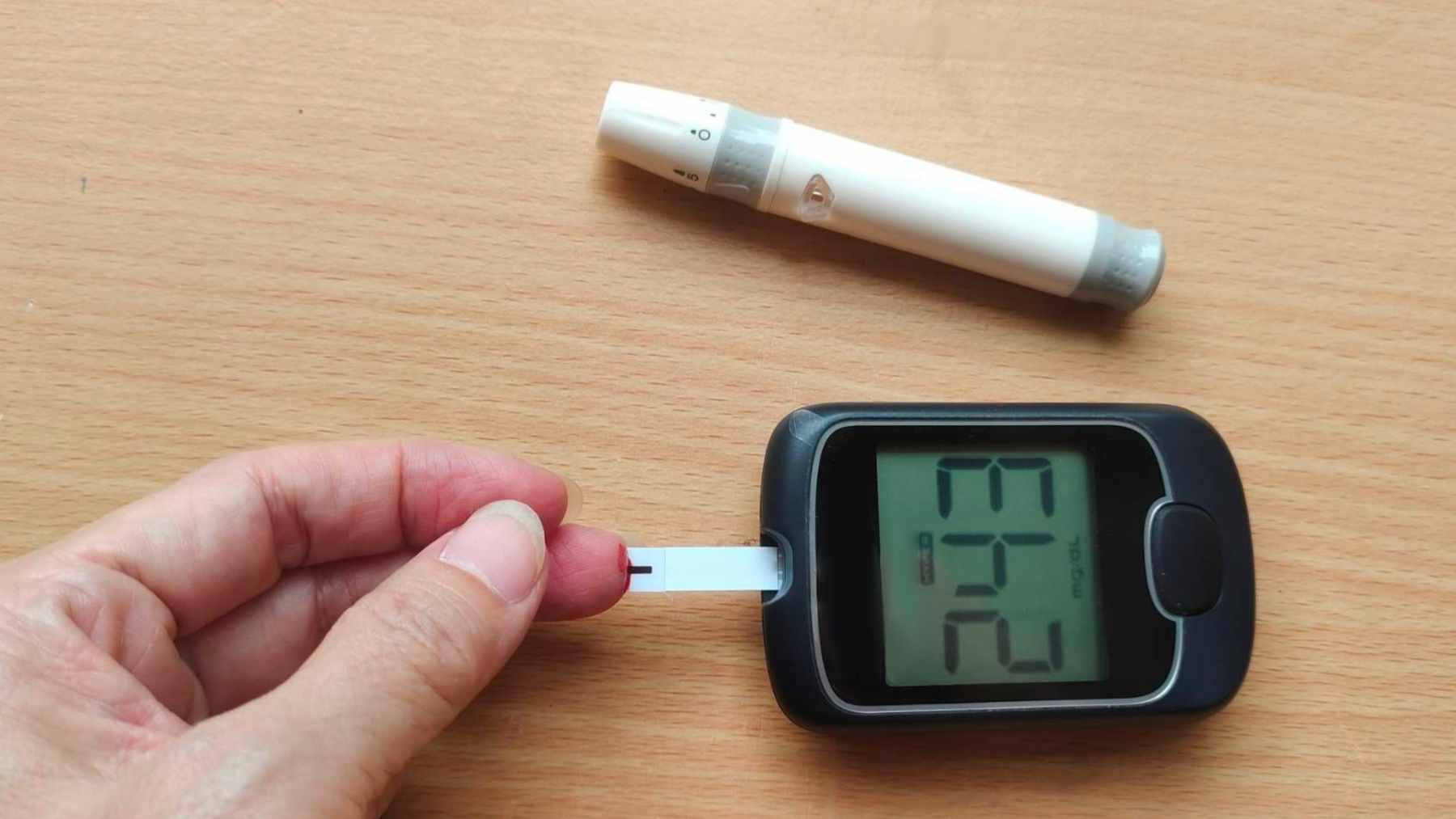
What happens when bedtime slips by 90 minutes, not once, but night after night? Adults in a new analysis of randomized trials slept about 80 minutes less than usual and gained roughly 1 lb. over six weeks. They also spent more of the day sitting.
That change is not dramatic on its own, but it appeared after a mild sleep cut that looks far more like real life than an all-nighter, whether the culprit is work, caregiving, or one more episode before bed.
The findings suggest that sleep duration belongs in the same conversation as food and physical activity when people think about long-term weight control.
A real-world sleep test
Researchers from Columbia University Irving Medical Center, working with collaborators at the University of Colorado Anschutz Medical Center, pooled two randomized crossover trials involving 95 adults aged 20 or older.
All usually slept at least seven hours a night and had elevated cardiometabolic risk, meaning risk factors connected to heart disease, diabetes, or both. Because every participant completed both sleep schedules, each person could be compared with their own well-rested results.
During one six-week phase, participants kept their usual sleep schedule. During the other, they delayed bedtime by 90 minutes.
They completed the phases in randomized order, with a break of several weeks between them, and wrist monitors showed that sleep actually fell by an average of about 78 minutes per night.
The team tracked weight, waist size, activity, body composition using MRI scans, and hormones linked to energy balance. In simple terms, energy balance is the relationship between the calories a person consumes and the energy the body uses.
A pound appeared quickly
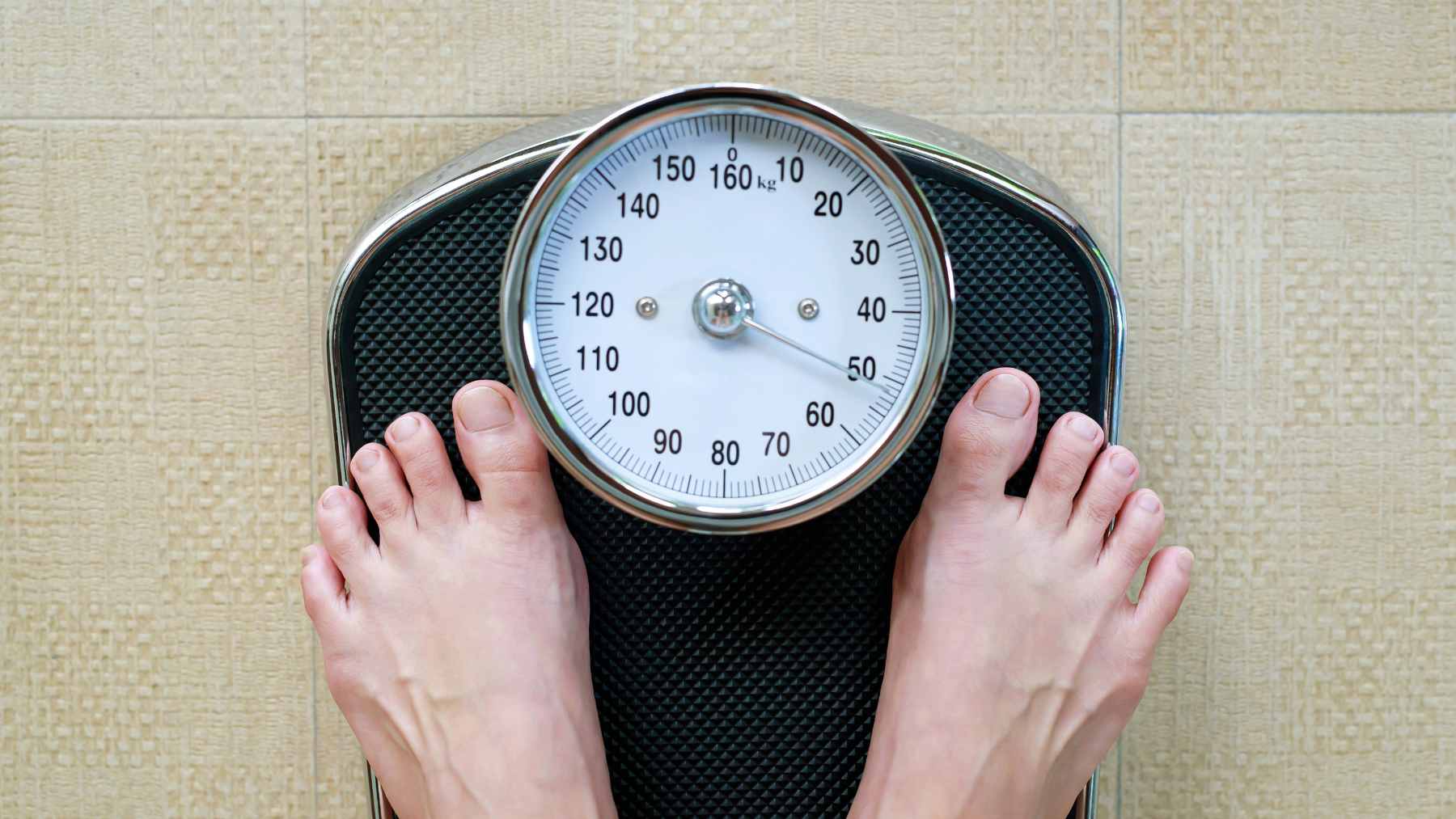
After the shorter-sleep phase, average body weight was about 1 lb. higher and waist size was around 0.2” larger than during adequate sleep. Levels of the hormone leptin also increased.
Leptin helps the brain monitor the body’s long-term energy stores, although the increase does not explain the weight change by itself.
First author Faris Zuraikat said the gain was modest, but stressed that “this is occurring over just six weeks.” He said continuing a similar pattern for a year could produce a medically important increase in weight, though the trial did not run for a year and did not measure that outcome.
The researchers did not identify clear changes in body composition during the experiment. They noted that six weeks may have been too short to detect those shifts and that the study had limited power to examine differences between individuals.
So, the result is a warning signal, not a prediction that everyone who sleeps less will gain the same amount.
Extra awake time meant more sitting
Here is the surprising part: staying awake longer did not translate into more movement. Sedentary time increased by an average of 17 minutes a day, even after the researchers accounted for the longer waking period.
For men and postmenopausal women, the increase approached 30 minutes a day. “Sedentary” means waking time spent sitting, reclining, or lying down while using very little energy, such as scrolling on the couch or sitting through another stretch of screen time.
Seventeen minutes may sound like nothing, but added day after day, it becomes nearly two extra hours of low activity each week. That is one possible route by which a later bedtime could quietly affect weight.
Sleep and metabolism are connected
Metabolism is the collection of processes that turns food into energy and keeps the body running. Sleep can influence appetite signals, blood sugar control, and how energetic someone feels the next day.
The new research cannot pin the weight gain on one mechanism, but it shows that mild, repeated sleep loss can affect several parts of the system at once.
In a related 2023 randomized trial, women who cut sleep by 90 minutes for six weeks saw insulin resistance rise by nearly 15% overall and more than 20% among postmenopausal participants.
Insulin resistance means the body does not respond properly to insulin, the hormone that helps move sugar from the blood into cells. Over time, the condition can increase the risk of type-2 diabetes.

A separate 2024 Nature study found that insufficient sleep changed inflammatory immune cells in ways that may affect the heart’s response to injury. Animal experiments in the same work also linked disrupted sleep after a heart attack with poorer healing.
Together, the findings suggest the effects may reach well beyond the bathroom scale.
What this means before bedtime
The trial did not show that one late night causes weight gain, and it did not study people from every health background. Participants already had elevated cardiometabolic risk and generally started as adequate sleepers.
It also measured sleep duration, not whether someone’s sleep felt deep, calm, or refreshing.
Still, the controlled design makes the result harder to dismiss as a simple lifestyle correlation. Marie-Pierre St-Onge, a professor of nutritional medicine and the study leader, said “getting adequate sleep may help reduce the risk of weight gain.”
The work was funded by the National Institutes of Health and the American Heart Association.
At the end of the day, sleep is not a replacement for balanced meals or regular movement. But a consistent bedtime may matter more than many people assume, especially when a 90-minute cut becomes the nightly norm. Small changes can add up, and so can small protections.
The official study has been published in Annals of Internal Medicine.