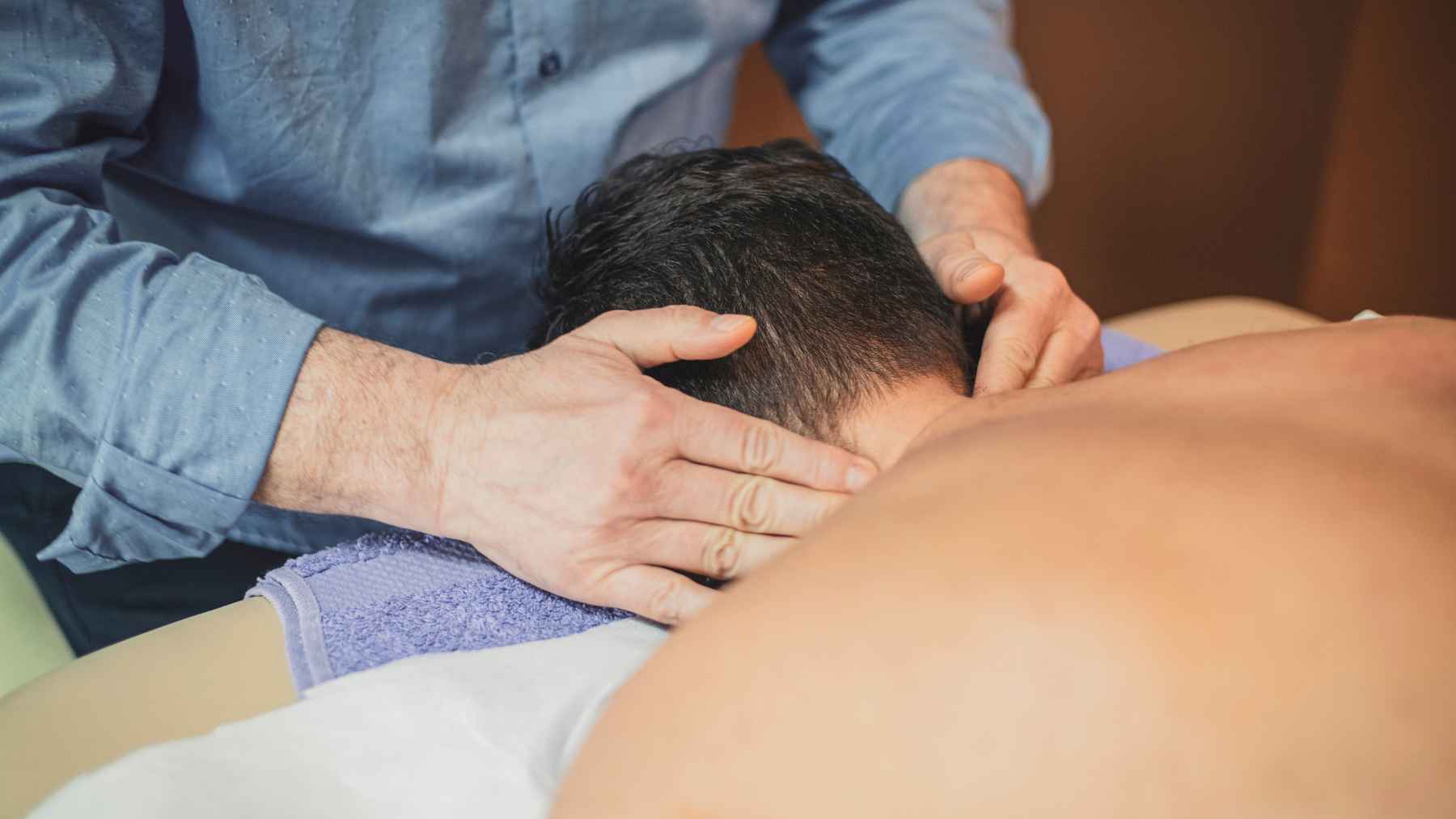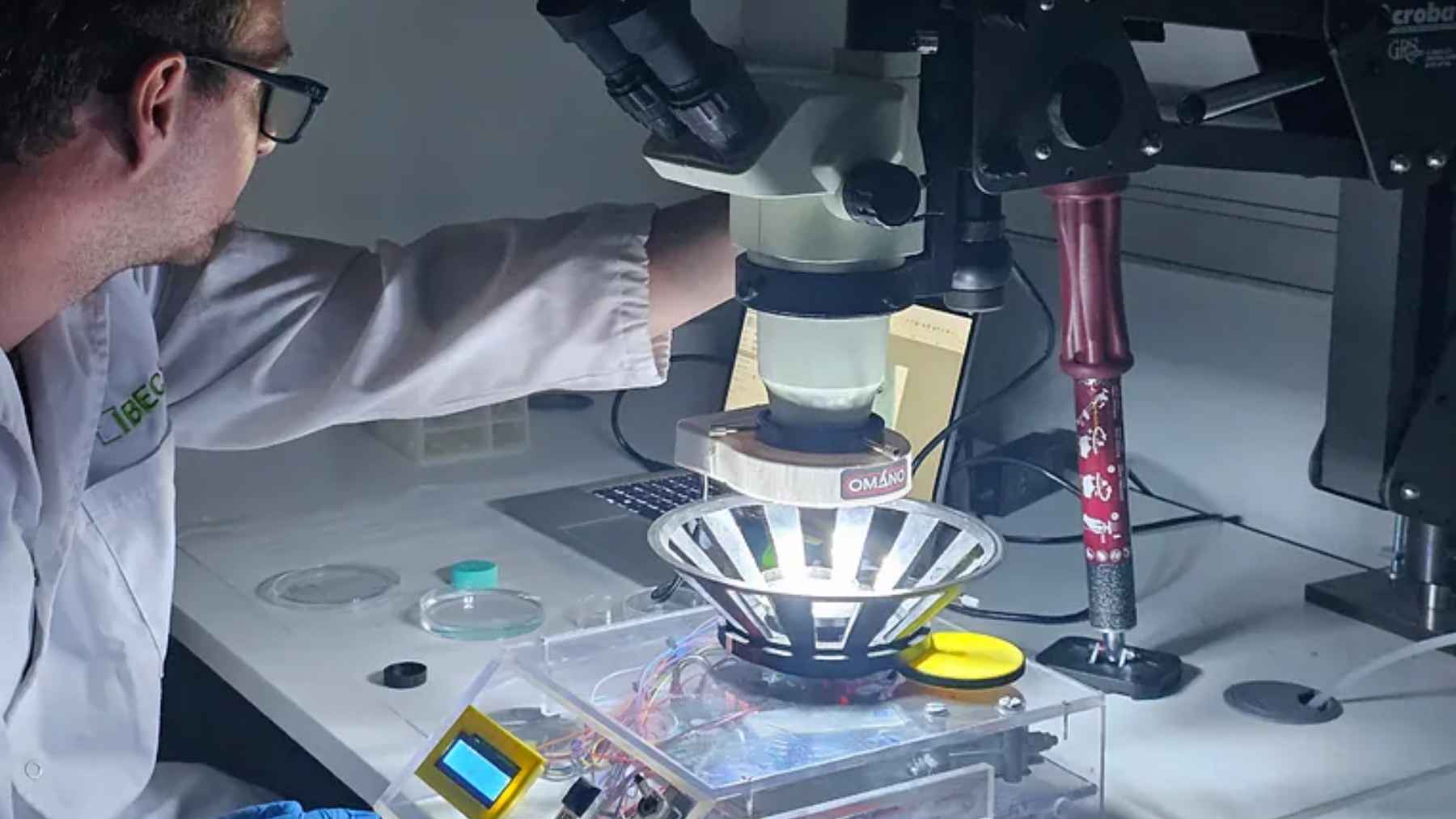
Fig leaves have long been brewed into tea and promoted for blood sugar, digestion, inflammation, and skin problems. But what can this familiar garden leaf actually do?
The clearest human evidence points to one narrow possibility. In a small randomized trial, adults with mild atopic dermatitis, a chronic form of itchy eczema, showed lower dermatologist-rated severity after drinking fig leaf tea for eight weeks.
The finding is promising, but it is not proof that homemade fig leaf tea can cure eczema or other illnesses.
Why fig leaves attract attention
The common fig, known scientifically as Ficus carica, contains polyphenols and flavonoids. These plant chemicals are studied for antioxidant and possible anti-inflammatory effects. Antioxidants help limit oxidative stress, a buildup of unstable molecules that can damage cells.
A 2021 review led by Zhongyuan Li at Shandong University of Traditional Chinese Medicine cataloged 126 compounds in fig leaves, with polyphenols making up the largest group.
The review found laboratory evidence related to inflammation, glucose control, microbes, and other biological processes. Most of that work involved cells or animals, however, and cannot show that a cup of tea treats disease in people.
What the eczema trial found
Tatsuya Abe and colleagues at the Toyo Institute of Food Technology enrolled 30 adults between ages 20 and 59 with mild eczema. Half drank about 17 fluid oz. of fig leaf tea each day for eight weeks, while the rest received colored and flavored water. Neither the volunteers nor the evaluators knew who received which drink.
By week eight, the standard eczema severity score had fallen by an average of 3.1 points in the tea group, while it barely changed in the placebo group. Fourteen of the 15 tea drinkers improved, and the difference between the groups was no longer clear four weeks after the drinks stopped.
That sounds encouraging, but picture the size of one classroom. Each group held only 15 people, fewer than the number the researchers later calculated would be ideal. Participants’ own reports of itching, sleep problems, skin discomfort, and daily disruption did not show a significant advantage for the tea.
The homemade tea problem
The trial did not test leaves picked from any fig tree and dropped into a kitchen mug. Researchers used a specific fig variety that did not contain furanocoumarins, then washed, steamed, dried, infused, sterilized, and bottled the drink. In other words, that product was far more controlled than a homemade brew.
Furanocoumarins are natural plant chemicals that can make skin unusually sensitive to sunlight. Published case reports describe painful redness, swelling, and blisters after fig leaf exposure followed by sunshine. This reaction is sometimes called phytophotodermatitis, which simply means plant chemicals and light have inflamed the skin.
The trial authors also warned about possible drug interactions, though that risk has not been measured well for fig leaf tea. That makes a backyard brew a poor stand-in for the tested product. Natural does not automatically mean gentle.
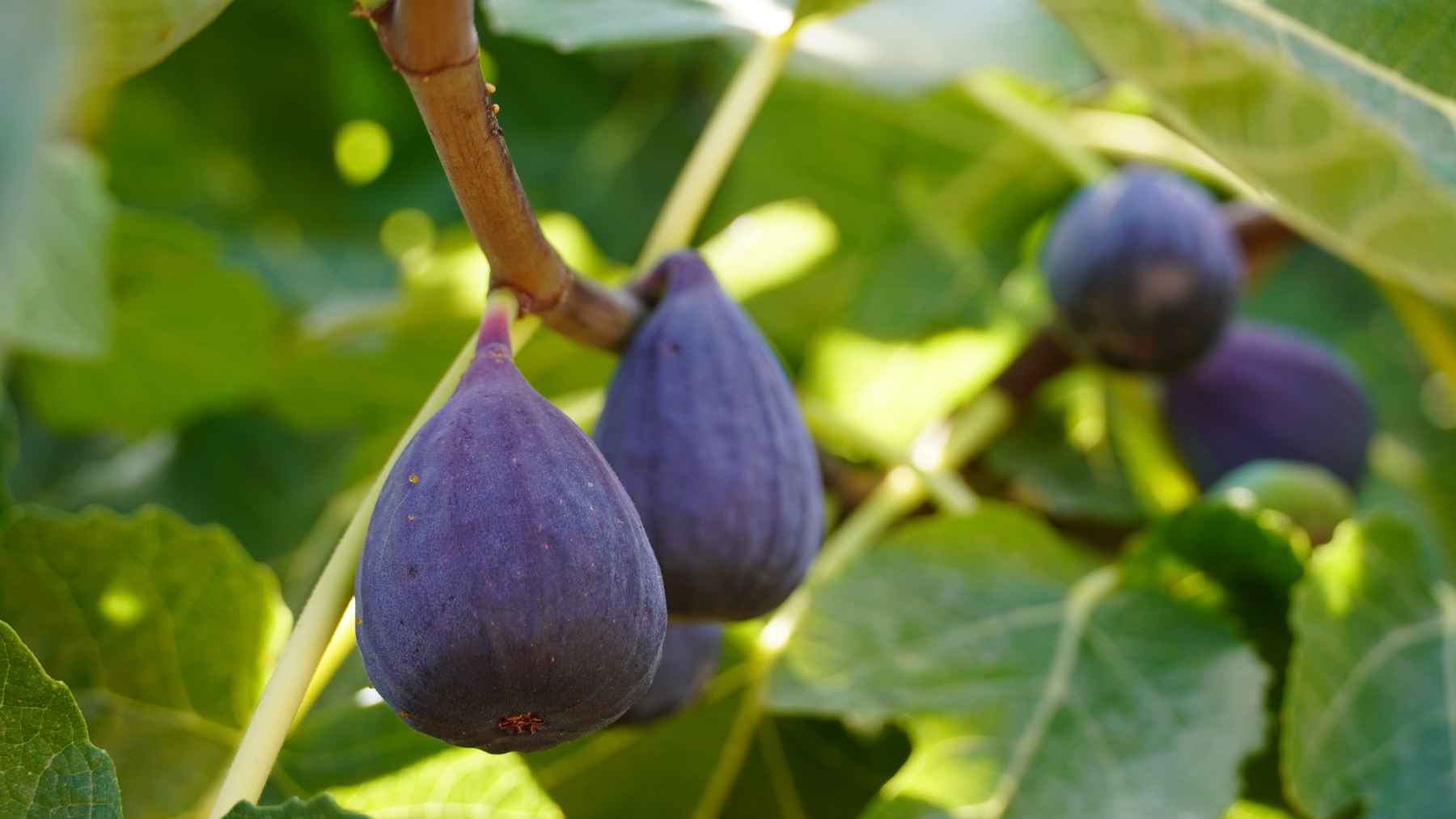
Fresh fig leaves on a fig tree. Researchers are investigating compounds in Ficus carica leaves for their potential effects on eczema, inflammation, and blood sugar.
Glucose and digestion claims
Fig leaves also have a reputation for lowering blood sugar. A 2016 double-blind crossover trial led by Sadegh Ahmadi Mazhin at Ahvaz Jundishapur University of Medical Sciences tested a fig leaf decoction in 28 adults with type-2 diabetes who stayed on their usual medication. After 21 days, average blood sugar two hours after eating fell from 231 to 193 mg/dL during the fig leaf phase.
Other measures told a less dramatic story. Fasting glucose, A1C, a measure of longer-term blood sugar, and an insulin-related marker did not change significantly, and only 26 people completed the trial.
Because the preparation was used alongside diabetes drugs, anyone considering the same combination would need medical guidance and closer glucose monitoring.
Digestion claims are even easier to mix up. A randomized study found that fig fruit paste shortened colon transit time and improved stool type and abdominal discomfort in 80 people with constipation. Fruit paste is not leaf tea, though, so the result cannot prove that a strained leaf infusion has the same effect.
What fig leaf tea cannot replace
People who are pregnant, taking regular medication, or living with serious liver, kidney, digestive, or metabolic disease should not assume repeated use is safe.
Those groups were excluded from the eczema trial or have not been studied in enough detail. Federal health guidance also notes that herbal products may interact with medicines and can differ from the products tested in research.
Fig leaf tea should not replace prescribed treatment for eczema, diabetes, infections, severe digestive symptoms, persistent skin lesions, or cancer. Delaying care can be harmful, especially when symptoms are worsening or unexplained. The evidence is neither a miracle story nor a reason to dismiss the plant, but larger and longer trials are still needed.
The full preliminary study was published in Nutrients.