
Vitamin D deficiency can creep in slowly. For weeks or months, the signs may look like ordinary life, a tired morning, sore muscles after a busy day, or a low mood when sunlight is scarce.
But low vitamin D can affect bones, muscles, immunity, and more, according to medical guidance shared by Professor Andrea Lania, head of Endocrinology and Diabetology at IRCCS Istituto Clinico Humanitas in Rozzano.
The main takeaway is simple: catching a deficiency early matters because the body needs vitamin D to handle calcium and phosphorus, two minerals that keep bones and teeth strong.
When levels stay low for too long, the problem can move from vague symptoms to fractures, childhood rickets, or adult bone disease.
Why vitamin D matters
Vitamin D is often called a vitamin, but it behaves more like a prohormone, meaning the body changes it into a substance that helps control important functions. One of its biggest jobs is helping the gut absorb calcium, so bones can grow, repair, and stay firm over time.
The NIH Office of Dietary Supplements says vitamin D also supports muscle movement, nerve communication, and immune function.
Children need enough vitamin D while their skeleton is still being built. Adults need it too, because bone is not a dead structure; it is constantly being remodeled, a bit like a house that always needs small repairs.
The main natural source is sunlight on the skin. Food helps, especially fatty fish such as salmon, mackerel, and tuna, along with cod liver oil, egg yolks, and fortified cereals. Still, diet alone is often not enough, especially during winter or in places where people spend most of the day indoors.
Symptoms can be easy to miss
What if the first warning sign is not bone pain at all? In many people, low vitamin D starts with persistent fatigue that does not have an obvious explanation. Poor sleep, inflammation, and changes in brain chemicals involved in energy regulation may all play a part.
Muscle and joint pain can also appear, sometimes as widespread aches that are hard to pin down. Some people may notice stiffness, trouble with everyday movement, or a worsening of arthritis-like discomfort.
Mood changes deserve attention, too. Vitamin D is involved in pathways that influence mood, and lower sunlight in fall and winter can reduce the body’s own production. That does not mean every case of sadness is a vitamin problem, but it is one reason doctors may look at the bigger picture.
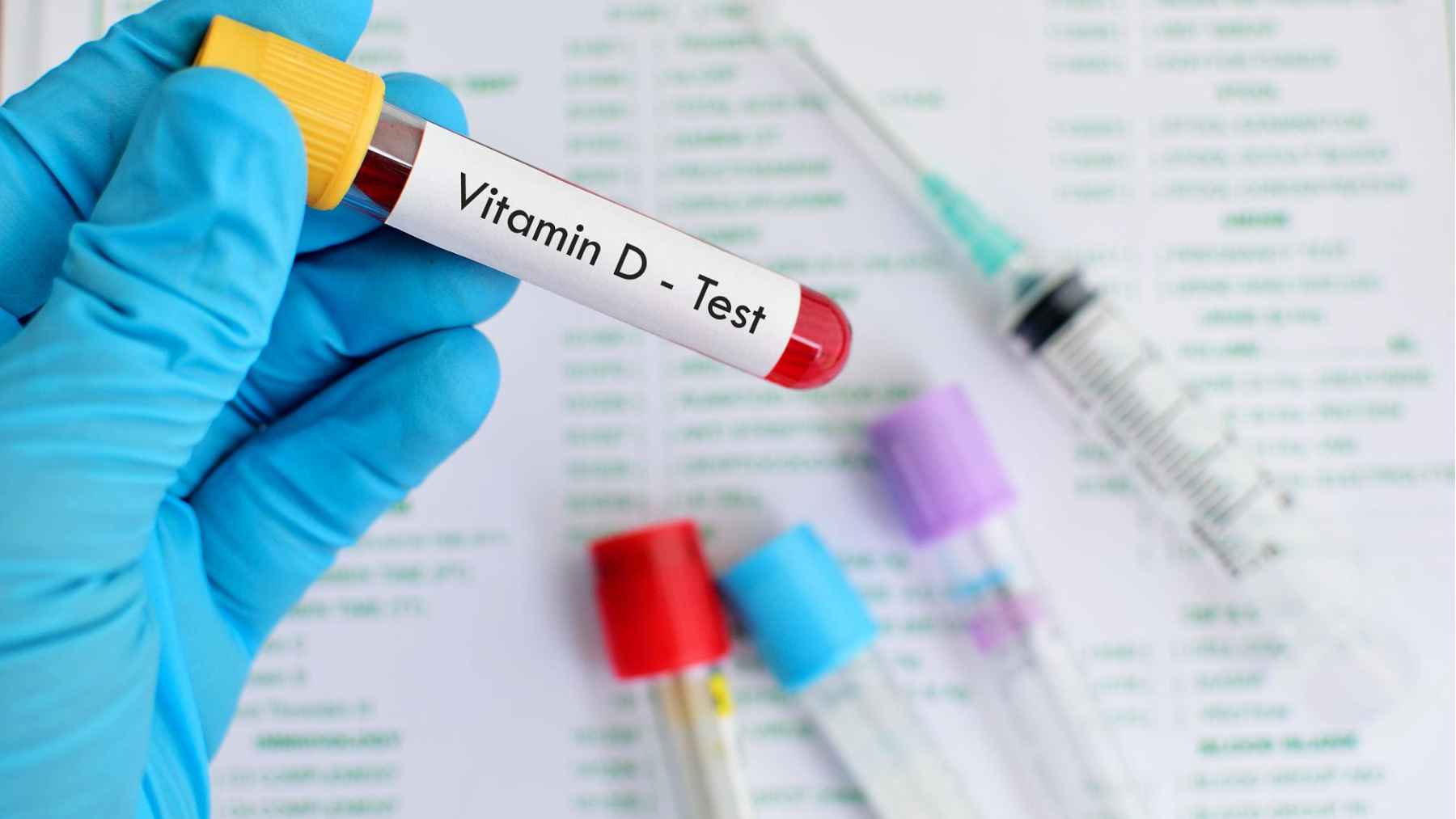
A laboratory blood test measuring vitamin D levels, the standard method doctors use to diagnose deficiency and guide treatment.
Bones are still the big concern
In children, severe vitamin D deficiency can cause rickets, a condition in which bones do not mineralize properly. That can lead to skeletal deformities, fragile bones, and muscle pain. MedlinePlus notes that rickets is rare, but it remains a real risk when children do not get enough vitamin D.
In adults, long-term deficiency can lower bone mineral density. That raises the risk of osteopenia and osteoporosis, two conditions in which bones become weaker and easier to break. A fall that should have caused only a bruise may instead lead to a fracture.
Severe deficiency in adults can also contribute to osteomalacia, which means bones become soft and painful. It is not always obvious at first, rather, sometimes it feels like a deep ache that keeps returning.
The immune and heart signals
Vitamin D also helps regulate the immune system. Low levels have been linked with greater susceptibility to respiratory infections, including colds and flu-like illnesses.
For people with chronic breathing conditions, such as chronic obstructive pulmonary disease, that extra vulnerability can matter in day-to-day life.
There is also growing interest in the cardiovascular side of deficiency. The Humanitas guidance notes that the inflammation seen with low vitamin D may affect heart and blood vessel health, including the function of the heart muscle. Still, this is an area where nuance is important.
Not every association proves cause and effect. In practical terms, low vitamin D should be treated as one health signal among several, not as a single explanation for every infection, ache, or heart concern.
What to do if levels are low
The first step is a blood test that measures 25-hydroxyvitamin D, the main marker doctors use to check vitamin D status. If deficiency is confirmed, a clinician may prescribe oral vitamin D3, also called cholecalciferol, in drops or tablets. The dose depends on the person’s age, health, and how low the level is.
This is not a good place for guesswork. The Endocrine Society’s 2024 guideline says the best level and intake for disease prevention remain uncertain in many otherwise healthy people, and it does not support routine screening for everyone without a clear reason.
For confirmed deficiency, treatment often works best when supplements are paired with safer sunlight exposure and vitamin D-rich foods. Normalizing levels can take weeks or months of steady treatment, but that slow correction can help relieve symptoms and reduce the risk of complications linked to chronic deficiency.
The official medical guidance has been published by Humanitas Research Hospital.