For generations, crying was treated as something to stop quickly. “Don’t cry” and “it’s not that bad” are common phrases, the kind many children hear before they even learn how to name sadness. But an old philosophical image and modern psychology point in another direction.
A popular line attributed to the Greek thinker Heraclitus says, “Crying cleanses the soul and reminds us that feeling deeply makes us live more fully.”
The wording should be handled with care, because scholars work from fragments and later testimony. Still, the idea fits a long tradition that saw tears not as failure, but as a sign that life has reached us.
A philosopher linked to tears
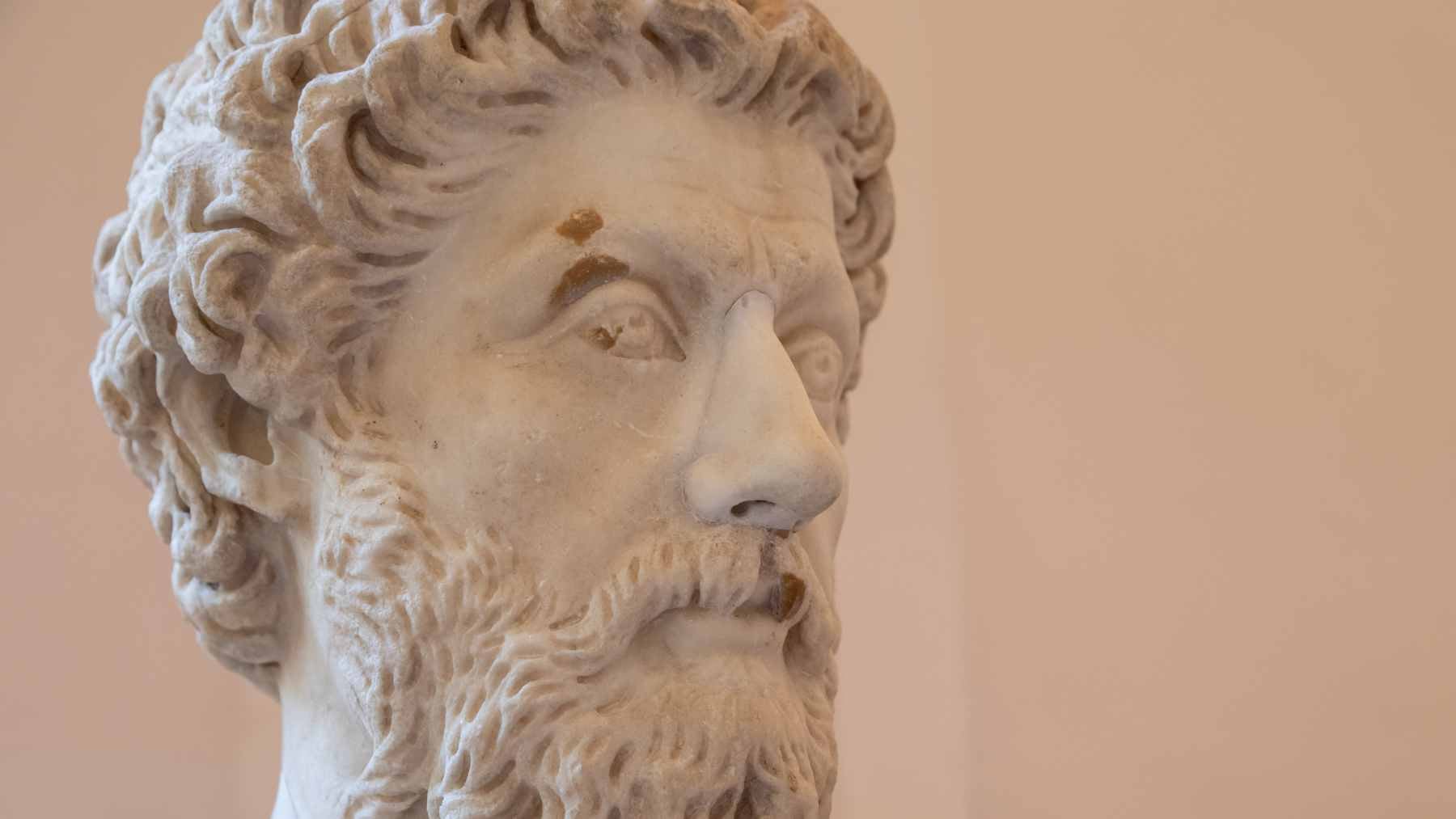
Heraclitus of Ephesus was active around 500 B.C. and became associated with change, tension, and the idea that reality moves like a river.
A scholarly overview from the Stanford Encyclopedia of Philosophy notes that even the famous river saying comes through ancient reports and must be read carefully, not as a neat slogan saved from a modern notebook.
Over time, another image stuck. The Museo Nacional del Prado describes him as the crying philosopher, juxtaposed with Democritus, known as the laughing philosopher, a contrast that turned both men into symbols of two ways to face human life.
What crying actually does
So what is crying, beyond tears on the face? In simple terms, emotional crying is a body signal that mixes feeling, facial movement, breathing, sound, and a message to other people.
A review by Lauren M. Bylsma, Asmir Gračanin, and Ad Vingerhoets, listed by Tilburg University, calls it a complex human behavior still not fully mapped by neuroscience.
That matters because crying is not like flipping a switch from pain to relief. Sometimes a person cries and feels better later. Sometimes they feel drained, embarrassed, or still hurt. Real life is messy.
Relief depends on context
The key idea from psychology is simple enough for a teenager to understand. Tears may help, but mostly when they happen in a setting that feels safe. The 2014 research found evidence that mood benefits after crying can depend on positive responses from others, such as comfort, support, or care.
On the other hand, crying in front of people who judge you can make things worse. Shame and embarrassment may block the relief people expect from tears, especially when the person feels watched instead of understood.
That is why a quiet room with a trusted friend can feel very different from breaking down in a crowded hallway.
Tears also speak
Crying does not only release pressure. It communicates. Before a person can explain a breakup, a loss, a family fight, or the feeling of being overwhelmed, tears can already say, “I need help.”
This social side is now backed by larger research. A 2021 study across 41 countries and more than 7,000 participants found that seeing tears increased people’s intention to offer support, suggesting that tears can work as a kind of social glue.
Ancient intuition, modern caution
This is where the old lesson becomes useful, but not magical. Calling crying “cleansing” can make sense as a metaphor, because tears may help people recognize emotions instead of burying them. But science does not say that every cry heals every wound.
Think of it like cleaning a cut. Washing it is not the whole cure, but ignoring it is rarely better. In emotional life, crying can be one step toward understanding what hurts, what changed, and what needs care next.
Why people still seek sad art
There is also a reason people return to sad movies, novels, and songs. A story can bring tears in a safer space, away from a real event that first triggered pain. Strange as it sounds, a song on the bus or a movie at home can help give shape to feelings that were sitting there without words.
That does not mean people should force themselves to cry. It means tears, when they come naturally, deserve less fear and more respect. They are not proof that someone is weak.
The real lesson
The strongest point is not that sadness is noble or that crying solves everything. It is that deep feeling is part of being alive, and the body sometimes knows this before the mind can explain it.
At the end of the day, the ancient image of the weeping philosopher still has power because it pushes against a hard, familiar habit. We often rush to say “stop crying” when maybe the better first response is “I’m here.” That small change can make a difficult moment more human.
The main scientific work cited here has been published in Frontiers in Psychology.