Loneliness in old age is often pictured as an empty house, a quiet phone, or fewer people at the table. But psychology points to a more uncomfortable kind of loneliness: realizing that some friendships fade the moment you stop doing all the emotional work.
No one has to start a fight for a friendship to end. Sometimes it is enough to stop calling first, stop planning coffee, stop remembering birthdays, and the silence tells the story. What hurts is not only the distance, but the discovery that the bond may have rested more on your effort than on mutual care.
The hidden work of friendship
Friendship often runs on small acts that are easy to miss. A check-in after a doctor’s appointment, a remembered anniversary, a quick message after a hard week, or the simple question, “How are you really doing?”
Psychologists sometimes describe this as emotional labor, meaning the behind-the-scenes effort of noticing, soothing, organizing, and keeping a relationship alive. When one person does nearly all of it, the friendship can look stable for years. Then, when that person steps back, the structure shows its cracks.
Why reciprocity matters
Reciprocity is the simple give-and-take that helps people feel valued. It does not mean keeping score. It means both people, in their own ways, show care, attention, and effort over time.
A 2010 review by Live Fyrand, then affiliated with Diakonhjemmet University College, examined whether reciprocity predicted mental health and relationship continuity in older adults.
The review found that balanced exchange was linked with better mental health and life quality, while friendships appeared especially vulnerable when that balance was missing.
Aging makes the imbalance visible
Aging does not make people less capable of friendship. For the most part, it makes time, energy, health, and attention feel more limited. The social calendar gets smaller, and not every old habit deserves a place on it.
That is why one-sided friendships can become so clear later in life. What once felt automatic, such as arranging dinners or being the reliable listener, can start to feel like a second job. At some point, a person may ask a painful question: would this friendship still exist if I stopped carrying it?
Loneliness is not just being alone
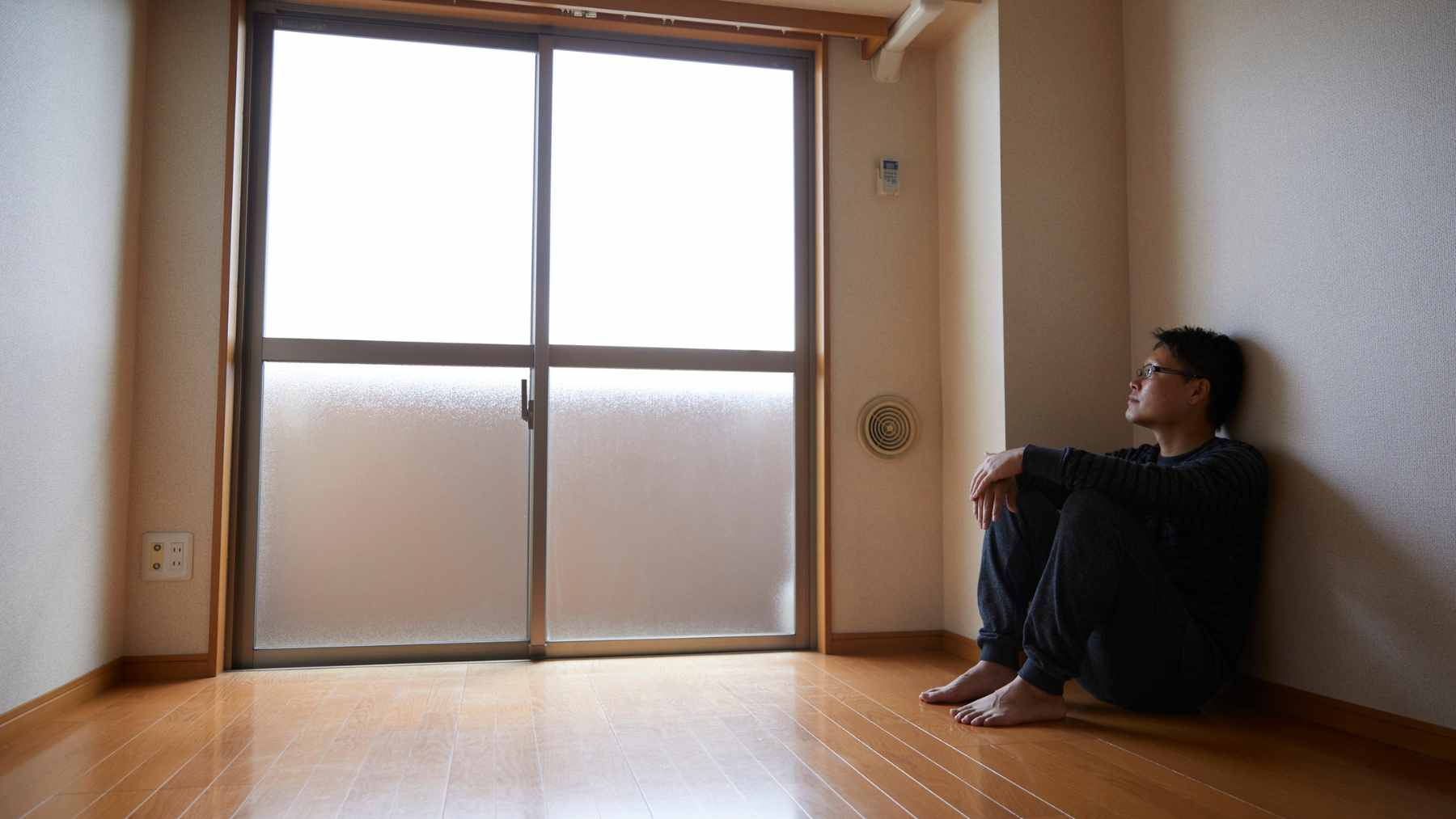
Being alone and feeling lonely are not the same thing. Social isolation usually refers to having few contacts or little interaction, while loneliness is the felt experience of being disconnected, even when other people are nearby.
The National Academies has described social isolation and loneliness among older adults as serious but often underestimated public health risks. Its 2020 report noted that about one-quarter of community-dwelling Americans aged 65 and older are socially isolated.
The CDC also warns that loneliness and isolation are linked to higher risks for heart disease, stroke, depression, anxiety, dementia, and earlier death. In other words, this is not just about hurt feelings. It can shape the body, the mind, and the way a person moves through daily life.
Friendship quality counts
The number of names in a phone is not the whole story. A long contact list can still feel hollow if the relationships do not include trust, attention, or follow-through.
Recent data from Preeti Malani and colleagues at the University of Michigan Medical School found that 33.4% of adults ages 50 to 80 reported lacking companionship some of the time or often in 2024. The same work found that 29.2% reported feeling isolated from others in that year.
Another National Poll on Healthy Aging report found that 34% of adults age 50 and older said maintaining friendships was harder than when they were younger. That difficulty was especially common among people who reported fair or poor mental or physical health.
When a bond quietly fades
There is a particular sting in realizing that a friendship survived mostly because one person kept feeding it. No betrayal is required. The loss can happen quietly, through unanswered texts, missed invitations, and a growing sense that care is not coming back the other way.
This does not mean every uneven season is a failed friendship. Illness, caregiving, grief, money problems, and plain exhaustion can make good friends less available for a while. But over years, patterns tell a different story than temporary silence.
What psychology suggests
Psychology does not invite people to become cold or suspicious, rather, it invites honesty. A friendship can be imperfect and still real, but it should not require one person to be the permanent manager of closeness.
That may mean having a direct conversation, lowering expectations, or choosing to invest more in people who respond with care. Fewer relationships can be lonely at first, but fewer, steadier bonds may also bring relief.
A quieter kind of clarity
The loneliest part of aging may not be having fewer friends. It may be seeing, with uncomfortable clarity, which friendships were built on mutual care and which were built on one person’s willingness to keep reaching.
That realization can ache. Still, it can also clear space for relationships that feel less like a chore and more like a place to rest. Sometimes the smaller circle is the more honest one.
The main research review has been published in Current Gerontology and Geriatrics Research.