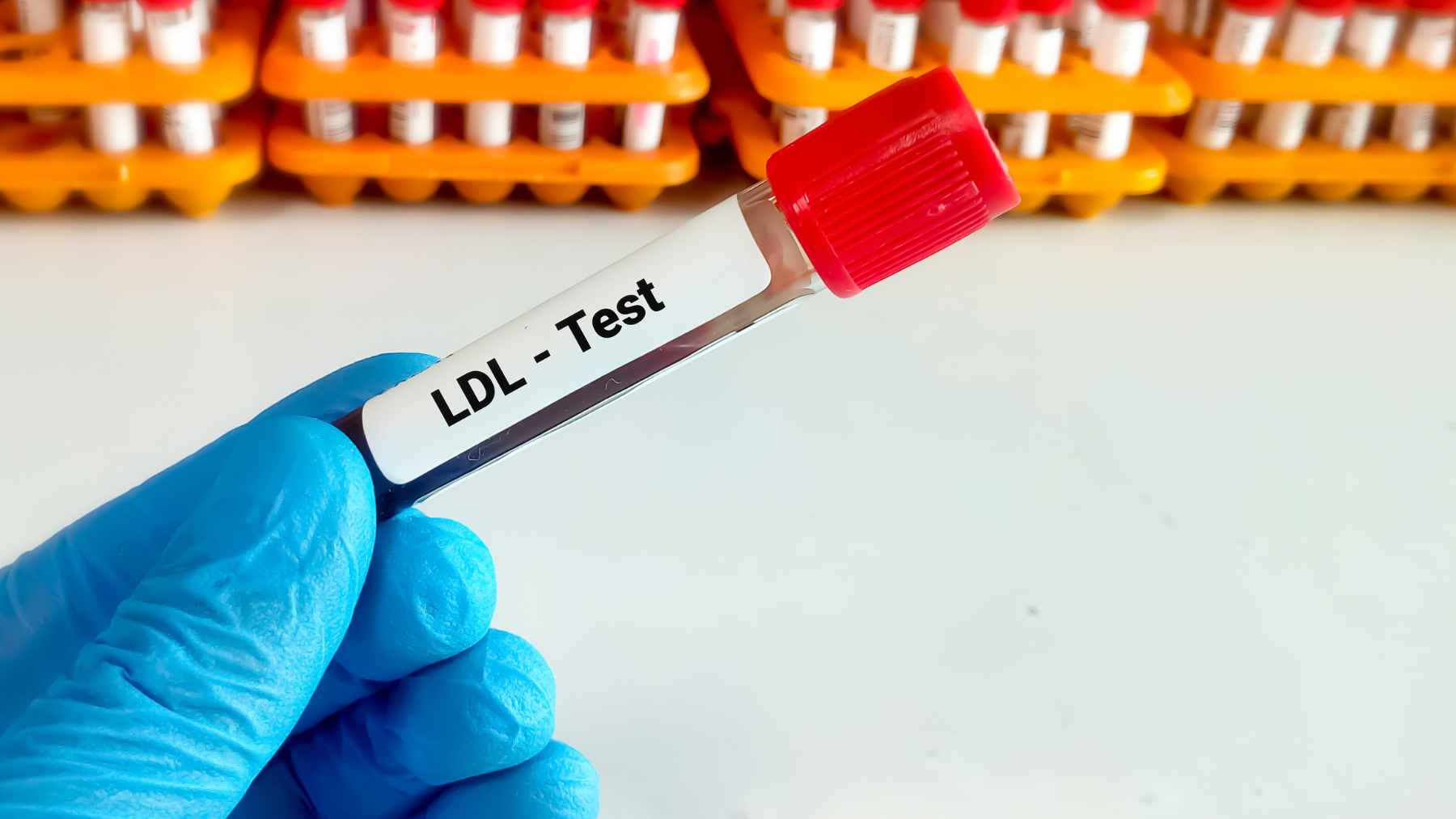
Heart attacks and strokes often look sudden from the outside. A person feels fine, goes through a normal day, and then an emergency changes everything in minutes. A major analysis suggests the story usually starts much earlier, however.
Researchers found that more than 99% of people who later had coronary heart disease, heart failure, or stroke had at least one major risk factor above optimal levels beforehand. More than 93% had two or more.
The pattern appeared in South Korea and the United States, and high blood pressure stood out as the most common warning sign.
A long fuse
Many people picture a heart attack or stroke as a bolt from the blue. Sometimes the symptoms do come suddenly, and that is why emergency care matters. Still, the damage that raises risk often builds slowly, one appointment and one unchecked number at a time.
The study looked at health records from 9,341,100 Korean adults and 6,803 U.S. adults followed for up to two decades. The analysis was based on 601,025 cardiovascular events in the Korean group and 1,188 in the U.S. group.
Among people who had a first event, researchers checked whether earlier records showed blood pressure, cholesterol, blood sugar, or tobacco exposure above ideal levels.
The four numbers to watch
Dr. Philip Greenland, senior author and professor at Northwestern University Feinberg School of Medicine, said the study shows exposure to one or more nonoptimal risk factors before these outcomes is nearly 100%. Lead author Hokyou Lee of Yonsei University and colleagues focused on four measures that doctors already know how to track.
Using American Heart Association definitions, the team counted blood pressure at 120 over 80 or higher, total cholesterol at 200 mg. per deciliter or higher, fasting blood sugar at 100 mg. per deciliter or higher, diabetes treatment, cholesterol or blood pressure treatment, and past or current tobacco use.
Those levels do not always feel dangerous in daily life–that is the catch.
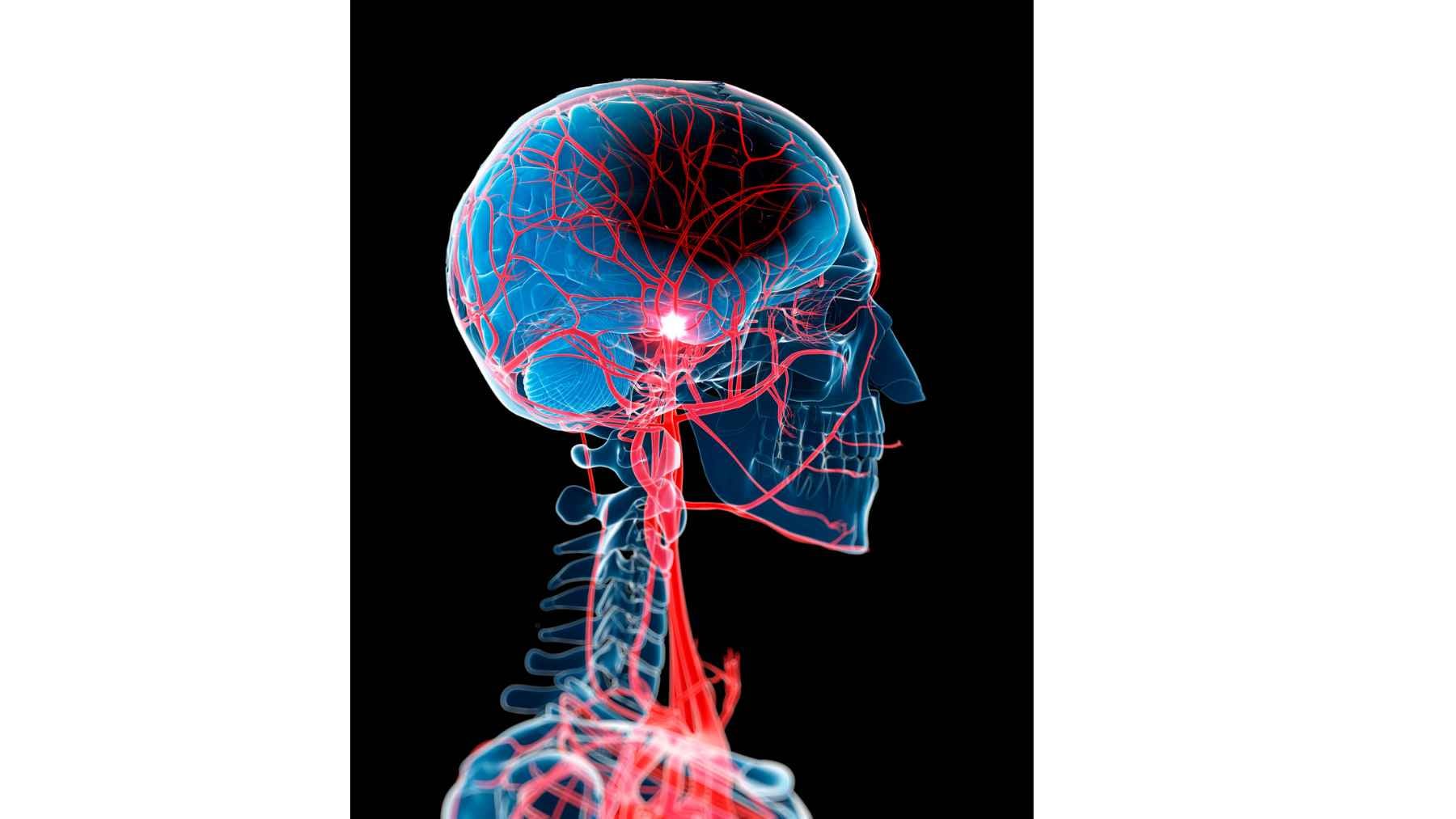
A medical illustration of the brain’s vascular system highlights the blood vessels involved in strokes, one of the most serious cardiovascular emergencies linked to high blood pressure and other silent risk factors.
Blood pressure was the standout
High blood pressure, also called hypertension, was the most common factor in the study. It appeared in more than 95% of patients in the Korean group and more than 93% in the U.S. group before their first event.
Why is it so easy to miss? For the most part, high blood pressure causes no obvious symptoms. Federal health guidance describes it as a major risk factor because sustained pressure can strain the heart and damage blood vessels, including those that feed the brain and kidneys.
Cholesterol and blood sugar add pressure
Cholesterol is a waxy substance the body needs, but too much can build up in artery walls. Over time, that buildup can narrow the paths blood uses to reach the heart, brain, and other organs. A traffic jam inside the body is not a perfect image, but it gets close.
Blood sugar matters, too. Diabetes and long-term high glucose can injure blood vessels and make other risks harder to control. The study’s point was not that every person with one risk factor will have a heart attack or stroke. It was that these factors were present again and again before serious events.
Prevention starts before symptoms
This is the hopeful part. Blood pressure cuffs and basic blood tests can reveal problems long before chest pain, weakness, or confusion sends someone to an emergency room. A simple checkup is not dramatic, but it can be the moment a hidden risk becomes something treatable.
Lifestyle changes still matter, especially quitting smoking, being active, eating in a heart healthy way, and working toward a healthy weight when needed. Excess weight is not just a number on a scale.
It can push blood pressure, cholesterol, and blood sugar in the wrong direction, which is why doctors often treat these risks together.
Not only an older adult issue
Age raises risk, but the process often starts earlier than people expect. In the study, even women younger than 60, a group often viewed as lower risk, usually had at least one nonoptimal factor before heart failure or stroke.
That matters for younger adults who feel healthy and skip routine care. You may not notice high cholesterol while answering emails, sitting in traffic, or finishing a late dinner, but the numbers can move quietly anyway.
Emergency signs still matter
This research is about risk factors that can sit quietly for years. It is not a replacement for knowing emergency symptoms. Chest discomfort, shortness of breath, pain in the jaw, neck, back, arm, or shoulder, and sudden nausea or unusual fatigue can signal a heart attack, according to CDC guidance.
Stroke warning signs can include sudden trouble speaking, face or arm weakness, vision trouble, dizziness, loss of balance, or a severe headache with no known cause. In those moments, the right move is simple: call 911.
The takeaway
The study challenges the reassuring idea that most major cardiovascular events arrive without warning. For many people, the warning is not a dramatic symptom, it is a number that has been drifting upward for years.
At the end of the day, prevention is not about predicting every emergency. It is about finding the quiet risks early enough to lower them.
The full study was published in the Journal of the American College of Cardiology.