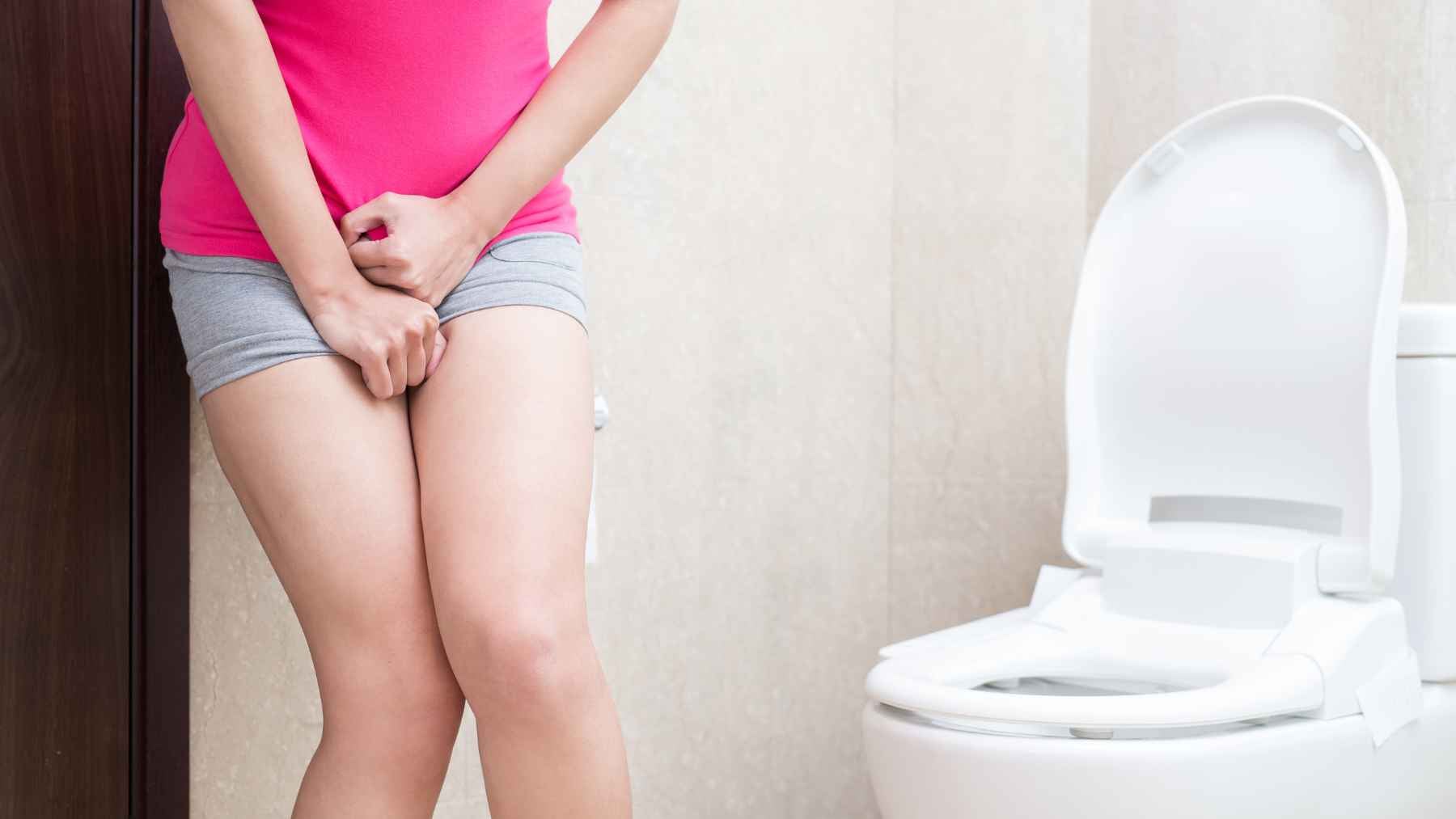
In winter, even a simple bathroom trip can feel like a chore. Cold air, extra layers of clothing, and the wish to stay warm can make many people think, “I’ll just wait a little longer.”
That choice is usually not a crisis when it happens once in a while. But doctors warn that turning urine retention into a habit can strain the bladder, weaken control, and raise the risk of urinary tract infections.
Gynecologist Libertad Méndez Núñez of Clínica Universidad de Chile Quilín says “voluntary and habitual urine retention can have negative consequences” for urinary health.
Why holding urine can backfire
The bladder is a stretchable organ that stores urine until the body is ready to release it. When someone regularly ignores the urge to go, that storage system can be pushed past what it is meant to do.
Over time, doctors say this may weaken the pelvic floor muscles and the urethral sphincter, the muscle that helps keep urine in. In everyday life, that can make it harder to control urination when you actually need to go.
There is also the bladder itself. If it is overstretched again and again, it may not contract as well, which can make it harder to empty completely.
Infection risk is part of the concern
One of the main risks is a urinary tract infection, often called a UTI. This happens when bacteria grow somewhere in the urinary system, most often in the bladder.
Stagnant urine can give bacteria more time to multiply. That is why holding urine too often may increase the risk, especially when the bladder does not empty fully.
Tomás Olmedo Barros, head of urology at Hospital Clínico Universidad de Chile, says “there are no differences between men and women” on this point. He adds that it is not recommended for anyone to hold urine when they feel the need to go because it can increase infection risk or affect bladder function.
How often is normal
So how often should a healthy adult urinate? The answer depends on what you drink, how much you sweat, and whether you consume bladder irritants such as caffeine, tea, or alcohol.
According to the specialists, many healthy adults urinate three to seven times a day, with no more than one nighttime trip. A range of six to eight times in twenty-four hours can also be normal for people drinking about 51 to 68 fluid ounces a day, or about 6 to 8.5 cups.
That does not mean everyone must hit the same number. On a hot day, after exercise, or after that second cup of coffee, the pattern may shift.
When too many trips are a warning
Frequent urination is generally described as needing to go more than eight times a day while drinking a normal amount of fluids. If it starts interrupting school, work, sleep, or daily routines, it deserves attention.
This can sometimes point to bladder instability, also known as overactive bladder. The Urology Care Foundation notes that people who feel they “gotta go” eight or more times across day and night may be dealing with symptoms of overactive bladder.
The key is not just the number. Urgency, pain, leaks, or waking up repeatedly at night can change the picture.
Small amounts matter, too
Some people feel the need to urinate often but release only small amounts. Doctors call this pattern pollakiuria, a technical word for frequent urination in small volumes.
In women, it can be linked to urinary tract infections, overactive bladder, interstitial cystitis, pregnancy, pelvic organ prolapse, menopause-related changes, uncontrolled diabetes, certain medications, or too much caffeine. That is a long list, which is exactly why guessing is not enough.
What should you watch for? Burning, strong urgency, lower belly discomfort, cloudy urine, bloody urine, or strong-smelling urine can all be signs of a bladder infection, according to the National Institute of Diabetes and Digestive and Kidney Diseases.
Leaks are not just normal aging
Urine leakage is common, but doctors stress that it should not be dismissed as “just life.” It can be expected in certain situations, but that does not make it something people have to live with silently.
Women are more likely to develop urinary incontinence during and after pregnancy, childbirth, and menopause. In men, age-related prostate problems can raise the risk, and the National Institute of Diabetes and Digestive and Kidney Diseases says treatment depends on the type and cause of the problem.
The more practical message is simple: if leakage affects quality of life, it is worth asking for help.
When to see a doctor
Medical evaluation is especially important when frequent urination comes with urgency, pain, involuntary urine loss, sleep disruption, or the feeling that the bladder does not empty well. A clinician may ask about symptoms, review a urination diary, order a urine test, or request imaging or bladder function studies.
That may sound like a lot, but the goal is straightforward. Doctors are trying to find the cause rather than treat every case the same way.
At the end of the day, the healthiest habit is also the simplest one. When your body says it is time to go, listen.
The official press release has been published by the University of Chile.