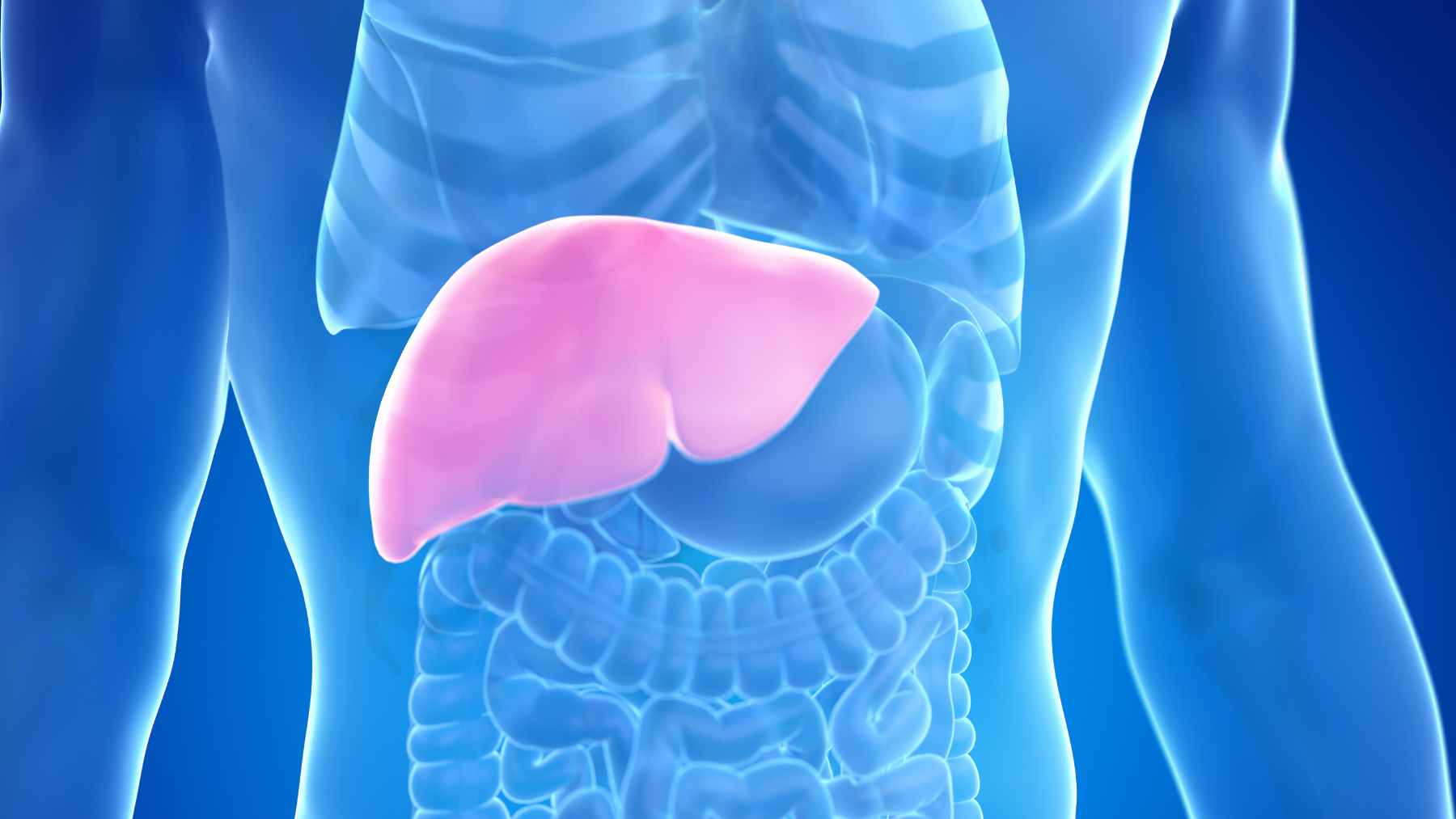
A new cholesterol discovery points to a quiet problem inside the liver, the organ that does much of the cleanup work in the blood.
Researchers found that a high-cholesterol diet can activate a protein called Ral, which helps remove LDL receptors from liver cells and makes it harder for the body to clear “bad” cholesterol.
That matters because high LDL often builds up without any obvious warning sign.
According to the World Health Organization’s latest fact sheet, cardiovascular diseases remain the world’s leading cause of death, with an estimated 19.8 million deaths in 2022, and high LDL is one of the risks doctors watch closely.
How the liver clears LDL
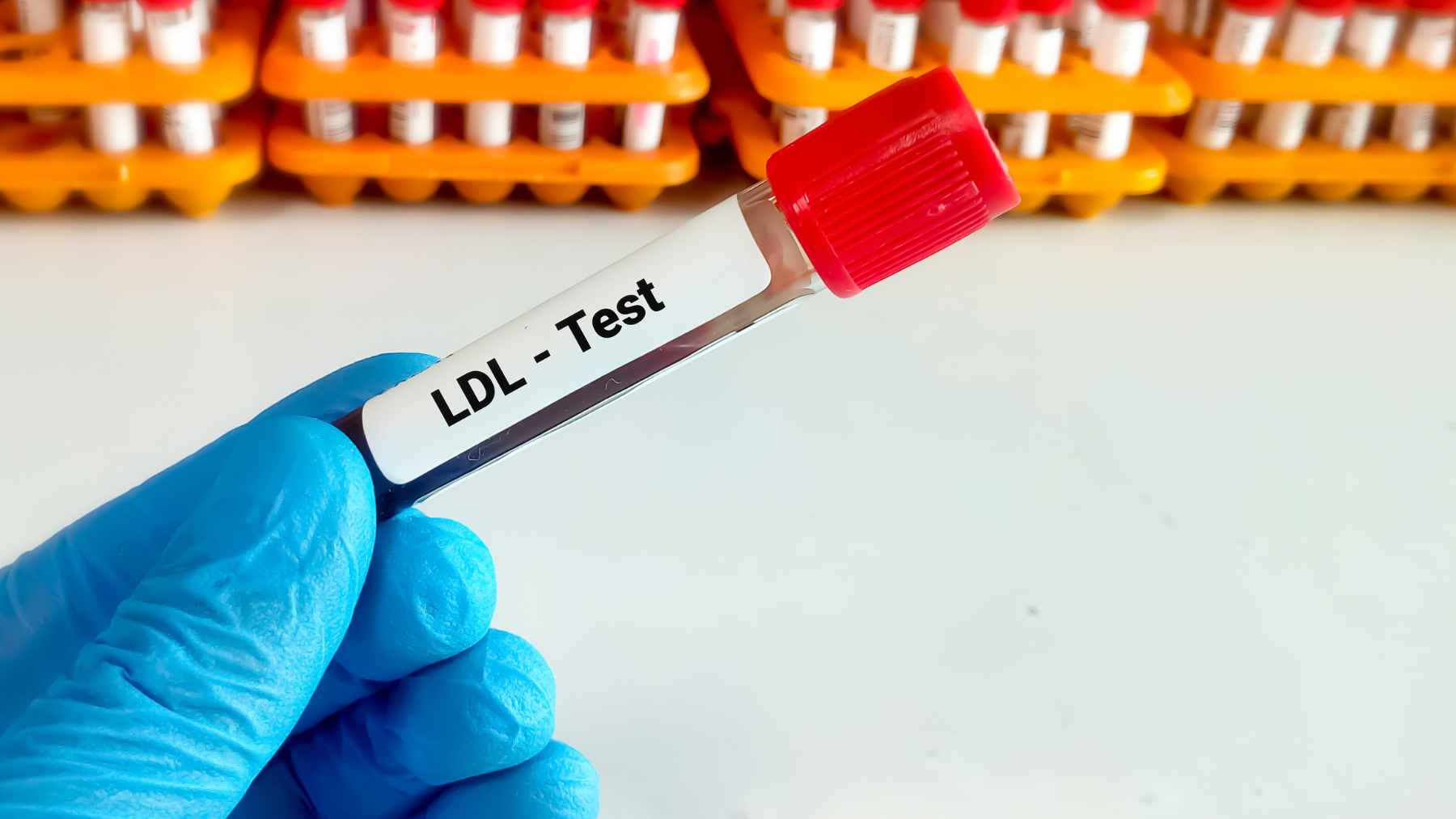
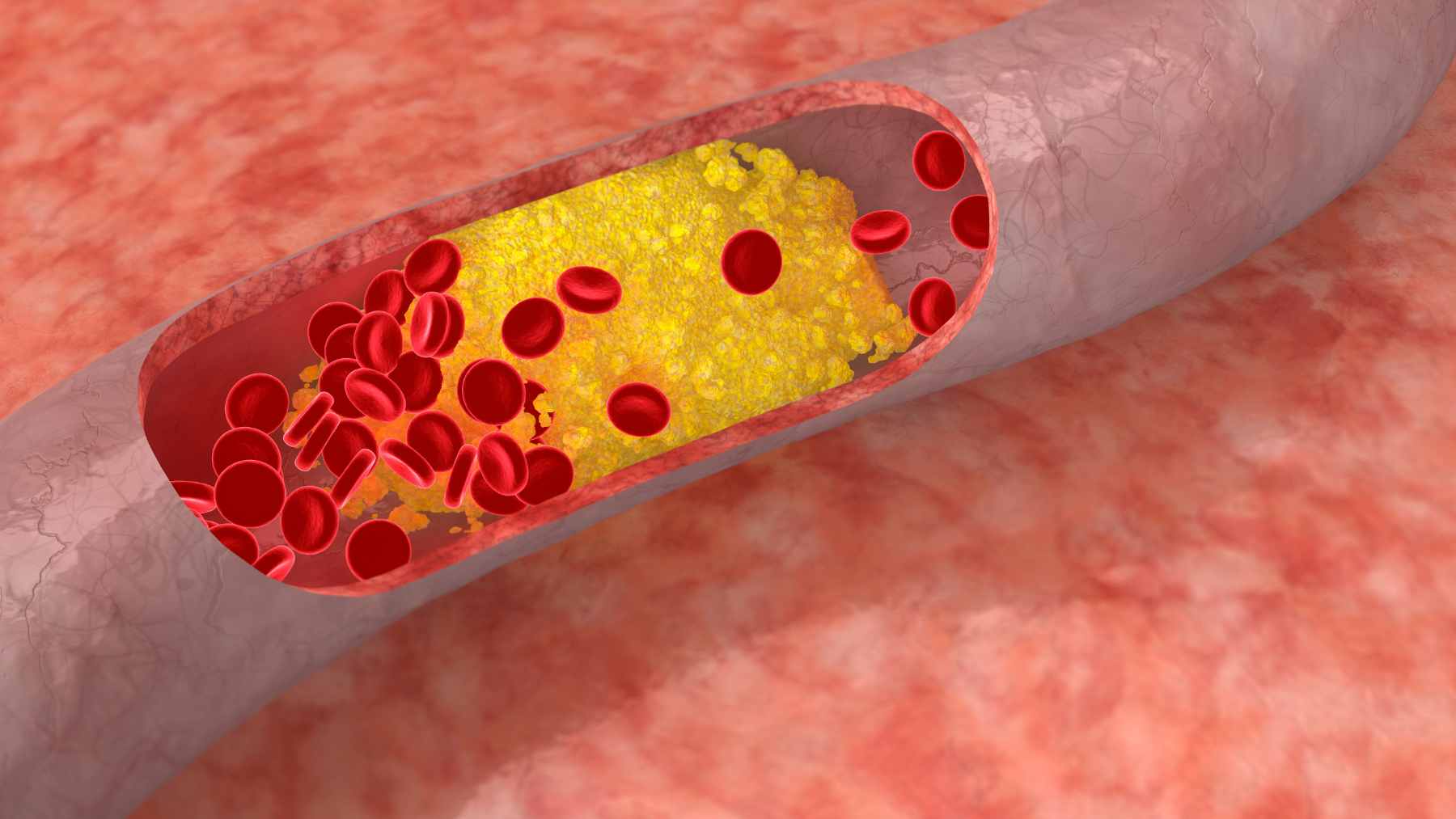
LDL, short for low-density lipoprotein, is often called “bad” cholesterol because too much of it can collect inside blood vessels as plaque. Over time, that buildup can narrow the route blood takes through the body, raising the risk of heart disease and stroke.
The liver helps prevent that backup by using LDL receptors, which work like small catchers on the surface of liver cells. The more of those catchers the liver has available, the more LDL it can pull out of the bloodstream.
That is why current treatments matter. Statins lower LDL partly by reducing cholesterol production in the liver, while PCSK9 inhibitors help the liver remove more LDL from the blood.
The hidden switch
The new work looked at mice and human liver cells to understand why a high-cholesterol diet can slowly weaken this cleanup system. The researchers found that Ral acts like a switch that helps send LDL receptors away from the cell surface and toward internal compartments where they can be broken down.
In simple terms, the liver still has the equipment, but some of it gets pulled off the job. That leaves fewer receptors available to grab LDL from the blood, which can allow cholesterol levels to stay higher.
The study also identified CTSA, or cathepsin A, as an important part of that process. When scientists blocked CTSA with a small-molecule inhibitor, LDL receptors stayed more stable and circulating LDL cholesterol dropped sharply in mice.
A possible new treatment path
This is not a new cholesterol pill ready for pharmacies. It is still a preclinical finding for cholesterol treatment, which means the LDL-lowering effect has been shown in lab models, not yet in patients with high cholesterol.
Still, the drug angle is unusual. The CTSA inhibitor had already gone through a Phase 1 clinical trial for heart failure and was tested for safety in people, though development for that use was later stopped for strategic reasons.
Senior author Alan R. Saltiel put it plainly when describing the opportunity ahead. There is an “experimental drug sitting on the shelf,” he said, and researchers now want to test whether it can work as a cholesterol-lowering therapy.
Why this matters for patients
Doctors already have powerful tools against high cholesterol, and for many people they work well. But some patients cannot tolerate certain medicines, while others still fail to reach safe LDL levels even when they follow treatment.
A therapy aimed at CTSA would work through a different route than statins or PCSK9 inhibitors. That suggests it might one day be used alongside existing drugs rather than replacing them.
That distinction is important. Heart disease prevention is often about stacking small advantages over time, from food choices and exercise to prescriptions and regular blood tests.
The bigger cholesterol story
The discovery fits into a long scientific effort to understand LDL receptors and why they matter so much. A 2015 review in Cell described LDL as a central player in coronary disease research, while a 2016 Nature Communications study showed that cell-sorting machinery helps keep LDL receptors working properly.
The new study adds Ral and CTSA to that map. It suggests that high dietary cholesterol does not only add more material for the body to handle, but can also interfere with the liver’s ability to handle it.
A team from the University of California San Diego School of Medicine led the research, with Xue Feng, Shuo Zhang, and Alan R. Saltiel listed among the Nature authors.
Collaborators also came from the University of California San Francisco, the University of Texas Health Science Center at San Antonio, and the University of Utah.
What happens next
The next step is a human trial focused on cholesterol, not heart failure. That is the real test because results in mice often help point the way, but they do not guarantee the same benefit in people.
For now, the finding offers a clearer picture of why LDL can remain stubbornly high. It also gives researchers a target that was hiding in plain sight, inside the liver’s own cleanup system.
The official study has been published in Nature.