After a long day in closed shoes, feet can feel hot, heavy, and a little hard to ignore. That is where a simple home routine has gained attention through a warm-water soak with coarse salt and baking soda.
The appeal is easy to understand. Supporters say the mix helps reduce odor, soften rough skin, and ease that tired feeling after walking, standing, or working for hours.
The more careful takeaway is that it may help with comfort and basic hygiene, but it is not a medical cure for fungus, wounds, or persistent skin problems.
Why the remedy caught on
This habit sits somewhere between self-care and old-school home advice. So why has it caught on so quickly? It uses ingredients many people already have in the kitchen, which makes it feel practical, cheap, and easy after a long shift.
The logic is simple enough. Baking soda is commonly used to fight smells, while salt is often linked with cleansing routines and softer skin. Mix both with warm water, and the result is a short foot soak that feels like pressing pause on the day.
What it may do for feet
Foot odor usually starts with sweat. When moisture gets trapped inside socks and shoes, bacteria can multiply and create the smell many people notice at the end of the day.
That is why drying the feet matters as much as washing them. Foot care specialist Joy Rowland has noted that home remedies can improve foot odor in some cases, but persistent odor may need a professional check.
A warm soak may also help loosen dead skin, especially around the heels and soles. That can make the feet feel smoother, although scrubbing too hard can irritate the skin instead of helping it.
It is not a cure
There is one important caveat to keep in mind: a salt and baking soda bath should not be treated as a cure for athlete’s foot, nail fungus, or any infection that keeps coming back.
Athlete’s foot is caused by fungi that grow well in warm, dark, moist places, especially between the toes. Keeping feet clean and dry and changing shoes and socks regularly helps prevent or control it, according to public health guidance.
If there is itching, peeling, cracking, burning, thick nails, or a rash that spreads, a soak is not enough. In those cases, it is time to use an appropriate antifungal product or ask a clinician what is going on.
How to prepare the soak
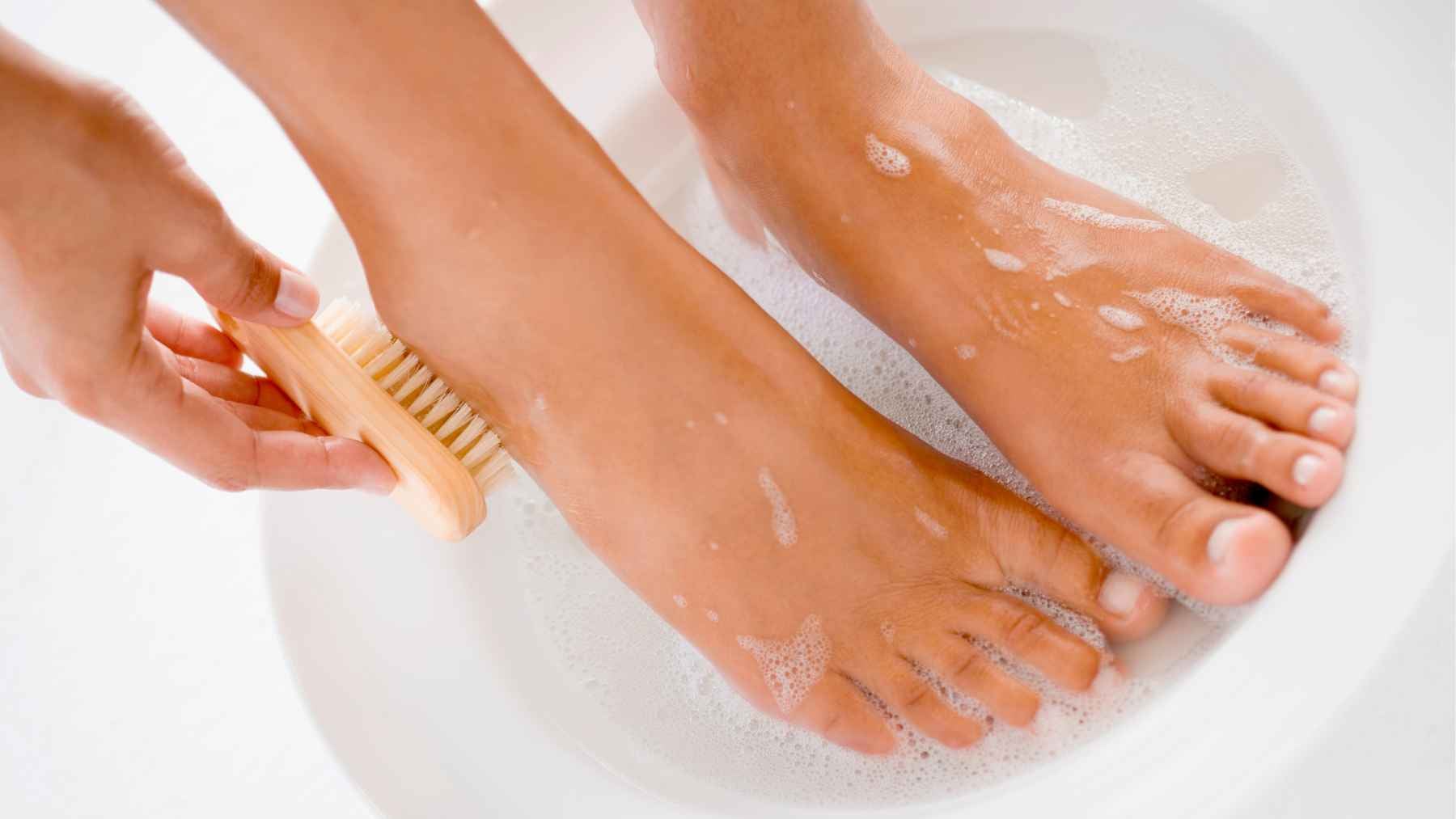
The common method is straightforward. Use a basin large enough for both feet, add warm water until it reaches above the ankles, then stir in 2 or 3 tablespoons of coarse salt and a generous amount of baking soda.
Once the mixture is fully dissolved, soak the feet for about 15 minutes. After that, rinse or wipe the skin well, dry carefully between the toes, and apply moisturizer to the tops and bottoms of the feet.
Do not leave moisture trapped between the toes. That small detail matters, because damp skin inside socks can bring back the very problem the soak was meant to calm.
Why some people wash their hands with it
The same mix is also used by some people as a hand-washing ritual. In Feng Shui tradition, salt and water are associated with clearing negative energy after touching many people, objects, and surfaces throughout the day.
That belief is cultural and spiritual, not medical. For germs, the reliable method remains soap and clean running water, with scrubbing for at least 20 seconds and drying afterward.
Still, rituals can matter in everyday life. A short hand wash at night may feel like a reset, much like changing clothes after work or taking off shoes at the door.
Who should be careful
Not everyone should soak their feet. People with diabetes, poor circulation, nerve damage, open cuts, blisters, sores, or irritated skin should be more cautious and ask a health professional before trying home soaks.
U.S. diabetes guidance advises people with diabetes to wash feet daily with warm, not hot, water and avoid soaking because it can dry the skin. It also recommends testing water temperature and keeping the skin between the toes dry.
There is another practical warning: if the mixture stings, burns, dries the skin, or leaves redness, stop using it. No home remedy is worth making the skin barrier weaker.
A simple ritual with limits
At the end of the day, this remedy is best understood as a comfort routine, not a treatment plan. It may help tired feet feel fresher, reduce mild odor, and make rough skin easier to manage.
The basics still do the heavy lifting, though. Wash feet, dry them well, change socks, rotate shoes, and let footwear air out when possible. The electric bill, the commute, the traffic, and the long hours may not disappear, but your feet can at least get a cleaner ending to the day.
For readers, that is the cleanest way to frame the trend.
The main official foot hygiene guidance used for this article has been published by the Centers for Disease Control and Prevention.