Hot days can drain even the most energetic people. When the temperature pushes past 86°F, sweat, poor sleep, and that heavy summer air can make fatigue arrive much faster than expected.
That is why a simple homemade drink, often described online as a “cortisol cocktail,” is getting fresh attention as a warm-weather alternative to mineral water.
Its real value is not magic, it is a quick mix of fluids, natural sugar, potassium, and a little sodium that may feel useful when heat leaves you sluggish.
Why it is catching on
On social media, the drink is often presented as a small kitchen fix for tired mornings, sweaty afternoons, or that drained feeling after physical work. The appeal is easy to understand–it uses three common ingredients and takes less time than brewing coffee.
The name can be misleading, though. Cortisol is a hormone linked to stress and energy, but experts warn that this drink is unlikely to meaningfully lower cortisol levels.
Theresa Larkin, an associate professor of medical sciences, has noted that the trend can also bring extra sugar and salt, which matters for some people.
The simple recipe
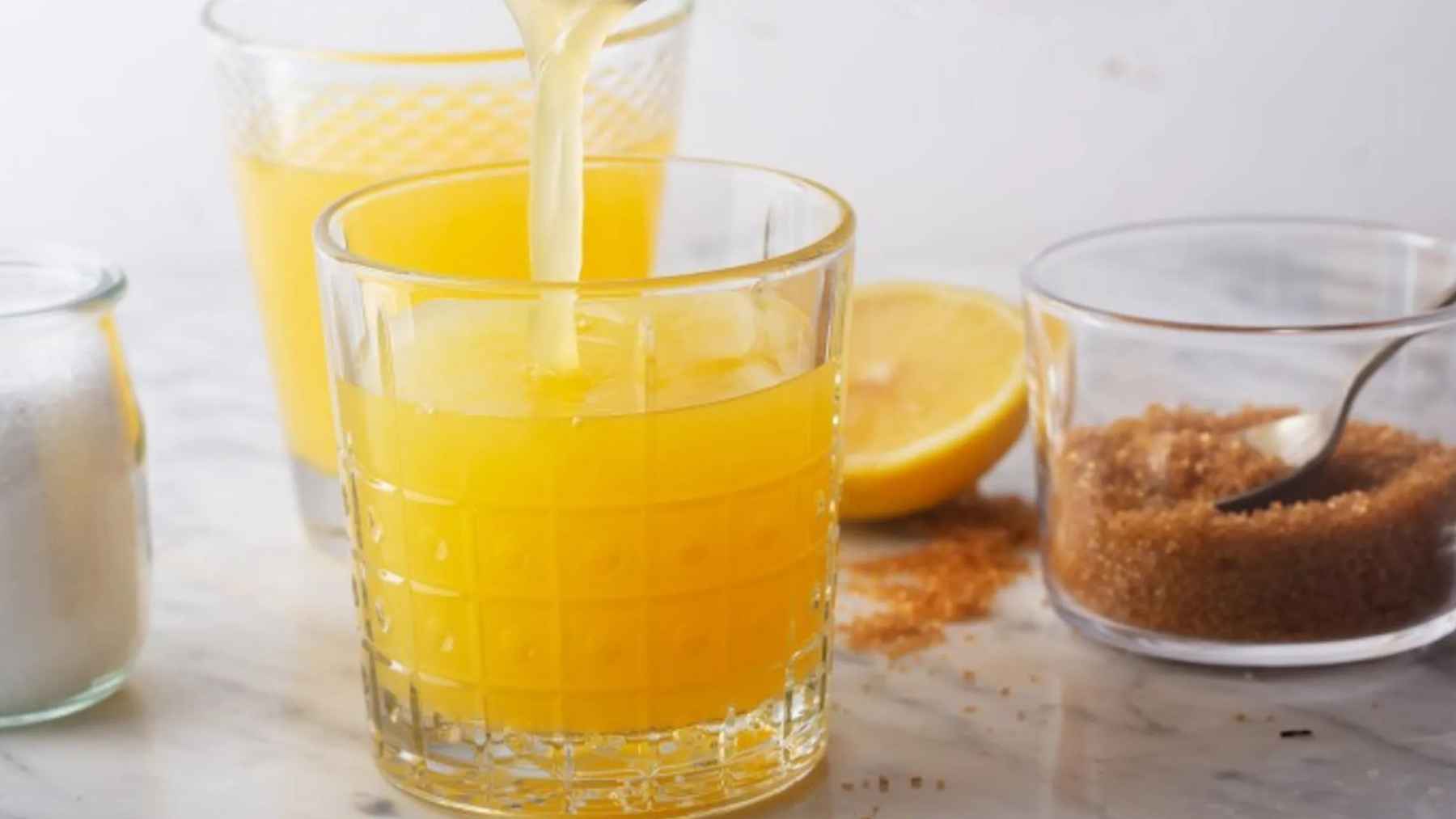
To make it, mix about 7 fluid oz. of orange juice with a pinch of good-quality salt. Then add 1.7 to 3.4 fluid oz. of coconut water and serve it very cold.
Some people add a squeeze of lemon juice or a few ice cubes. Chef David Šlapák suggests a fresher version with “a few fresh mint leaves, lime juice, or a few slices of cucumber,” adding that ice cubes with frozen fruit, such as blueberries or raspberries, also work well on hot days.
What these ingredients do
Orange juice is the bright, sweet base. It brings fluid, natural sugars, and vitamin C, a nutrient found in high amounts in citrus fruits and their juices. Federal nutrition guidance lists orange juice as one of the foods that can provide a full day’s worth of vitamin C in a normal serving.
Coconut water adds a different piece of the puzzle. It contains electrolytes, which are minerals that help the body handle fluids and keep muscles and nerves working. Mayo Clinic notes that coconut water contains potassium, sodium, and manganese, though plain water is still just as hydrating for everyday use.
The pinch of salt is there for sodium. Sodium and potassium help maintain fluid and blood volume, but too much sodium can raise blood pressure. In other words, a pinch is very different from turning the drink into a salty tonic.
Heat fatigue is real
Why does heat make people feel so wiped out? When the body sweats heavily, it loses water and salt. Public health guidance describes heat exhaustion as the body’s response to losing too much of both, usually through excessive sweating.
The warning signs can include headache, dizziness, weakness, thirst, heavy sweating, and nausea. A cold drink may help some mild cases of tiredness, but it is not a substitute for shade, rest, and steady hydration when the heat is intense.
What it cannot do
The viral name makes the drink sound more scientific than it really is. Cortisol is produced by the adrenal glands and rises or falls through the day, especially around sleep, stress, illness, and activity. A glass of orange juice, coconut water, and salt does not reset that system like a switch.
That is the key nuance. The drink may help replace some fluid and minerals after sweating, but it should not be sold as a hormone treatment. People with diabetes, chronic kidney disease, heart disease, high blood pressure, or a low-sodium diet should be especially careful with added sugar, potassium, and salt.
A cooler habit for summer
For many healthy people, a small, chilled glass can be a pleasant change from lemonade, energy drinks, or another cup of iced coffee. And let’s be honest, when that sticky summer heat hits, even plain water can start to feel a little boring.
Still, water remains the everyday standard. This drink is best seen as an occasional summer option, not something that replaces meals, medical advice, or regular hydration.
At the end of the day, what it is trying to do is simple. It adds flavor, a little quick energy, and a small amount of minerals back into the glass after sweating.
The main official guidance and expert commentary used for this article has been published by the University of Wollongong.