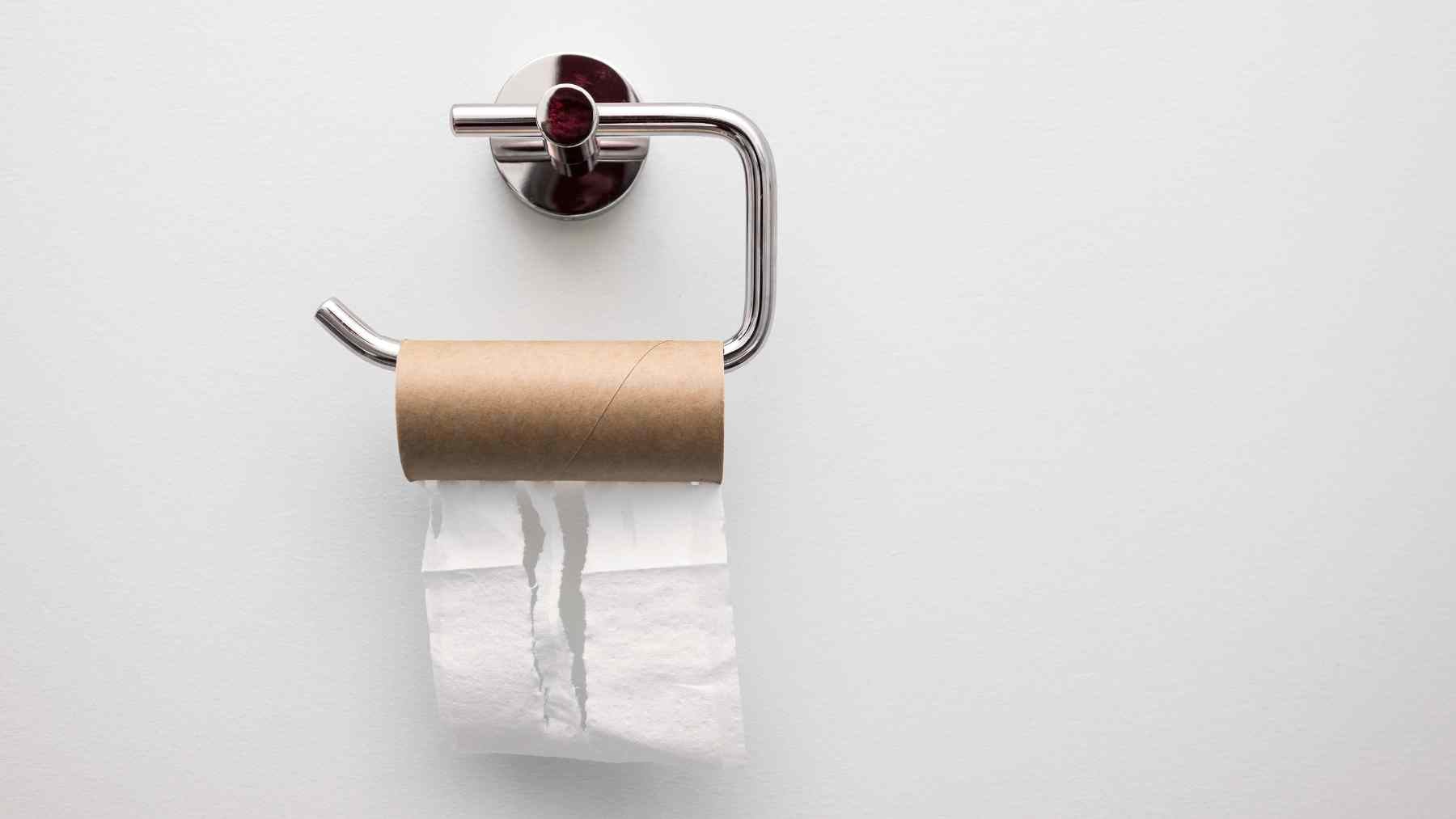
Toilet paper has long felt like one of those bathroom staples that would never change, but in 2026, the quiet shift toward smart toilets and bidet-style seats is turning a basic daily routine into a cleaner, more personalized experience. Instead of relying only on paper, these systems use water, air drying, sensors, and automatic cleaning features to reduce wiping and, in some homes, make toilet paper more of a backup than a must-have.
The trend is not just about a futuristic bathroom that looks like it belongs in Tokyo. It is also about skin comfort, accessibility, water use, and the growing frustration many people feel with wasteful single-use products. Does that mean toilet paper vanishes tomorrow? Not quite, but the bathroom is clearly getting smarter.
Why the change is happening now
Bidets were once treated as unusual in many American homes, even though they have long been common in places like Japan and parts of Europe. The Associated Press reported in 2026 that bidets are becoming more common in the U.S. as people look for more hygienic and sustainable alternatives, helped by cheaper attachments and newer smart toilets.
That timing matters. Toilet paper shortages during the pandemic made many people rethink the basics, and now environmental awareness, lower-cost bidet seats, and all-in-one smart toilets are giving the idea more momentum. In practical terms, a bathroom habit that once felt fixed is suddenly up for debate.
What smart toilets actually do
Roca’s In-Wash Inspira, for example, combines front and rear water washing with warm air drying, adjustable water pressure, adjustable nozzle position, and a remote control. Some versions also add a self-cleaning retractable nozzle that turns on before and after each use, which is one of the features that separates these toilets from a simple bidet attachment.
There is also a comfort factor. Roca lists user detection, a night light, soft-close seats, removable parts for easier cleaning, and hidden water and electrical supplies, which can make the bathroom feel less cluttered. Small details, yes, but anyone who has stumbled into a dark bathroom at night understands the appeal.
One Roca In-Tank model lists two flush options at about 1.2 gallons and 0.8 gallons, after converting from the published liter figures. That does not mean every smart toilet saves water automatically, but it does show how manufacturers are pairing washing features with more efficient bathroom design.
The hygiene question
The biggest selling point is simple. Water can feel gentler than repeated wiping, especially for people with sensitive skin or irritation. Doctors cited by AP said bidets may help some people with hemorrhoids, chronic diarrhea, anal fissures, fistulas, urinary tract infection concerns, or limited mobility, although they are not the right fit for everyone.
Proper use still matters. Medical experts generally advise using warm water at low pressure, washing in a way that helps prevent bacteria from moving toward the urethra, drying afterward, and avoiding internal use. A cleaner routine can quickly become less healthy if the nozzle is not maintained.
There are limits, too. High-pressure washing may irritate people right after childbirth or those with genital ulcers, eczema, or psoriasis, and persistent bleeding should always be checked by a doctor. In other words, smart does not mean foolproof.
The sustainability angle
Toilet paper is easy to overlook because it disappears so quickly. But NRDC’s recent tissue reporting warns that tissue products can place pressure on climate-critical forests, and it says the average American household uses more than 100 pounds of tissue paper each year. That is a lot of paper for something used for only a few seconds.
Water use is part of the equation as well. The EPA says toilets account for nearly 30 percent of the average home’s indoor water use, while older inefficient toilets can use as much as 6 gallons per flush. WaterSense models use 1.28 gallons per flush or less, and the EPA says replacing old inefficient toilets can save a household nearly 13,000 gallons of water and more than $170 a year.
Still, the green answer is not perfectly tidy. Some smart bidets use electricity for heated seats, heated water, and air drying, so the electric bill and local water supply both matter. Experts quoted by AP also warn that a true environmental comparison should consider the full life cycle of the product, not just the paper saved.
What to check before switching
The first question is not whether the toilet looks futuristic. It is whether the home can support it. Roca notes that its smart toilet needs a conventional electric supply and one water inlet, and that flushing can still work during a power outage even though washing and drying functions will not.
Cost is another hurdle. A premium smart toilet is not the same as a basic bidet attachment, and not every household wants a full bathroom upgrade. For many people, a bidet seat or simple attachment may be the easier first step before committing to a high-end model.
Maintenance should not be treated as optional. Medical experts recommend cleaning bidet nozzles regularly, and AP cited advice to wipe down the nozzle every week or two with disinfectant wipes. It is not glamorous, but hygiene usually comes down to the habits nobody sees.
A cleaner routine
So, is toilet paper really heading into history? For the most part, it is safer to say it is losing its monopoly. Smart toilets and bidet seats are making water-based cleaning more normal, while air drying and adjustable settings reduce the need to reach for paper every time.
At the end of the day, the shift is less about luxury and more about control. Cleaner skin, less rubbing, fewer paper products, and a bathroom that responds to the person using it all add up to a practical kind of wellness.