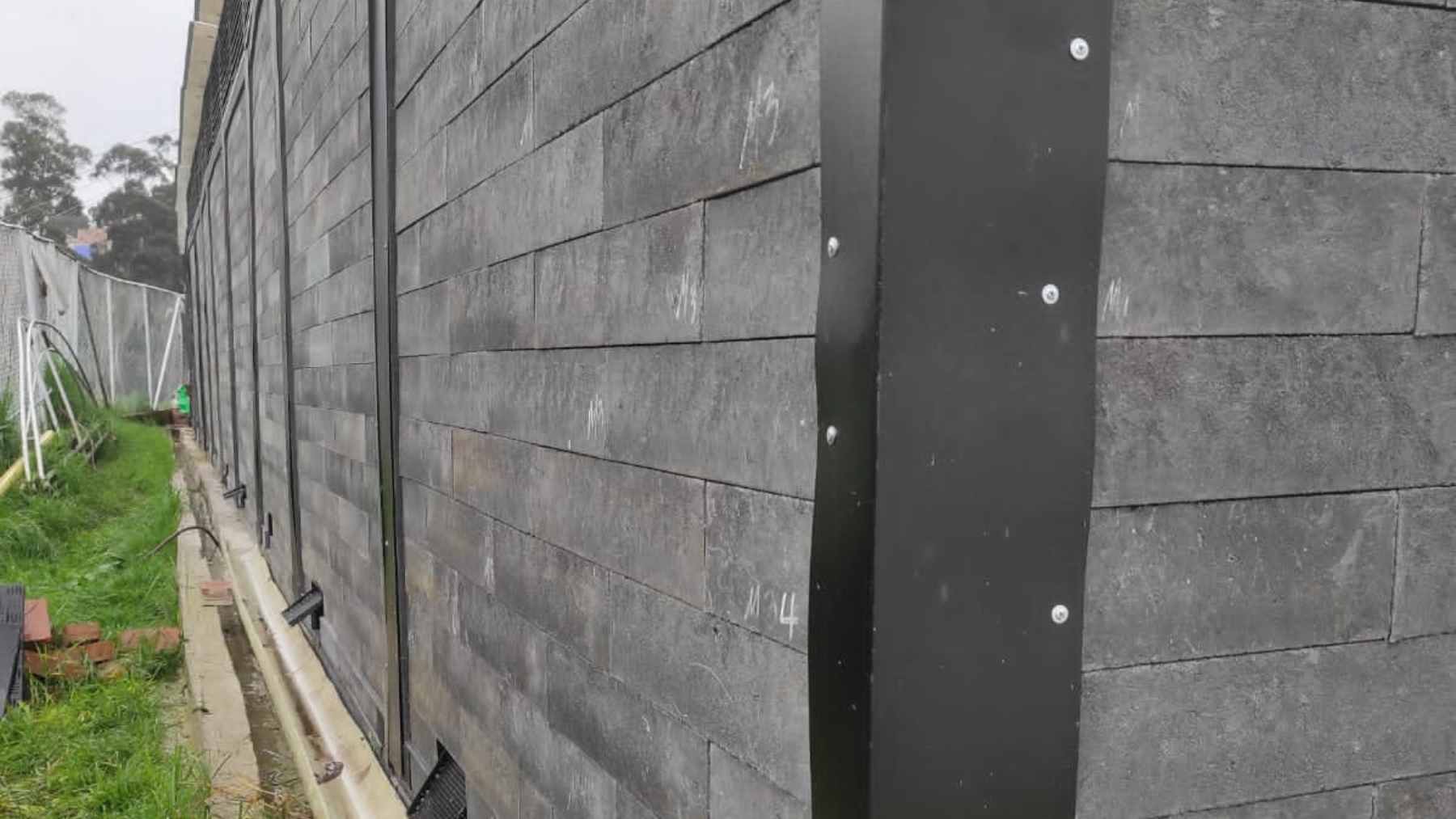
A house made from discarded plastic can sound flimsy at first. The mental image is a grocery bag in the wind, not walls that can stand up to rain, pests, heat, and everyday family life. Yet the construction system gaining attention in 2026 is closer to a building kit than a typical recycling experiment.
Recycled plastic bricks turn recovered waste into modular blocks that fit together quickly, cutting one of the slowest parts of homebuilding down to days. Conceptos Plásticos, the Colombian company behind one widely cited version of the system, says its blocks are made from 100% recycled plastic and have already been used across Latin America and Africa.
It is not a magic replacement for every house, but it may be one of the most practical answers to two problems at once: plastic waste and the high cost of shelter.
A house that snaps together
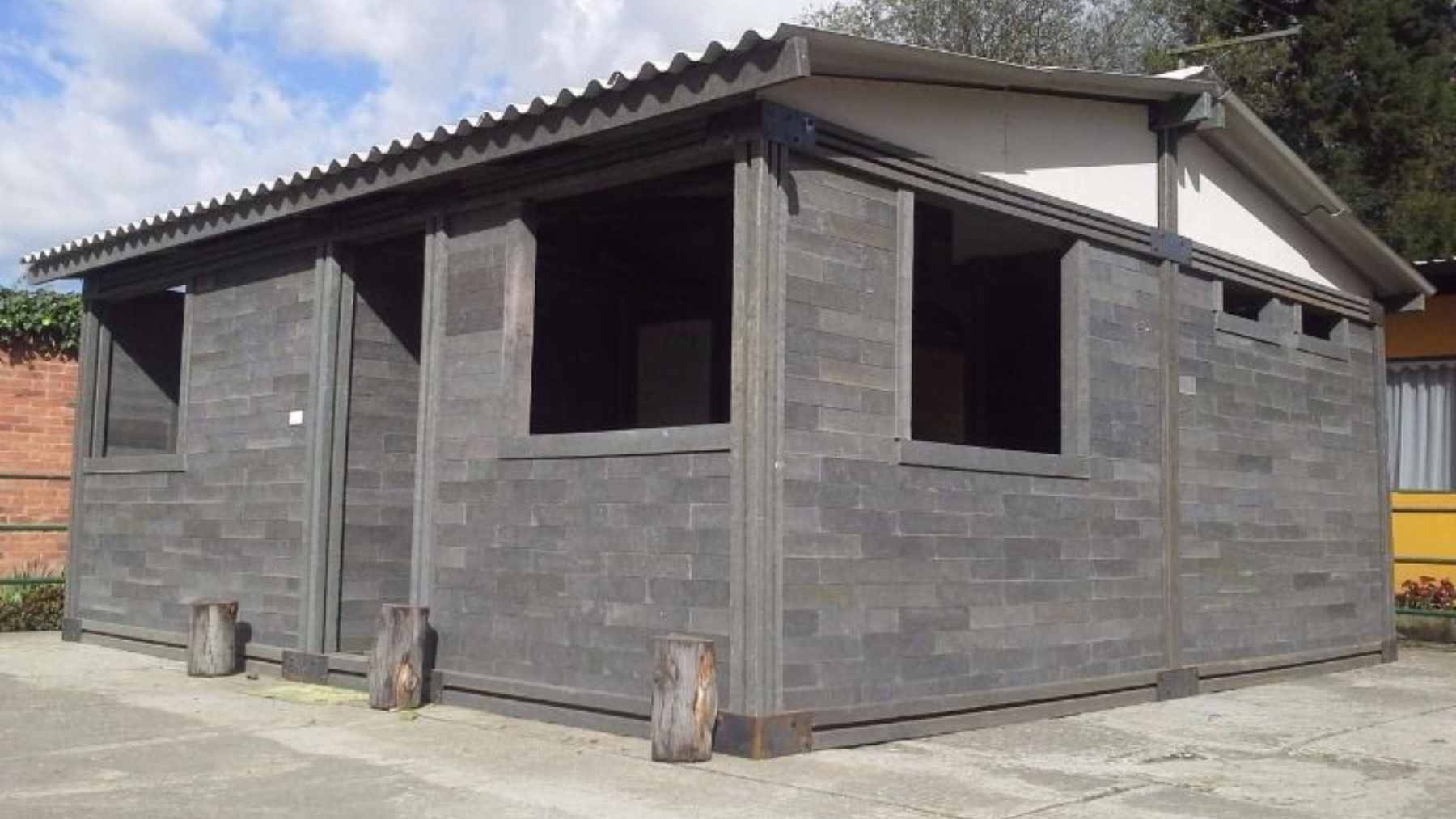
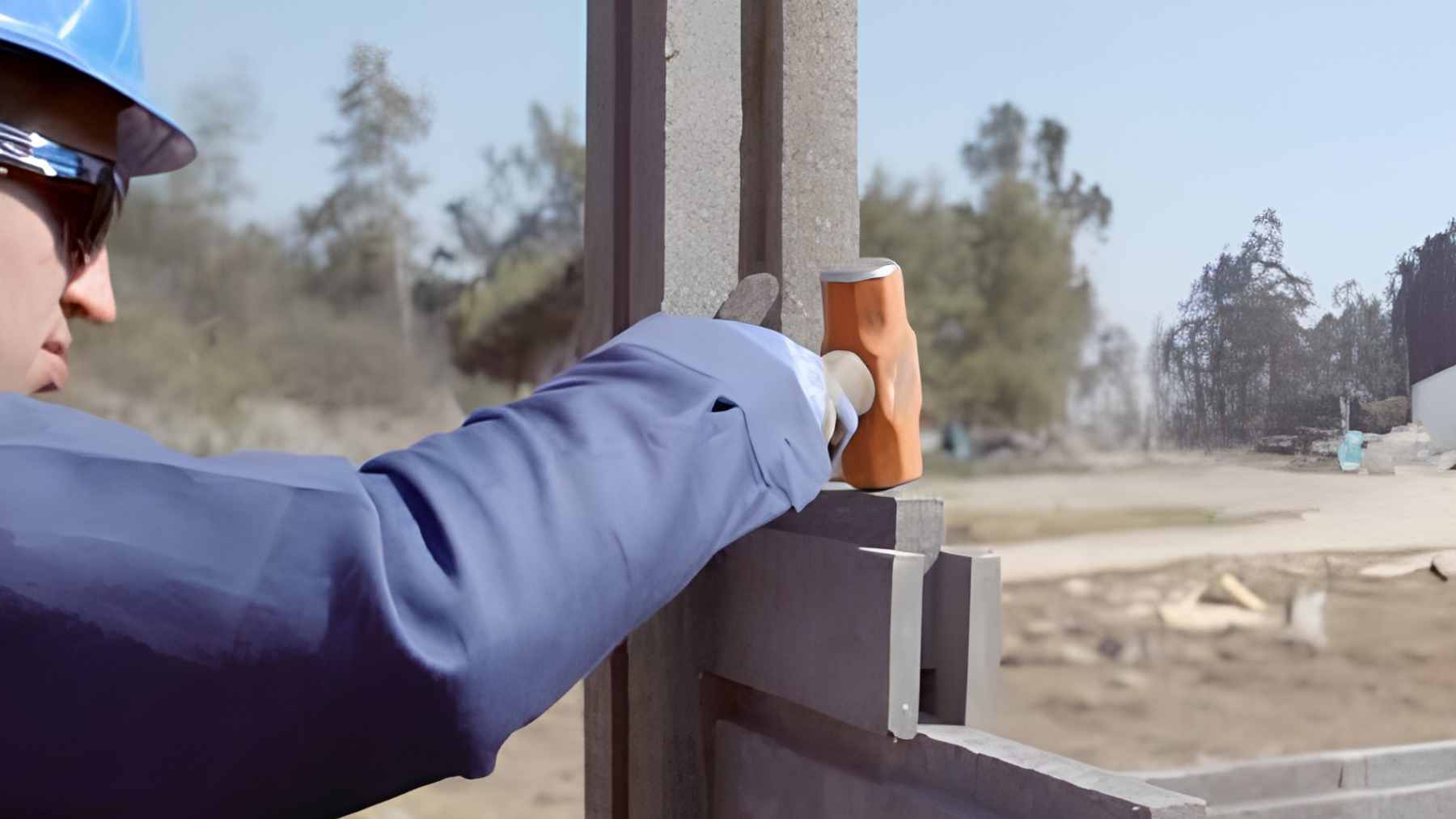
Instead of stacking clay bricks or installing large amounts of drywall, workers use interlocking plastic pieces that fit together more like a puzzle. The blocks are made from post-consumer and post-industrial plastic that is collected, sorted, cleaned, shredded, melted, and pressed into shape, according to Conceptos Plásticos.
That simple sequence has big implications. It means trash that might have gone to a dump can become a certified building product, not just a one-off craft project. The company says its product families include construction systems, paving stones, tiles, and other infrastructure pieces.
The big promise is speed. ArchDaily reported that the patented system can build houses up to two stories high in five days, and that one 431-ft² house with two bedrooms was assembled by four people in that period. That is the kind of timeline that gets attention when families are waiting for shelter.
Why builders are watching
The appeal is not just that the walls go up fast. Modular construction can make costs more predictable because many pieces are made in controlled conditions before they reach the job site. Fewer surprises usually mean less waste, fewer delays, and less money lost to mistakes.
That is why prefabricated housing keeps moving from fringe idea to serious option. In practical terms, it turns part of construction into a repeatable process. For a family watching every dollar, that matters as much as the environmental message.
There is also a labor angle. Santiago Carpintero, a mason quoted in the source material, put it plainly when he said, “In my trade you earn well, but most people prefer to work in an office with comforts.” Modular systems do not erase skilled workers, but they can change where their time is spent.
The environmental bet
The plastic problem is huge. The OECD estimated that the world generated about 389 million tons of plastic waste in 2019, and only 9% of that waste was ultimately recycled. So every credible use for recovered plastic deserves a closer look.
Construction has its own waste problem, too. The U.S. Environmental Protection Agency estimated that 600 million tons of construction and demolition debris were generated in the United States in 2018, which was more than twice the amount of municipal solid waste. The building sector is not a small side issue.
Cement is another reason this idea is getting attention. The International Energy Agency has warned that cement and concrete emissions must fall in the coming years to stay aligned with net-zero pathways. A plastic brick is not automatically clean just because it is recycled, but it does ask a fair question: why should every low-cost wall depend on the same old materials?
Real projects, not just renderings
Conceptos Plásticos says its recycled plastic building materials have been used in more than 600 schools and homes, with more than 430,000 ft² built across Latin America and Africa. That turns the idea from a neat prototype into something closer to an emerging construction category.
UNICEF’s work in Ivory Coast shows why this matters beyond housing. The agency says it partnered with Conceptos Plásticos to turn local plastic waste into low-cost, durable classroom materials, and it reports 262 classrooms built, 1,441 tons of plastic recycled, and 13,100 children in school through the program.
That is the part people can picture. A bottle or wrapper that once lay on a street becomes part of a classroom wall. It does not solve all waste or education problems, but it gives the circular economy a shape you can actually walk into.
Questions before building one
The catch? No one should treat recycled plastic bricks as a universal shortcut. A home still needs a legal lot, foundations, roofing, wiring, plumbing, inspections, and a design that fits the local climate.
Buyers should also ask for certifications, structural tests, fire safety data, and proof of long-term performance. UNICEF says the bricks used in its Ivory Coast classrooms are treated with fire retardant materials and that an independent report attested to their nontoxicity before the pilot. That kind of documentation should not be optional.
Durability also needs context. Plastic does not absorb water like many traditional materials, which can help in humid or flood-prone places. But heat, ultraviolet light, local building codes, insurance rules, and maintenance all decide whether a promising wall system becomes a reliable home.
A promising tool, not a cure
The best way to see this invention is as a tool. It can cut wall assembly time, reuse difficult waste, support faster shelters, and make construction feel a little less tied to cement-heavy habits.
At the same time, it will not fix overproduction of plastic or the deeper housing crisis by itself. Land rights, financing, utilities, inspections, and trained crews still matter. The bricks may snap together quickly, but a community does not.
Still, this is why the idea keeps spreading. When plastic waste is local, housing needs are urgent, and the product has been properly tested, a discarded material can become something useful instead of another burden. That is worth watching.
The official product information was published on Conceptos Plásticos.