A new CDK Global survey of 552 U.S. electric vehicle owners found that 94% were happy with their purchase, up from 73% in 2025. Only 1% said their household was likely to switch back to only gas-powered vehicles, down from 21% a year earlier. That is a striking loyalty signal, but it is not the same as saying 94% will never own another gasoline car.
The bigger story is how ordinary ownership is reshaping the EV debate. Drivers report savings, faster service, and strong word of mouth, yet public charging still turns some road trips into an exercise in planning and patience.
For the environment, that distinction matters because the benefits of an EV build over years of use, while an unreliable charging network could slow wider adoption.
The 1% needs context
CDK found that 73% expected their household to always have at least one EV. Another 11% expected to always keep at least one gasoline vehicle, while 15% selected “other.” In practical terms, most owners are not swearing off gasoline in every circumstance, but almost none expect to rely on it exclusively.
Repurchase intent tells a similar story. Ninety percent planned to buy another EV, up from 82% in 2025, and that figure reached 94% when baby boomers were excluded. Owners were also talking about their experience, with 92% saying they had recommended an EV to friends or family.
The enthusiasm went further. Eighty-five percent called their EV the best car they had owned, while 79% said it was the best car they had driven. CDK’s EV Net Promoter Score also jumped from plus 44 in 2025 to plus 77 in 2026.
Why do owners stay electric?
What changed after the purchase? Cost appears to be one important answer. Eighty-seven percent said driving an EV had saved them money, while respondents estimated that servicing one cost nearly 40% less than servicing a gasoline vehicle.
The service experience improved sharply, too. Sixty-three percent said work on their EV was completed the same day, compared with 28% in 2025. For many drivers, that combines with the quiet ride, smooth operation, and immediate response of an electric motor to make the daily experience easier to like.
There is still some nuance. Thirty-one percent said EV service took longer than service for a gasoline car, rising to 34% among non-Tesla owners. The cost advantage appears strong, but the time spent waiting can still depend on the brand and service network.
Home charging changes the routine
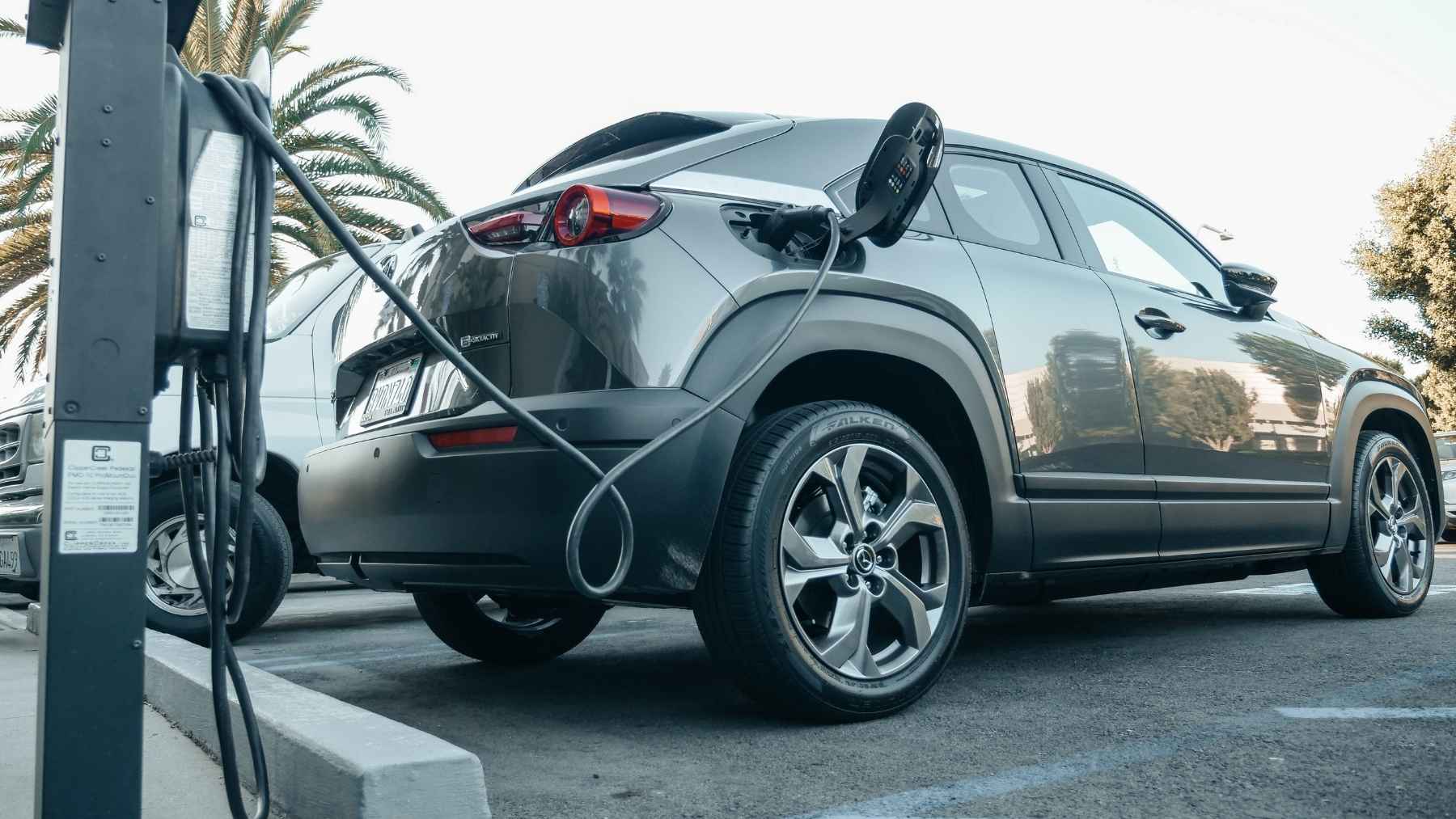
For many owners, the most persuasive feature may be the one they barely notice. CDK found that 84% had installed a home charging system, and only 17% described the installation as a hassle. Instead of stopping at a gas station, a driver can plug in after dinner and begin the next morning with energy already in the battery.
The U.S. Department of Energy says roughly 80% of EV charging happens at home, while its Alternative Fuels Data Center notes that most drivers charge overnight.
That convenience may help explain why concerns about running out of energy often feel less severe after purchase, although the CDK report did not establish a direct causal link between home charging and satisfaction.
Home charging is not equally accessible, of course. Apartment residents, renters, and drivers without dedicated parking can face an experience that looks much more like public charging. That is where the weakest part of EV ownership comes into view.
Road trips expose the gap
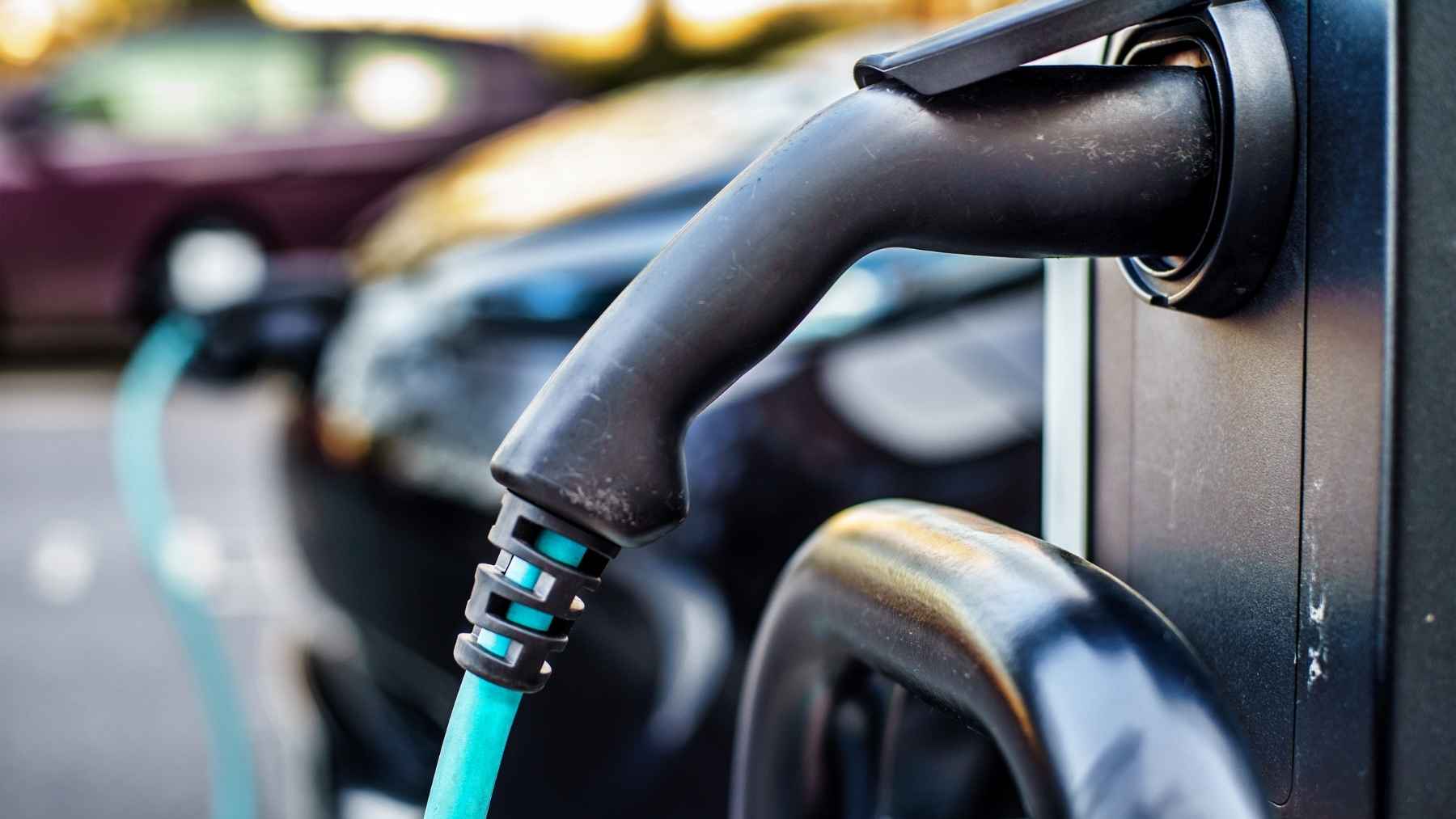
Two-thirds of respondents said they had encountered a problem while traveling long distances. Forty-four percent had waited because every charger was occupied, 33% found a charger out of service, and another 33% said an app showed a charger as available when it was not working.
Nearly three in ten also reported being unable to charge because of problems connecting a smartphone and charger.
Those failures change travel behavior. Seventy-seven percent planned trips around charger availability, and 72% selected a hotel or short-term rental partly because of charger proximity. Planning took longer than it would with a gasoline car for 88% of non-Tesla owners and 59% of Tesla owners.
The issue is not simply driving range. Owners want to know that a charger will be available, operational, compatible, and easy to activate when they arrive. A long advertised range offers little comfort when the only working plug is already occupied.
Why loyalty matters for the climate
Electric cars produce no tailpipe emissions, although generating electricity and manufacturing batteries still create pollution. The Environmental Protection Agency says lifetime greenhouse gas emissions from an EV are typically lower than those from an average gasoline-powered vehicle, even when manufacturing is included.
The exact advantage depends on the vehicle, battery, local power grid, and total mileage.
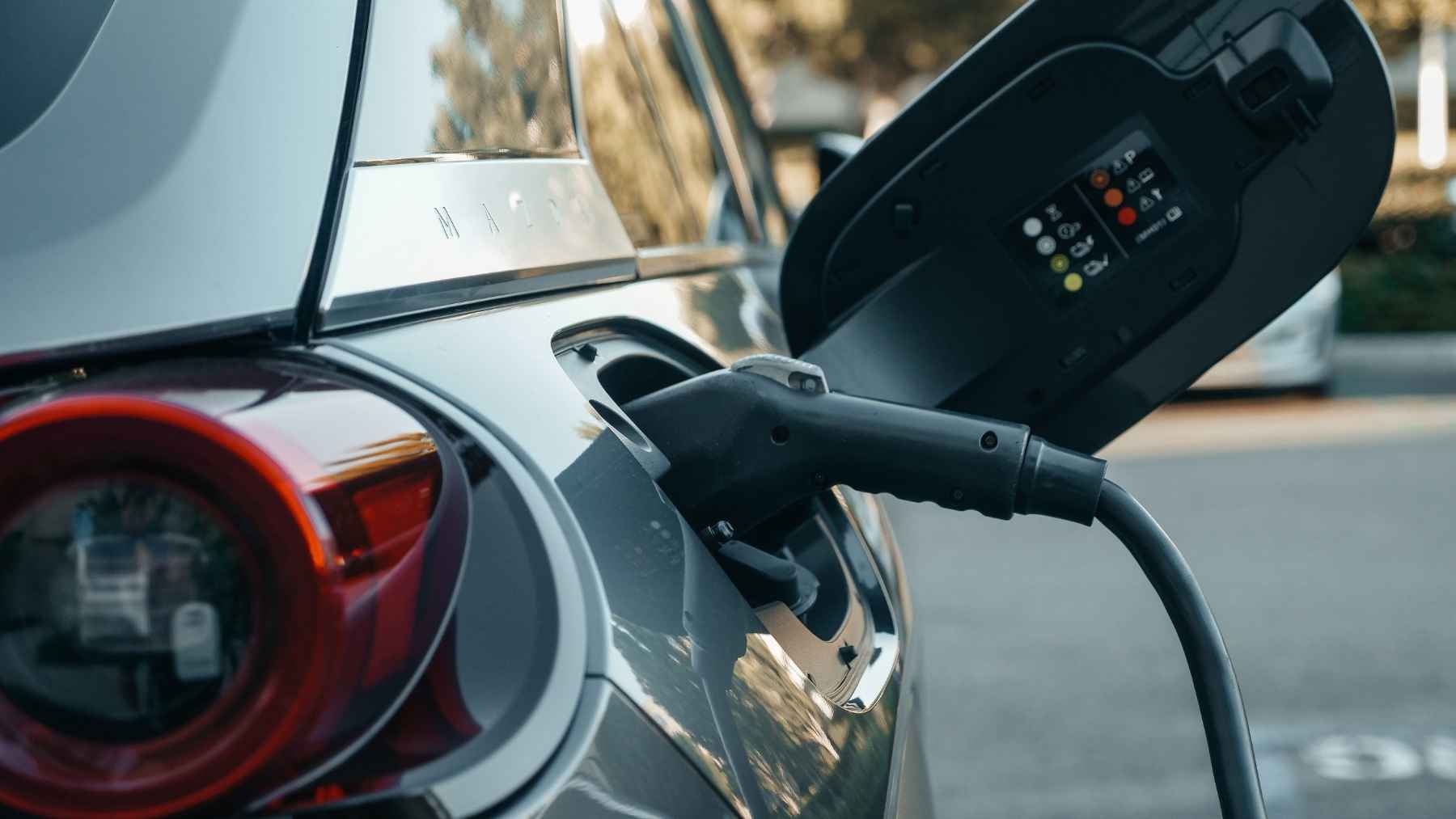
That is why owner retention is more than a marketing statistic. The study combines high satisfaction with strong stated repurchase and recommendation rates, which could help keep more electric vehicles in daily use and persuade new buyers to consider them. The environmental payoff grows mile by mile.
Spain offers one sign of the wider momentum. ANFAC recorded 71,086 battery-electric vehicle registrations across vehicle categories during the first half of 2026, up 35.4% from the same period in 2025 and representing 9.23% of the market. Combined battery-electric and plug-in hybrid registrations reached 154,271, an increase of 38.8%.
Read the sample carefully
The survey is useful, but it is not a census of every EV driver. Of the 552 respondents, 40% were baby boomers or members of the Silent Generation, 75% reported annual income above $100,000, and 32% owned a Tesla. Those characteristics may influence the results, especially access to home charging and the ability to absorb a higher purchase price.
The public 13-page report does not publish a margin of error or a detailed sampling method, nor does it say that the same individuals were followed from 2025 to 2026. The fall from 21% to 1% should therefore be read as a dramatic comparison between annual survey results, not proof that exactly one-fifth of all EV owners changed their minds.
Nuance does not weaken the finding. It makes it easier to trust.
Charging is the next test
For automakers and charging companies, the message is surprisingly practical. Owners want chargers that are easy to find, work when an app says they are working, are simple to activate, and are fast enough to get them moving again. More plugs matter, but reliability may do more to protect loyalty than another small increase in advertised range.
At the end of the day, owners appear to like the electric car itself. The unfinished job is making public charging feel just as dependable as plugging in at home.
The study was published on CDK Global.