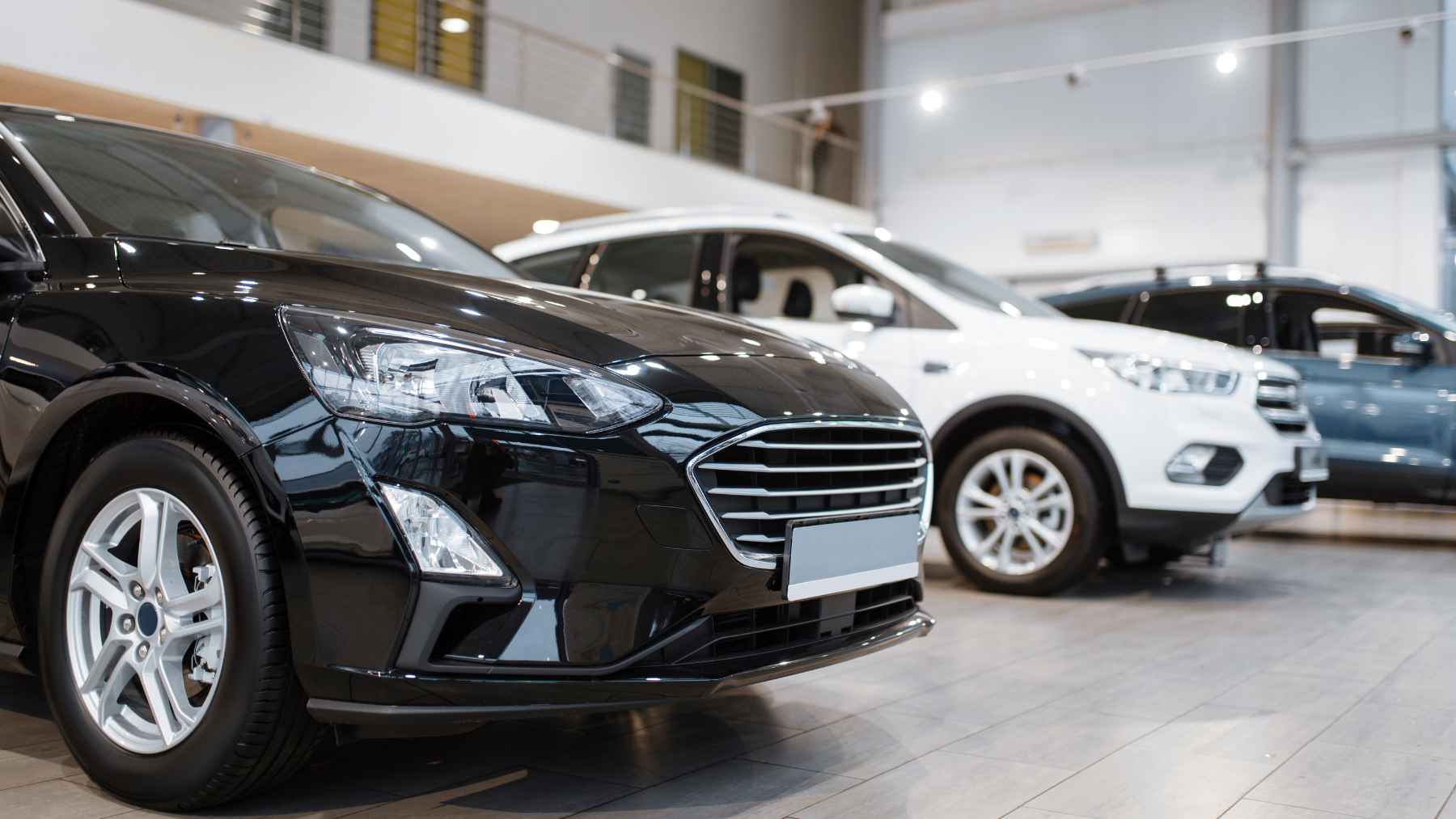
Walk into a Mexican dealership in 2026 and “brand-new” may describe a vehicle’s condition, warranty, and model year, not the age of its engineering. A market review identifies 12 cars and pickups whose present generation or underlying platform dates from 2008 through 2015, including the Nissan March, Dodge Durango, Mazda2, Toyota Hilux, and Volkswagen Saveiro.
The finding does not mean every older design is automatically a bad purchase. It does show why buyers should look past fresh bumpers, larger screens, and shiny trim, because a facelift can update equipment without replacing the basic architecture underneath.
That matters for safety, fuel use, emissions, interior packaging, and how easily a vehicle can accept newer technology.
A 2026 badge does not reveal the generation
The report says a passenger vehicle generation generally lasts about seven to eight years, while some Chinese manufacturers now replace models after only four or five. Yet several vehicles in Mexican showrooms have remained in the same generation for well over a decade.
The model year is the label for the current sales cycle and specification, not the car’s birth certificate.
These are not merely forgotten names in a warehouse. Official Mexican brand pages continue to advertise the 2026 Dodge Durango, Jeep Renegade, Lexus IS, Mitsubishi Mirage G4, and the three Mazdas included in the review. In practical terms, customers can buy a new vehicle whose fundamental design was created when today’s dashboard technology looked very different.
The oldest survivors started before today’s touchscreens
The Volkswagen Saveiro has the deepest roots on the list. It was launched in 2009 as a pickup derived from the third-generation Volkswagen Gol, which arrived in Latin America in 2008. The Nissan March followed in 2010, while the current Dodge Durango generation dates to 2011.
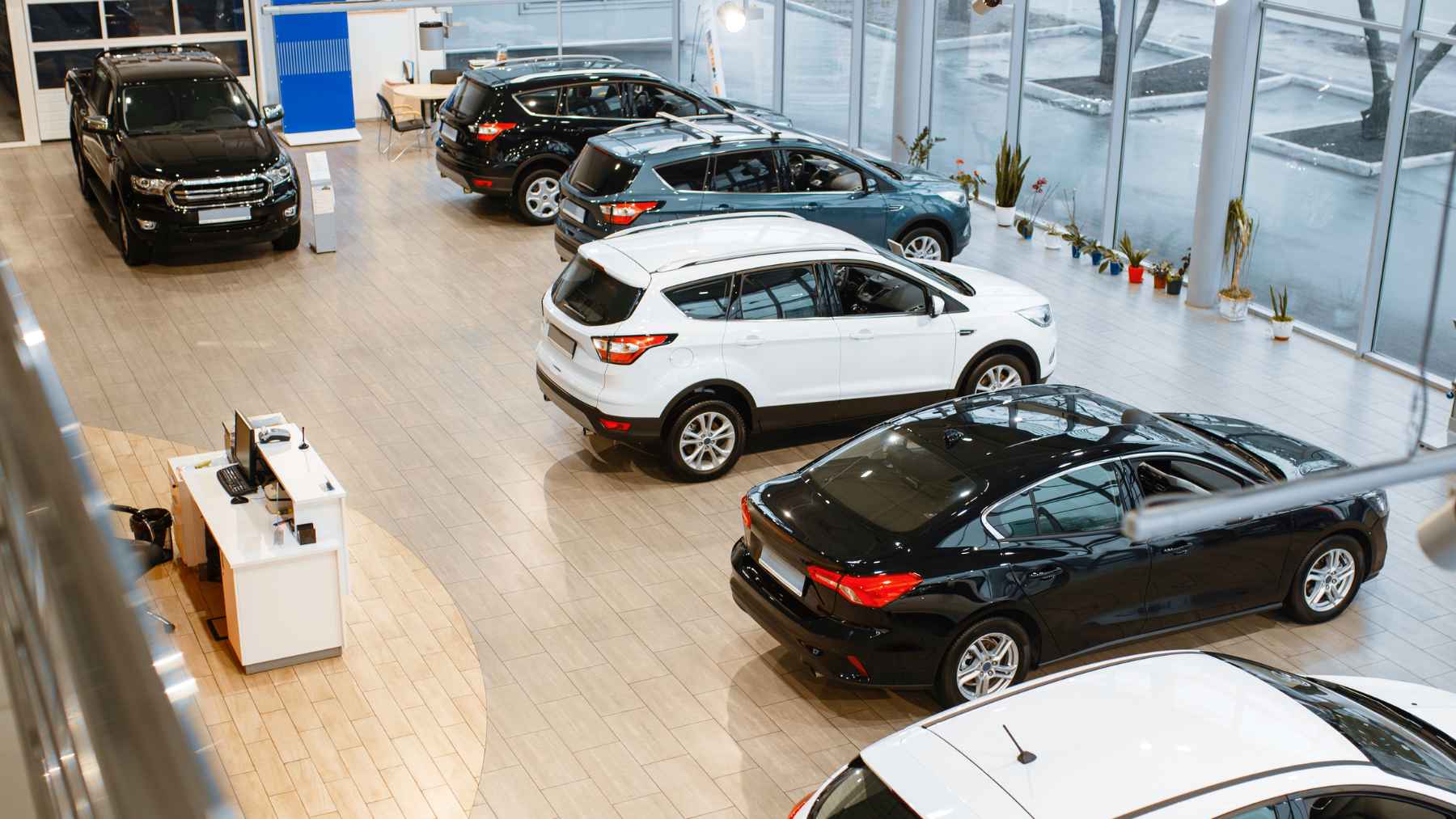
Next come the Lexus IS and Mitsubishi Mirage from 2012, followed by the Toyota Yaris HB from 2013. The Jeep Renegade arrived in 2014 and has never moved to a second generation, even as it disappeared from many markets outside Latin America. New grilles and lights can hide the years surprisingly well.
Mazda keeps three familiar shapes alive
Mazda is the only manufacturer with three entries. The current Mazda2 and CX-3 both date to 2014 and share a platform, while the fourth-generation MX-5 arrived in 2015. Mazda Mexico still lists all three as 2026 vehicles, alongside much newer products in the same showroom.
Longevity is not automatically a weakness. A mature model can offer well-understood mechanicals, an established parts supply, and fewer first-year surprises. But there is a limit, because a facelift cannot rewrite every structural hard point, change the entire electrical architecture, or turn an old platform into a clean-sheet design.
Pickups show why old foundations can survive
The Nissan NP300 and Frontier sold in Mexico date to 2014, although the report traces their platform back to an evolution of the Frontier D40 introduced in 2004. Toyota’s outgoing Hilux generation was presented in 2015 and remains available in Mexico while the market awaits clearer timing for its replacement.
For working owners, proven load-carrying hardware can matter more than having the newest cabin.
The business case is easy to understand. Keeping a successful platform alive can spread development and tooling costs across more vehicles, while factories, suppliers, mechanics, and fleet operators already know how it works. That can support competitive pricing and dependable service, especially in markets where a pickup is a daily tool rather than a lifestyle accessory.
The environmental answer is not simply old versus new
A long production run can reduce the need for constant factory retooling, but that alone does not make a vehicle environmentally friendly. The U.S. Department of Energy’s lifecycle model counts vehicle production, fuel production and use, and end-of-life impacts, which is a reminder that the whole life of the car matters.
For gasoline models, fuel burned over years can quickly outweigh the appeal of keeping old tooling in place.
Under U.S. driving assumptions, the Environmental Protection Agency estimates that a typical passenger vehicle emits about 5.1 U.S. tons of carbon dioxide per year, although the number changes with fuel economy and annual mileage.

That is why an older platform with an efficient engine may outperform a newer but thirstier vehicle, while a genuinely more efficient replacement can deliver meaningful savings every time the owner fills the tank.
What buyers should check before signing
Generation age should be one line on the checklist, not the entire verdict. Buyers should compare airbags, electronic stability control, automatic emergency braking, crash-test information, fuel economy, emissions, warranty coverage, repair costs, and parts availability.
Some long-running models have gained modern features, but equipment can vary sharply by version.
At the end of the day, a “2026 model” tells you when the vehicle is being sold, not when its engineering story began. Mexico’s oldest new cars may offer familiarity and value, but shoppers deserve to know whether they are buying a carefully updated veteran or a design that has simply stayed on stage too long.
The original market report was published on Motorpasión México.