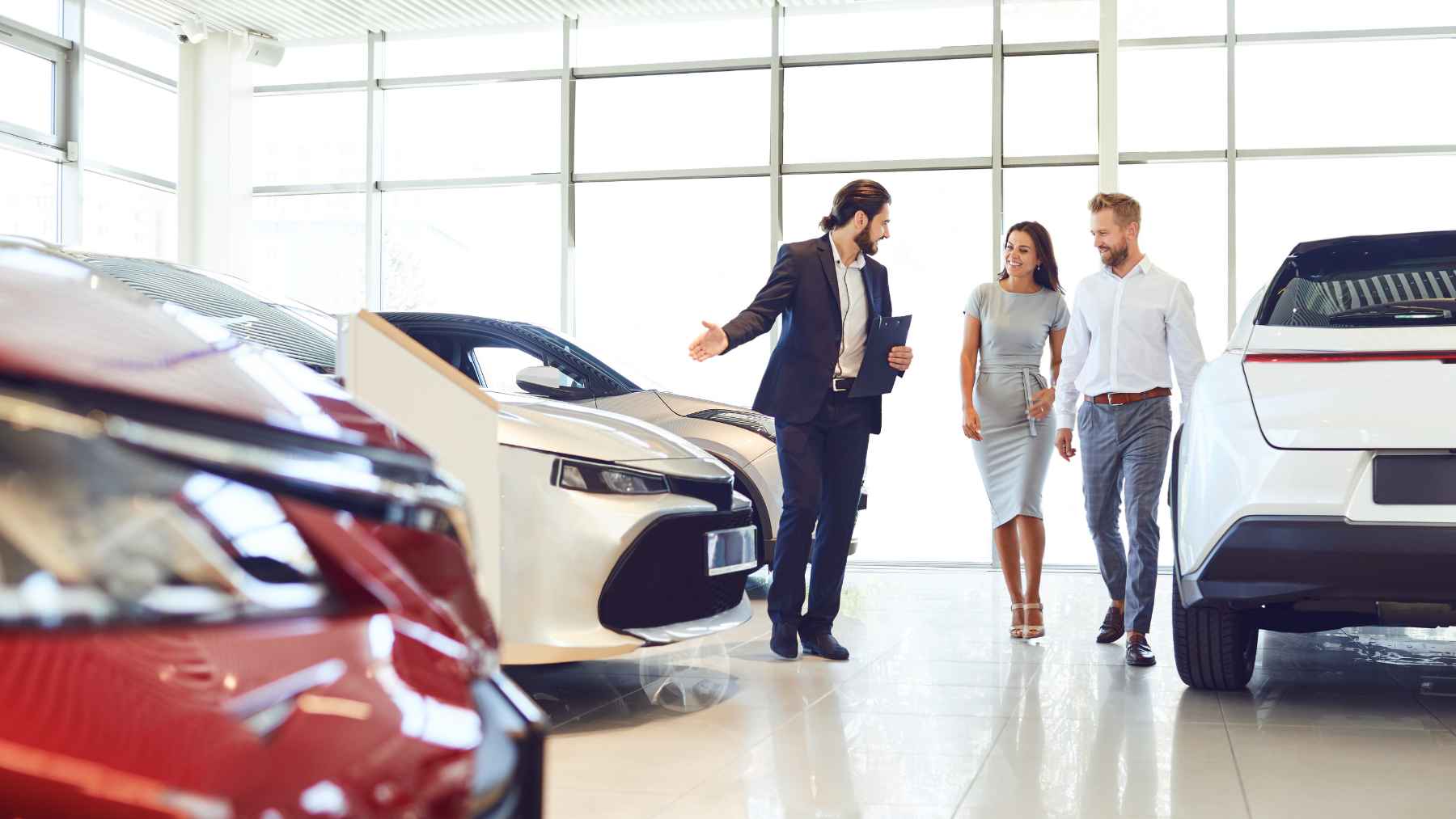
One automaker now stands out in Germany’s new-car market, and not because of horsepower, price, or charging speed. An analysis of all private passenger-car registrations from January through June 2026 found that Mitsubishi buyers averaged 58.1 years old, while 58.5% were at least 60.
That gives the Japanese company the oldest private buyer base among the brands examined. The result is not a worldwide portrait of every Mitsubishi driver, but it exposes a bigger business and environmental question. Can the transition to cleaner vehicles succeed if automakers design and market new technology mainly for younger early adopters?
Mitsubishi tops the age ranking
Mitsubishi finished just ahead of Subaru, whose private buyers averaged 57.9 years old and included 57.4% aged 60 or above. Lexus followed at 56.9, Honda at 56.5, and Nissan at 56.2, placing five Japanese brands at the top of the age table.
The pattern continues farther down. Porsche and Suzuki buyers both averaged 55.5 years old, followed by KGM at 55.1 and Toyota at 55.0. The share of customers aged 60 or above varied, however, reaching 51.7% at Suzuki but 44.1% at Porsche.
The figures come from private new-car registrations recorded by Germany’s Federal Motor Transport Authority and analyzed by Motor Presse Stuttgart. That distinction matters. They do not include the used-car market, company fleets, or buyers in other countries, and they describe registered private holders rather than everyone who may drive the vehicle.
Tesla sits at the other end
Tesla produced the sharpest contrast. Its average private buyer was 42.7 years old, 15.4 years younger than Mitsubishi’s, while 72% were under 50 and only 12.6% were 60 or older.
Seat, Cupra, Leapmotor, and Polestar also attracted comparatively young private buyers. Germany’s established premium brands sat between the extremes, with Audi at 53.8 years, Mercedes-Benz at 53.1, and BMW at 52.5.
What is driving the gap? The registration data cannot separate the effects of price, income, product design, brand image, or financing. Rising new-car costs may push many younger drivers toward used vehicles or leasing, but the ranking alone does not prove why one customer signs for a Mitsubishi and another chooses a Tesla.
Comfort may be part of the answer
Mitsubishi’s position is not necessarily a weakness. Older buyers often place a premium on easy entry, clear visibility, a comfortable seating position, intuitive controls, and assistance systems that remove stress from parking or busy traffic.
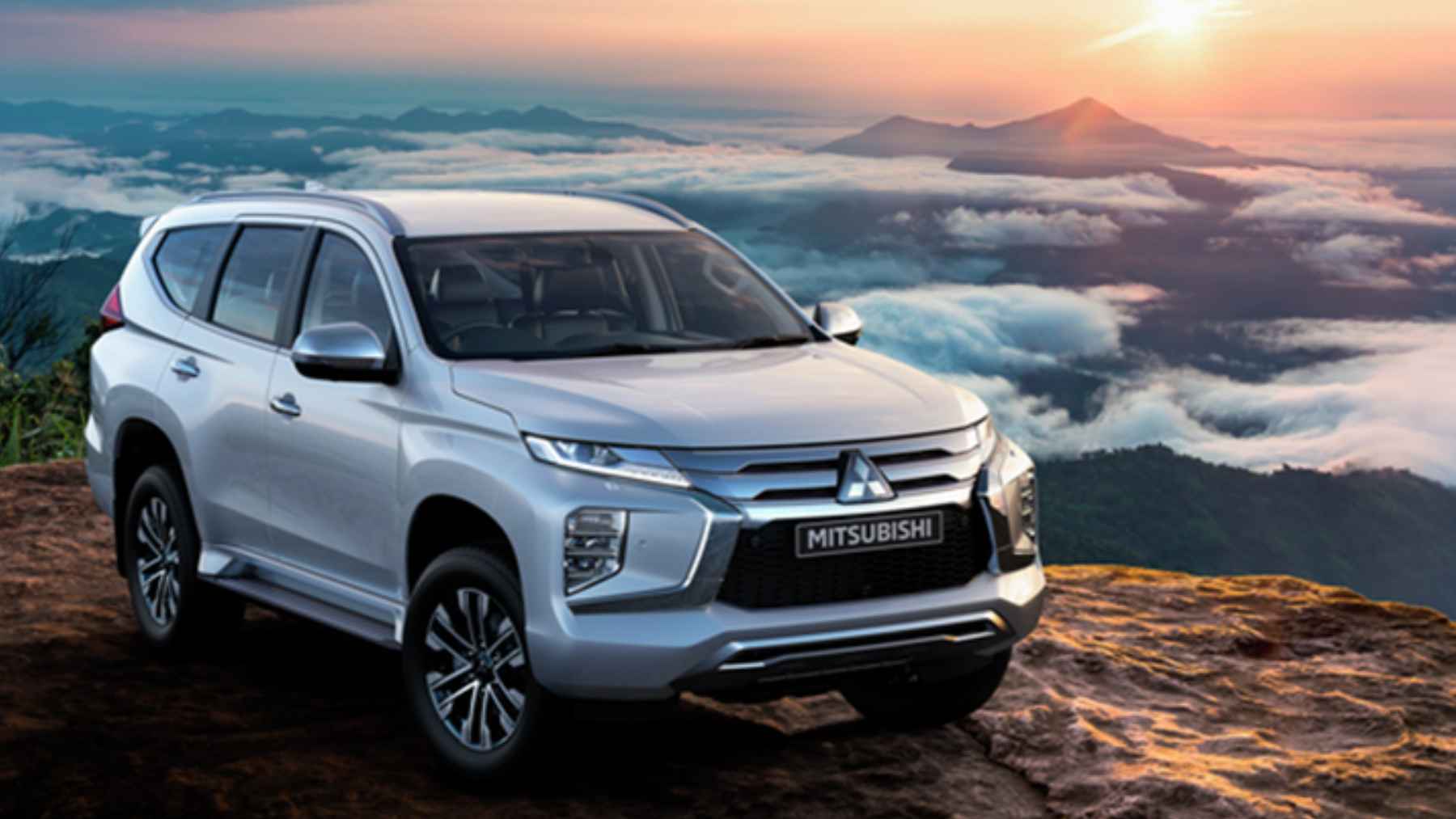
The company’s current vehicles emphasize features such as stability control, parking sensors, blind-spot monitoring, and automatic emergency braking. For someone who wants a car that feels calm and predictable on a grocery run or a long highway trip, those details may matter more than a dramatic screen or a rapid zero-to-60 time.
There is also a notable Japanese cluster at the top of the ranking. That may reflect long-standing perceptions of durability, practicality, and familiarity, but the data did not ask customers about their motives. In other words, the numbers show who bought the cars, not what was going through their minds at the dealership.
Mitsubishi’s environmental strategy now matters more
The age profile becomes more interesting when viewed beside Mitsubishi’s electrification history. The Outlander PHEV sold 7,794 units in Japan during fiscal 2025, making it the country’s top-selling plug-in hybrid for a second consecutive year, while cumulative Japanese sales had already passed 100,000 in March 2025. It also led Canada’s plug-in hybrid category for three straight years.
Mitsubishi launched the i-MiEV in 2009 and introduced the Outlander PHEV in 2013, which the company identifies as the world’s first plug-in hybrid electric SUV.
The company describes its flagship as being designed to “serve as an EV for daily use and a hybrid for longer trips,” a formula that can appeal to drivers who want electric commuting without planning every long journey around charging stops.
But plug-in hybrids are not automatically low-emission vehicles. European Commission data found that real-world carbon emissions from plug-in hybrids first registered in 2021 averaged 3.5 times their laboratory values, largely because their electric use was lower than assumed.
That is an industry-wide warning, not a finding about Mitsubishi alone, and it means regular charging is central to the environmental case.
The real challenge is generational
For Mitsubishi, having the oldest private new-car buyers can be read in two ways. It suggests the brand is reaching consumers who value safety, comfort, and proven technology, yet it also raises a long-term question about how to attract younger households without abandoning the qualities that built trust.
There is a wider lesson for the auto industry. Cleaner mobility will not become normal simply because younger drivers like touchscreens and electric acceleration.
Older customers also need charging instructions that make sense, controls that are easy to use, and dealerships able to explain a plug-in hybrid or electric vehicle without turning the conversation into a technology lecture.
At the end of the day, Mitsubishi’s ranking is about more than age because it shows that the green vehicle transition has to fit real lives, including school runs, medical appointments, weekend trips, and the ordinary anxiety of buying an expensive new car.
The brand that makes lower-emission driving feel familiar rather than experimental may have the strongest bridge between generations.
The registration analysis, based on official KBA data, was published by Auto Motor und Sport.