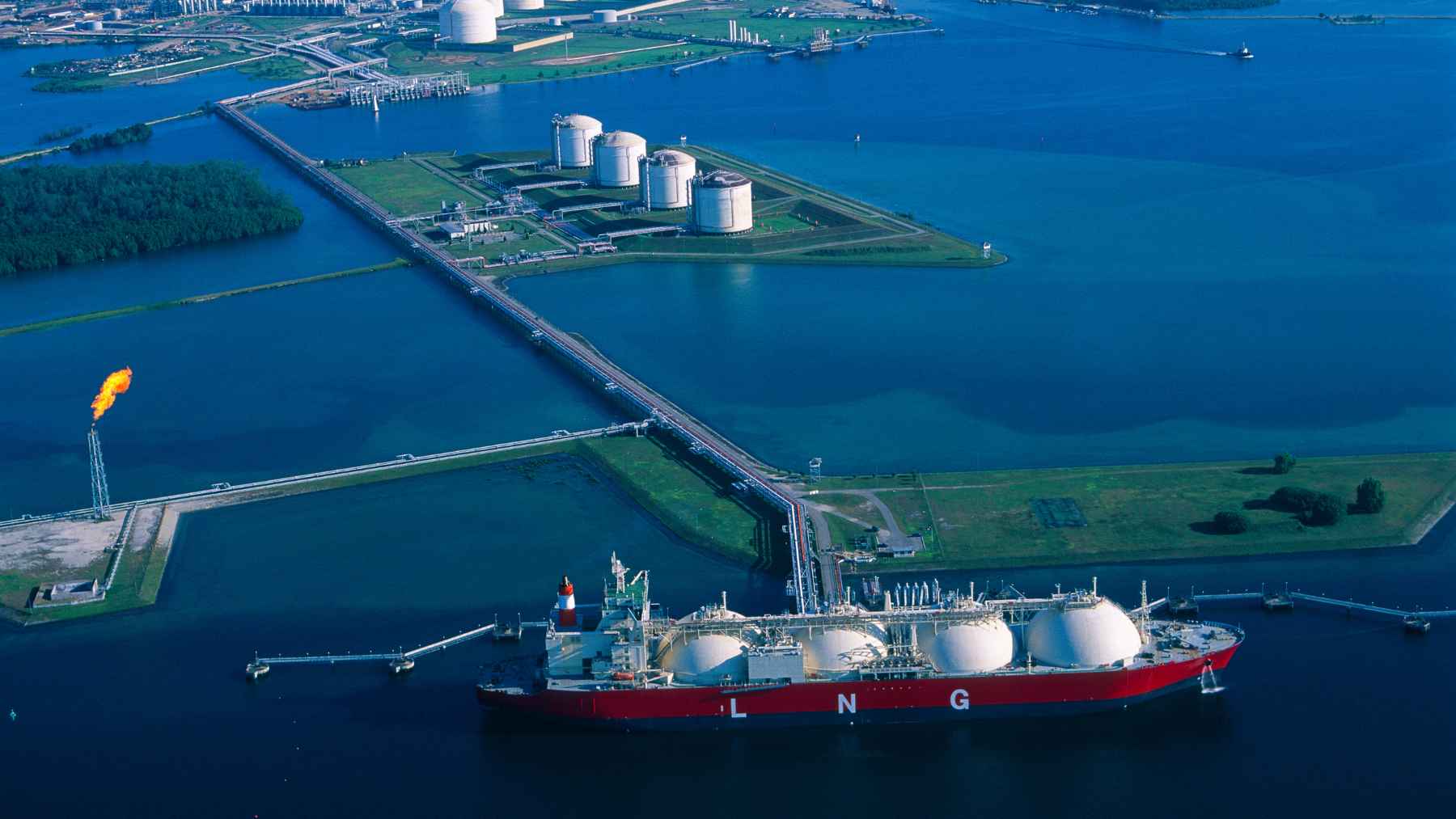
Europe is preparing to close the door on Russian liquefied natural gas, but Spain’s latest import figures show how difficult that separation could become. Russian LNG accounted for 27.8% of Spain’s gas supply in May, raising fresh questions about whether the European Union can meet its deadline without creating a different kind of energy dependence.
The warning comes from Iván Jiménez, director of the Port of Bilbao, one of Spain’s main gateways for LNG shipments. He supports the EU’s broader aim of ending Russian gas purchases, but argues that moving too quickly could leave Europe heavily reliant on supplies from the United States.
Bilbao sounds the alarm
Jiménez told the Financial Times that restricting Russian gas was the right objective, but said the change should not be rushed. In his view, Europe needs more time and greater flexibility to replace those volumes without exposing households and industries to supply disruptions or sudden price increases.
“We need greater adaptability,” he said. Jiménez warned that cutting off Russian LNG before enough alternative capacity is available could create serious problems across the European market.
That concern is particularly visible in Bilbao. Russian LNG represented 59% of the port’s imports between January and May, while the U.S. share fell to 40% after American suppliers had held a slight lead during the previous year.
Russian LNG imports are rising again
Most Russian LNG arriving in Europe comes from the Yamal LNG project in Siberia. According to Kpler data cited by the Financial Times, the facility exported about 8.7 million metric tons during the first five months of the year.
That equals roughly 9.6 million U.S. tons of LNG. Bilbao was among the most important European destinations receiving those shipments.
Spain still obtains more gas from Algeria than from any other country, helped by direct pipeline connections across the Mediterranean. Even so, Russian gas represented 27.8% of Spanish supplies in May, according to Enagás data included in the original report.
That figure was 58.5% higher than one year earlier. Russia temporarily supplied more than one out of every four units of gas entering the Spanish system during the month.
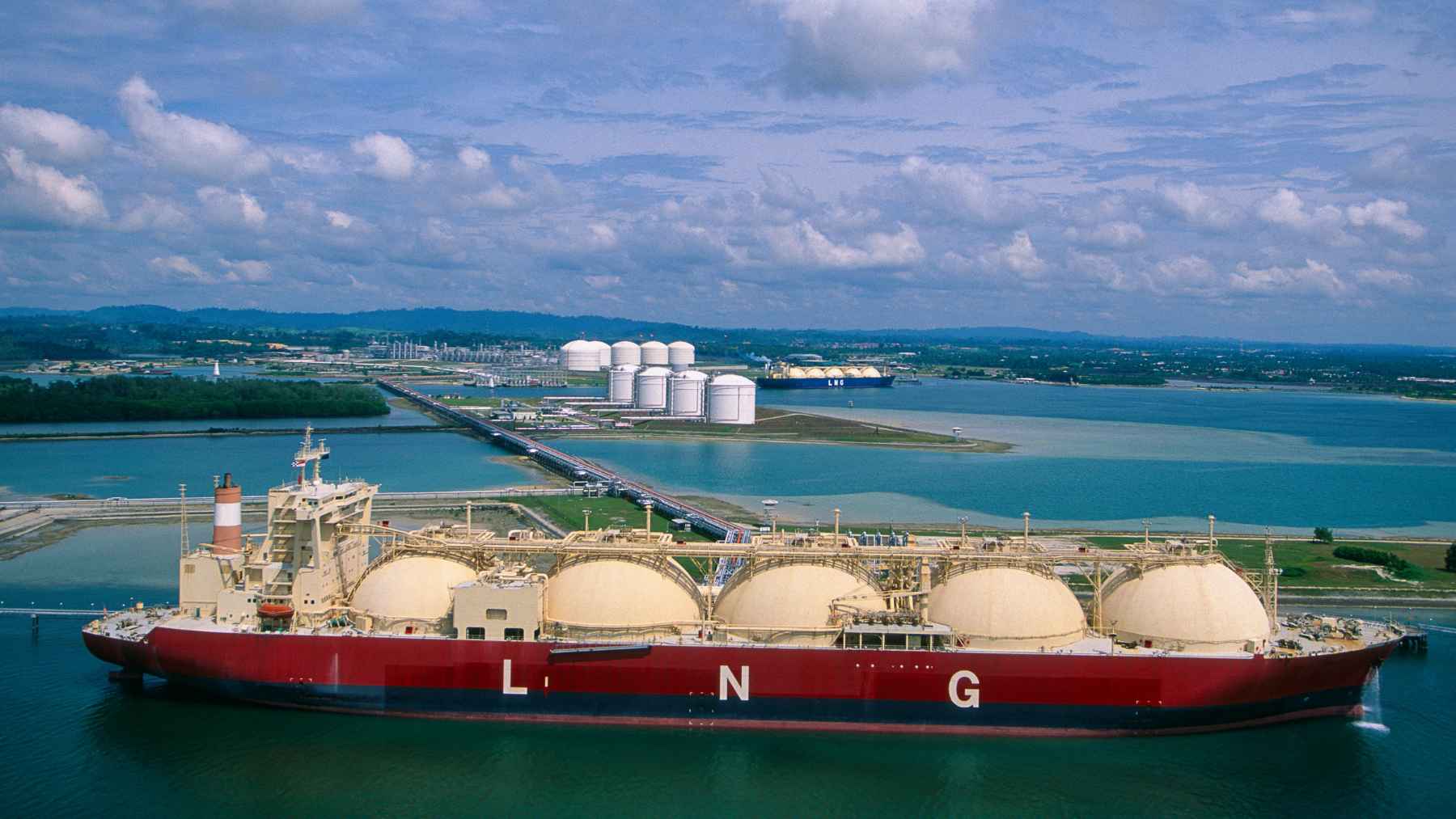
Spain’s government says the sudden increase reflects logistics and a volatile pricing environment rather than a permanent change in energy policy.
Spain’s government backs the ban
Jiménez’s warning should not be confused with the official position of the Spanish government. Energy Minister Sara Aagesen Muñoz has said the Russian gas phaseout should proceed according to the agreed European timetable.
She described the recent jump in Russian imports as temporary and argued that Europe could stop receiving Russian gas completely. Madrid, for the most part, remains aligned with the European Commission’s plan.
That leaves Spain in an unusual position. Its government supports the prohibition, while one of the people responsible for handling the physical shipments believes the market may not be ready.
Jiménez also said that Russian LNG is considered high quality and is often cheaper than competing U.S. cargoes. Price matters because LNG is not merely used for heating homes. It also supports electricity generation, manufacturing, fertilizer production and other energy-intensive industries.
The ban is already European law
The EU has formally approved a gradual prohibition on Russian pipeline gas and LNG imports. Under the adopted rules, restrictions begin in stages, with transition periods depending on when contracts were signed and whether they involve short-term or long-term supplies.
Long-term Russian LNG contracts can continue until the beginning of 2027. Pipeline gas covered by long-term agreements will be phased out later, during the fall of 2027.
The rules also include safeguards for energy security. The deadline for certain pipeline contracts could be extended until Nov. 1, 2027, when countries are struggling to meet mandatory gas-storage targets.
Europe therefore has an emergency brake, but not an unlimited one. Member states must prepare diversification plans explaining where replacement supplies will come from and how they will manage possible shortages.
Europe is turning toward the United States
The EU has already replaced much of the Russian pipeline gas it once consumed with LNG delivered by ship. A large share has come from the United States.
U.S. LNG represented about 6% of European gas imports in 2021, according to figures cited in the report. That share later climbed to approximately 29%, making the United States one of the EU’s biggest external gas suppliers behind Norway.
This shift has helped Europe survive the collapse of its former energy relationship with Moscow. It has also created a new strategic concern.
Replacing one dominant supplier with another does not necessarily produce genuine energy independence. It changes the address of the supplier, but Europe may remain vulnerable to decisions made outside its borders.
A different form of dependence
Jiménez believes U.S. President Donald Trump will encourage Europe to maintain the Russian gas prohibition because it supports American LNG exports. That interpretation has not been confirmed as the formal motivation behind U.S. policy, but the commercial benefit for American producers is clear.
More European demand means more opportunities for U.S. terminals and exporters. It can also strengthen Washington’s influence over Europe’s energy security.
Still, U.S. LNG is traded through a competitive market and comes from multiple private suppliers. That makes the relationship structurally different from Europe’s former dependence on Russia’s state-controlled pipeline network.
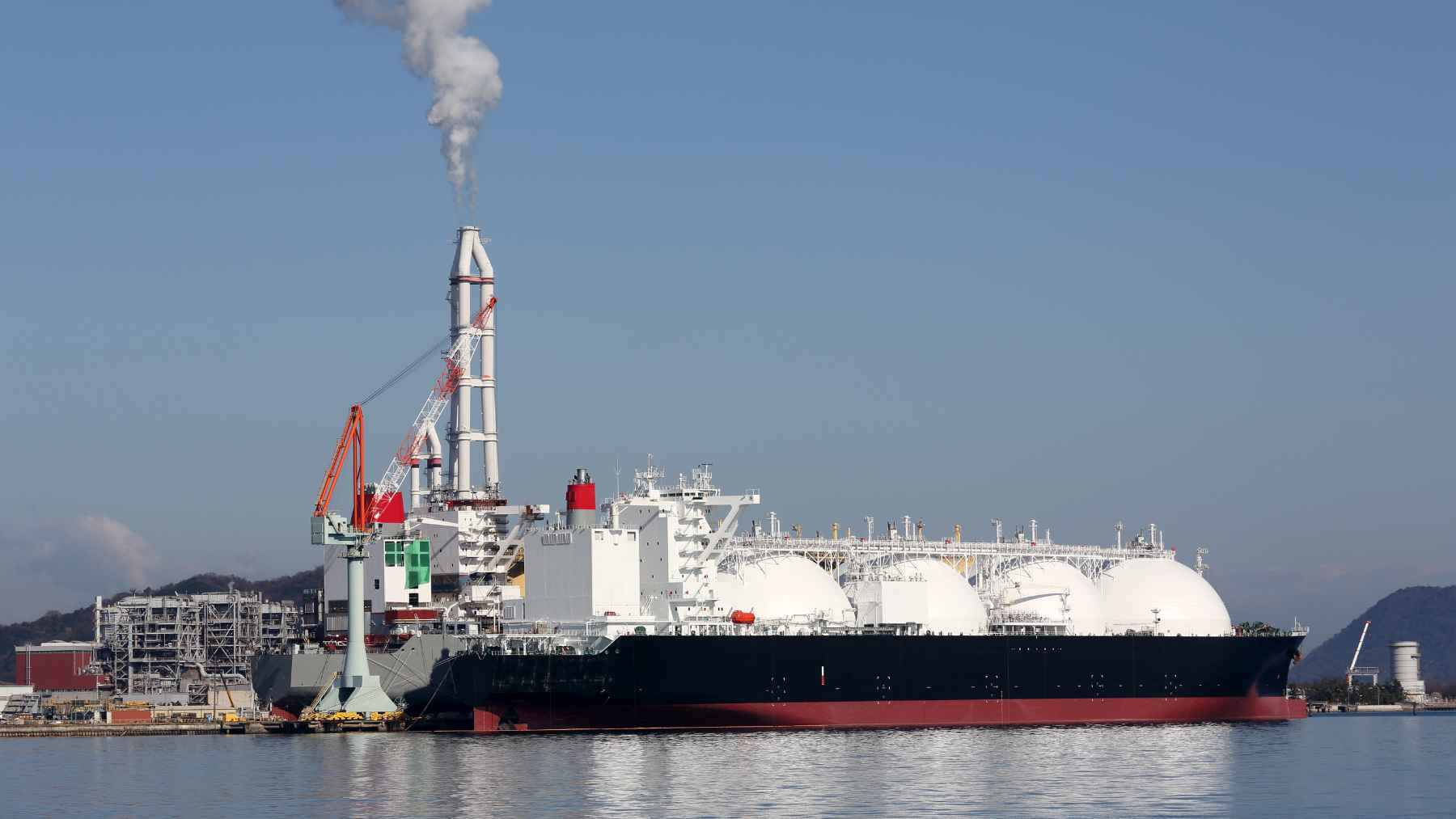
The risk has not disappeared, though. LNG prices can rise quickly when European buyers compete with customers in Asia, especially during cold winters or periods of disruption.
The rush before the deadline
Jiménez also warned that importers may try to purchase as much Russian LNG as possible before long-term contracts become illegal in 2027. The recent increase in shipments could therefore be an early sign of stockpiling or accelerated deliveries.
It is a familiar pattern. When a deadline approaches, companies often rush to use existing contracts before the rules change, much like shoppers emptying shelves before a new restriction takes effect.
That could create a strange result. A policy designed to reduce Russian gas consumption may temporarily encourage higher imports before the final cutoff.
It could also make monthly figures harder to interpret. A brief surge does not necessarily mean Europe is abandoning its phaseout, but it does show that Russian LNG remains deeply embedded in existing contracts and port infrastructure.
Europe needs more than a new supplier
The real challenge is not finding another country willing to sell gas. Europe must expand renewable generation, strengthen its power grids, improve energy storage and reduce demand from buildings and industry.
It must also preserve a diverse supply network while gas remains necessary. Algeria, Norway, Qatar, the United States and other producers can all play a role, but relying too heavily on any one of them carries economic and geopolitical risks.
That is the central message behind Bilbao’s warning. Ending Russian gas imports may be strategically necessary, but Europe must avoid replacing one dependency with another.
The prohibition will test whether the EU’s energy transition is moving fast enough to match its foreign-policy ambitions. The political deadline is approaching. The infrastructure, for now, is still catching up.
The regulation on the gradual prohibition of Russian gas imports was published by the Council of the European Union.