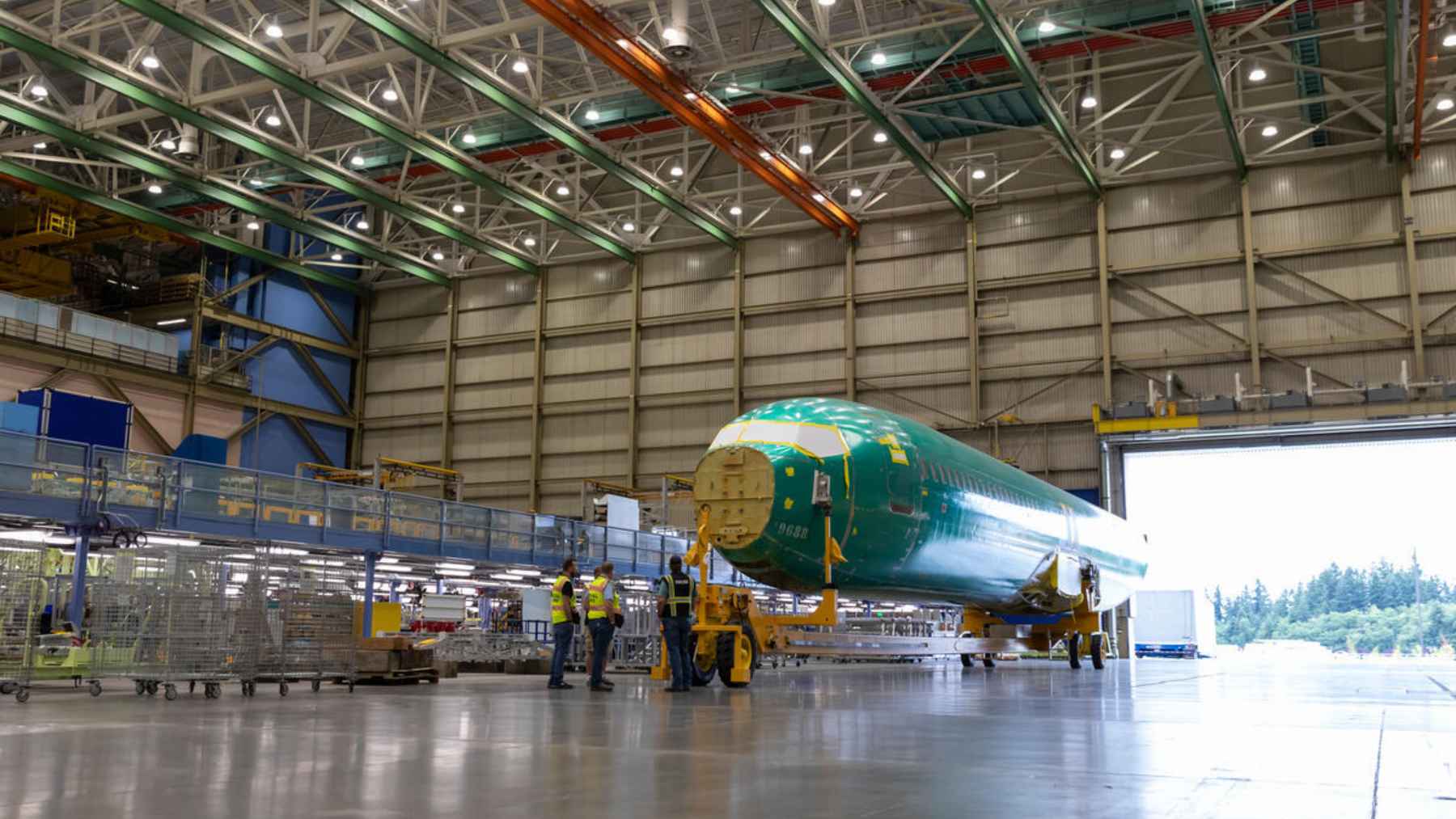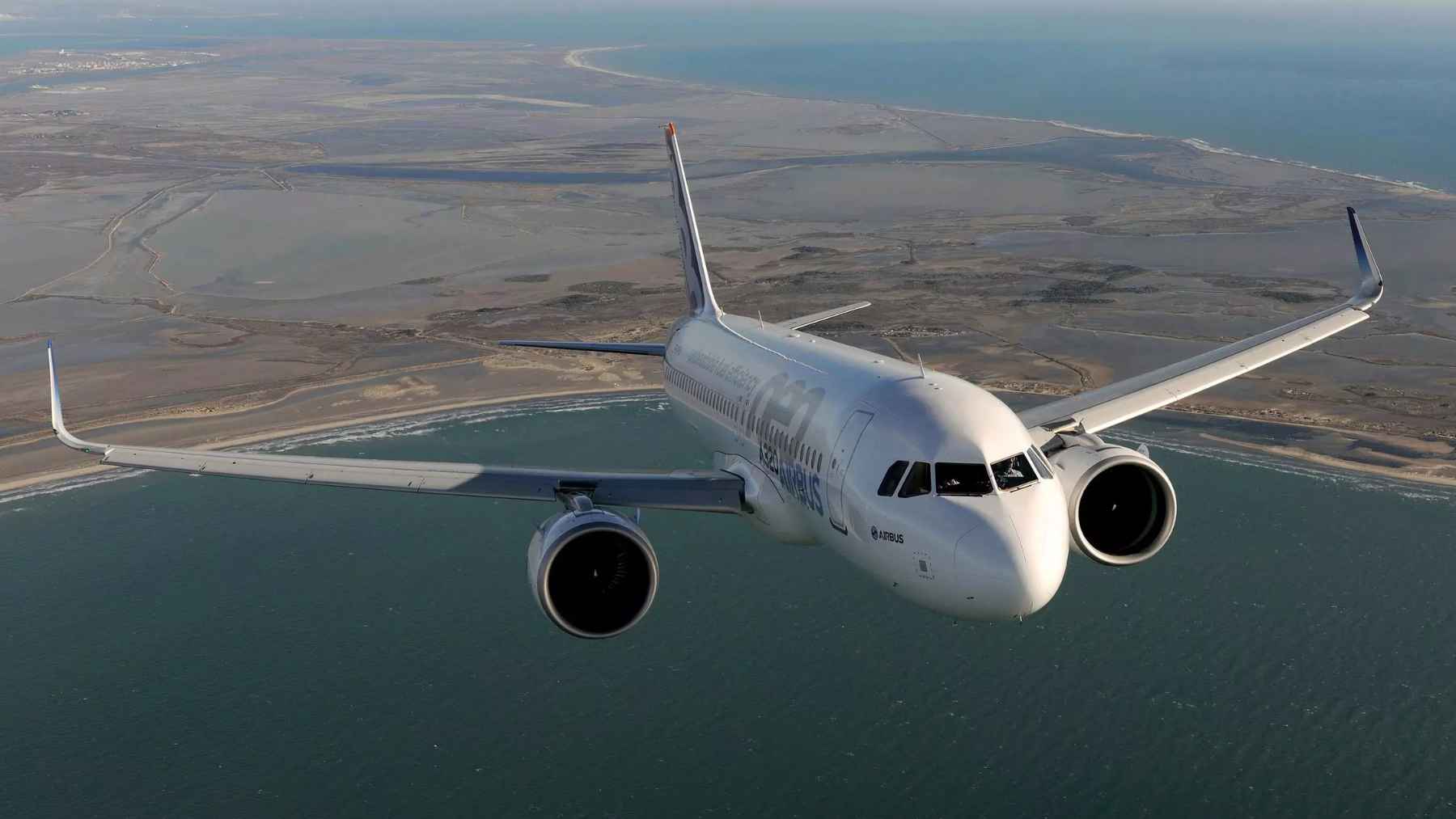
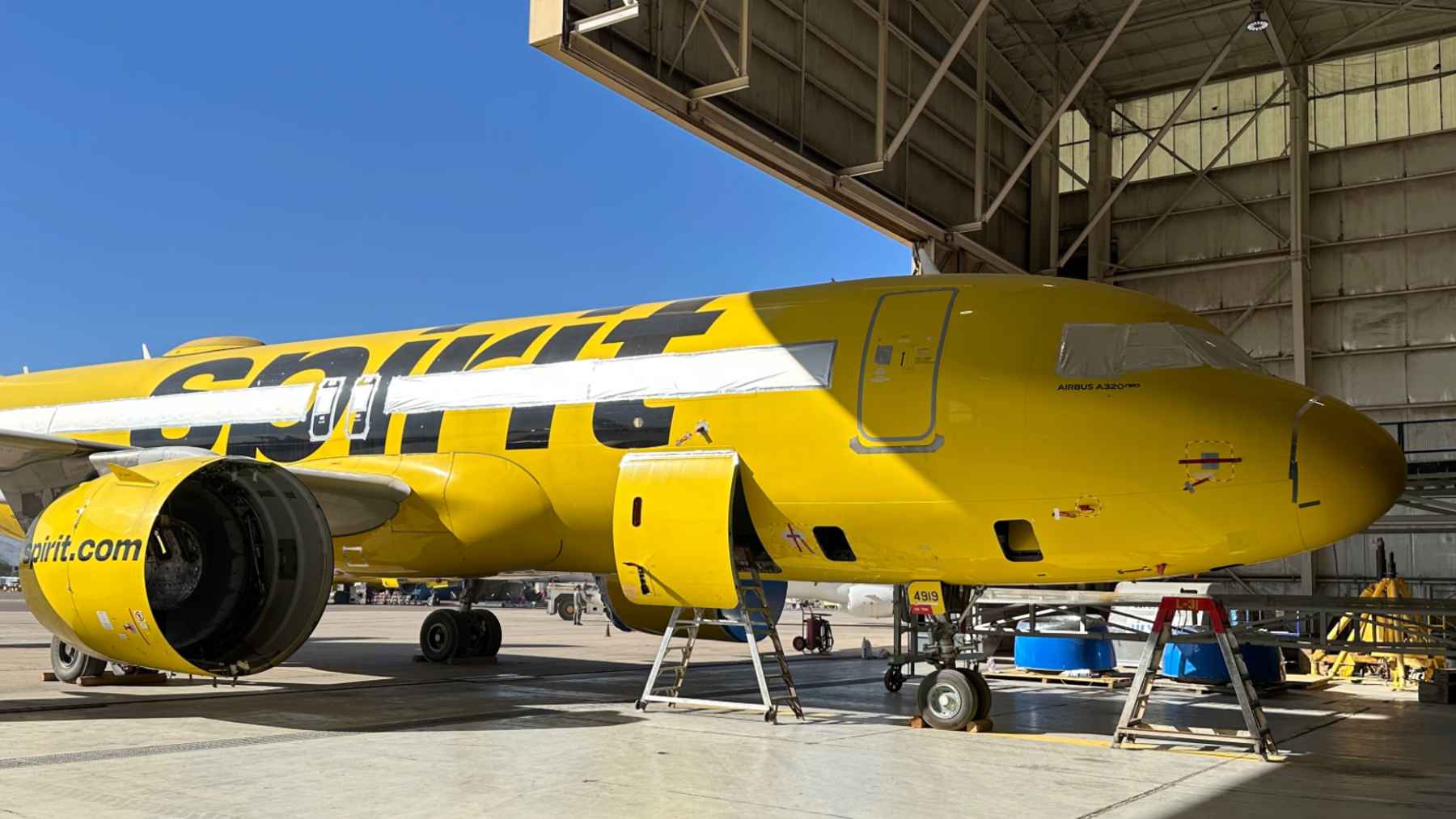
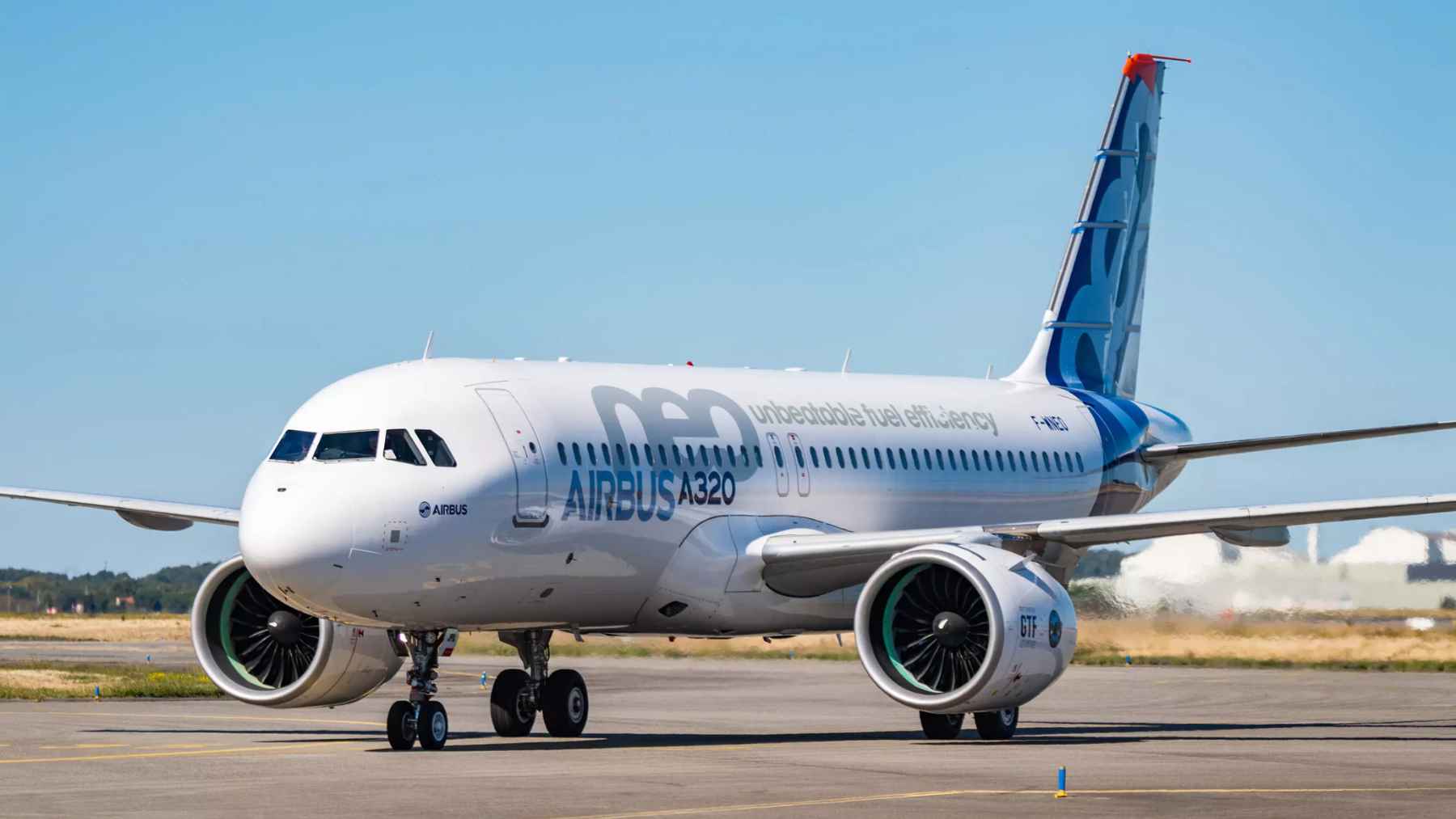
Aviation aftermarket supplier Setna iO has acquired an Airbus A320neo previously flown by Spirit Airlines and will have it dismantled at AerSale’s facility in Goodyear, Arizona. The jet will not return to service as one airplane, but many of its components could return to the sky after inspection, any required repairs and certification.
At first glance, taking apart a newer-generation narrowbody may look wasteful. The deal could keep usable equipment in circulation, ease pressure on a strained parts supply chain and send remaining materials into recycling streams. Setna’s announcement does not provide an emissions estimate or a recovery percentage for this specific aircraft.
A jet becomes inventory
This is Setna’s first A320neo teardown in the United States. The company said the recovered material will pass through its repair network, including Zulu Global, Landing Gear Technologies, Setnix and Setna Parts Lab, before being offered to airlines, lessors and maintenance providers around the world.
“This acquisition marks our first A320neo teardown in the United States,” said Tom Boulcott, Setna’s partner and chief strategy officer. Setna previously dismantled three A321neos in Spain during 2025, and commercial chief Hunter Edens said four more former Spirit aircraft were in the acquisition pipeline.
What used serviceable material means
The aviation term is “used serviceable material,” often shortened to USM. It does not mean a part is removed, dusted off and placed on a shelf. IATA and Oliver Wyman describe USM as previously installed parts that have been inspected, repaired or overhauled as needed and certified as serviceable for reuse.
That distinction matters because aviation is a safety-critical business. A seat component, landing gear item or avionics unit may look ordinary to a passenger rushing to find an overhead bin, but its maintenance history and documentation determine whether an operator can accept it for service again. Traceability is the bridge between reuse and risk.
Why airlines want these parts
Aircraft and component supply chains remain under pressure. An October 2025 IATA and Oliver Wyman report estimated that supply problems would cost airlines more than $11 billion during 2025, including higher maintenance, engine leasing and inventory expenses.
It recommended more repairs and wider use of USM to create capacity and reduce dependence on scarce new parts.
That is where a dismantled A320neo becomes commercially valuable. One parked aircraft can provide numerous cabin, airframe and system components that operators may need quickly, and every repairable part can displace the immediate need for a newly manufactured spare.
The environmental case
The environmental argument is straightforward, but it should not be overstated. The IATA and Oliver Wyman analysis says repairing a part generally has a lower environmental impact than producing a new one, while Airbus says careful decommissioning allows valuable components to be recertified and returned to service.
Airbus reports that specialized processes can recover about 92% of an A320’s total weight. Its breakdown lists the airframe as roughly 72% aluminum and aluminum-lithium alloys, 9% steel and 6% titanium, all materials with established recycling routes. Setna and AerSale have not said that this particular teardown will match that rate, so the 92% figure is a benchmark, not a result.
The harder residue is plastics and composite material. Airbus says some of it may go to energy recovery or disposal, which is why aircraft dismantling should not be confused with perfect closed-loop recycling.
Spirit’s collapse changes the market
The aircraft is reaching the parts market because Spirit stopped flying on May 2, 2026 and began an orderly wind-down. Its remaining fleet and other assets have since become the focus of bankruptcy sales, turning the carrier’s collapse into a sudden source of A320-family equipment, including relatively modern neo airframes.
Setna is not alone. Aviation Week reported that Killick Aerospace and KP Aviation had also announced purchases of former Spirit A320neo airframes for dismantling. Separately, a proposed $630 million stalking horse bid covered 27 Spirit-owned aircraft, with competing bids sought by Aug. 27 and an auction proposed for Sept. 9.
Setna is building for scale
This purchase looks less like a one-off bargain and more like part of a larger strategy. In April, Setna increased its commercial borrowing capacity to $550 million with support from six banks, saying the funds would help expand its parts trading and maintenance operations.
The recent acquisition of a majority stake in J&C Aero adds another layer. Setna says A320neo seats, interiors and other cabin components recovered in Arizona can now feed that business, giving the group an internal route for some high-value material while lower-value structure can move toward recycling.
What comes next
The key question is not how many parts are removed. It is how quickly they are documented, repaired, certified and matched with operators that need them, followed by how responsibly the leftover metals, plastics and composites are processed. That is where the environmental promise becomes measurable.
This deal shows how aviation’s circular economy develops. It is less glamorous than a futuristic zero-emission jet, but it is driven by immediate needs such as bankruptcies, repair bottlenecks and the long wait for new components.
The announcement was published on Setna’s website.