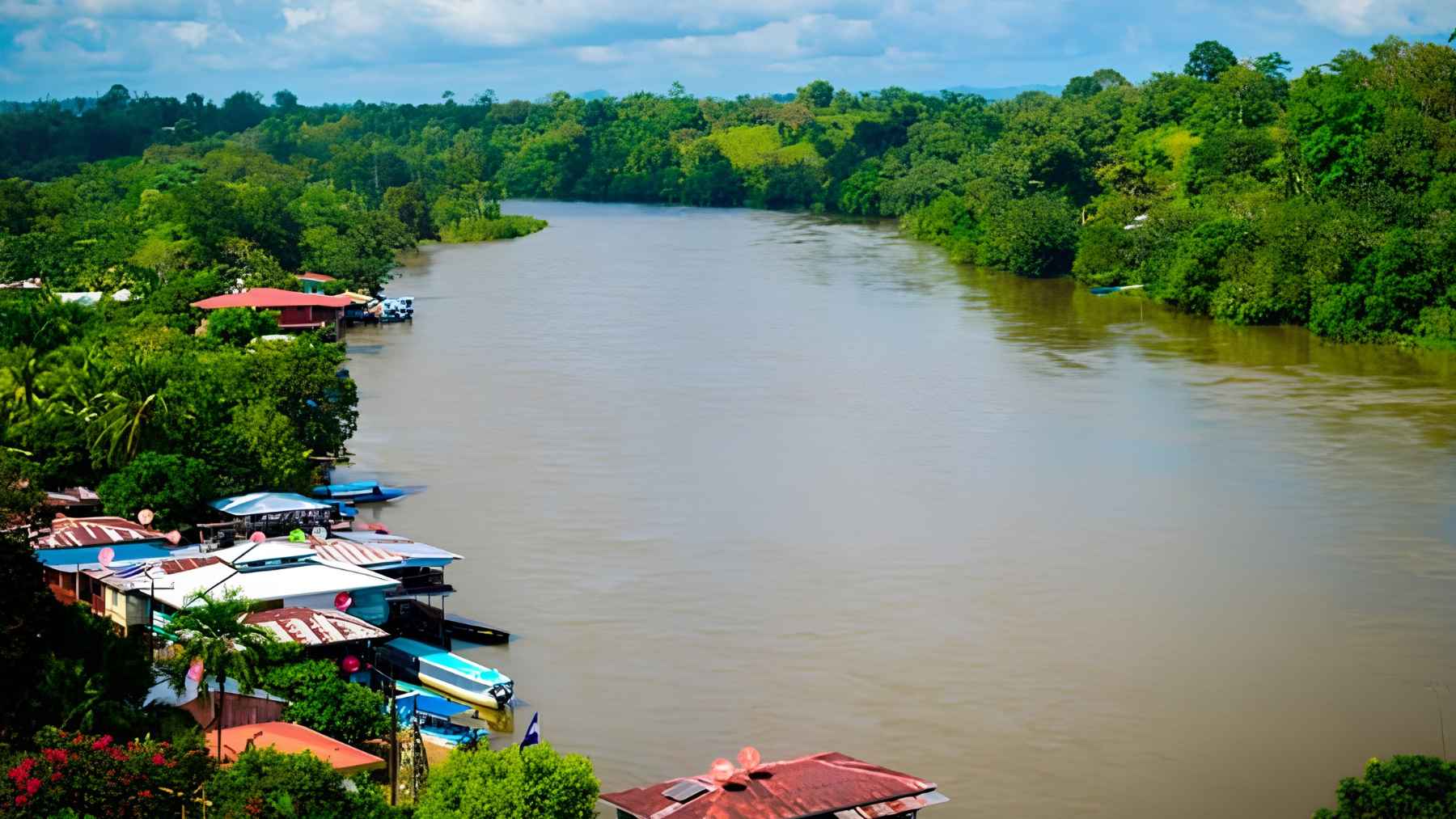
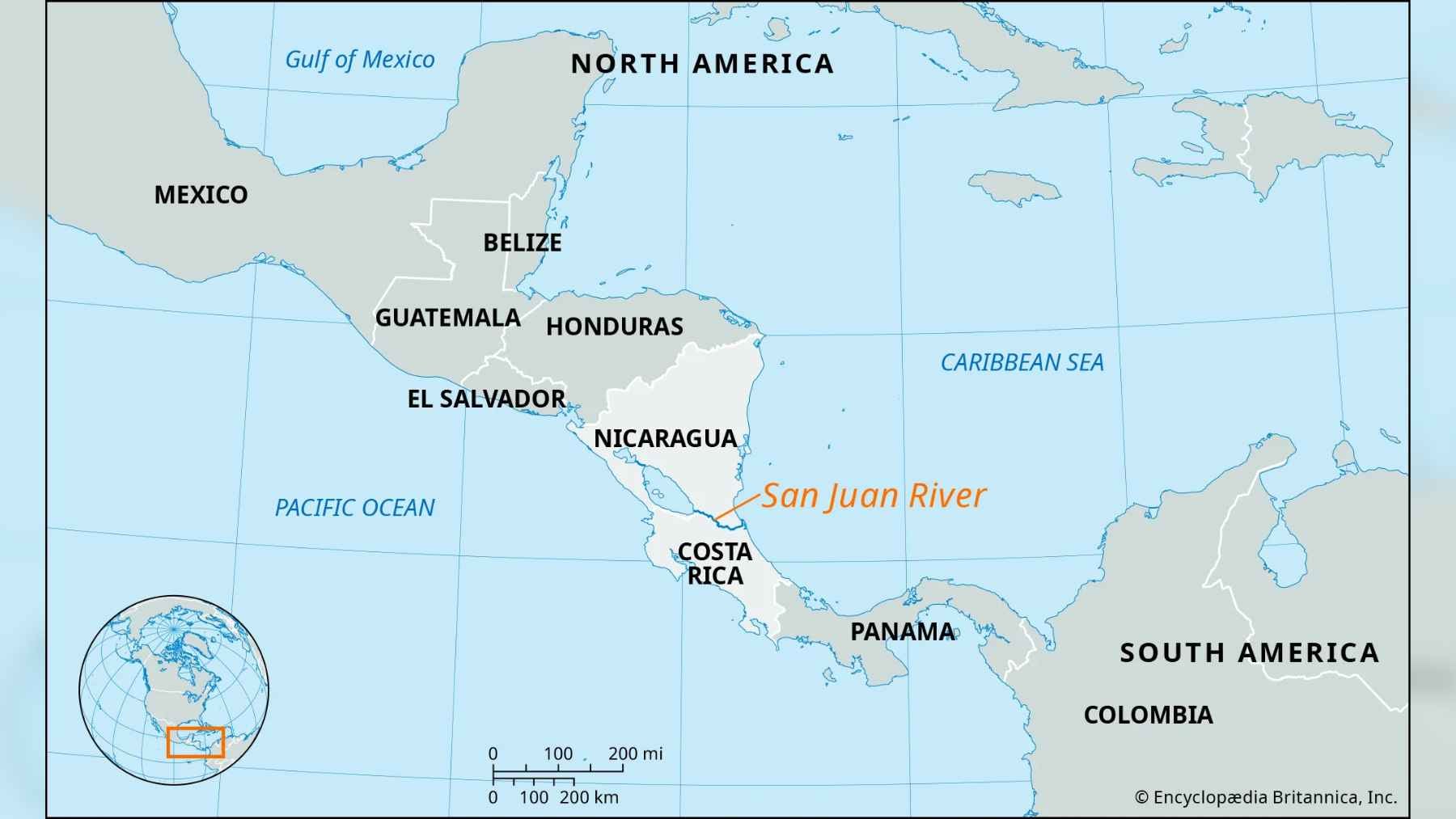
Before sunrise, boats cross the San Juan River carrying miners, fuel, radios and chemical supplies toward Crucitas, a gold-rich corner of northern Costa Rica. Costa Rican officials estimate that between 3,000 and 5,000 people are involved, while the government says roughly $252 million in gold is removed from the country each year.
This is no longer simply a story about informal miners digging in the jungle. It has become a cross-border supply chain with fast river access, semi-industrial processing and alleged buyers on the Nicaraguan side, all while Costa Rica absorbs the environmental damage and policing bill.
A border built for escape
The geography gives the mining networks a major advantage. Costa Rican officers cannot use the river as an armed patrol route and must approach key extraction zones over land, sometimes after a three-hour walk, while miners can retreat across the border within minutes when spotters report approaching police.
How do authorities hold ground when the escape route is by boat and reinforcements are hours away? Officials say the networks use WhatsApp, radios and drones to monitor police movements, turning a remote forest into something closer to a coordinated logistics hub.
Former Security Minister Mario Zamora told lawmakers that about 90% of the miners were foreign nationals, mainly Nicaraguans. Officials have put the monthly security cost at between $1 million and $1.3 million, yet the flow of people and ore continues. That is a costly stalemate.
The forest pays
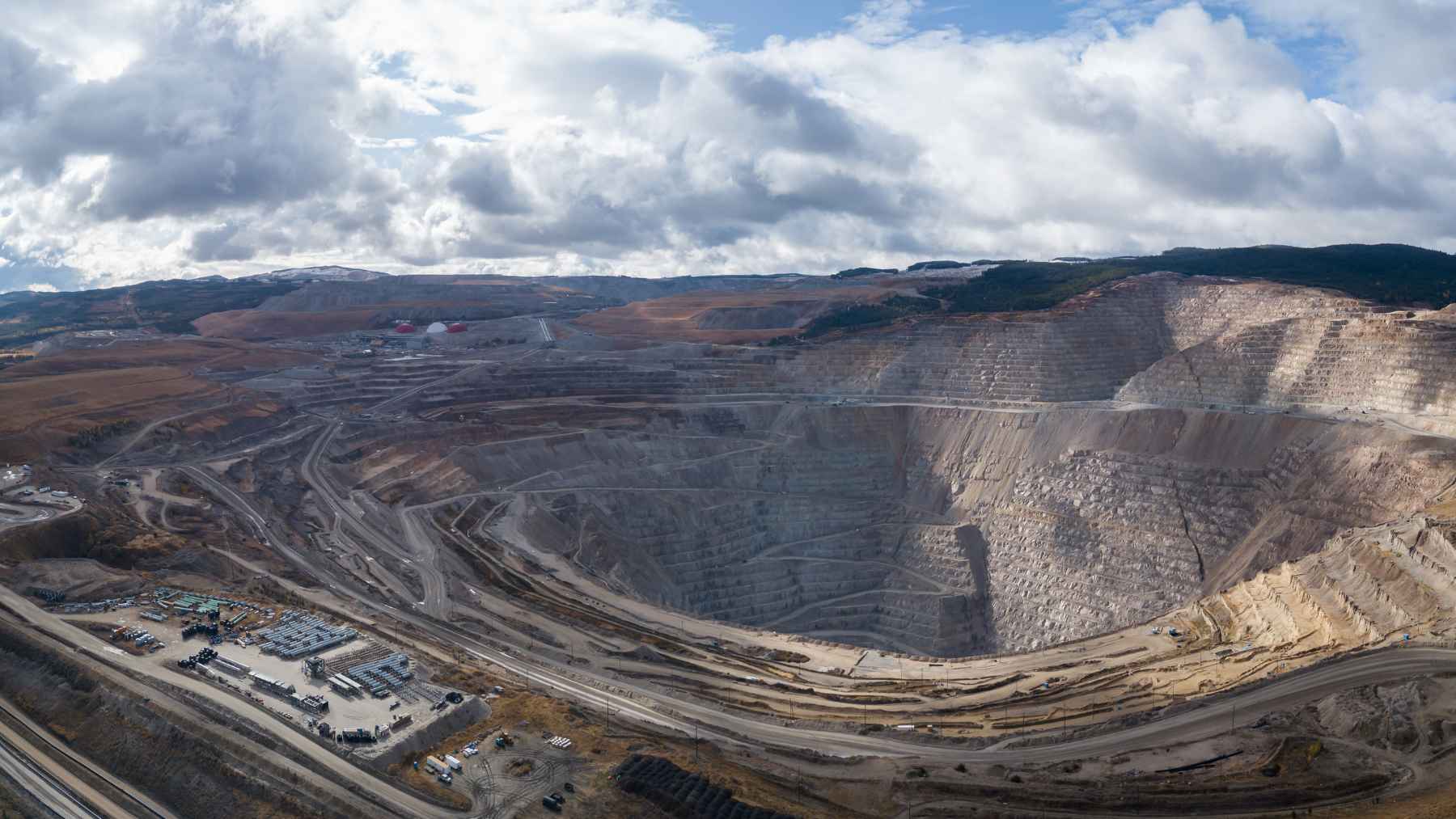
The damaged area has expanded from roughly 2,200 acres to more than 7,400 acres, reaching beyond the original Crucitas site into Las Conchuditas. What began largely as hand digging now includes pumps, powerful diesel generators and cyanide leaching systems that can process far more sediment.
The result is easy to picture. Tree cover gives way to muddy pits, unstable tunnels and pools used for chemical processing, while disturbed soil can wash into streams and aquifers after heavy rain.
Costa Rica’s Constitutional Chamber cited alleged mercury and arsenic contamination, biodiversity loss and risks to drinking water. It ordered a permanent police presence, continued potable water deliveries and a coordinated restoration plan, a clear sign that the damage is now treated as a public health issue as well as an environmental crime.
The trail leads north
Costa Rican officials and the environmental group Fundación del Río allege that gold-bearing sediment crosses into Nicaragua and reaches the Las Cruces camp, near concessions held by Thomas Metal. According to those accounts, buyers weigh sacks, pay in cash and use processing methods capable of recovering far more gold than small miners can extract on their own.
The claimed efficiency gap is striking. Officials say artisanal miners may recover 15% to 20% of the gold in sediment, while industrial techniques can reach as much as 95%, creating a strong incentive to move unprocessed material across the border.
China’s ambassador to Costa Rica rejected the allegation that Chinese companies were buying ore stolen from Crucitas and called it unverified media propaganda. That denial matters, but so does traceability, especially because researchers identify Thomas Metal as Chinese-linked and Nicaragua has expanded concessions into protected areas.
Sanctions raise the stakes
On April 16, the U.S. Treasury sanctioned Thomas Metal and six other companies operating in Nicaragua’s gold sector. Treasury said the businesses helped the Murillo-Ortega government generate revenue and maintain political control, while Thomas Metal had received tens of thousands of acres in concessions.
The designation does not prove that Thomas Metal handled ore from Crucitas. It does, however, raise the risk for banks, refiners, traders and exporters that touch gold without a verifiable chain of custody. Once gold is processed or melted, its muddy origin can disappear quickly.
That is the business problem hiding inside the environmental crisis. A sack of sediment may begin in an illegal pit, pass through a cash buyer and enter formal export channels looking much like any other gold.
The gold data gap
Nicaragua’s Central Bank reported 578,400 troy oz. of raw gold exports in 2024, equal to about 19.8 tons and worth $1.35 billion. A joint investigation by Fundación del Río and Expediente Abierto found that the Energy and Mines Ministry reported a figure 30.5% lower for the same year.
The difference does not show where the extra gold originated, and it is not proof that it came from Costa Rica. The same investigation found that only nine of 26 companies authorized to export gold also held mining concessions, which is not automatically evidence of crime but does create a due-diligence gap.
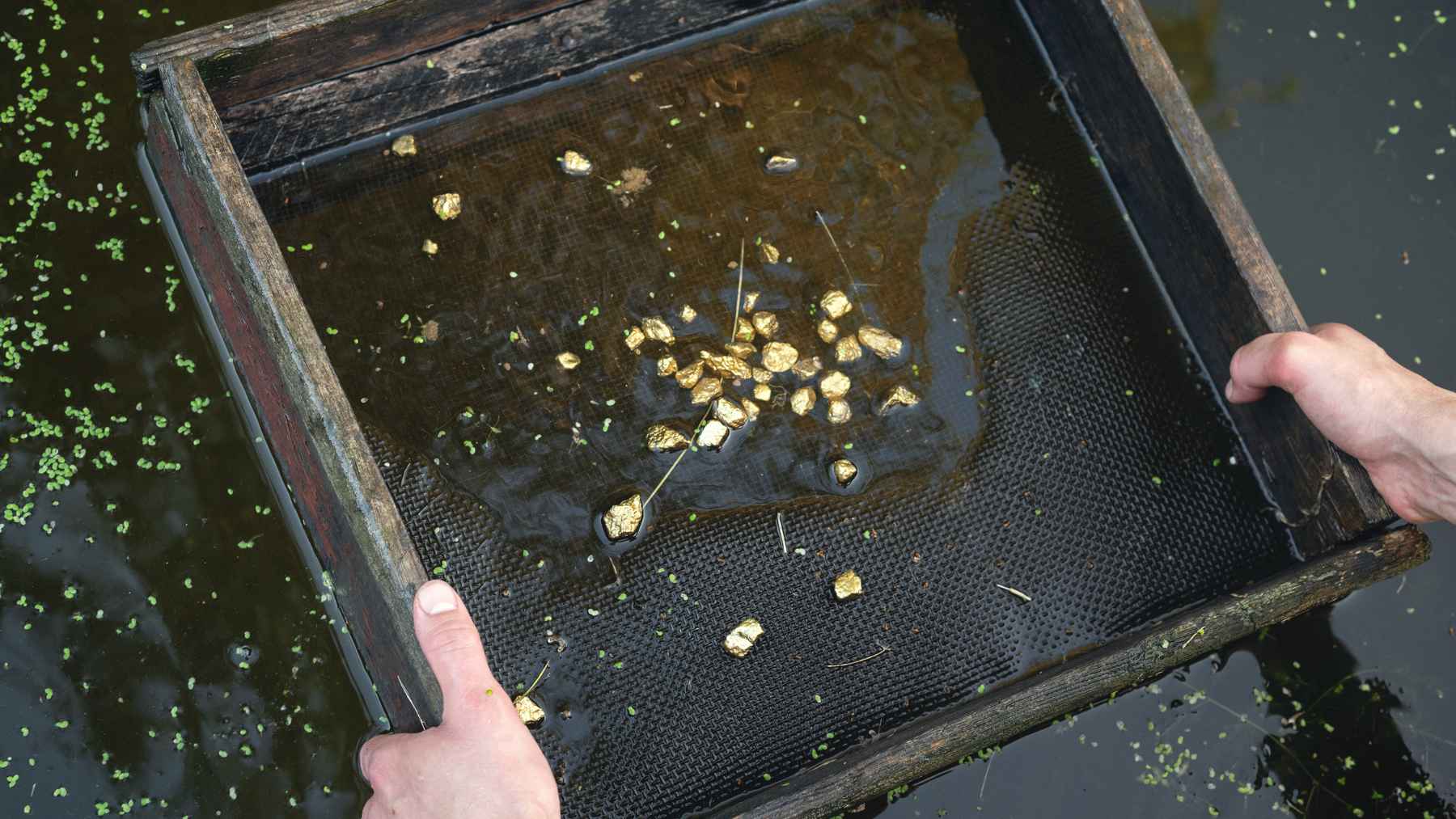
Clearly, this means officials need to follow more than boats and miners. They also need to examine cash payments, processing plants, export permits, beneficial ownership records and the refiners that turn raw material into a tradable product.
A legal mining gamble
Costa Rica’s government is pushing bill 24,717, which would create an exceptional open-pit metallic mining regime for Crucitas. Supporters argue that a regulated operator could stop the theft, fund environmental controls and capture public revenue now lost to illegal networks.
Critics are not convinced. Environmentalist Amaru Ruiz argues that an industrial concession may protect one fenced property without closing the cross-border market, pushing illegal crews to another site 12 to 19 miles away or encouraging them to sell material to industrial plants.
Could legal mining improve control? To some extent, perhaps, but only if it comes with independent environmental monitoring, strict chemical tracking, transparent royalties and gold traceability from pit to export. A permit by itself is not a border strategy.
What success looks like
Costa Rica and Nicaragua agreed in February to strengthen patrols, exchange information and meet every two months. Follow-up meetings were postponed, while Costa Rican authorities continued seizing equipment and sediment and Nicaragua reported detentions without publicly documented prosecutions.
The danger became visible on June 19, when President Laura Fernández was evacuated during a visit after a blast sounded nearby. No one was injured and authorities did not immediately determine the source, but Fernández said the area was “totally out of control.”
At the end of the day, progress should not be measured only by raids or sacks seized. The real test is whether forest loss slows, drinking water becomes safer, financiers face prosecution and every exported ounce can be traced to a lawful source.
The official statement was published on Casa Presidencial.