Hungary has granted a final construction permit for four large wind turbines outside the village of Bana, giving Green Energy Investhor its first concrete approval under a much broader development program. The turbines will provide 28.8 megawatts of combined capacity, but the bigger story is what could follow across 16 municipalities in western Hungary.
Still, a construction permit does not mean electricity will begin flowing tomorrow. The company must complete a separate grid connection approval process and meet additional regulatory conditions before the project can be fully built and commissioned.
That distinction matters because Hungary’s wind power revival will depend as much on power lines, substations, and environmental oversight as it does on turbines.
Four turbines at Bana
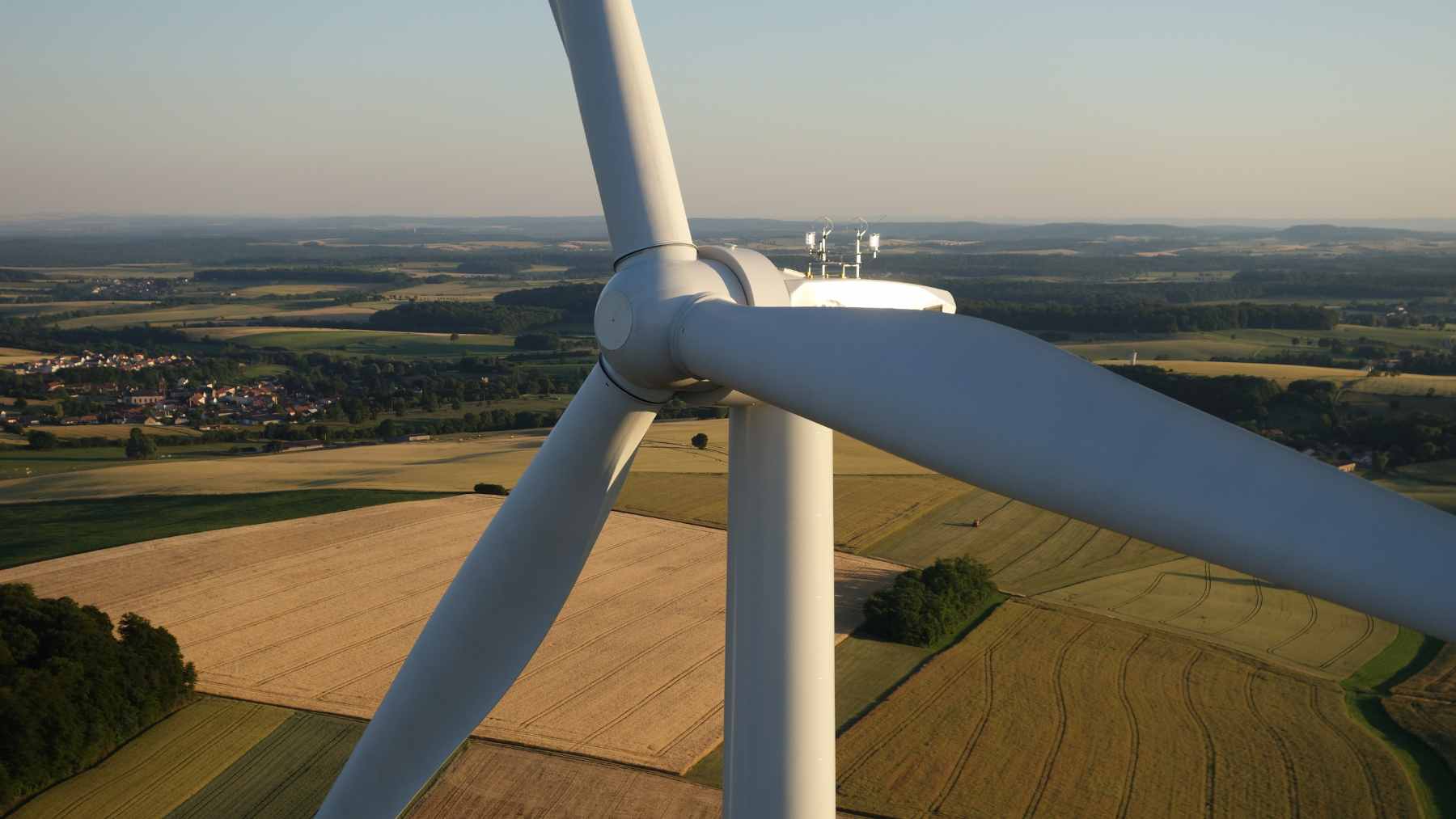
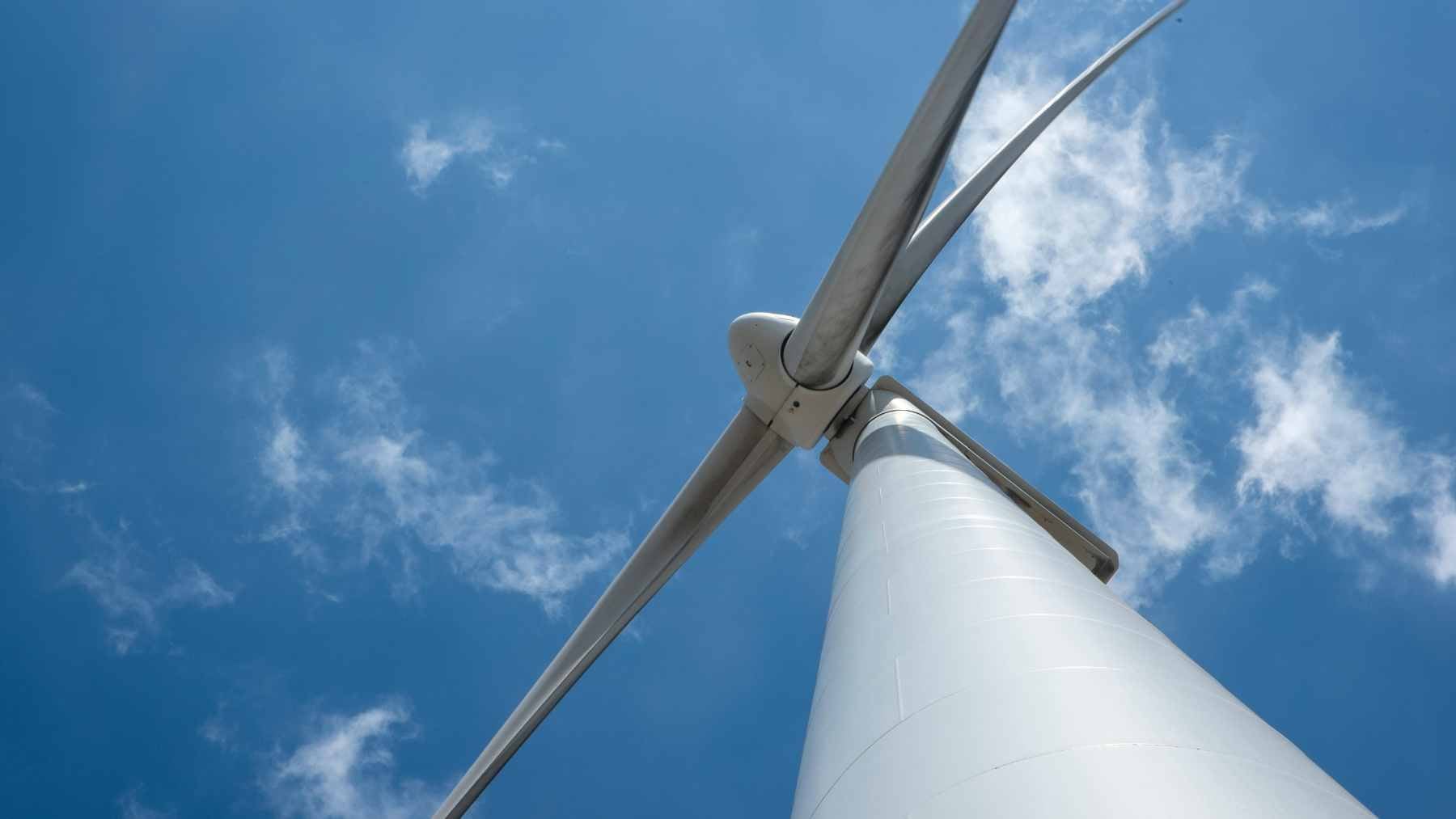
Each Bana turbine will have a rated capacity of 7.2 megawatts. The rotors will span 558 ft., while the highest point of each structure will reach 705 ft., making the machines taller than many city skyscrapers.
“The Bana construction permit is a real milestone for us,” Green Energy Investhor CEO Antal Ritter said. He described it as the first visible result of several years of preparation and the first practical step toward implementing the company’s larger wind development program.
The wider wind pipeline
The developer’s public materials describe a 499-megawatt core project centered on the Vadosfa region, involving 70 turbines across 16 municipalities. Its wider wind portfolio has been presented as approximately 499 megawatts plus another 49.9 megawatts, bringing the total development pipeline close to 550 megawatts.
Green Energy Investhor estimates that the main 499-megawatt project could generate around 1,200 gigawatt-hours of electricity each year, equal to about 2,405 full-output hours annually, or an implied capacity factor close to 27.5%. The turbines will not produce at maximum power all day, every day, but their annual contribution could still be substantial.
Why Hungary wants more wind
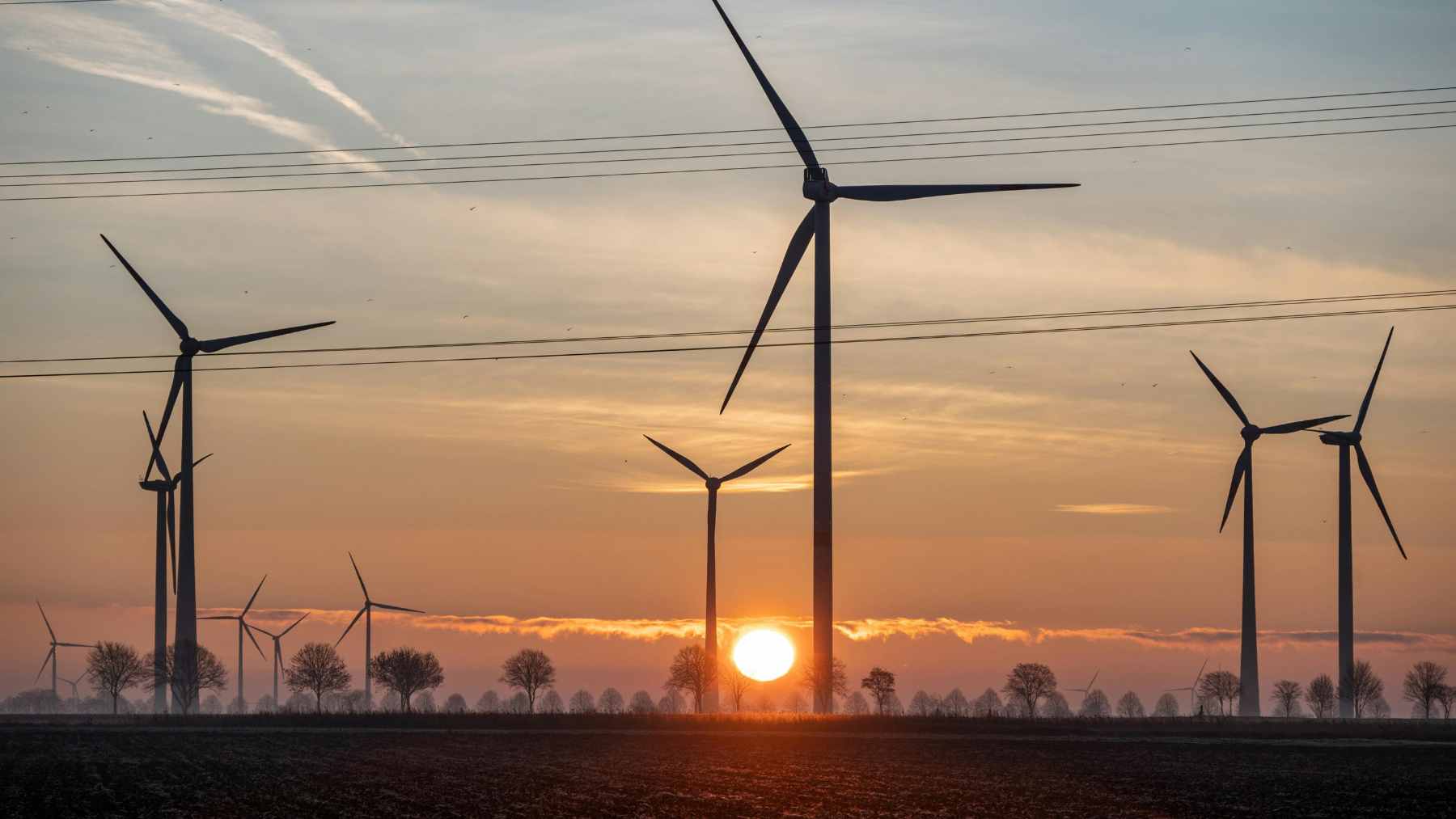
Hungary’s operating wind capacity has remained at roughly 330 megawatts since 2016. Renewable generation has grown rapidly since then, but solar installations have accounted for most of that expansion, leaving the country increasingly reliant on one weather-dependent technology.
“Wind and solar power complement each other perfectly,” Economy and Energy Minister István Kapitány said when announcing the government’s new strategy. Solar farms perform best during bright daytime hours, while turbines can continue producing after sunset or during cloudy and windy weather.
Wind is not constant either, but combining the two can, to a large extent, produce a more balanced renewable supply.
A much larger government target
The government plans to publish a tender on August 31 for the connection of at least 700 megawatts of new wind capacity. A draft is expected to enter public consultation in mid-July, while additional tenders could cover a total of 4 gigawatts by 2030, more than ten times the capacity operating today.
There is an important bit of fine print. Four gigawatts is a target for capacity offered through tenders, not a guarantee that every approved project will be operating by 2030. Developers will still need suitable land, financing, equipment, environmental clearance, local agreements, and a place on the electricity network.
The grid is the real test
That is why the Bana project’s separate grid approval is more than a procedural detail. A turbine can be standing in a field and still be commercially useless if the surrounding electricity network cannot safely receive and move its electricity.
The first 700-megawatt tender is expected to generate close to $1.14 billion in investment, while approximately $1.71 billion in European Union funding could go toward grid and infrastructure improvements. Together, that comes to roughly $2.86 billion using recent exchange rates.
Wildlife remains part of the permit
Wind power produces electricity without burning fuel, but placing large rotating structures in rural landscapes still carries ecological risks. The Bana project was preceded by more than a year of wildlife surveys, including observations of birds and bats, and the official environmental process examined noise, soil, water, protected species, and surrounding habitats.
The environmental conditions require protected animals to be safeguarded during construction. Temporary trenches must be inspected, work must stop if certain protected birds begin nesting nearby, and the site must undergo monitoring for migratory and nesting birds and bats for five years after operations begin.
Annual findings must be reported to the authorities and the Duna-Ipoly National Park Directorate.
What happens next
Preparatory work at Bana can now move forward, but the remaining approvals will determine when major construction can actually begin. Grid access is likely to be the most decisive hurdle, especially as multiple wind developers compete for limited connection capacity and Hungary upgrades an electricity system built for a different generation mix.
For now, four turbines may seem like a modest beginning. But after years of almost no growth in Hungarian wind power, the permit is a useful test of whether planning rules, environmental safeguards, private capital, and grid investment can finally move in the same direction.
The company’s official press release was published on Green Energy Investhor.