The UK, Italy, and Japan have awarded Edgewing an 18-month contract worth about $6.2 billion at the Bank of England’s July 9 spot rate. The deal moves the Global Combat Air Programme into its next design phase, but it is not an order for finished fighters.
It pays for the quieter yet decisive work of finalizing requirements, testing design choices, and turning three national projects into one aircraft program.
The award gives GCAP something large multinational defense programs often struggle to keep, a funded path and a single design authority. Still, money alone will not deliver a sixth-generation jet by 2035.
The next 18 months will test whether the partners can control costs, protect national interests, integrate complex technology, and explain an environmental footprint that remains largely absent from public disclosures.
What the contract buys
Edgewing says the contract will complete the advanced concept and assessment phase, then carry the program into further detailed design and development. In practical terms, engineers will refine what the aircraft must do, establish key requirements, and put those decisions through rigorous testing. That is where a concept starts becoming a buildable machine.
The award follows a roughly $919 million contract placed in April 2026, which moved previously separate national work into a fully international program. Why spend this much before the first production jet exists? Because errors frozen into a combat aircraft’s architecture can become painfully expensive once factories, software, sensors, and engines are committed.
One company in the cockpit
Edgewing is owned equally by BAE Systems, Leonardo, and Japan Aircraft Industrial Enhancement Co., with each holding 33.3 percent. It is the industrial prime and long-term design authority, while the GCAP Agency represents the three governments as the customer. That setup is unusual.
Edgewing chief Marco Zoff called it the first time three countries have created “a single engineering prime” working for “a single empowered customer.” The promise is fewer parallel chains of command and faster decisions. In practice, that structure will still have to reconcile different budgets, export policies, security rules, and military priorities.
A stronger funding signal
The British government has separately committed about $11.5 billion to GCAP over four years under its new Defence Investment Plan. That pledge shows the UK is planning beyond a short bridge contract, while Italy and Japan are also jointly funding the new Edgewing award. The public announcements do not break down each country’s individual share of the $6.2 billion.
UK Minister for Defence Readiness and Industry Luke Pollard described the deal as “a major step forward” and linked it to skilled jobs and national security. Masami Oka, chief executive of the GCAP Agency, went further, saying the program’s future “has never been more assured.” Strong words, yes, but the schedule will be the real proof.
What sixth generation means
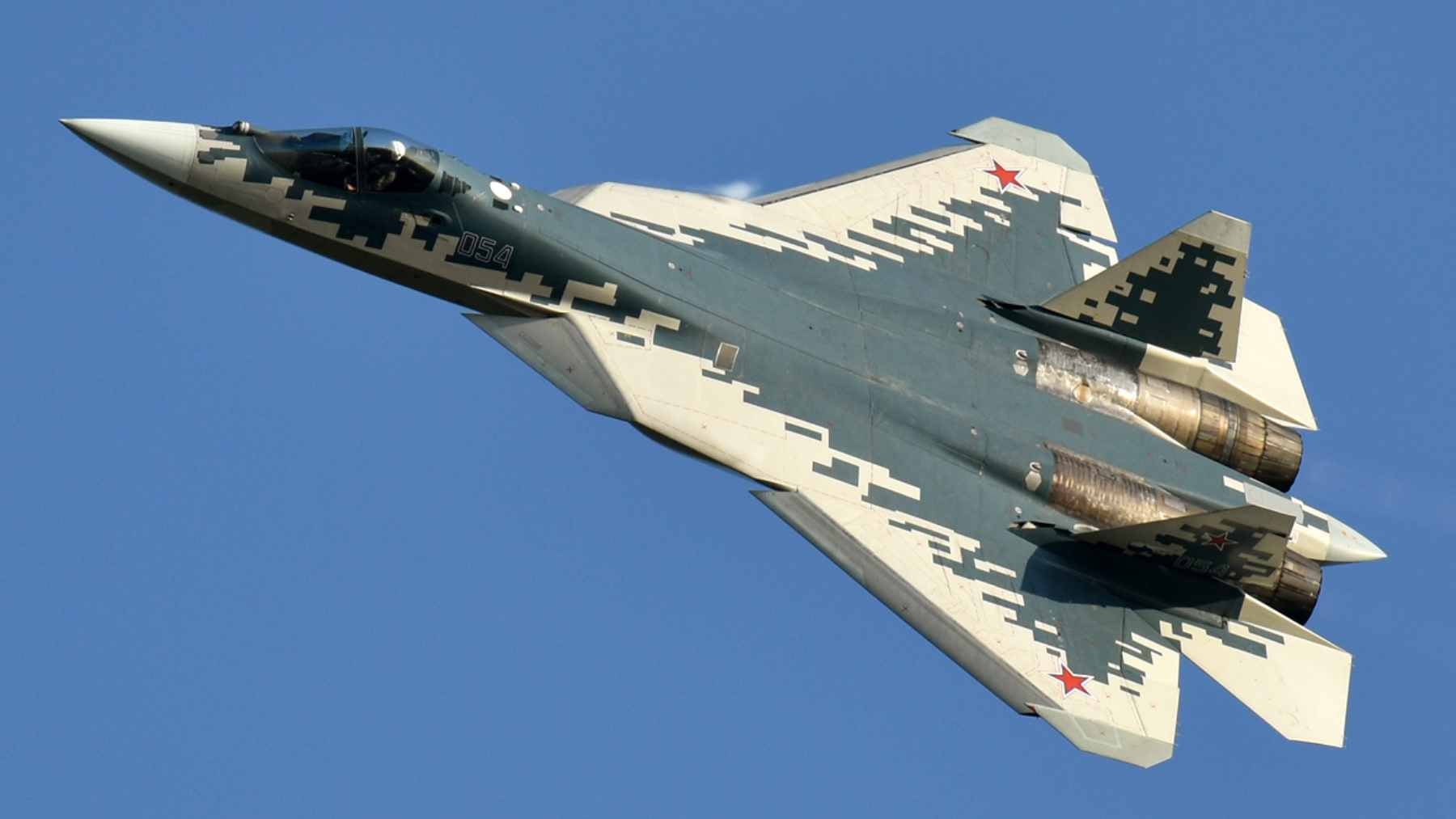
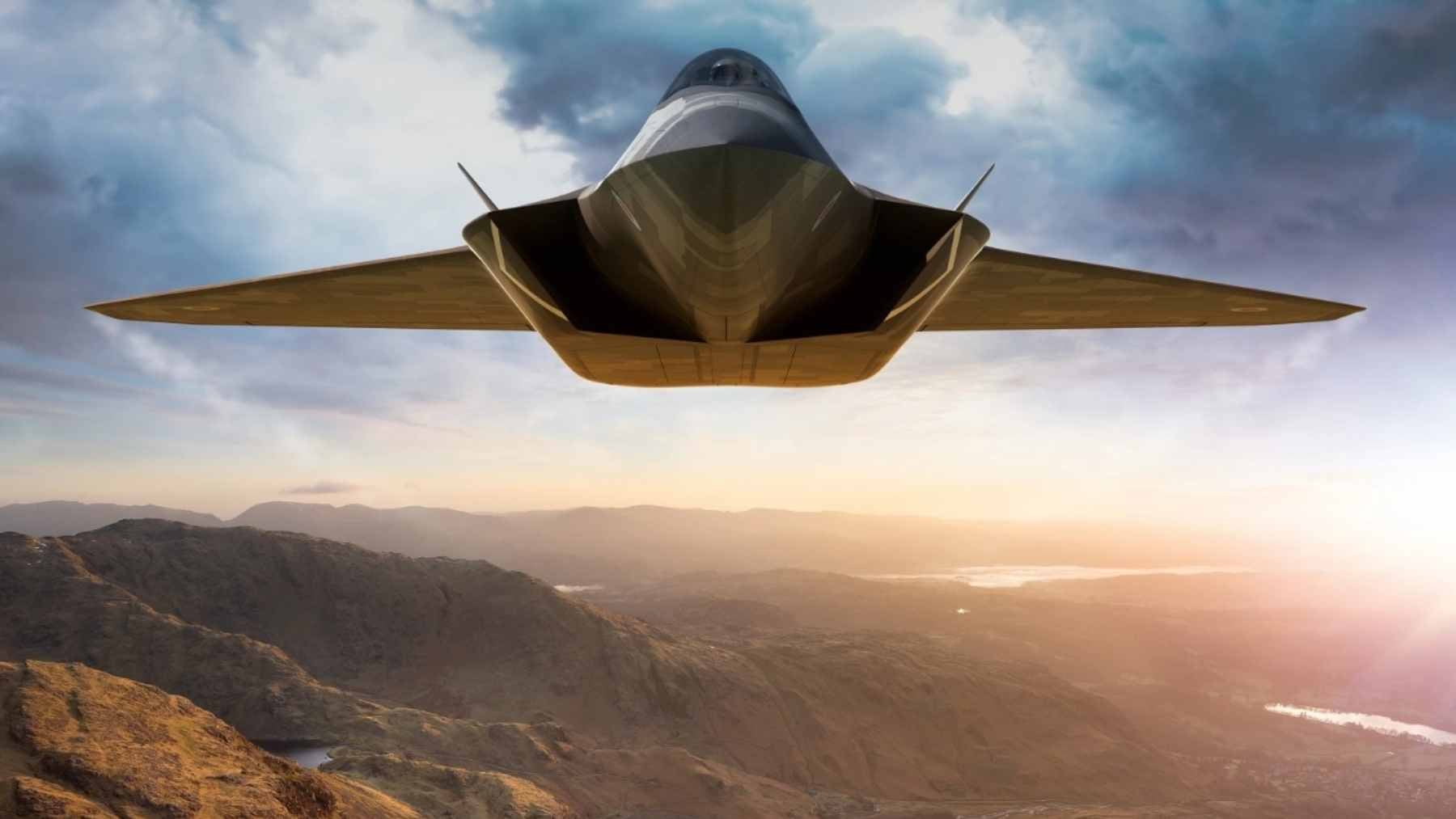
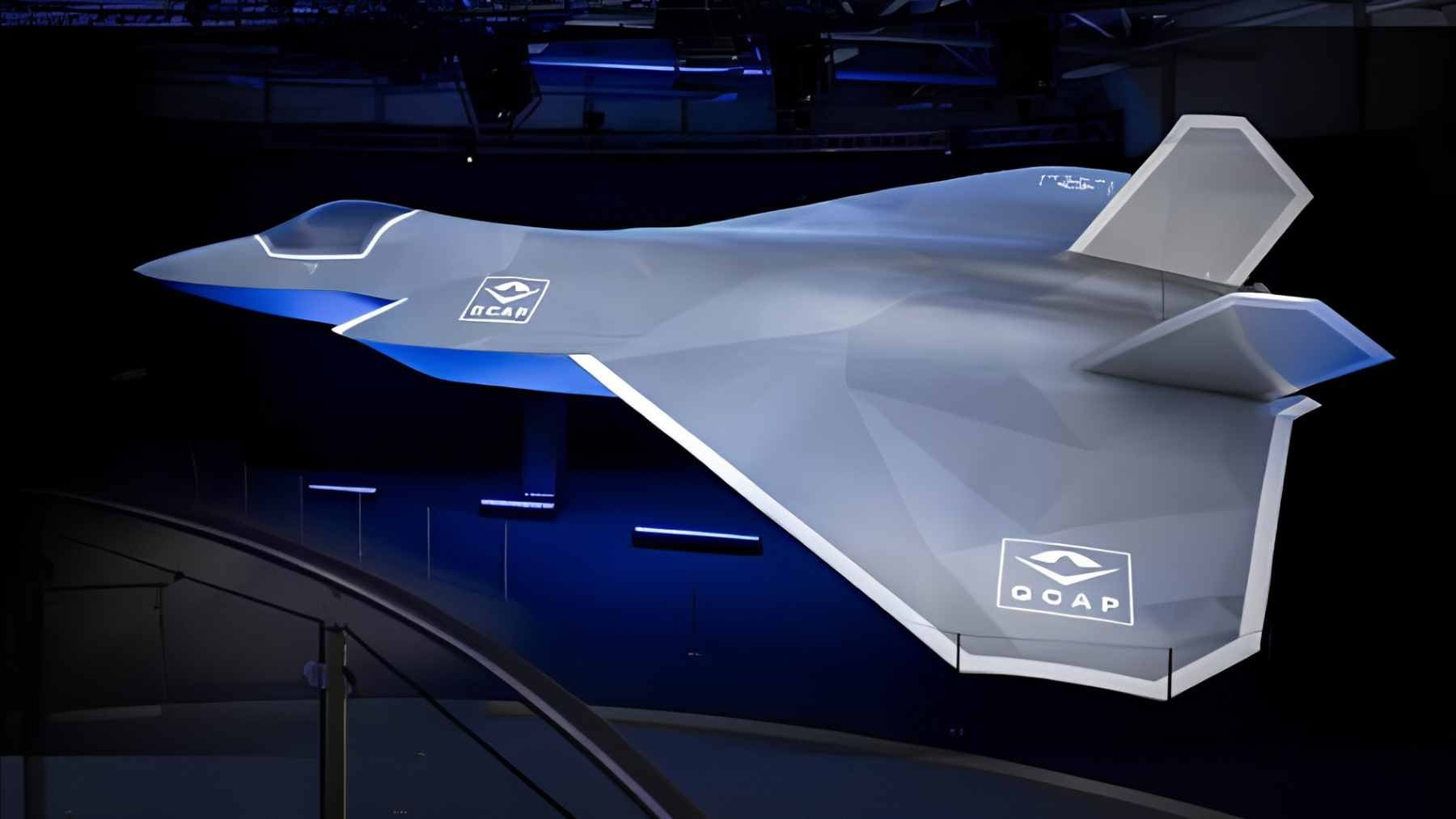
The phrase “sixth generation” sounds impressive, but the important part is the system behind it. GCAP is expected to combine stealth, advanced sensors, data sharing, artificial intelligence, and the ability to operate alongside uncrewed systems.
In practical terms, the concept points toward a pilot receiving a clearer picture from more sources while working with other aircraft and autonomous platforms.
The aircraft itself is only one component of the system. A trinational electronics group is developing sensing and communications, while a separate power and propulsion team is working on range and persistence.
Officials also point to robotics, augmented reality, additive manufacturing, and digital engineering as ways to speed design, testing, and production.
Jobs and the fine print
The UK says the wider future combat air effort already supports 4,500 jobs and a supply chain of about 600 organizations. That wording matters. It does not mean this one contract instantly creates 4,500 new jobs, although the award should help sustain engineering and manufacturing work.
GCAP is targeting service entry in 2035, an ambitious date for a fighter whose core requirements are still being finalized.
The next public checkpoint comes at the Farnborough International Airshow from July 20 through 24, where Edgewing will make its first appearance and GCAP will have a dedicated stand. It should give industry and government a visible opportunity to show how much of the plan has moved beyond concept art.
The environmental cost
Here is the part the official announcements barely touch. They promote digital engineering and advanced manufacturing, but neither release provides figures for lifecycle emissions, fuel consumption, material use, noise, or end-of-life disposal. For an aircraft program whose design authority expects the product life to extend beyond 2070, that is not a small omission.
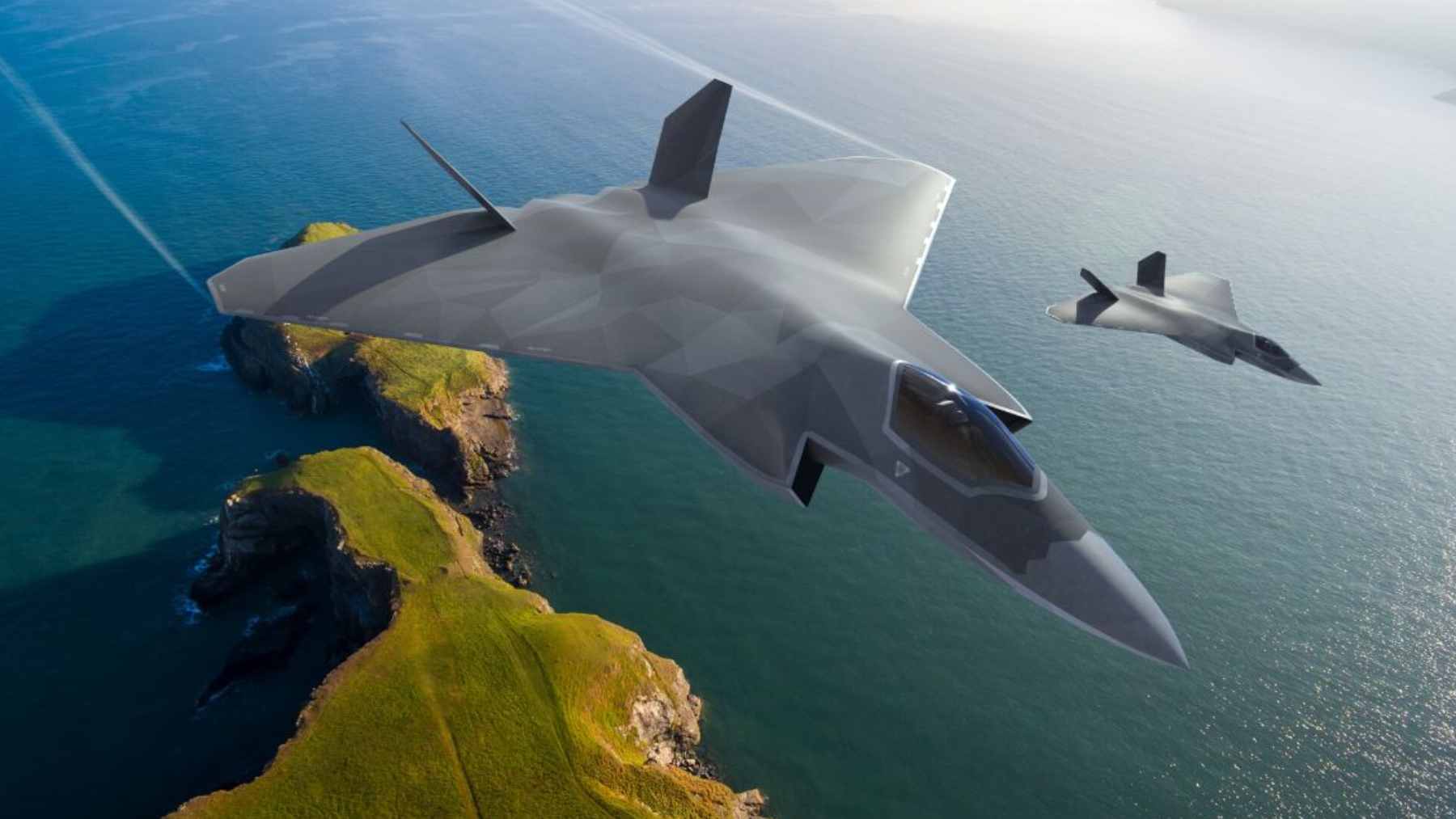
Those new tools may change how much physical prototyping and material the program needs, but the effects have not been quantified yet. Faster design is not automatically greener design. Clear baselines and measurable targets would allow taxpayers to judge both claims separately.
What happens next
Over the next 18 months, Edgewing must turn broad ambition into agreed requirements, test plans, and an increasingly mature design. The three governments, meanwhile, need to keep money, industrial work, and decision-making aligned.
That sounds procedural, but it is often where international aircraft programs either gain momentum or start picking up delays.
For now, the contract moves GCAP beyond political reassurance and into a more demanding engineering phase. It does not guarantee a fighter in 2035, but it gives the partners a credible route to keep working toward one.
The official statement was published on GOV.UK.