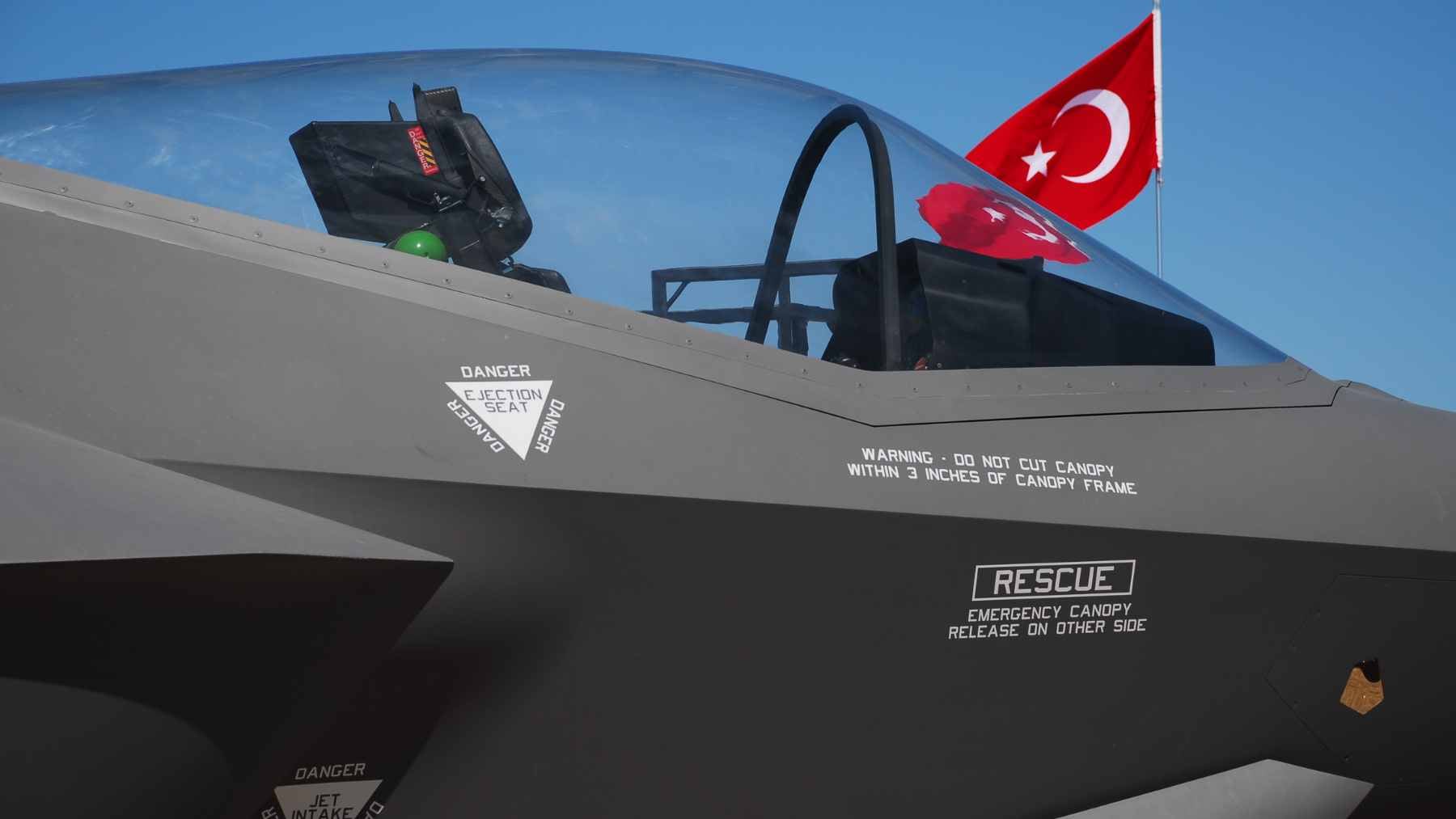
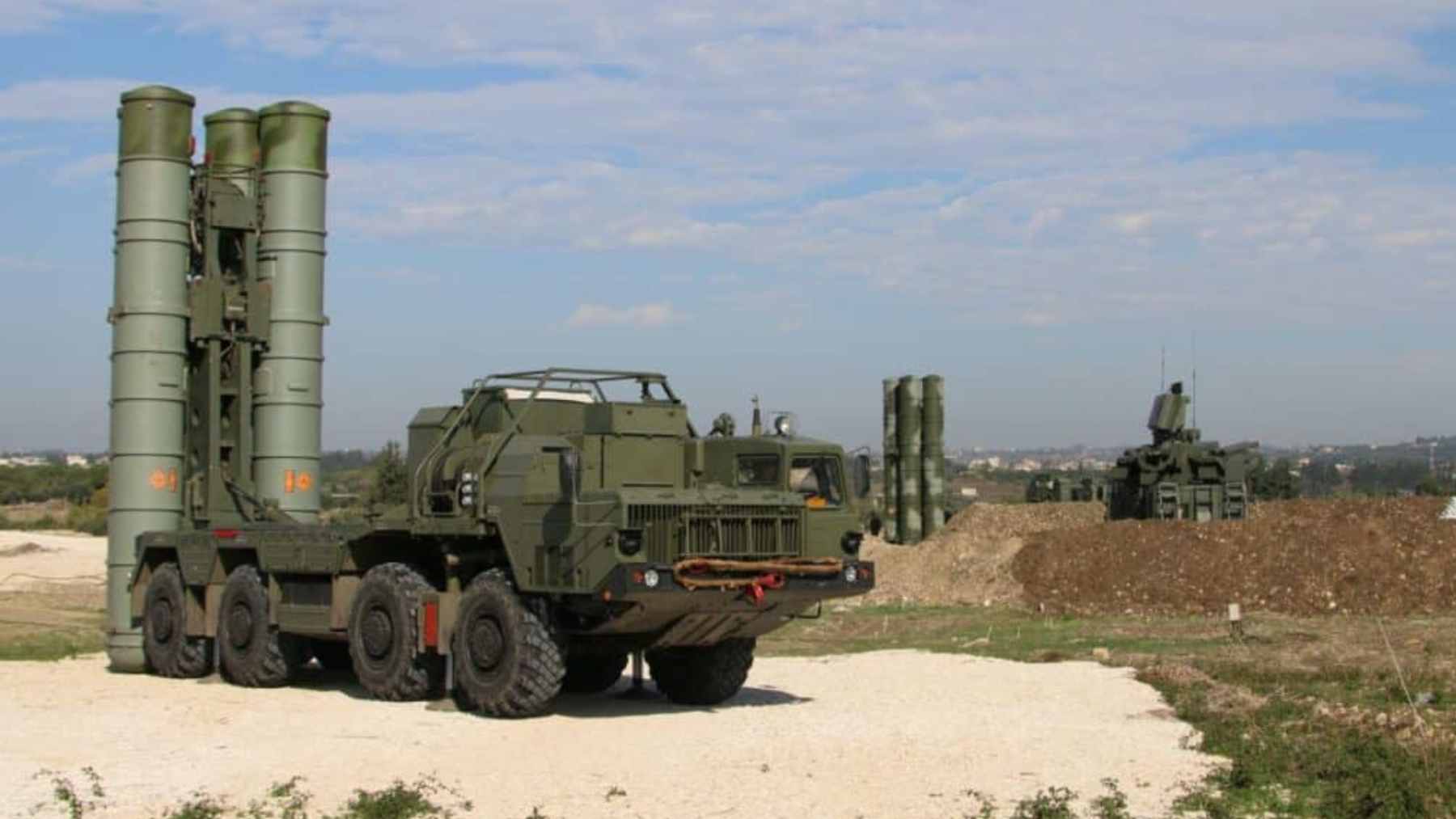
A strange question is moving around NATO circles right now. Could Turkey clear the way back into the U.S. F-35 program by sending its Russian-made S-400 air defense system to another country, possibly South Korea?
The idea sounds like a diplomatic shortcut, but it is really a stress test for the rules around modern weapons, stealth technology, alliance trust, and even the environmental footprint of a new defense buildout. President Donald Trump has said he will lift sanctions imposed on Turkey and consider an F-35 sale, yet U.S. law and congressional resistance still stand in the way.
A deal with strings attached
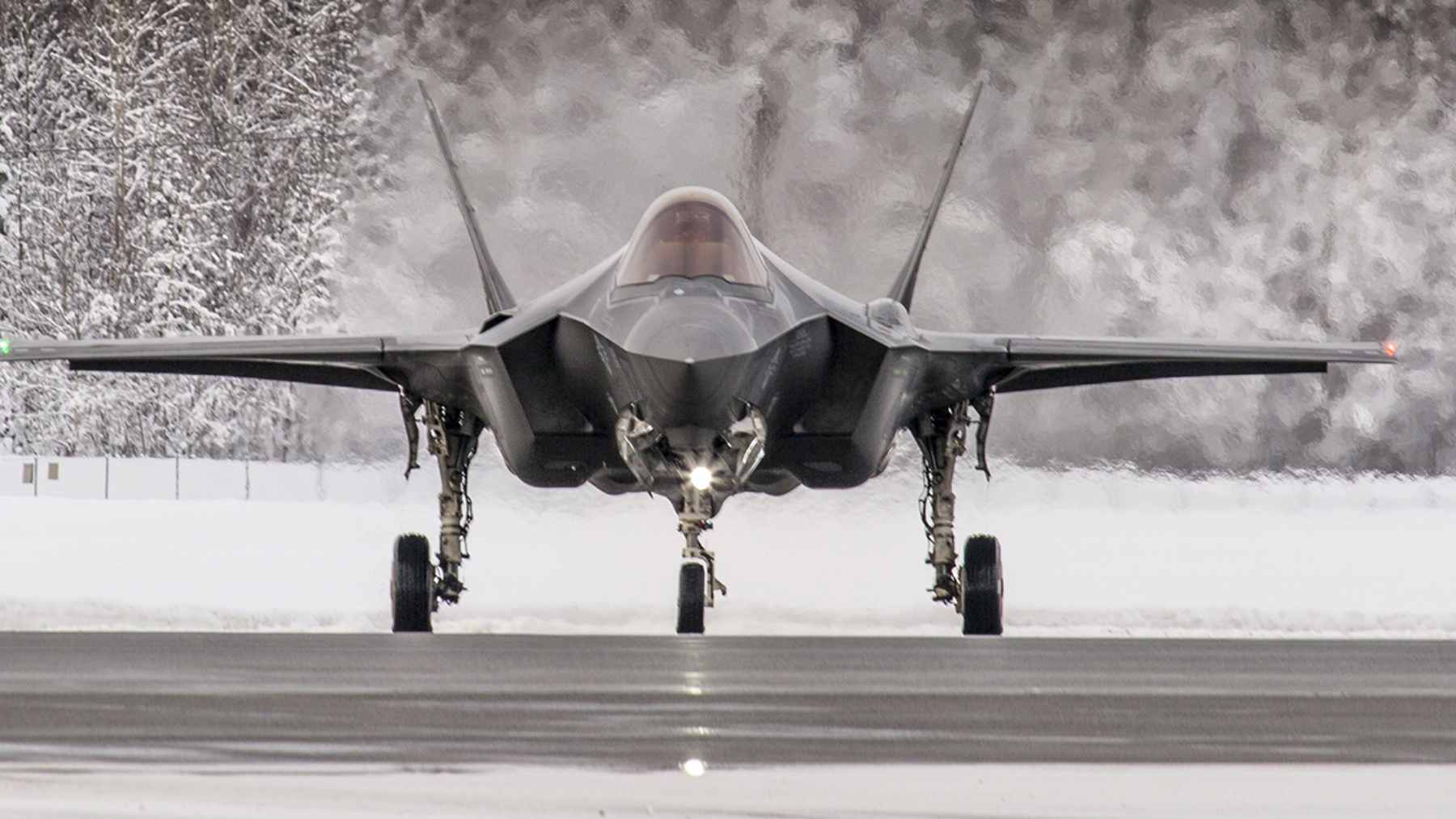
Turkey was removed from the F-35 program after buying Russia’s S-400 system, a move Washington said created unacceptable risks for the stealth fighter. In 2019, the White House said the F-35 “cannot coexist” with what it described as a Russian intelligence collection platform.
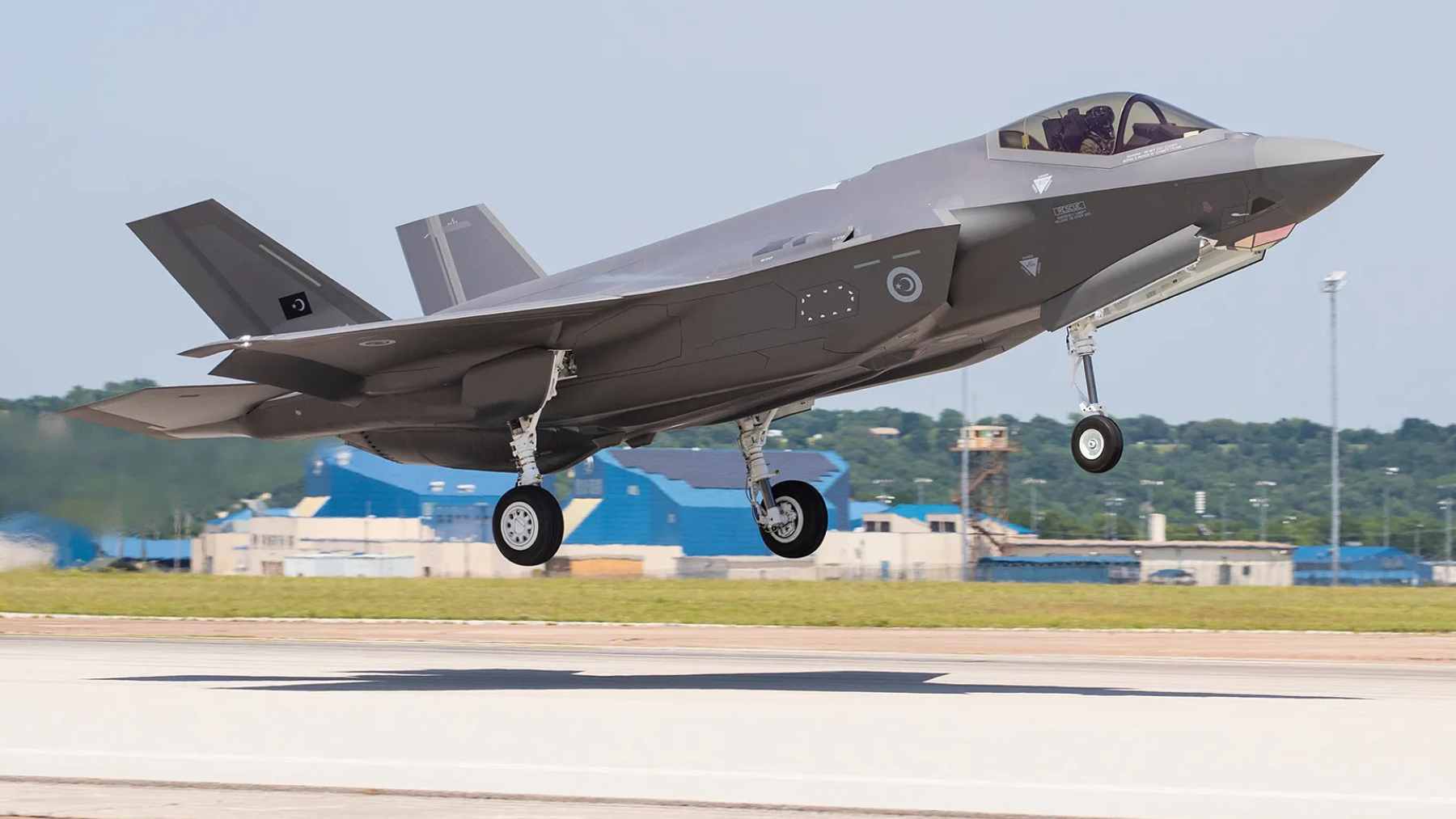
That concern has never really gone away. The Pentagon later said Turkey could not have both the Russian system and the fifth-generation fighter, while noting that Turkey had been expected to buy 100 F-35 jets and was making more than 900 parts for the aircraft.
So, what changed? Not the hardware. What changed is the political weather in Washington, where Trump has praised Turkey as a NATO partner and told reporters, “We’re going to be taking the sanctions off.”
The South Korea twist
The unusual proposal, reported by Euractiv and repeated by Russian outlet Gazeta through VPK, would involve Turkey transferring the S-400 system to a third country instead of returning it to Russia. South Korea has been mentioned as one possible destination, although there is no confirmed agreement.
That is where the story gets tricky. Russian lawmaker Alexei Zhuravlev said any transfer would be impossible without Russian coordination, arguing that military contracts are normally written to prevent resale or transfer to third parties.
In practical terms, that means Turkey may not be able to simply pack up the system and ship it away like old office equipment. Weapons deals come with end-user rules, technical restrictions, and political baggage that can follow a system for decades.
Why Washington is cautious
The F-35 is not just another fighter jet. It is a flying computer, built around stealth, sensors, software, data links, and maintenance systems that allies guard closely.
Congress passed restrictions that block F-35 transfers to Turkey while it retains the S-400. Reuters reported that U.S. law does not currently allow Turkey to operate or possess the S-400 if it wants to rejoin the F-35 program.
That is why a third-country transfer could look appealing on paper. It might give Washington a way to say Turkey no longer has the Russian system, while letting Ankara avoid a direct return to Moscow. But would Congress accept it? Not yet. Lawmakers are still asking for details.
Israel and Greece are watching
Turkey’s return to the F-35 would not happen in a vacuum. Israel and Greece have both raised concerns about how advanced U.S. jets in Turkish hands could shift military balances in the eastern Mediterranean and the Middle East.
Israeli Prime Minister Benjamin Netanyahu told CNN that he opposed such a sale, saying, “It would destroy the power balance in the Middle East.” Reuters also reported that a planned meeting involving U.S. Defense Secretary Pete Hegseth and Israeli officials was canceled amid tension over the possible sale.
For everyday readers, think of it this way. One country’s “modernization” can look like another country’s security headache, especially when the aircraft involved is among the most advanced in the world.
The KAAN factor
Turkey is also developing its own fifth-generation fighter, the KAAN. That program matters because Ankara wants more control over its defense future, rather than relying completely on U.S. aircraft.
But even that project has a U.S. connection. Al-Monitor reported that a proposed sale of roughly $700 million in F-110 engines for the KAAN had been stalled because of CAATSA sanctions, although the Trump administration notified lawmakers that it was moving ahead with the sale.
This is where business and defense overlap. Fighter programs are not just about pilots and runways. They are also about engine suppliers, factory jobs, software updates, spare parts, and long-term maintenance contracts.
The overlooked environmental cost
There is another angle that often gets buried under the geopolitics. A renewed defense push means more production, more transport, more testing, and more energy use.
Military emissions are difficult to track, but the Conflict and Environment Observatory says militaries are estimated to be responsible for about 5.5 percent of global emissions, while warning that reporting remains patchy and inconsistent.
NATO itself has recognized that climate change is now part of the security picture, noting that extreme heat, floods, wildfires, and energy transition pressures affect military planning and operations. The alliance has also committed to reducing the greenhouse gas footprint of the NATO enterprise.
What happens next
For Turkey, the path back to the F-35 is no longer completely frozen. Trump’s comments opened the door, and Ankara clearly wants the issue resolved.
Still, the S-400 problem is not a small paperwork issue. It is the lock on the door. Until Washington can show Congress that Turkey no longer possesses the system in a legally convincing way, the F-35 sale remains politically explosive.
At the end of the day, this strange S-400 idea is about more than one missile battery. It is about whether NATO can rebuild trust while expanding defense production in a world where security, technology, and climate costs are all tied together.
The official fact sheet on the Ankara NATO defense investment agenda was published on The White House.